
Laying the Foundations for Accurate Diagnosis Malaria remains a major challenge to global public health, with 282...
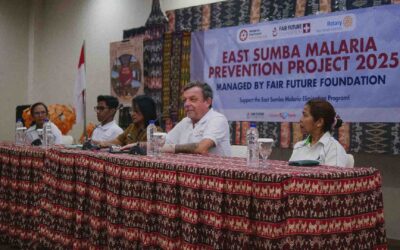
Malaria microscopy training day one | Fair Future Foundation
read more
Lives In Progress…
10 active prevention posters in villages and schools

Through the Primary Medical Care program, Kawan Sehat health workers provide treatment for fevers, wounds, and malaria in villages lacking access to doctors. They carry essential medicines, adhere to established medical protocols, and refer emergency cases promptly to prevent delays in care.
Support Care
All projects
Field updates
Field stories

Laying the Foundations for Accurate Diagnosis Malaria remains a major challenge to global public health, with 282...
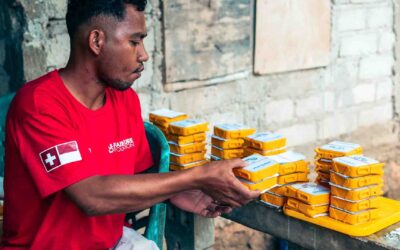
The original plan counted 24 schools. Field reality allowed more. Careful logistics and constant presence made it possible to extend distribution beyond expectations, proving that long term engagement creates room for added impact where children need it most.
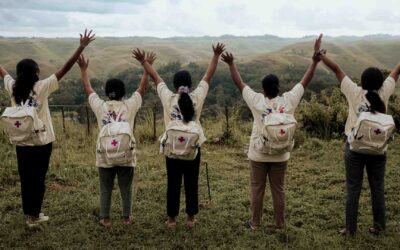
Swiss humanitarian expertise is built on medical rigor, ethical responsibility, and long-term field presence. Applied directly alongside communities, it transforms Swiss standards into durable healthcare, prevention, and accountable action where systems are absent.

We act because preventable suffering still exists where no one comes. Since 2006, our work is driven by presence, responsibility, and dignity, providing healthcare, clean water, and long-term support to communities left outside all systems.
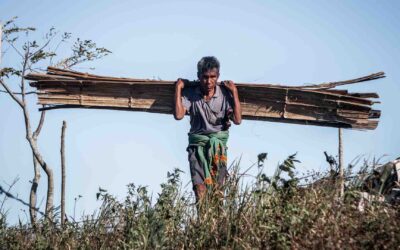
Fair Future is committed to impartial, independent humanitarian work. Through programs like #PrimaryMedicalCare and #WaterConnections, we bring essential healthcare, clean water, and education to ultra-rural communities. Our independence from political, economic, and religious interests ensures that every action is driven by the true needs of the people we serve.

Ethics at Fair Future is applied daily in the field. It guides medical decisions, the use of information, and transparency with communities and donors, ensuring care is delivered responsibly, accurately, and with respect for human dignity.

Fair Future Foundation delivers field-based medical care and disease prevention where health systems do not reach. Through long-term presence, community education, and trained local health agents, we reduce health risks before emergencies occur.
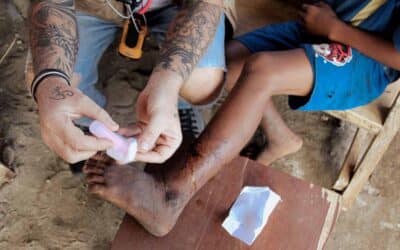
Dog bites can be prevented and managed effectively with the proper knowledge. Discover methods for cleaning wounds, controlling bleeding, and obtaining medical care to avert serious infections such as rabies.

Community medical manuals developed by Fair Future Foundation translate field-based medical protocols into practical tools for trained health agents, enabling safe and consistent primary care delivery in rural Indonesia where doctors and infrastructure are absent.
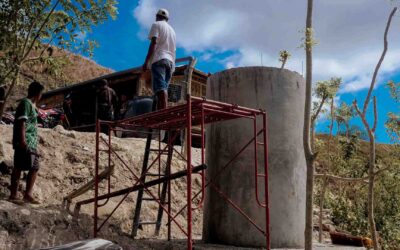
This page presents paid humanitarian jobs and field positions focused on medical care, disease prevention, and essential services. Roles require professional skills, ethical rigor, and long-term commitment in ultra-rural environments where responsibility matters.