


Donare
Assistenza sanitaria
Articoli e News
Storie dal campo
Glossario
Guida escursionistica
Water, Health & Infrastructure
Water Connections in Laindatang & Hambarita
Since 2022, two neighbouring villages and Fair Future Foundation have built the roads, reservoirs and local systems that keep safer water closer to families.
- Working together since 2022
- 115,000-litre community reservoir
- Household ferrocement tanks
Water begins with the people who live here
Laindatang and Hambarita are not project sites on a map. After four years of work, they are part of our daily field life. Families have repaired access roads, carried materials, built ferrocement tanks and organised the care of shared water systems. The infrastructure works because responsibility remains inside the villages.
Il programma
A water system built with the village
In this dry part of East Sumba, water access shapes infection risk, nutrition, hygiene, school attendance and the time families can give to work and food production.
Work began in 2022 with the understanding that a tank alone would not solve the problem. The programme had to connect catchment roofs, first-flush systems, filtration, storage, protected taps, access roads and local maintenance. In Laindatang, this led to a 115-cubic-metre community reservoir. In Laindatang and Hambarita together, around twenty household ferrocement reservoirs bring water closer to families.
The work has required patience. Roads were rebuilt so trucks and materials could reach the villages. A groundwater attempt continued for nine months without producing a reliable supply. The failure was documented, the plan changed and the work continued. A new possible borehole location has since been identified for technical validation.
A large semi-buried reservoir in Laindatang protects filtered rainwater for the wider community.
Ferrocement tanks across the two villages bring stored water closer to daily family life.
Construction, road access, maintenance and new phases have continued with the community since 2022.
A new storage reservoir for Hambarita is being considered, subject to engineering and funding.
From a field constraint to daily water
How water reaches a family
A safe water system is a chain. Access, construction, clean catchment, protected storage, maintenance and household practice must work together.
Listen and map the need
Families identify water routes, roof surfaces, dry-season pressure, available land and the people who will care for each system.
Make access possible
Roads, slopes and delivery routes are repaired before cement, steel, pipes and filters can reach the construction site.
Capture and protect rain
Gutters, first-flush devices and filtration reduce contamination before water enters a reservoir.
Store water close to home
The community reservoir and household tanks protect useful rain for cooking, hygiene and the dry months.
Maintain and adapt
Families clean, inspect and repair the systems. Field teams document failures and change the plan when evidence requires it.
Responsibility must remain shared
Infrastructure works when ownership and safety stay together
The village brings knowledge, labour and long-term care. Fair Future brings engineering, materials, water-safety measures and the obligation to recognise technical limits.
What the community makes possible
- Choose land and agree how shared water will be used
- Repair access routes and help move materials into the villages
- Build with local masons and families throughout construction
- Name caretakers for tanks, roofs, gutters, filters and taps
- Report cracks, contamination risks, damaged pipes and empty reserves
- Use available water for hygiene, household needs and small food gardens
What requires technical responsibility
- Structural design, reinforcement and safe ferrocement construction
- Catchment sizing, first flush, filtration and protected distribution
- Water-quality testing and corrective action when contamination is found
- Engineering review before a new large reservoir is built
- Hydrogeological validation before another borehole attempt begins
- Transparent reporting of cost, failure, maintenance and work still unfinished

The 115 m³ reservoir is one part of a wider village system that includes roads, roofs, filters, household tanks, protected taps and local maintenance.
The infrastructure behind each litre
Built for repair, daily use and the dry season
Useful infrastructure must fit the land and the people who maintain it. Ferrocement can be built and repaired locally. Gravity reduces dependence on pumps. Roof catchment protects short rain events that would otherwise be lost. Every part has to remain understandable and maintainable inside the village.
Ferrocement storage
Reinforced mesh and cement create durable reservoirs that local builders can inspect and repair.
Roof catchment
Gutters and first-flush devices collect rain while diverting the most contaminated initial flow.
Filtration and taps
Filters, protected outlets and clean handling reduce contamination between the roof and the household.
Roads and logistics
Excavators, trucks, repaired tracks and manual carrying make construction possible where access is fragile.
Quali cambiamenti nella pratica
Safer water changes the whole day
Water is closer to home
Families spend less time walking and carrying water over difficult ground, especially during the dry season.
Household storage is safer
Protected catchment, filtration and closed reservoirs reduce reliance on open or visibly contaminated sources.
Children regain time
When water collection is less dominant, there is more space for school, hygiene, rest and care inside the family.
Food gardens become possible
Carefully managed water gives households a small but important margin for vegetables and daily nutrition.
Water & healthWater Connections programmeSee the wider programme linking safe water, disease prevention, nutrition and community infrastructure.
CommunityEight Hambarita reservoirsSee how named household tanks were built with families and local caretakers.
Attrezzi da campoLaindatang filtration systemUnderstand the catchment, filtration and storage safeguards behind the reservoir.
Field archiveLaindatang and Hambarita reportsOpen the complete archive of construction, access, maintenance and water updates.
Registrazione in campo in tempo realeNote di viaggio dall'Indonesia orientaleFollow short, dated reports from water work, health, logistics and community life.
Guida pratica e glossarioWater and hygiene, explainedExplore practical terms behind rainwater capture, filtration, storage and safe household use.
Referenza medicaWHO drinking-water guidanceRead the public-health evidence connecting safe water with infection prevention and health.
In diretta dal campo
Water Field Notes, as the work happens
Two recent signals from water, construction and village life in Eastern Indonesia. These notes refresh automatically when a relevant Field Note is published.
Direttamente dal campo
Latest Laindatang and Hambarita reports
These reports document the work as it happens: road access, rainwater capture, reservoir construction, filtration, maintenance, local decisions, technical limits and the next phases.

Laindatang Relazione del bacino idrico | 114,5 m³
Laindatang Il rapporto sul bacino idrico documenta la costruzione di un sistema di raccolta delle acque piovane in calcestruzzo armato di 114 m³ a East Sumba. Costruito per garantire l’approvvigionamento idrico durante la stagione secca a oltre 200 persone e una scuola locale, il bacino è ora pieno e operativo, confermando la solidità strutturale e la gestione comunitaria.

Scala di graduazione per i bacini idrici: proteggendo la salute della comunità
All’interno del Laindatang serbatoio, una scala graduata misura ogni diecimila litri di acqua immagazzinata. Questo strumento preciso consente un monitoraggio sicuro, un uso controllato e una protezione a lungo termine dell’acqua pulita. In villaggi ultra-rurali, misurare con precisione l’acqua non è un dettaglio tecnico, ma una questione di prevenzione e sopravvivenza.
Laindatang Sistema di filtrazione dell'acqua | Salute preventiva
Prima che l’acqua raggiunga il serbatoio Laindatang, viene filtrata manualmente. Moduli di filtrazione personalizzati rimuovono detriti, sostanze organiche e insetti, riducendo i rischi di contaminazione. Questo sistema trasforma la raccolta dell’acqua piovana in una medicina preventiva per le famiglie che vivono lontano da qualsiasi infrastruttura sanitaria.
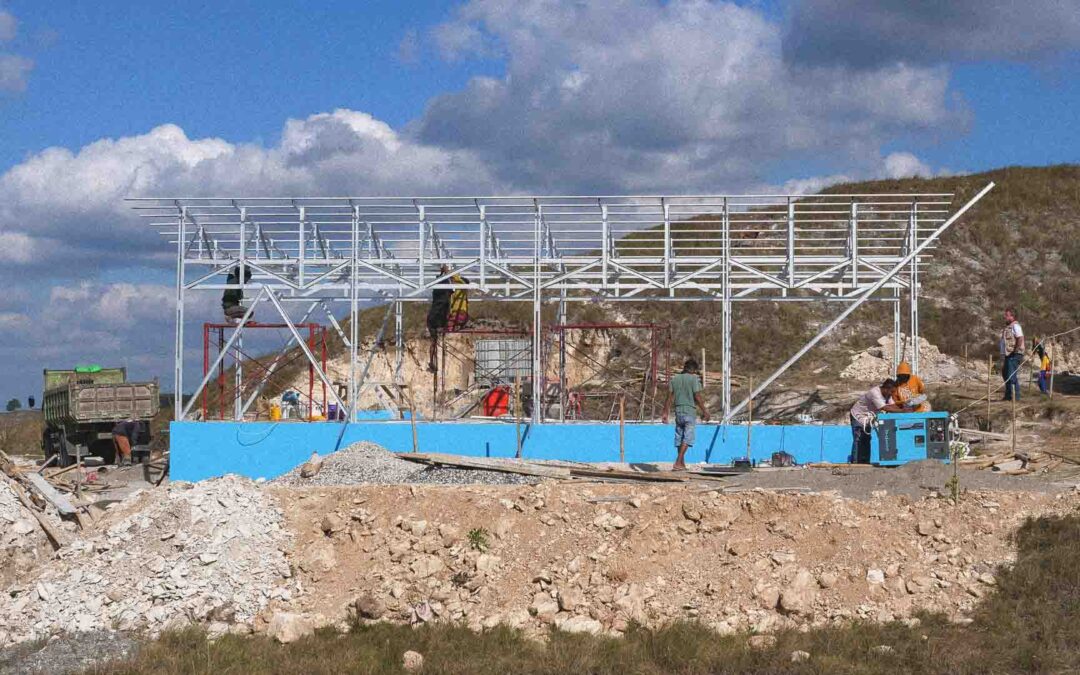
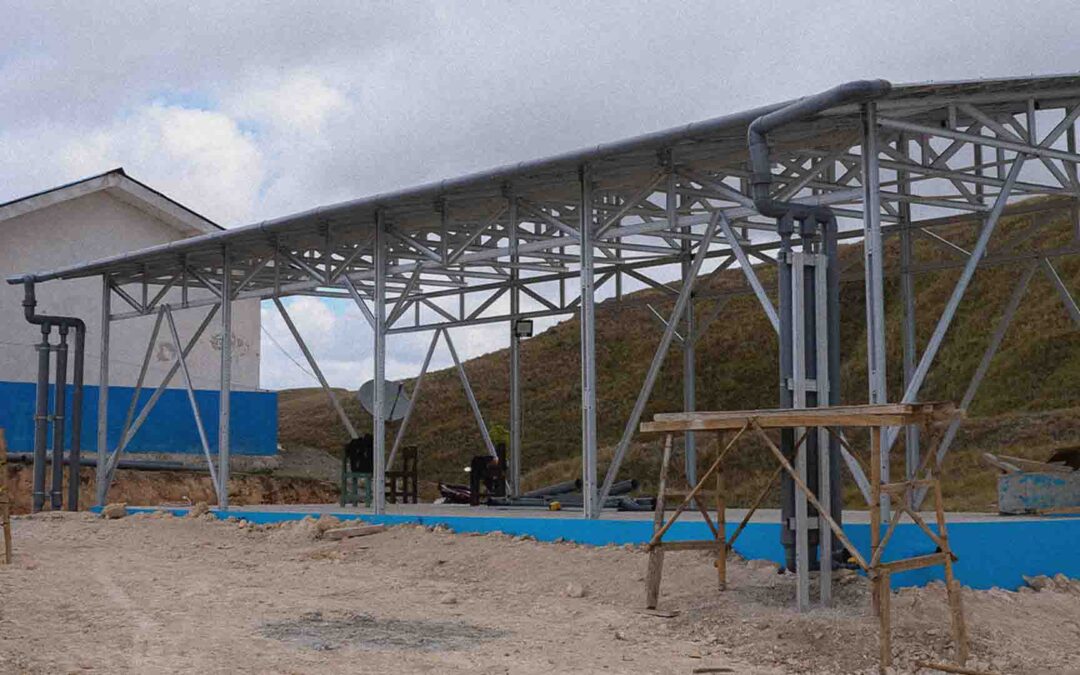
Clean Water Roof in Laindatang | Sicurezza dell'acqua per uso medico
Un tetto in acciaio leggero protegge ora il Laindatang serbatoio, schermando l’acqua piovana filtrata dal calore, dalla luce e dalla contaminazione. Costruito dai residenti del villaggio da Fair Future e Kawan Baik Indonesia, questa struttura trasforma la pioggia in acqua potabile sicura e previene malattie evitabili.
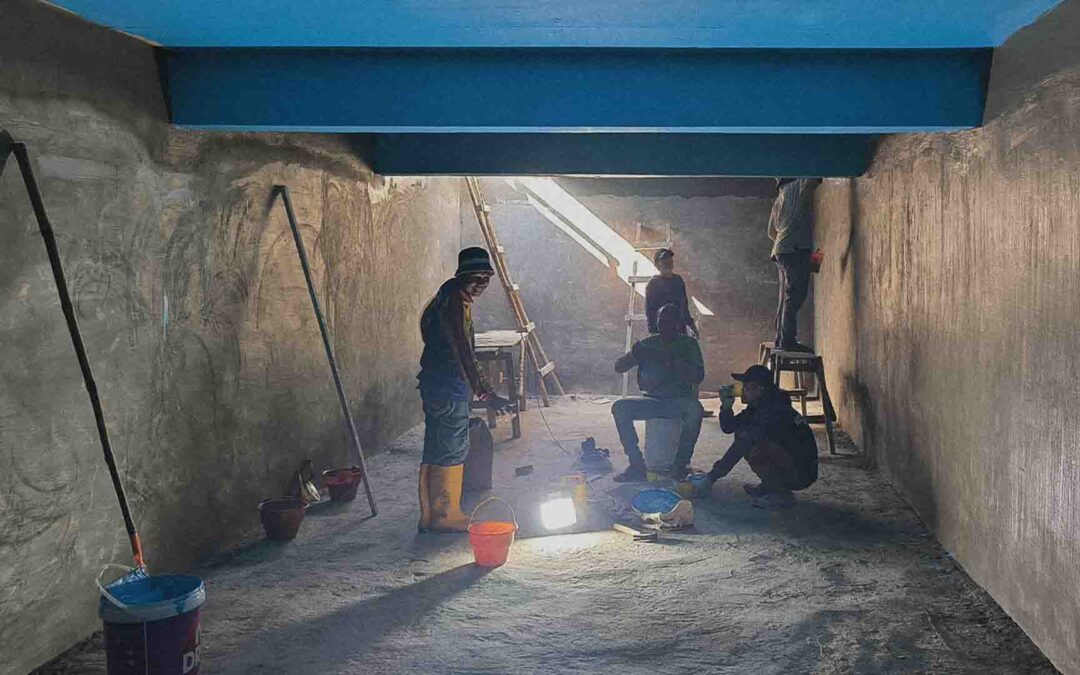
Laindatang Lavori su un serbatoio d’acqua – interno sigillato
Laindatang I lavori per il rifornimento idrico hanno richiesto la trasformazione del calcestruzzo greggio in una camera chiusa composta da sette strati protettivi. Ogni strato impedisce la contaminazione, stabilizza la struttura e protegge la salute delle famiglie. Questo processo tecnico è essenziale per garantire un'acqua sicura a lungo termine nell'East Sumba.
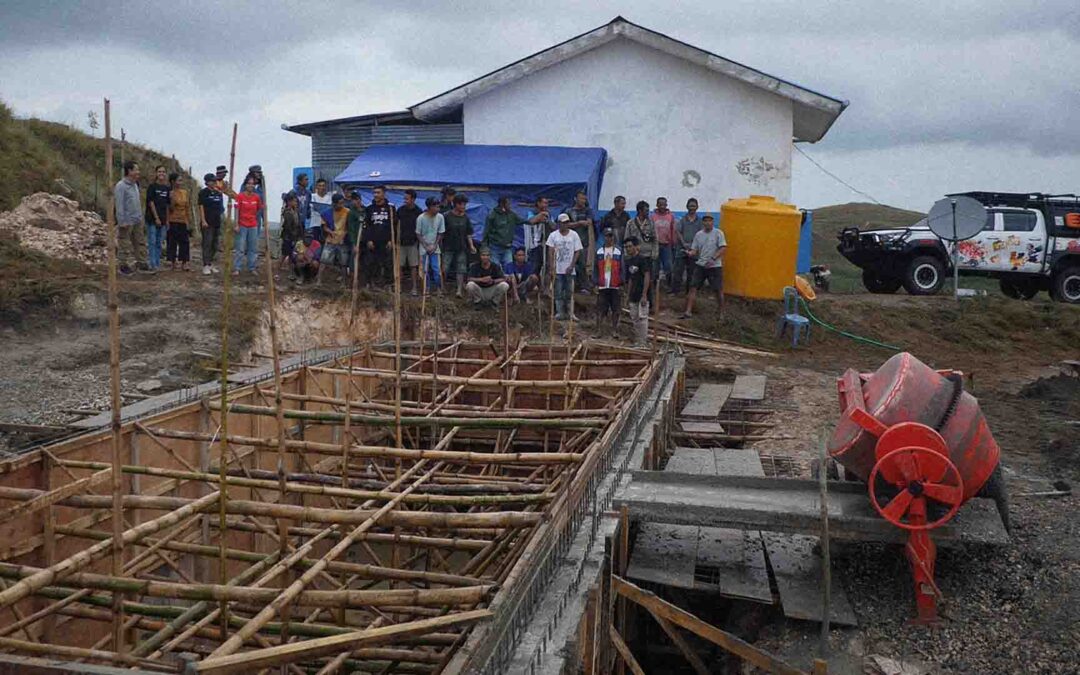
Laindatang La costruzione di un bacino idrico migliora l'accesso
Laindatang Insieme costruiamo un serbatoio da 115.000 litri a mano con i villanovoli, modellando acciaio, legno e cemento su un remoto altopiano. Questo lavoro fornisce acqua pulita alle famiglie che non ne avevano mai avuto accesso e rafforza la salute della comunità per gli anni a venire.
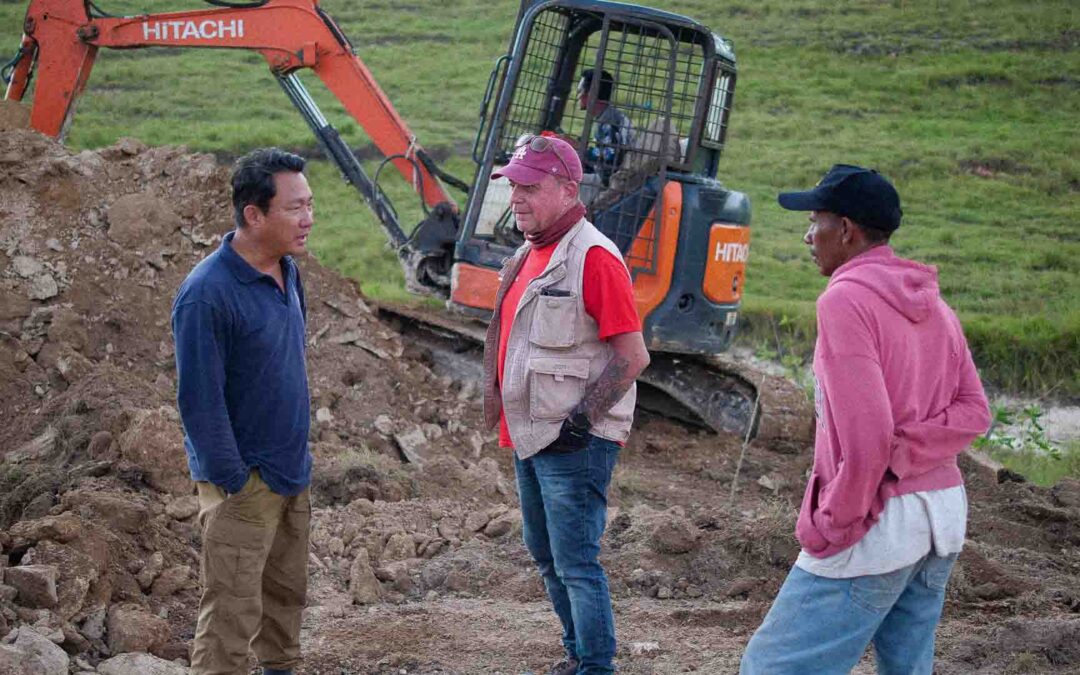
Laindatang Inizia l'accesso a valle per l'acqua
La ricostruzione Laindatang della strada di s Hill era essenziale per portare acqua pulita. Il pendio era scivoloso e pericoloso, ma ora le macchine potranno finalmente raggiungere il luogo. Un primo passo verso la riduzione delle malattie e il miglioramento della vita quotidiana.

Il serbatoio per le acque piovane di Wai La Padang protegge la salute del villaggio
Hambarita Nel serbatoio delle acque piovane Wai La Padang il modo in cui l’acqua e la salute iniziano ogni giorno cambia. Prima di questo progetto le famiglie percorrevano chilometri in scooter per recuperare pochi bidoni dell’acqua. Ora 5.300 litri di acqua piovana provenienti dal tetto si trovano accanto a tre piccole case, risparmiando denaro, energia e visite in clinica, proteggendo ogni bambino dall’acqua sporca.

Trituratore di acqua pulita Wai Pa Luri Wangu per il Hambarita villaggio
Nel Hambarita serbatoio di Wai Pa Luri Wangu si trova uno dei otto nuovi serbatoi che abbiamo costruito con la comunità. Questo cilindro blu da 5.300 litri si trova a pochi passi da tre case e sedici persone, trasformando le brevi piogge in acqua potabile per la vita quotidiana, l’igiene e le cure mediche di base, invece di pericolose escursioni in moto con pesanti bidoni per l’acqua.
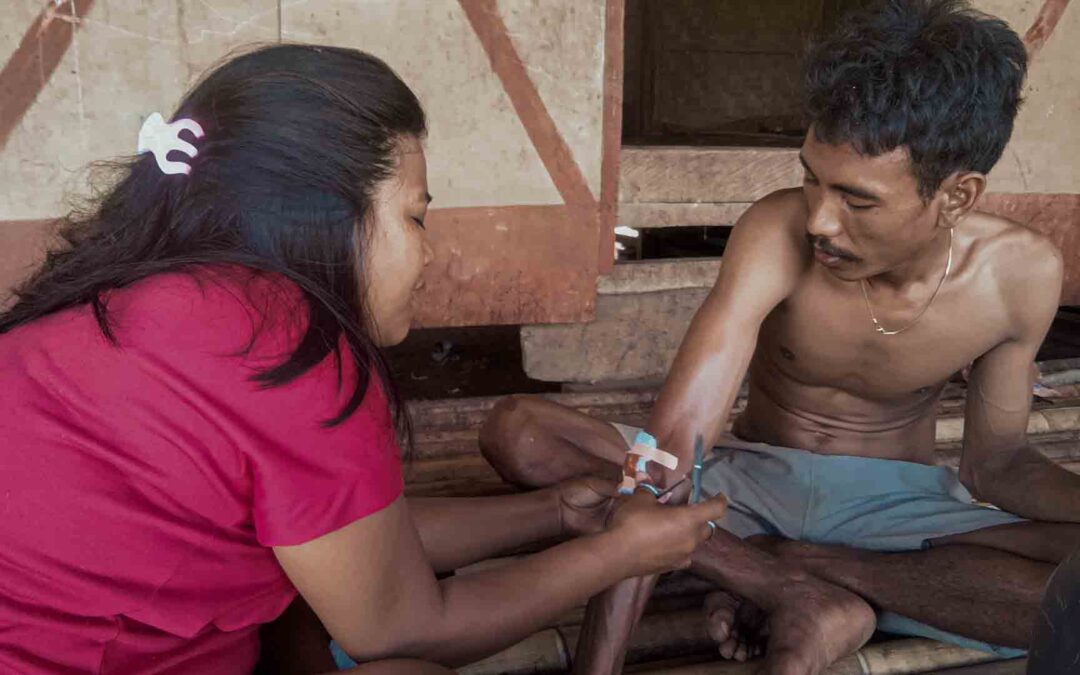
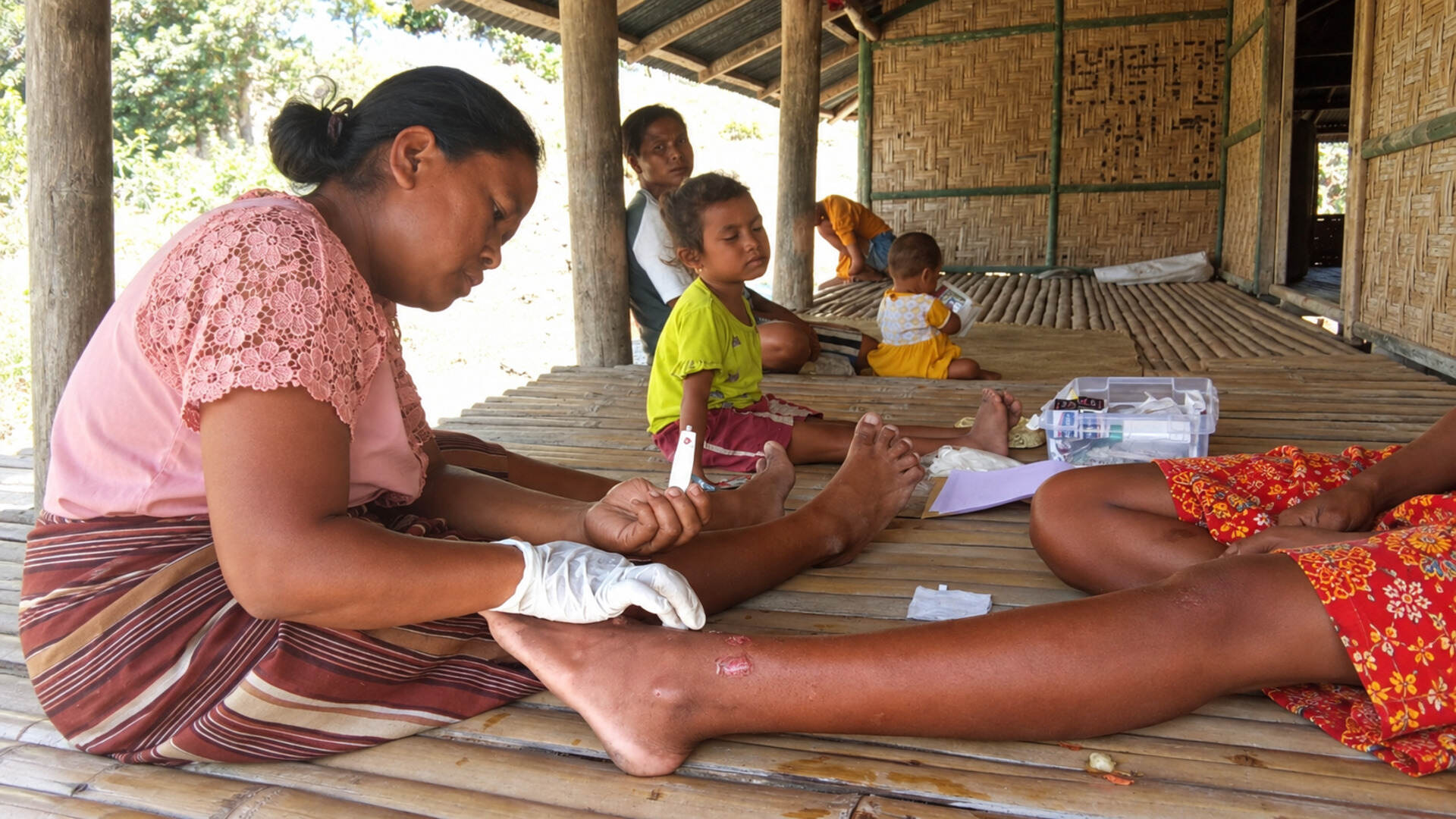
Kawan Sehat La cura delle ferite nei villaggi remoti salva vite
In questa immagine l’assistenza alle Kawan Sehat ferite avviene su un pavimento di bambù, a giorni di distanza dalle cliniche. L’agente irriga, se necessario, rimuove la secrezione e applica un bendaggio sterile, controlla la presenza di tetano e insegna i segnali di pericolo. L’assistenza precoce impedisce l’infezione prima che si diffonda nel sangue. In questo modo la medicina primaria impedisce i funerali.
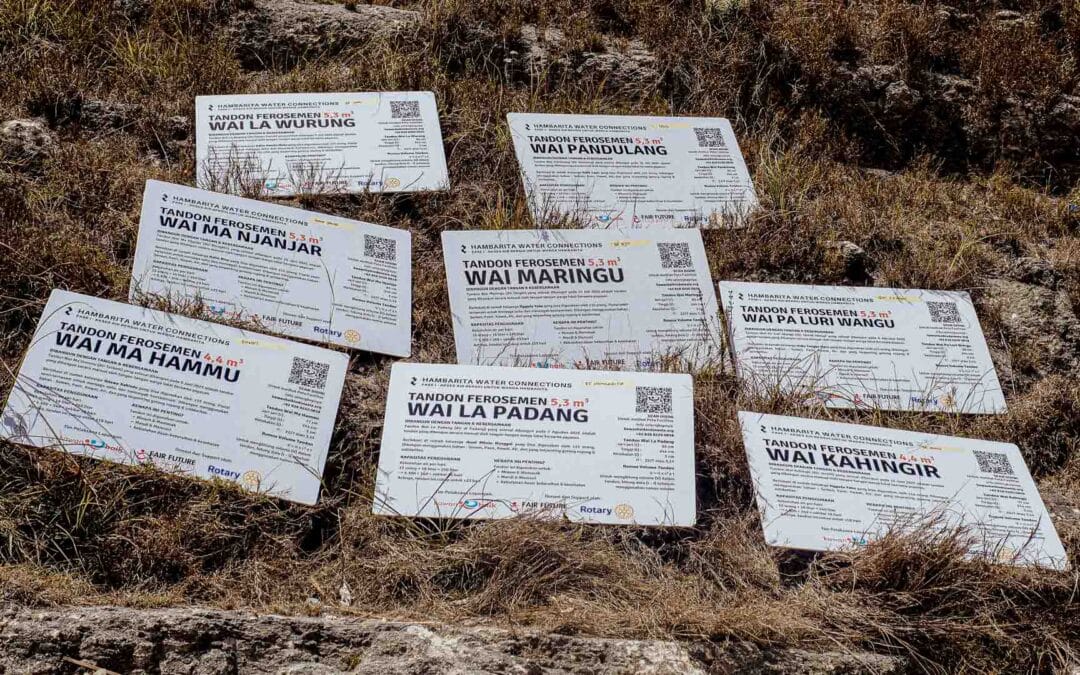
Hambarita placche dei serbatoi d’acqua – otto serbatoi con nomi
La foto mostra le targhe dei serbatoi d’ Hambarita acqua appoggiate sull’erba pochi istanti prima dell’installazione. Ogni targhetta riporta un nome locale perché l’acqua è trattata come una famiglia. Quando un serbatoio viene chiamato per nome, la gente lo mantiene, pulisce le grondaie e custodisce il coperchio. Otto nuovi serbatoi raccoglieranno la pioggia, combatteranno le malattie e restituiranno tempo alle famiglie.
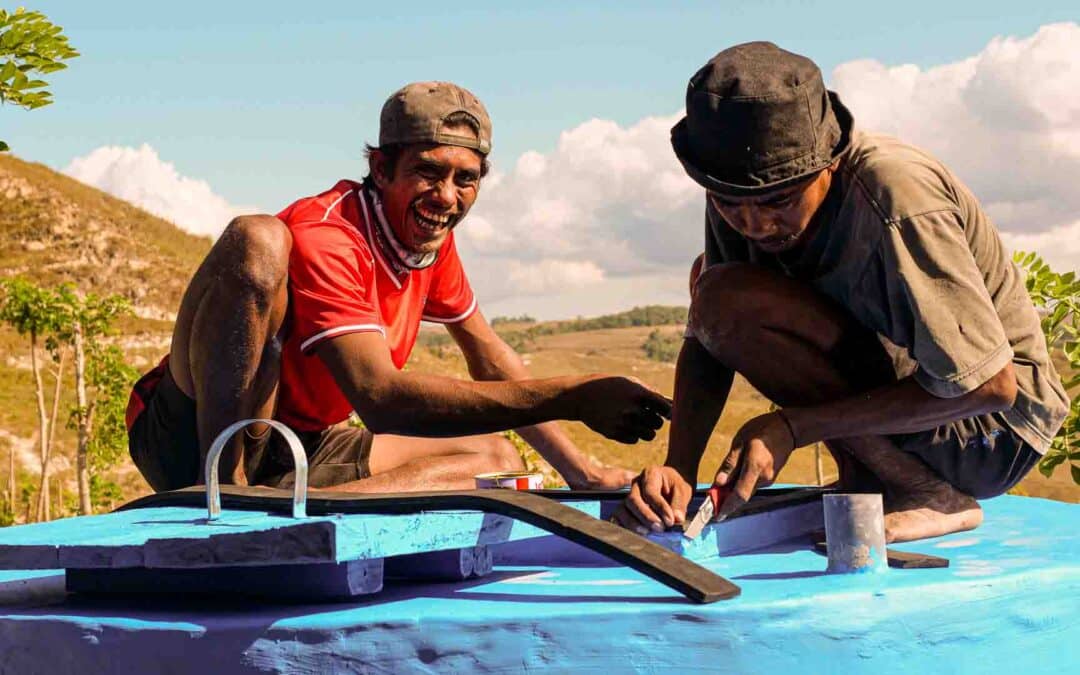
Otto serbatoi ferro-cementizi Hambarita
Otto serbatoi in ferro-cemento forniscono Hambarita ora acqua sicura e filtrata a 120 persone. Costruiti con competenze locali, migliorano la salute, l’igiene e la qualità della vita per decenni in una delle zone più remote di East Sumba.
Responsabilità
Water systems must remain measurable, maintained and transparent
We document what is built, how much water can be stored, what fails, what requires repair and what remains unfinished. The next work may include a new 80,000 to 100,000-litre reservoir in Hambarita, solar energy for the school and another groundwater attempt after technical validation. Each phase depends on evidence, local responsibility and available resources.
