Donare
Assistenza sanitaria
Articoli e News
Storie dal campo
Glossario
Guida escursionistica
Malnutrizione e salute nella zona rurale dell'Est di Sumba
Malnutrition here is not an abstract indicator. In the ultra-rural communities of East Sumba where Fair Future works, hunger, monotonous diets, unsafe water and repeated infection are part of everyday life. We repeatedly meet children with poor growth and low nutritional reserves, adults working on inadequate diets, and older people weakened by food insecurity and illness.
Malnutrition is a daily health emergency in rural East Sumba
Hunger, monotonous diets, unsafe water and repeated infection reinforce one another
Malnutrition here is a daily clinical reality
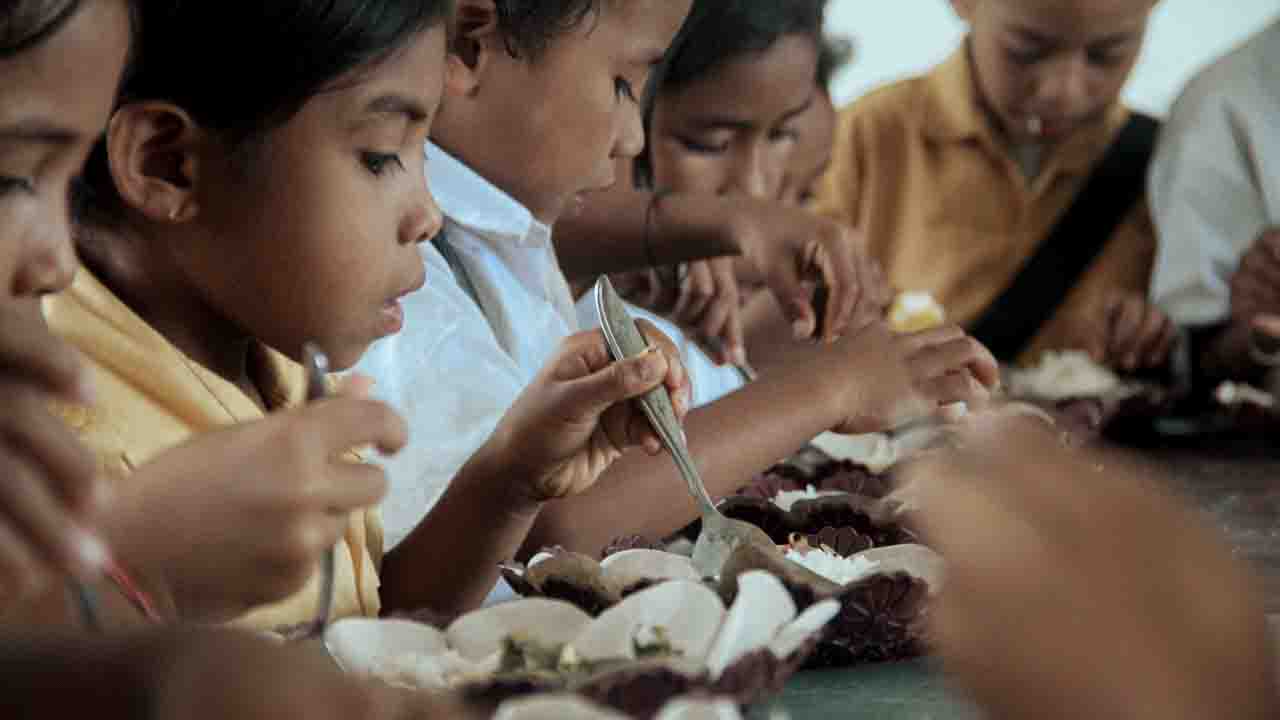
Across the ultra-rural communities where Fair Future works, we repeatedly meet children with poor growth, thinness, low energy and recurrent infection. In some villages, signs consistent with nutritional deprivation are present in more than half of the children we see. This is a field observation from our clinical and community work, not a population prevalence estimate for East Sumba.
Official 2024 SSGI data place Nusa Tenggara Timur at 37% stunting among children under five, the highest provincial prevalence in Indonesia. This figure is already extremely high, but stunting measures only one aspect of malnutrition and only one age group. It does not capture every child with wasting, micronutrient deficiency or inadequate dietary intake, nor malnutrition among adults and older people. See the official SSGI 2024 provincial results.
Food insecurity does not always mean an empty plate. A stomach can be full while the body remains undernourished. In some households we visit, meals may consist mainly of rice, salt and chilli, repeated day after day. The problem is therefore both quantity and quality: too little protein, too little dietary diversity, and insufficient intake of iron, vitamin A, zinc and other essential nutrients.
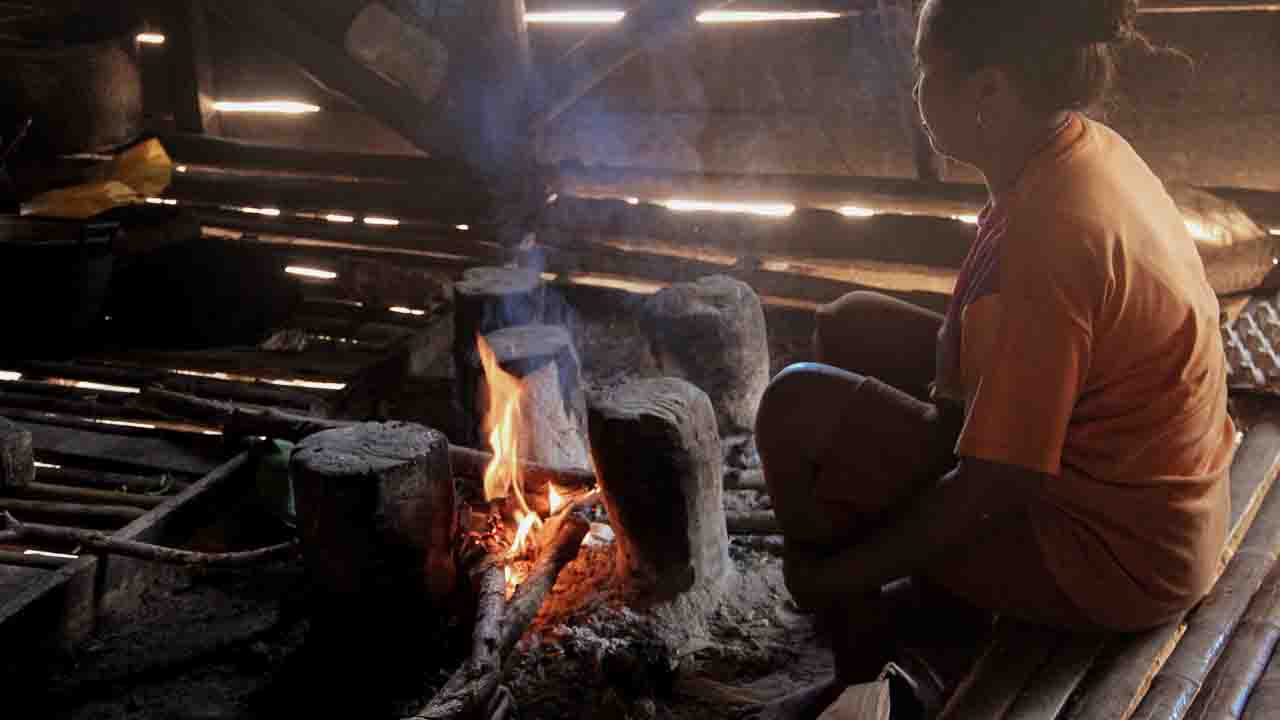
Water scarcity makes the situation worse. Families may depend on unsafe water for drinking and cooking. Recurrent diarrhoea and intestinal infection reduce appetite and nutrient absorption. Malaria, respiratory infection and other illnesses increase metabolic demand. Malnutrition then weakens immunity and slows recovery, creating a cycle that can continue for months or years.
Children show the consequences most visibly through impaired growth, low weight, recurrent infection and reduced physiological reserves during illness. But the burden extends beyond childhood. Pregnant women may enter pregnancy with limited nutritional reserves. Adults continue physically demanding work while underfed. Older people may lose strength and recover more slowly from disease.
The question is therefore not simply whether families know what a balanced diet should contain. It is whether they have food, clean water, income, knowledge and access to care sufficient to make good nutrition possible.
Our response connects Primary Medical Care, Kawan Sehat community health agents, Water Connections, nutrition and food activities, malaria prevention and practical health education. Nutrition cannot be separated from the conditions in which people live.
- Field Reality
- Diet, Hunger & Micronutrients
- Water, Infection & Malnutrition
- Children, Mothers & Vulnerable Adults
- Prevention & Field Response
The provincial average still understates what we see in the most isolated communities
NTT recorded 37% stunting among children under five in SSGI 2024, the highest provincial prevalence in Indonesia. That number alone represents a severe public-health burden. But a provincial average combines urban, peri-urban and rural populations and cannot describe every isolated community.
In some of the ultra-rural villages reached by Fair Future, signs consistent with nutritional deprivation are present in more than half of the children we encounter. We see poor growth, thinness, weakness, recurrent infection and very limited dietary diversity. This is a field observation from service contacts and community work, not a formal prevalence survey.
The burden is also visible among adults. Food insecurity affects pregnancy, physical work, recovery from disease and ageing. Malnutrition should therefore not be understood only as a paediatric diagnosis.
Official source: Indonesia Ministry of Health, SSGI 2024.
A full plate can still be nutritionally inadequate
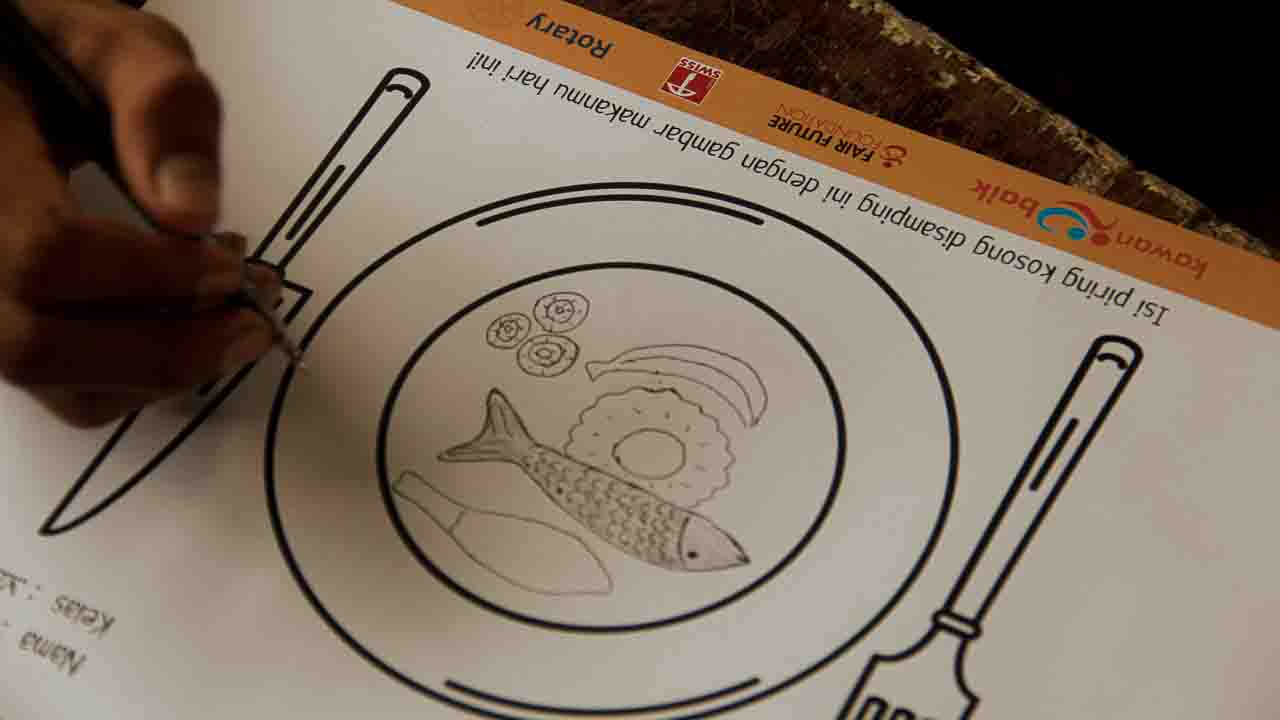
Food insecurity is not only the complete absence of food. In the communities we visit, diets can be extremely repetitive. Rice may form almost the entire meal, sometimes accompanied only by salt and chilli. Such a diet may reduce hunger temporarily while remaining poor in protein, iron, vitamin A, zinc and other nutrients.
Families may have limited access to vegetables, eggs, fish, meat or other protein sources because of income, distance, seasonality, water scarcity or lack of practical nutrition knowledge. Advice about dietary diversity is useful only when it is connected to what families can actually obtain, grow, store and prepare.
Micronutrient deficiency may be less visible than wasting but still affects immunity, anaemia, pregnancy, growth, cognition and physical capacity. Nutrition education therefore has to address both how much people eat and what their food contains.
Explore our nutrition and food activities.
Unsafe water can undo progress made through food alone
Where clean water is scarce, diarrhoeal and enteric disease can become recurrent. Infection reduces appetite, increases metabolic demand and can impair nutrient absorption. Fluid loss and dehydration further weaken children and vulnerable adults.
Malnutrition then increases susceptibility to infection and reduces the physiological reserves available during malaria, respiratory infection, wounds or other illness. The relationship works in both directions: infection worsens nutritional status, and poor nutritional status makes infection harder to tolerate and recover from.
This is why nutrition cannot be separated from WASH. A family may receive dietary advice while still drinking unsafe water every day. Without a safer environment, the same cycle begins again.
See Unsafe Water and Childhood Diarrhoea e il nostro Water Connections programme.
The consequences extend across the whole life course
Children are especially vulnerable because growth and brain development require sustained nutrition during early life. Poor maternal nutrition, inadequate infant feeding, repeated infection and low dietary diversity during complementary feeding can have consequences that persist long after an acute episode has ended.
Women may begin pregnancy with low nutritional reserves or anaemia. Adults may continue agricultural and physical work despite inadequate energy and protein intake. Older people can be particularly vulnerable when food insecurity combines with chronic illness, weakness, poor dentition or reduced appetite.
Our field response therefore looks beyond a single weight measurement. We consider growth, illness, hydration, food access, household conditions, danger signs and the person’s ability to reach professional care.
The objective is not simply weight gain. It is stronger physiological reserves, better resistance to infection, safer pregnancy, improved recovery and the ability to remain functional over time.
Nutrition improves only when the causes around the person are addressed together
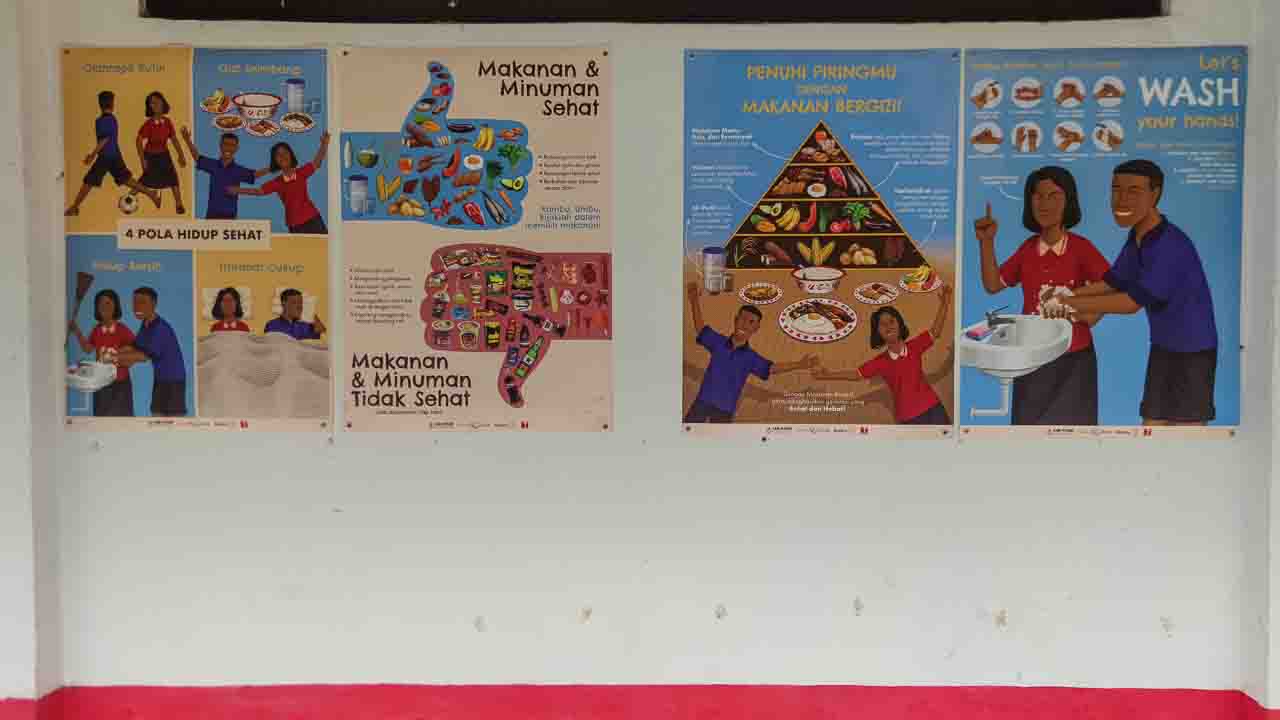
Agenti Kawan Sehat work close to families and reinforce practical messages about food diversity, hydration, hygiene, illness recognition and when professional care is needed. Their role matters because nutritional deterioration often develops gradually and is easiest to address before a crisis.
Primary Medical Care connects nutritional concerns with clinical assessment. Recurrent diarrhoea, malaria, infection, anaemia, poor growth, weight loss and other danger signs cannot be treated as separate problems when they occur in the same person.
Water Connections addresses one of the conditions that makes nutrition programmes fail: repeated exposure to unsafe water and the infections that follow. Malaria prevention, health education and referral reinforce the same objective.
Community education also focuses on what families can realistically change: locally available foods, more varied meals when possible, safe hydration, food preparation and recognition of deterioration.
The goal is not a short nutrition campaign. It is to reduce the conditions that keep children and adults trapped between hunger, infection, unsafe water and delayed access to care.
Malnutrition and Child Health in the Field