This image is in 1920×1080 resolution. Click on it to enlarge and view at full size.
Rural child health in East Sumba begins long before a medical emergency
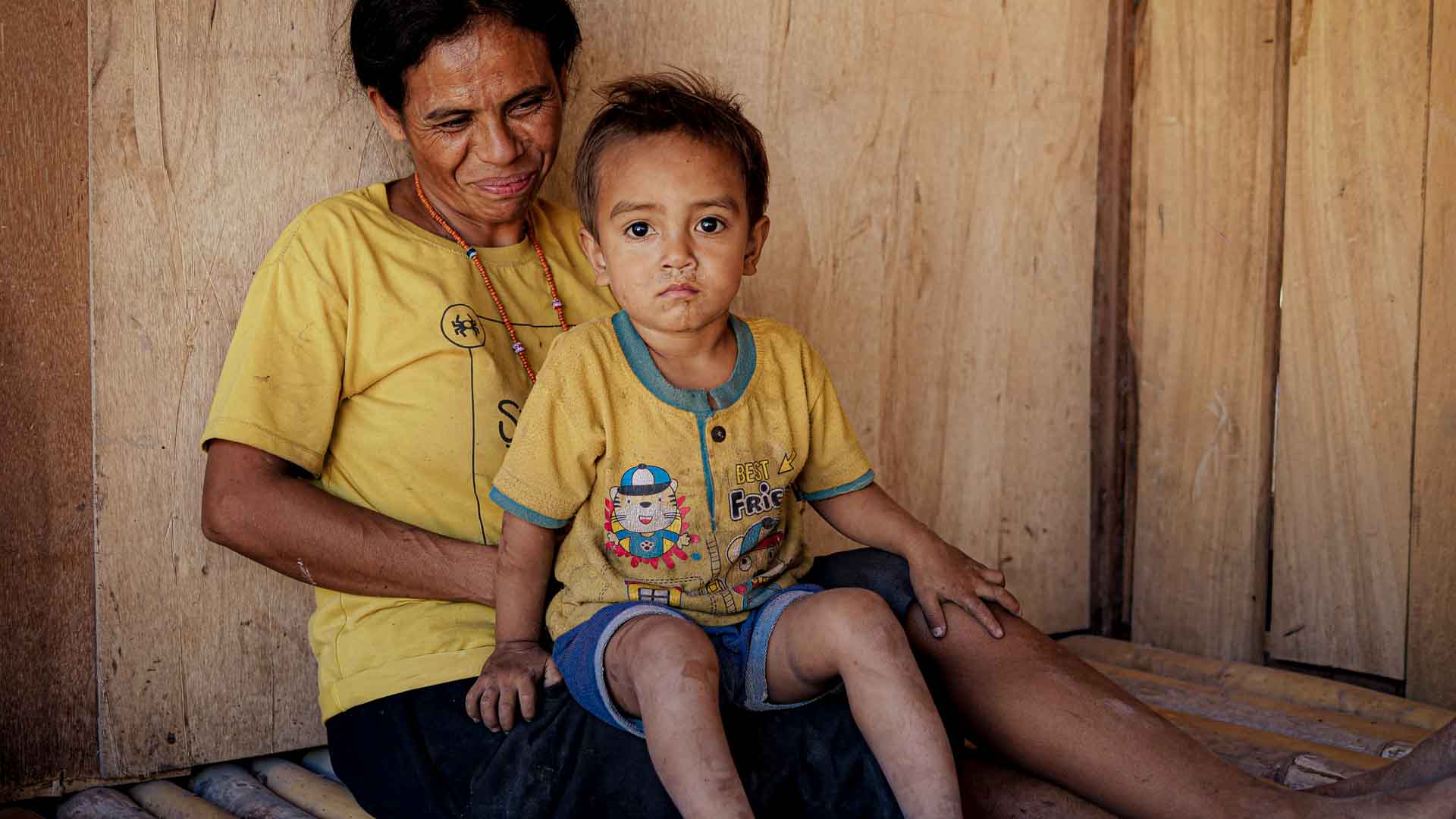
This new Photo of the Day shows a mother holding her young child during fieldwork for the Studio Sepsis Sumba 2026. She looks down with a quiet smile while he faces the camera. This is rural child health as we meet it in East Sumba, shaped by care, water, food, information and the possibility of reaching help in time.
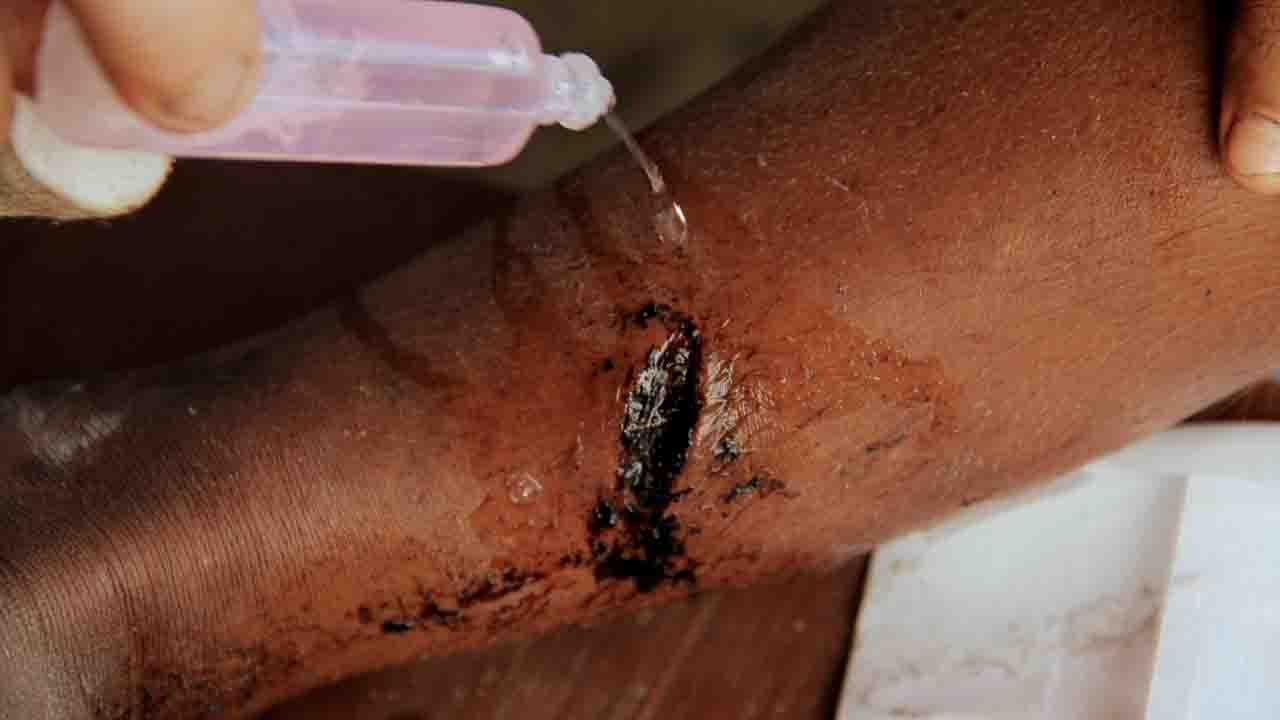
Rural child health is a whole system: The photograph does not show sepsis. It shows the conditions around it. Sepsis is a life-threatening organ dysfunction caused by a dysregulated response to infection, and early recognition and rapid treatment matter. Long before an emergency, the chance of preventing infection or responding early depends on hygiene, nutrition, wound care, vaccination, knowledge of danger signs, and whether a family can reach a trained health worker.
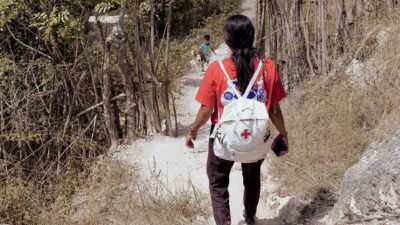
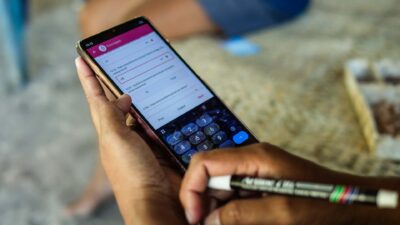
This is why the Sumba Sepsis Study 2026 is linked to our Primary Medical Care programme. Kawan Sehat community health workers bring prevention, basic assessment, health education and referral closer to homes. The study adds data. It helps us understand where recognition is delayed, what families know, and where the path to care breaks down. In a remote village, a referral only works if transport, communication and family understanding are in place at the same time.
Water, knowledge and access are medical: For rural child health, Water Connections is part of the same health system. Safe and sufficient water supports drinking, food preparation, hand hygiene, wound cleaning and sanitation, reducing exposure to some infections. Reliable electricity can support lighting, communication, digital health tools and education. Nutrition affects a child’s capacity to withstand disease. None of these replaces medical care. Together, they reduce preventable risk and make earlier care more possible.
World Sepsis Day is on 13 September. For us, this photograph explains why it matters. A mother and her child should not need to encounter the health system for the first time in a hospital. Supporting Fair Future Foundation and Kawan Baik Indonesia means helping us build that system closer to families, before infection becomes an emergency.
The clinical basis has been checked against WHO and CDC guidance on sepsis, primary healthcare, community health workers, WASH and electricity access. World Sepsis Day officially takes place on 13 September.
Today, August 31st 2026 – Alex Wettstein
Per ulteriori informazioni
- World Health Organisation – Sepsis: WHO explains sepsis, its global burden, prevention and the importance of early recognition and rapid treatment, especially in vulnerable populations.
- Centres for Disease Control and Prevention: CDC provides practical guidance on preventing infections, recognising sepsis early and acting quickly when an infection is worsening or not improving.
- World Health Organisation – Primary Health Care: WHO defines primary health care as integrated prevention, treatment and community-centred care delivered as close as possible to where people live.
- UNICEF Indonesia – Water, Sanitation and Hygiene: UNICEF Indonesia works to improve safe water, sanitation and hygiene, reducing infection risks and protecting child health in underserved communities.
- World Health Organisation – Community Health Workers: WHO guidance supports trained and supervised community health workers within primary care systems, extending essential services closer to families.
- World Health Organisation – Child Health: WHO promotes integrated management of childhood illness, combining prevention and treatment for major childhood conditions in low-resource settings.
- World Sepsis Day – Global Sepsis Alliance: World Sepsis Day, led by the Global Sepsis Alliance, promotes awareness, prevention, early detection and stronger health systems on 13 September.