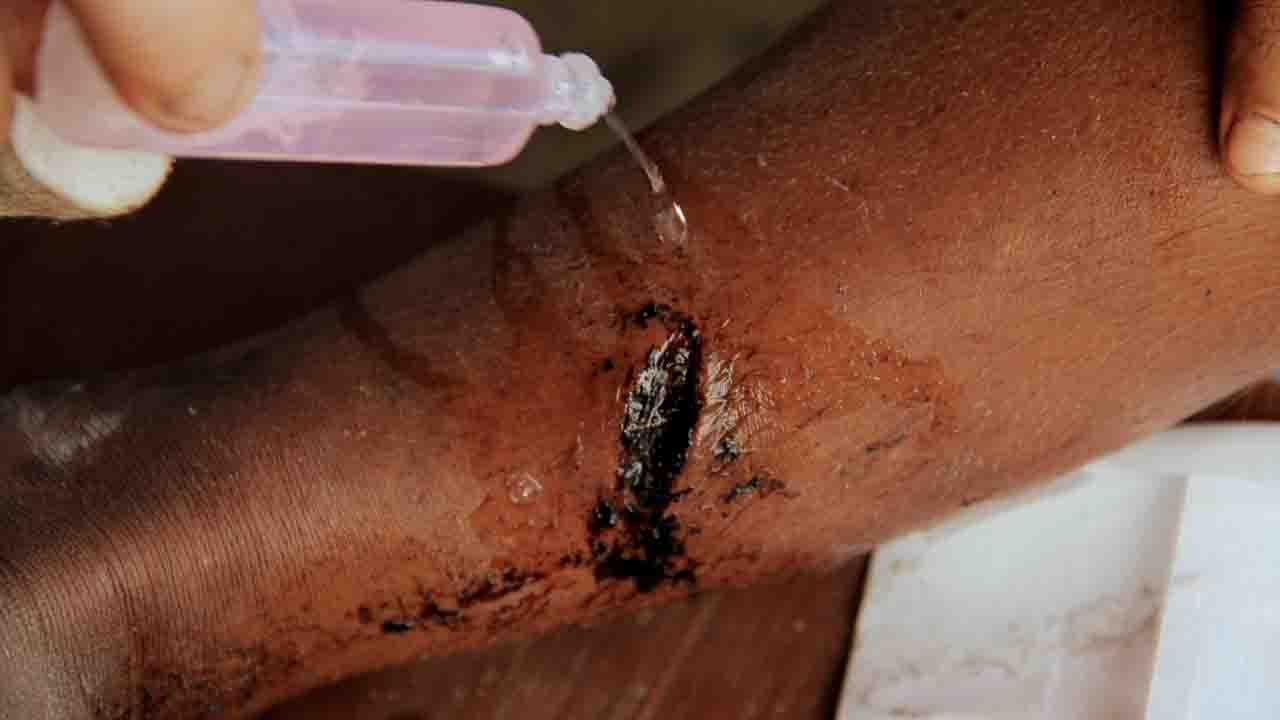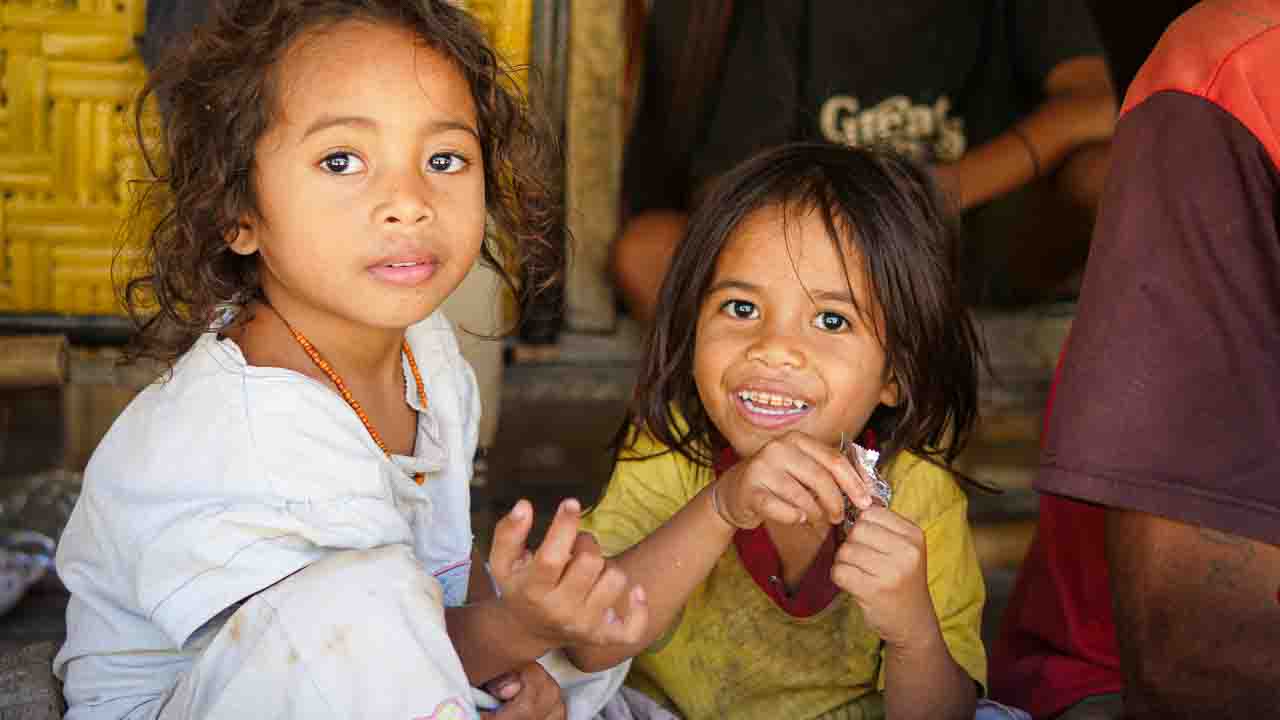
Children in rural East Sumba, where infection prevention and timely access to healthcare remain central to our sepsis study.
East Sumba sepsis study reveals where time is lost
A preliminary report from homes, villages and health services.
On World Sepsis Day, we publish the preliminary report of the East Sumba sepsis study after months of preparation, fieldwork, data review and clinical discussion.
It is not a prevalence study and does not label household illness as sepsis. It asks a practical question. When infection becomes dangerous, what prevents a person from receiving effective care in time?
1,001 households, one continuous care pathway
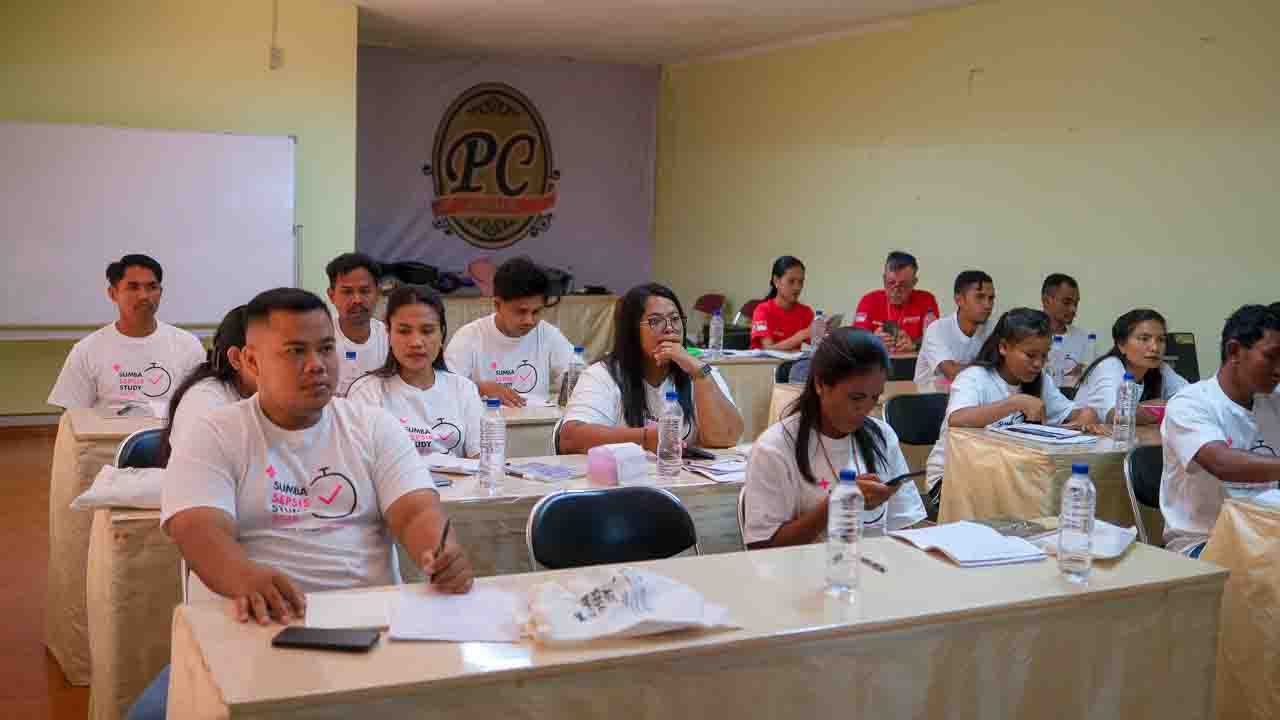
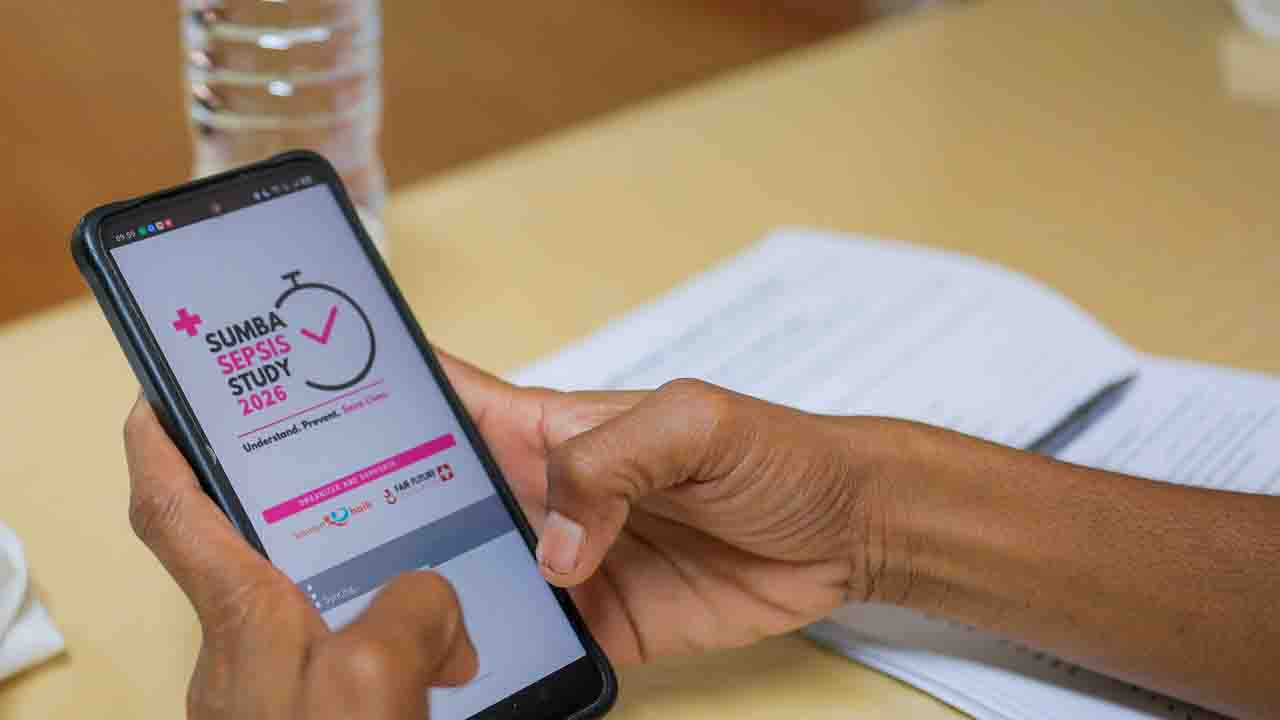
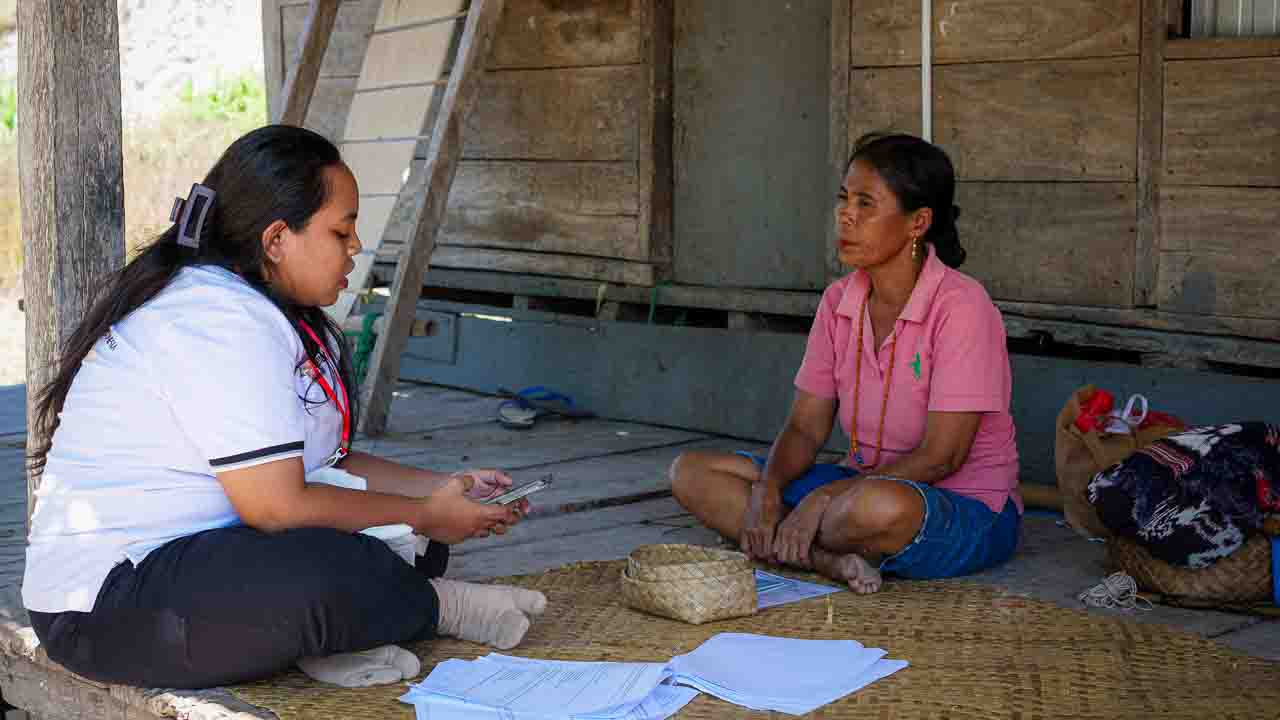
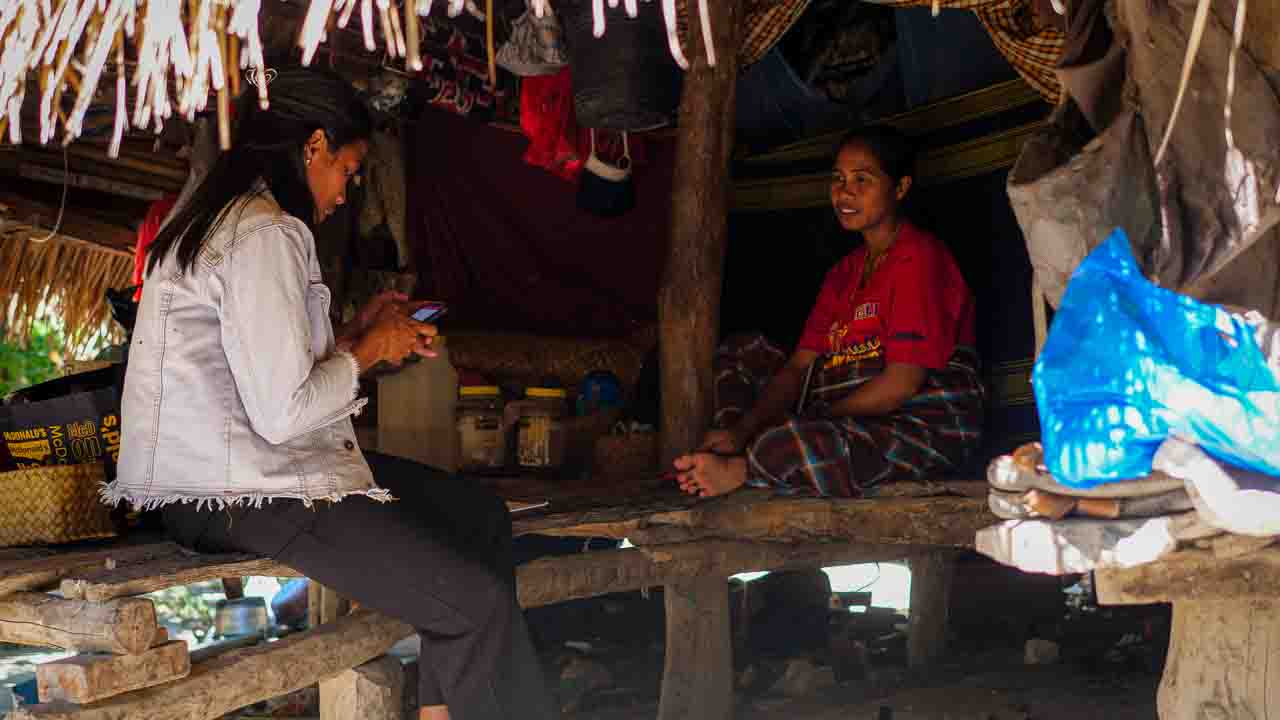
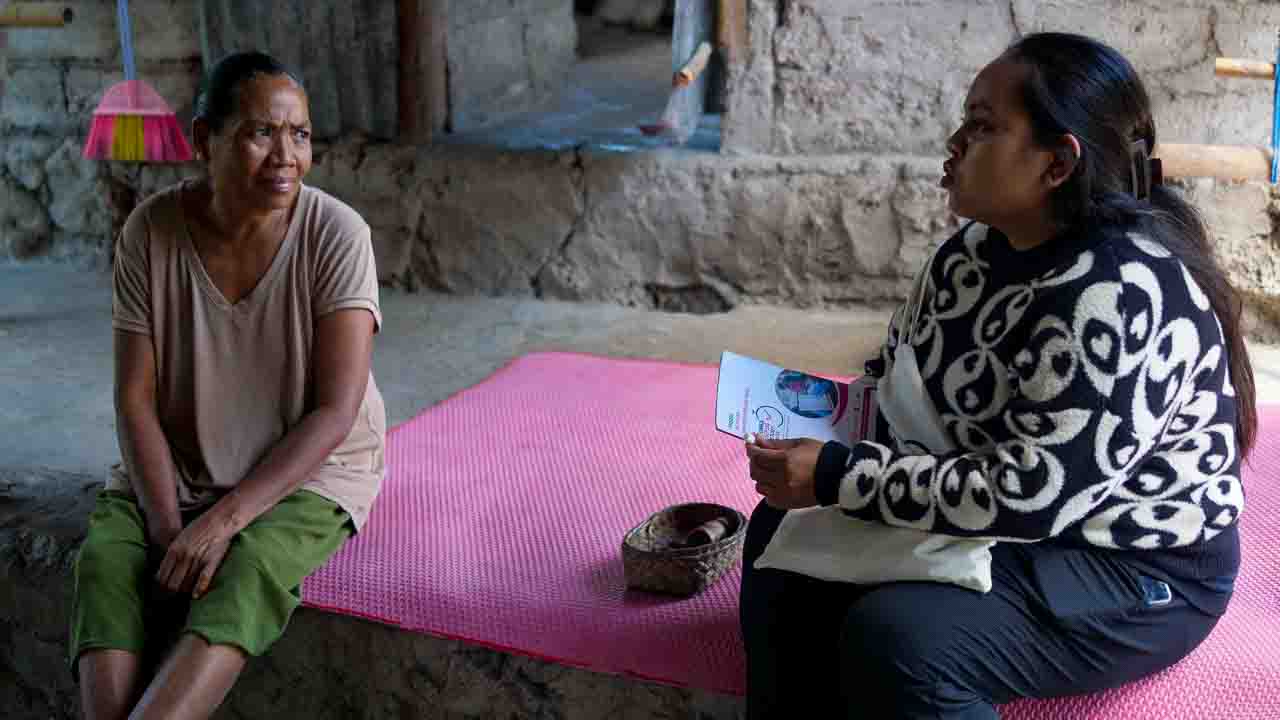
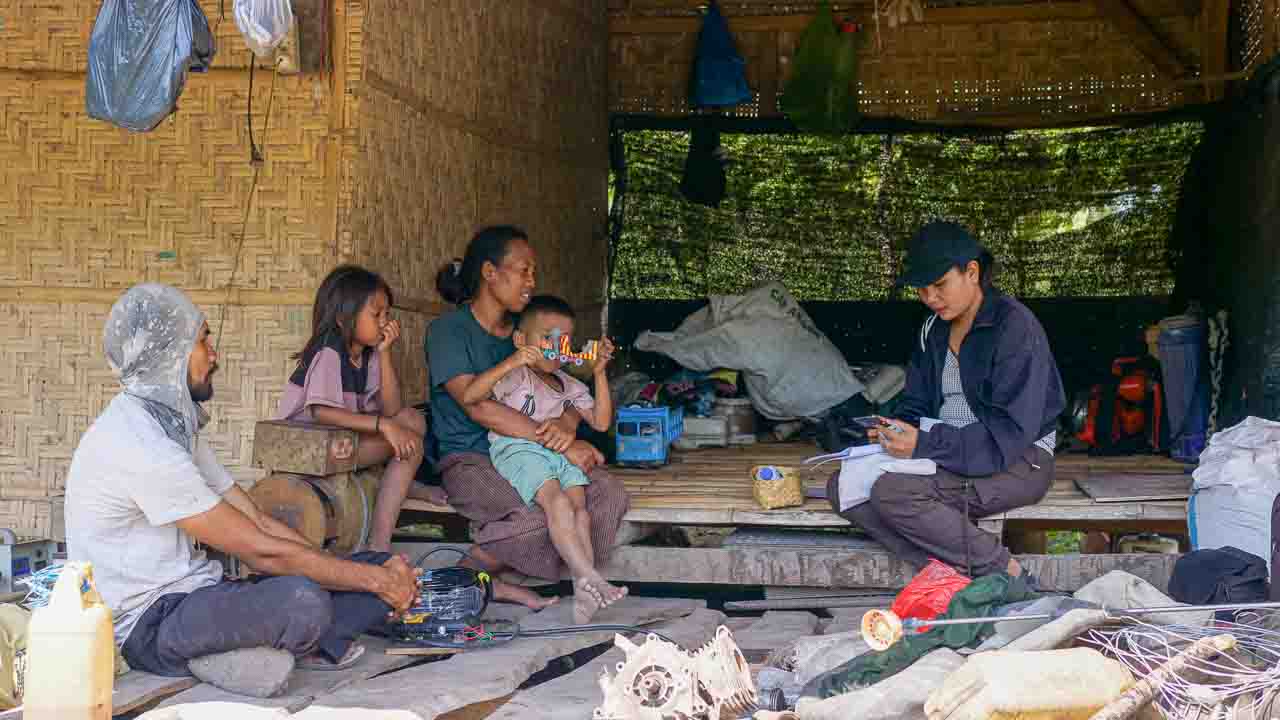
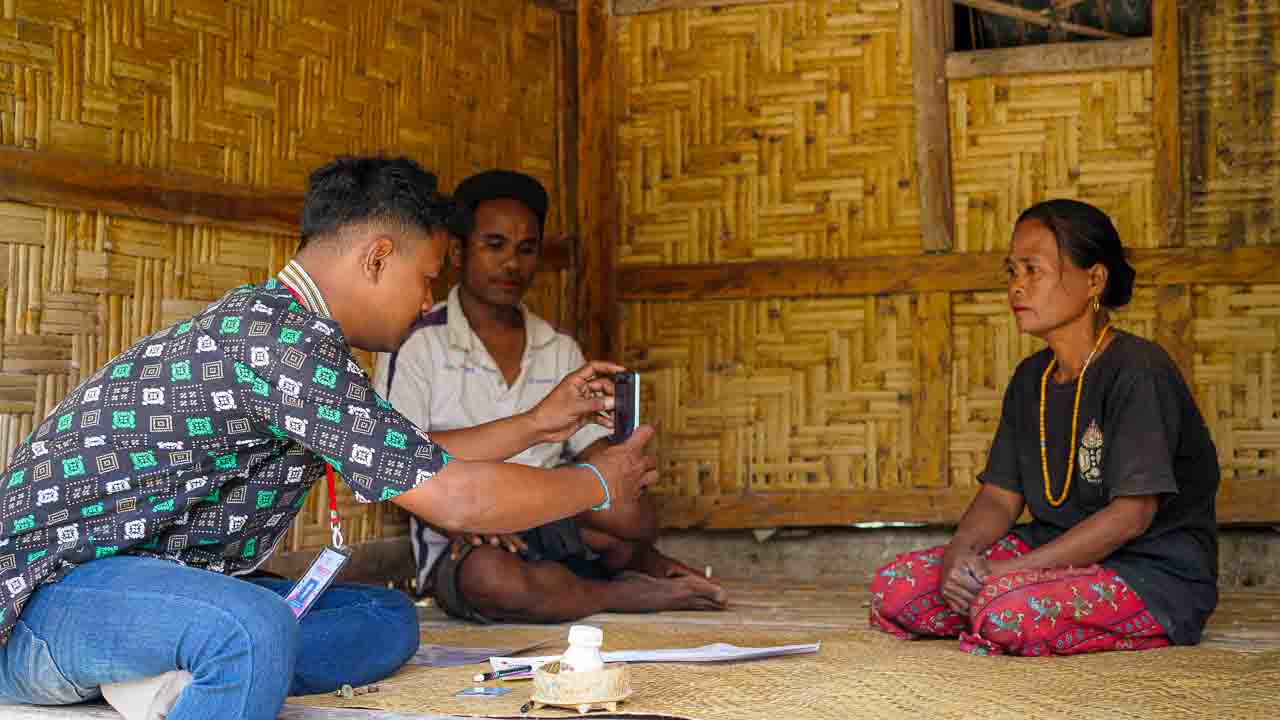
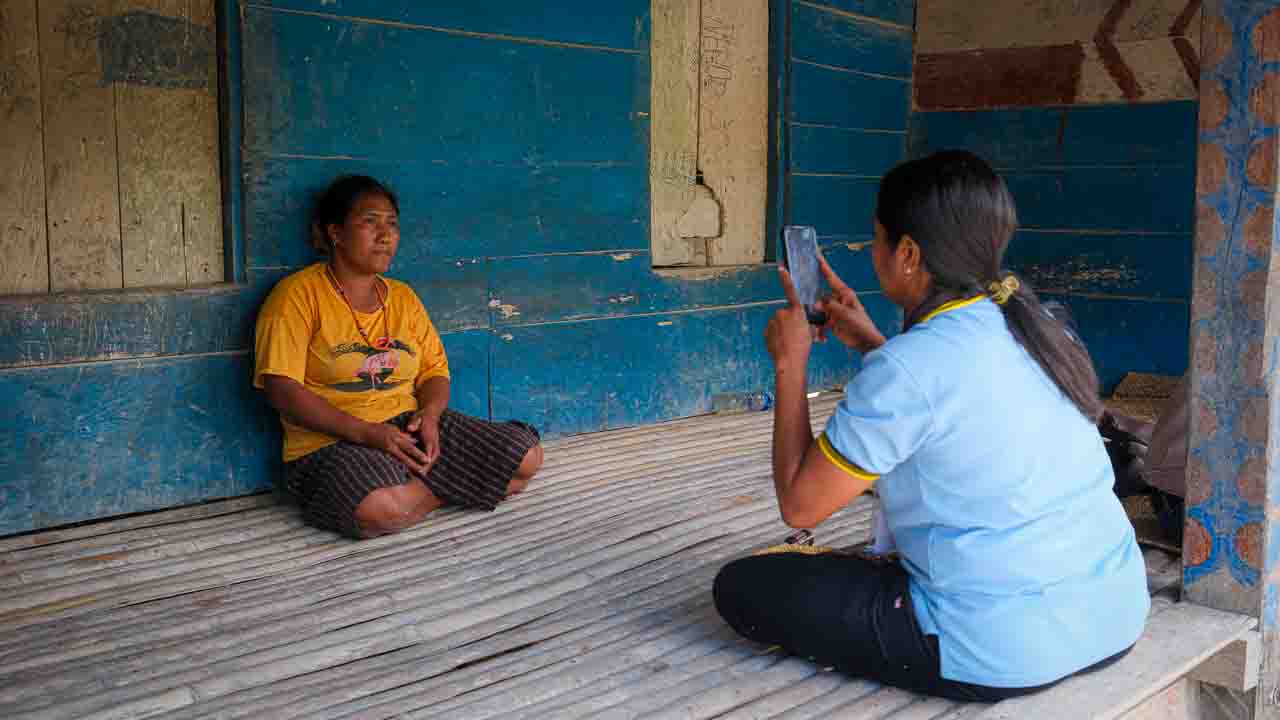
Fair Future Foundation and Kawan Baik Indonesia completed 1,001 household interviews across eight localities, recording 4,977 usual household residents, alongside 162 healthcare-worker questionnaires. The work combined local-language interviews, an offline field application, source data, clinical review and an IMRAD report built around traceable denominators and explicit limitations.
The findings are difficult to ignore. In 95.2% of households, water and soap were not available together at a reported handwashing place. 40.3% reported no toilet or open defecation. Among 286 households reporting at least one hour to the nearest formal health facility, every one also lacked water and soap together at a handwashing place. These are not abstract risk factors. They are material conditions that make infection prevention harder and care more difficult to reach.
Trust exists, but time and readiness fail
Trust in formal healthcare is strikingly high. 99.8% of responding households expressed full or some confidence in formal care, yet only 45.2% of responses described seeking outside help on the same day after illness became serious. Among healthcare workers, 97.5% reported that patients arrive late in an advanced condition at least sometimes. 88.9% reported no previous training specifically on sepsis or severe infection, and 66.7% of primary-care responses said injectable antibiotics were not always available.
This is the central finding. The danger is not located in one place. Delay can begin at home, continue while a family searches for money or transport, persist during referral, and continue when they reach a health service that may not always have the training, medicine, equipment, or records needed to respond reliably.
We publish the evidence
The East Sumba sepsis study does not claim to measure sepsis prevalence. It documents what we can support, what remains uncertain, and where action is already justified. The next step is clear. Practical infection prevention, earlier recognition of danger signs, same-day access to care, reliable first-contact treatment, stronger referral pathways and follow-up of outcomes.
We are making the full report available in English, Bahasa Indonesia and French. Behind every percentage is a household that opened its door, a health worker who answered honestly, and a field team that travelled, returned, listened and checked. We thank them all. The report ends here. The work does not.
Thank you very much for reading this article. Today, September the 13th, 2026 | Alex Wettstein
Why time is lost before effective sepsis care
The study combines 1,001 household interviews with 162 healthcare-worker responses across East Sumba. It finds major gaps in water, sanitation and handwashing, delayed access to care, limited prior sepsis training and uneven first-contact readiness. The report does not claim sepsis prevalence. It shows where practical action is already justified now.
The preliminary consolidated report of the Studio Sepsis Sumba 2026 is available in three languages. Choose the version you would like to read below.
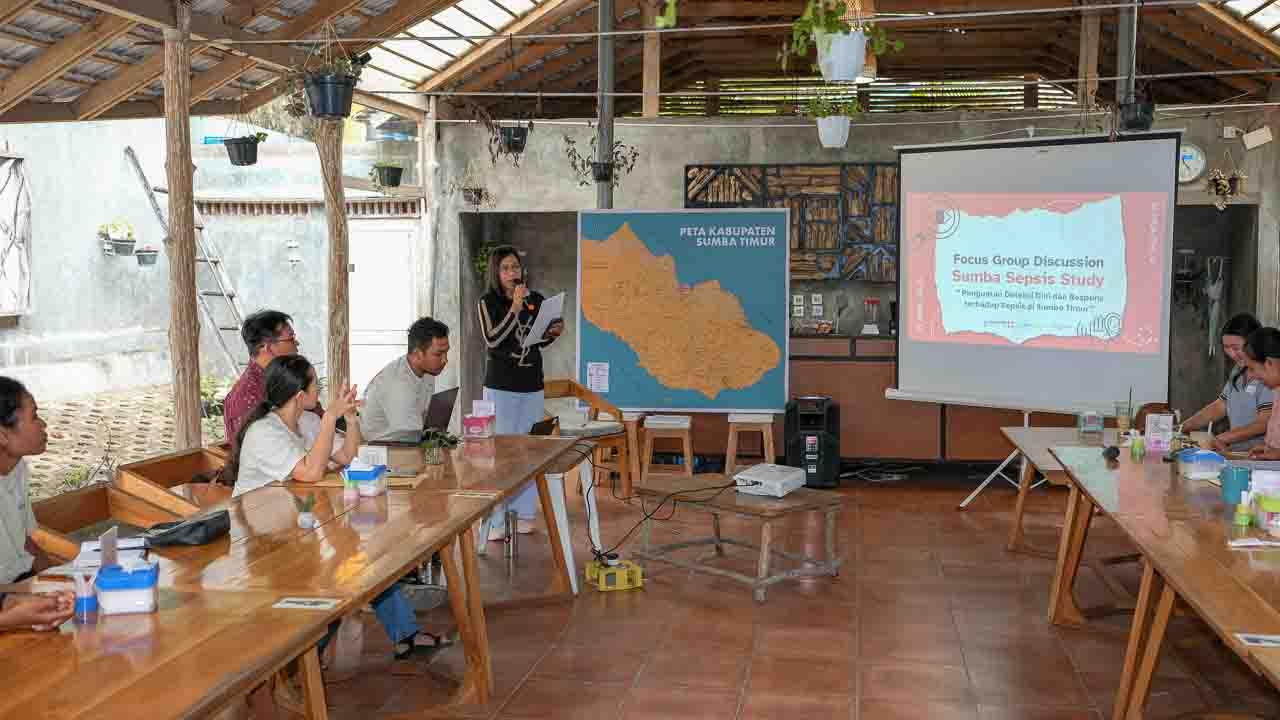
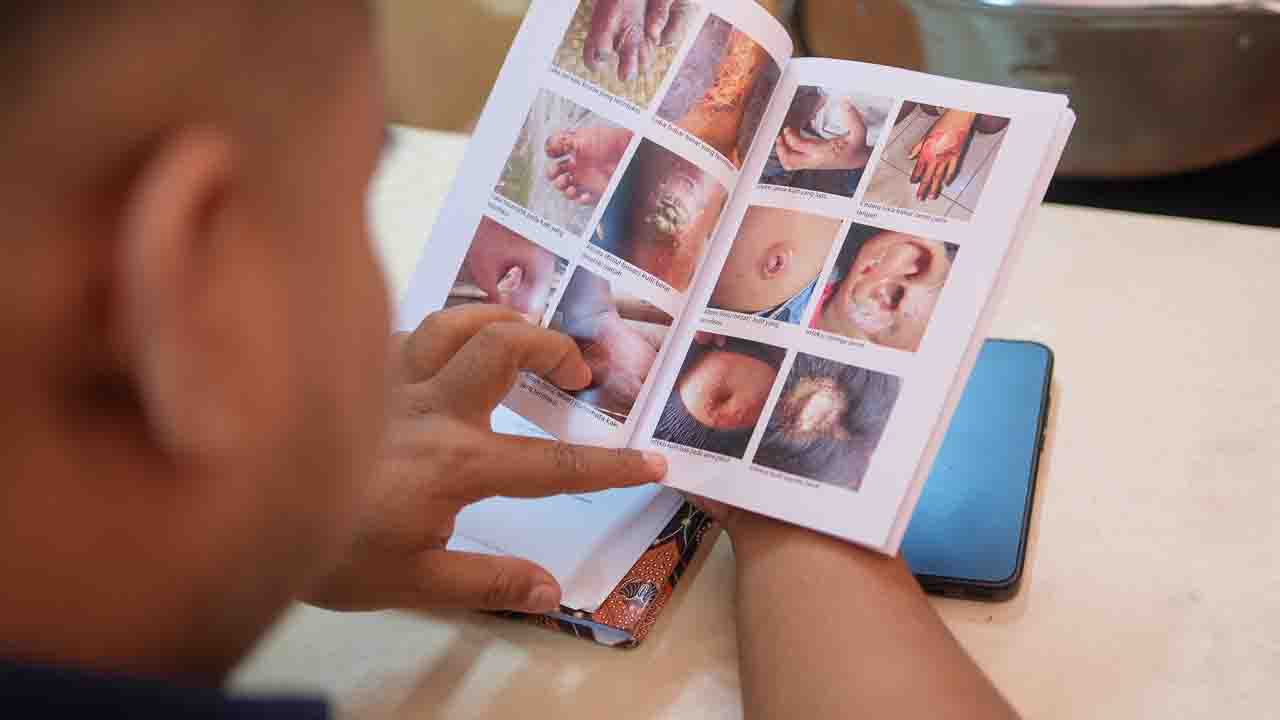
East Sumba sepsis study fieldwork and rural healthcare access
Elenco delle organizzazioni collegate con link
- Organizzazione Mondiale della Sanità: WHO defines sepsis, its major warning signs, and why prevention, early recognition and rapid treatment are essential to survival.
- World Sepsis Day: World Sepsis Day raises global awareness of sepsis and promotes earlier recognition, prevention, stronger health systems and timely care.
- Surviving Sepsis Campaign: The campaign provides international clinical guidance for recognising and treating sepsis and septic shock through evidence-based care.
- WHO and UNICEF Joint Monitoring Programme: The JMP monitors global water, sanitation and hygiene conditions, including household access to handwashing facilities with water and soap.
- STROBE Initiative: STROBE provides reporting guidance for observational research, supporting transparent presentation of methods, results, limitations and interpretation.