Passo al contenuto principale
Donare
Seleziona Pagina

I have written the following articles and content

Hello, my name is Alexandre Wettstein

The Fair Future Foundation in East Indonesia is dedicated to eradicating social and medical injustices by ensuring access to healthcare, clean water, and education for all.

Inventare dei giocattoli quando non ne hai

Inventare dei giocattoli quando non ne hai

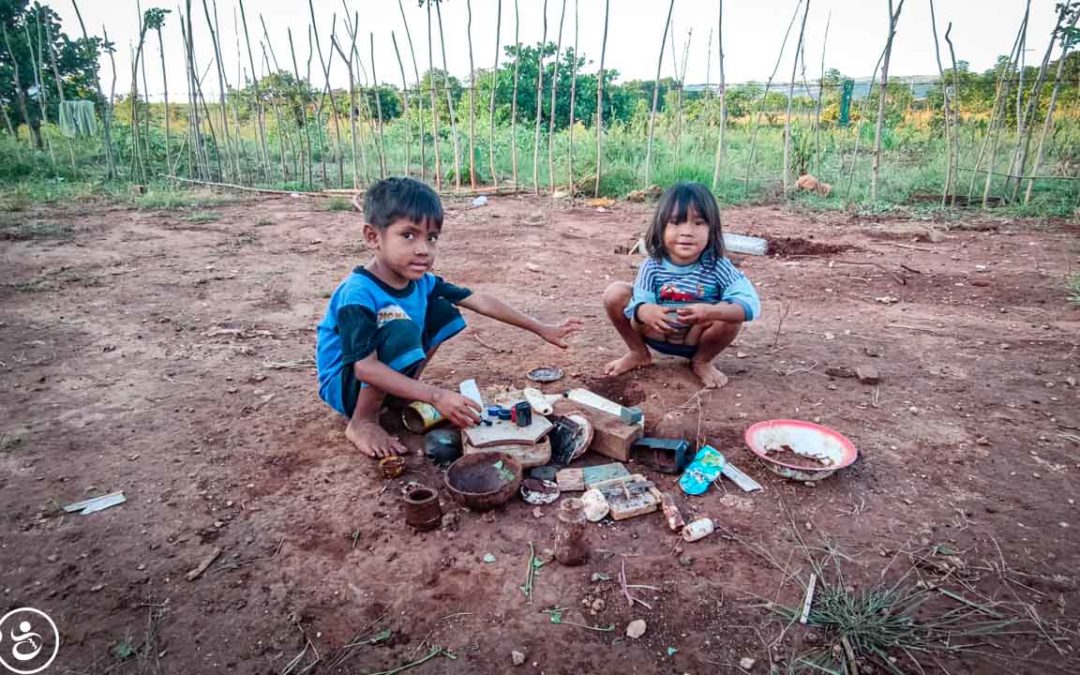
Questo "Immagine del giorno"  shows two children from Tanah Mbanas, Sumba Tengah, who have created a kitchen with waste from the plastic they found around their houses made of earth and bamboo. They are playing cooking. Here, families do not have access to water and even less to clean water.

Here in Sumba, in these ultra-rural villages, it is not uncommon for children of all ages to invent toys and games from natural materials or objects from waste or old. In these areas, children rely on their creativity and ingenuity to find new forms of play and have fun.

For example, children can make their toys from natural materials such as sticks, pebbles and leaves. They can use these materials to create games like building forts or playing "tag" with modified rules. Likewise, old items like cans, tires, or ropes can be repurposed to create new toys, like a toy truck, makeshift soccer ball, or swing.

These types of imaginative play experiences are very beneficial for the development of children. They encourage creativity, problem-solving and social interaction as children work together to develop new ideas and adapt the rules of their games. Additionally, playing in nature can provide opportunities for physical activity and exploration, positively affecting physical and mental health.

Leggi tutto
Primary Medical Care dedicato ai bambini

Primary Medical Care dedicato ai bambini

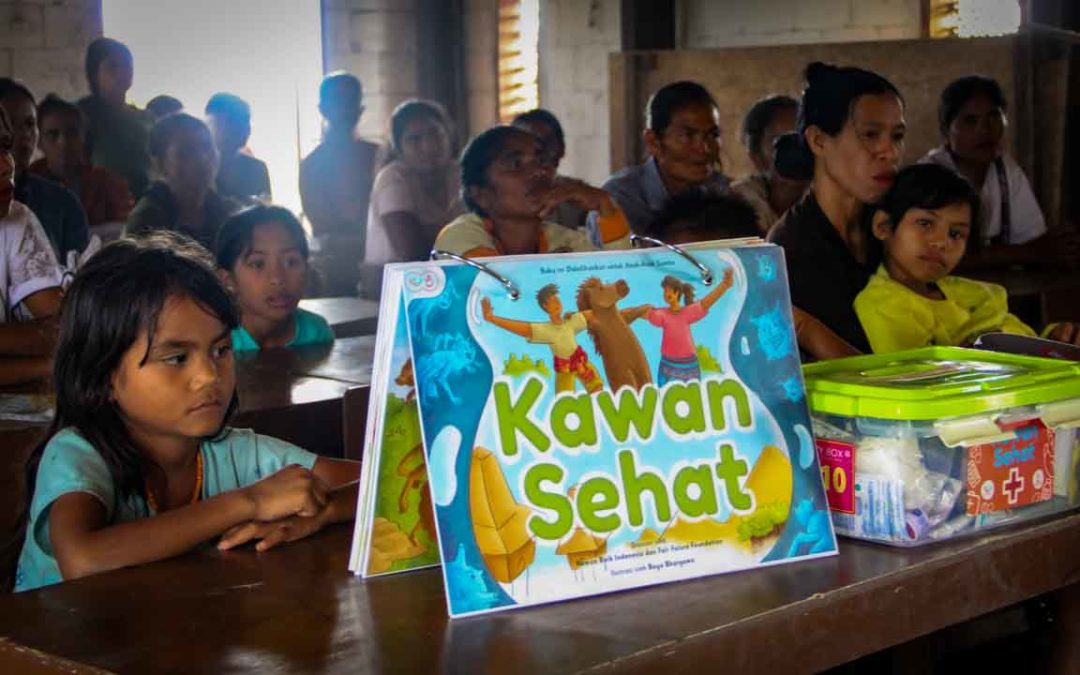
Questo "Immagine del giorno"  shows children who, thanks to the "Primary Medical Care" programme, learn to protect themselves against illness and injury through simple gestures and habits. Children in these regions do not have access to health centres, and no doctors are present in these villages (apart from those from the Fair Future and/or Kawan Baik Indonesia foundations). It makes prevention an essential component of their health and well-being. Children in ultra-rural areas can significantly reduce their risk of illness or injury by incorporating simple habits and actions into their daily routines. In addition, it is essential to make children and parents aware of the importance of these habits and gestures so that they become part of their daily lives.

Giving primary medical care is not insignificant. It usually is doctors and nurses who do this. This is what makes this program unique in terms of innovation. Those who provide care, life-saving drugs and cures for Malaria, for example, are the teachers of this isolated village in eastern Indonesia. Therefore, for us here on site, it is essential to assess the impact and effectiveness of this program regularly. We carry out surveys, and we meet to collect medical data. We, therefore, highlight the areas where we can make the necessary changes. If this primary medical care program is a huge success, it is because it involves the communities in the various planning and implementation processes.

Teachers and parents of ill or injured children provide us with essential information. This 100% medical emergency program is in the process of success. It requires multiple collaborations, adequate ongoing training, sharing of supported cases and regular evaluation to ensure its safety, effectiveness and sustainability.

Leggi tutto
La malnutrizione sta avendo il suo effetto anche qui, dove siamo

La malnutrizione sta avendo il suo effetto anche qui, dove siamo

Questo "Immagine del giorno" shows children in East Sumba, where we are at work, as I post this Photo of the Day. Fair Future and Kawan Baik teams, as part of the #kawansehat #primarymedicalcare and #waterconnections projects, cook for children in the most rural and poor areas. In this image, some are drinking strawberry milk for the first time. They had never seen a straw before, and I remember all the kids asking us how to drink that kind of drink. We had to show them and help them plant the straw in the milk carton.

Malnutrition is an endemic problem here in all the rural villages of East Sumba. It is also the region with the highest rate of malnourished children in Indonesia. Here, clean water is absent from the houses, and the consumption of unclean water generates health problems and serious illnesses. And to cook, drink, and wash, you need water. And in order not to get sick, you also need water. Food production cannot occur without water, and families do not have enough income to buy food, rice and vegetables. On average, they live with less than two litres of water per person per day for everything: cooking, eating, drinking, drinking, bathing, going to the toilet and doing laundry. Have you ever tried?

Most children here are underweight and malnourished because they cannot eat enough. Meal frequency is one meal per day. Young children may be able to eat twice if all goes well. The menu will consist of rice and corn because more than rice alone is needed. In East Sumba, a kilo of rice costs three times more than in Java or Bali. Only a little salt and peppers accompany the meal to give flavour and taste.

Leggi tutto
Per la prima volta nella nostra vita abbiamo un bagno!

Per la prima volta nella nostra vita abbiamo un bagno!

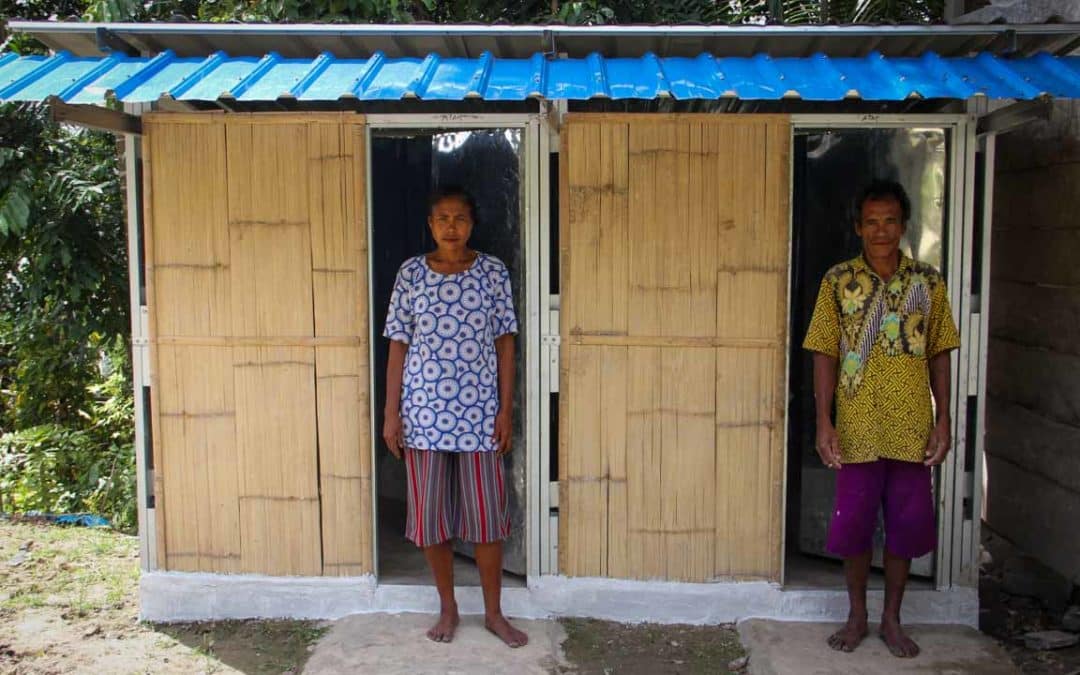
Questo "Immagine del giorno" shows you an adorable couple from East Sumba, the village of #mbinudita -who are not used to being photographed-. Beneficiaries of the #waterconnections program who have had access to toilets at home for a few hours. But not only toilets: They can shower there, wash their clothes, and create a vegetable garden. And most importantly, eat and drink healthily. No more getting sick from the water. No more spending hours on the paths to fetch a few litres of dirty water.

East Sumba is one of the regions in the world with the highest rate of malnourished children. Infant mortality due to lack of clean water and toilets is staggering. Our medical teams still spend much of their time giving medical treatment and medicine to people and children who don't have clean water to swallow. Or how to treat a child who suffers from diarrhoea by giving him tablets that he will have to drink with inedible water, the source of his illness? Say to cook the water? It has no wood; frankly, when you're thirsty, you drink what's there.

But here, things have changed dramatically. Over thirty healthy sanitation facilities and over forty clean water tanks have been built for these almost 280 #rebuildmbinudita families. Every week we see new vegetable gardens created, many more children going to school, including young girls, and more mothers looking after their families instead of walking for hours to fetch five litres of dirty water.

Leggi tutto
Quando rimane solo acqua sporca da cercare di sopravvivere

Quando rimane solo acqua sporca da cercare di sopravvivere

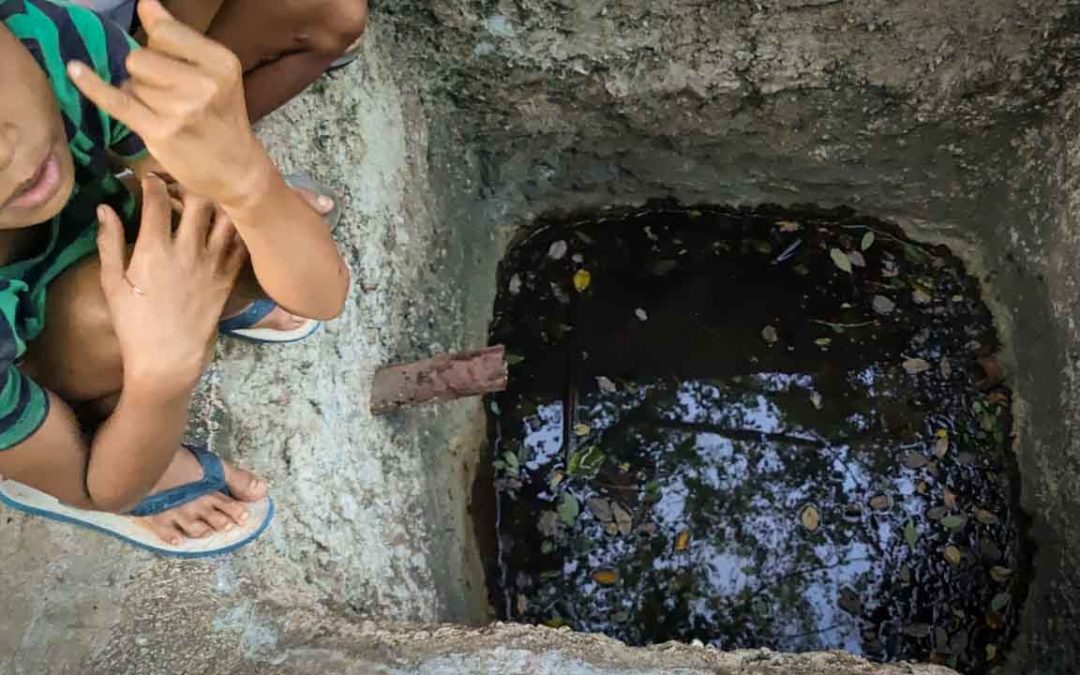
Questo "Immagine del giorno"Si vede che alcuni bambini guardano un po" delusi il bordo del pozzo, che non contiene acqua. Rimane solo 30-50 centimetri d'acqua. Questo liquido è nero e sporco e sicuramente li farà ammalare. Ma lo porteranno via perché, come mi dicono spesso i contadini: "Quando hai sete, non hai tempo di bollire l'acqua o di trovare acqua pulita. Hai sete, quindi bevi quello che c'è...".

L'acqua pulita guarisce le persone, migliora la salute delle famiglie e riduce le malattie. L'acqua è il miglior farmaco al mondo.

Qui Laindatang, nella comunità, i suoi abitanti e le famiglie hanno sempre massimizzato l’utilizzo dell’acqua piovana per cucinare, mangiare e bere. Il lavaggio e la lavatrice vengono effettuati contemporaneamente: le persone si lavano i corpi con detergenti direttamente presso la fonte dell’acqua. In concomitanza con la mancanza di acqua, i residenti lavano i propri corpi solo una volta al mese – con le conseguenti conseguenze per la salute – o, nel migliore dei casi, ogni due settimane.

Va notato che queste famiglie non hanno mai avuto servizi igienici. Le urla e le feci vengono fatte dietro un albero, con tutti i problemi di salute che ne conseguono. Per le donne in menopausa, la mancanza di acqua rende questo periodo molto complicato.

Una emergenza sanitaria: Vi invitiamo a sostenere il programma urgente nel villaggio di Laindatang, In East Sumba, ciò si realizza fornendo l’acqua il più rapidamente possibile tramite un pozzo profondo, due impianti igienici funzionanti e due/tre serbatoi d’acqua da 6.750 litri per queste centinaia di persone. Cliccate sul pulsante qui sotto.

Leggi tutto
I bambini di qui devono andare a prendere l'acqua già a partire dai cinque anni!

I bambini di qui devono andare a prendere l'acqua già a partire dai cinque anni!

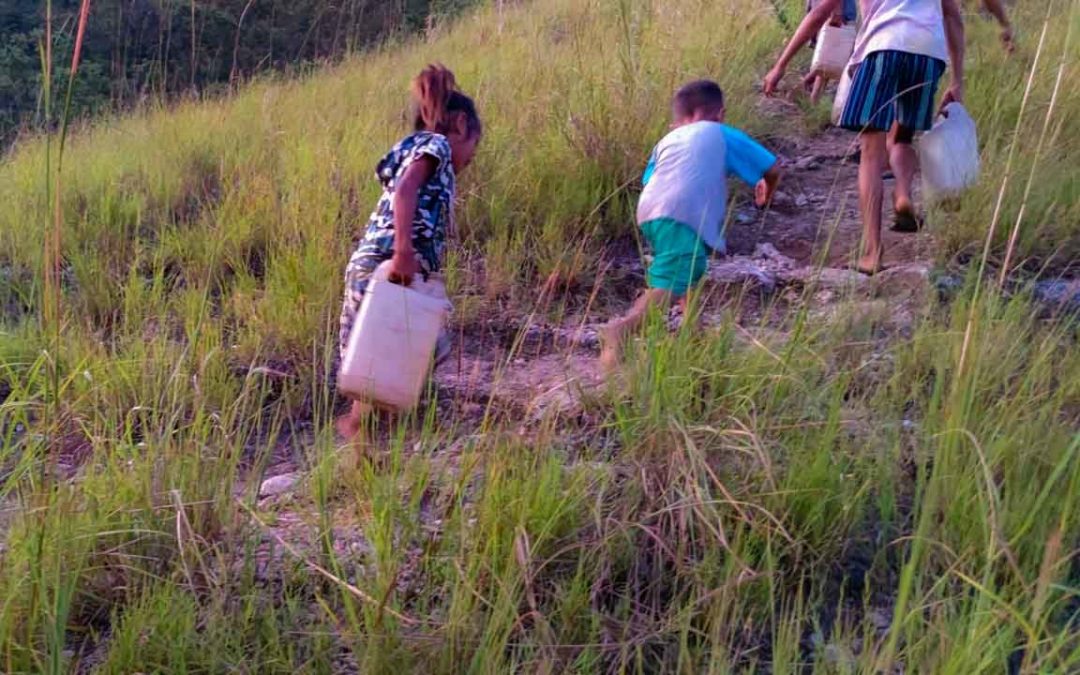
Questo "Immagine del giorno" shows you a five-year-old girl who, twice a day, descends the hill, steep and stony, without shoes to fetch water. She runs to go to the source, 500m away. Sometimes she falls, hurts herself, and comes back up with difficulty carrying a 5-litre jerrycan of not-so-clean water, which she and her friends have been looking for at the source.

In this village, like in many others here, people can only wash once a month, are all sick and don't have enough to eat and drink. Without access to this clean water, families – especially children – suffer from severe malnutrition, chronic respiratory and joint diseases and other illnesses linked to the consumption of dirty acqua and the absence of sanitation facilities. The fight against malaria, dengue fever and infectious diarrhoea also requires access to clean water and healthy water tanks. And to water that does not stagnate but circulates between the installations.

As we have already said, East Sumba is the poorest province in Southeast Asia, the region with the highest child malnutrition and associated mortality. Fait Future, therefore, wishes to act for these hundreds of people and give them access to clean and healthy water for their health.

Leggi tutto
East Sumba, un villaggio senza acqua pulita!

East Sumba, un villaggio senza acqua pulita!

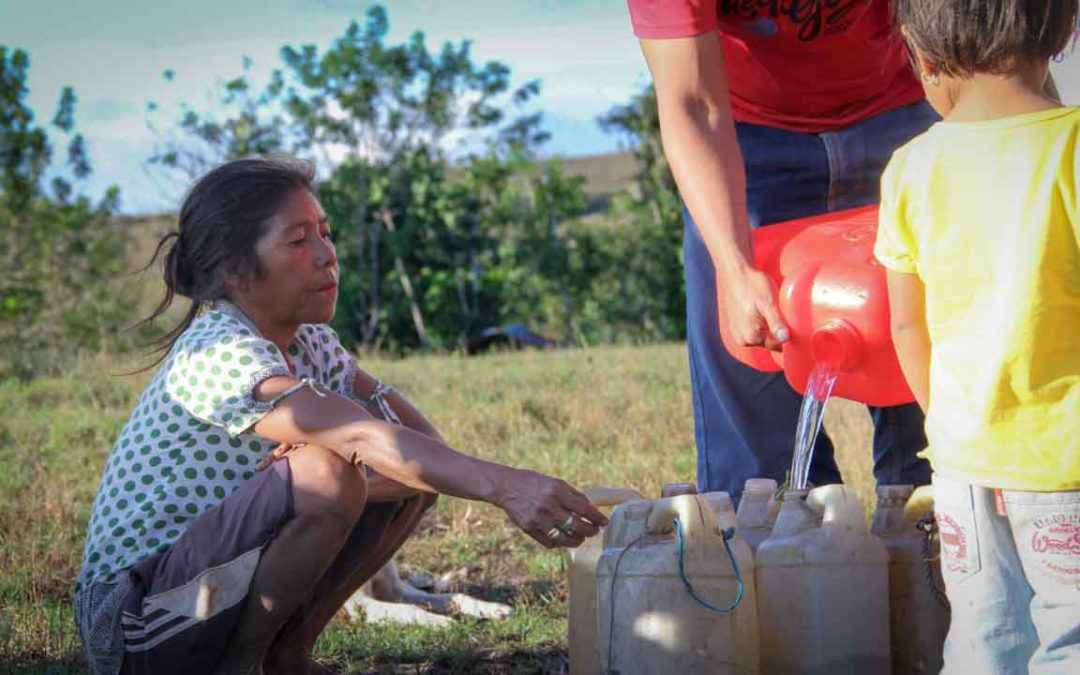
Questo "Immagine del giorno" mostra una donna entusiasta perché l'ultima volta che siamo stati qui "Water Connections – Laindatang" Sito del progetto, abbiamo portato – grazie ai Truck of Life – diversi bidoni di plastica pieni di acqua potabile, circa un centinaio di litri. Quindi tutti si stanno affrettando a prendere un po’ di acqua. Abbiamo condiviso questa acqua con i villagigiani.

Il Water Connections progetto, Laindatang Sito, è una località per la quale cerchiamo anche noi aiuto. Laindatang È un villaggio senza acqua potabile. La gente si lava solo una volta al mese, sono malati e non hanno abbastanza da mangiare e bere. Tutti i bambini sono sottopeso, così come gli adulti. Dobbiamo intervenire per questi centinaia di persone e dar loro accesso all’acqua potabile. Il progetto consiste nel scavare un pozzo profondo, costruire strutture igieniche sane e due serbatoi per l’acqua pulita, di tipo ferro-cemento, con una capacità di 6.500 litri ciascuno.

Qui Malaria, La febbre da Dengue e la diarrea infettiva legate ai problemi dell’acqua contaminata stanno causando gravi disagi. Dopo aver effettuato gli studi di fattibilità, siamo ora pronti a realizzare questo progetto questo mese. Infatti, siamo già sul posto e vorremmo iniziare questo progetto necessario per le centinaia di persone che soffrono di carenza d’acqua nella regione.

Leggi tutto