|
In the End, They Live Very Well
👋 Hello, this is Alex. How are you?
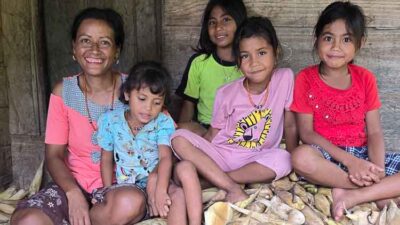
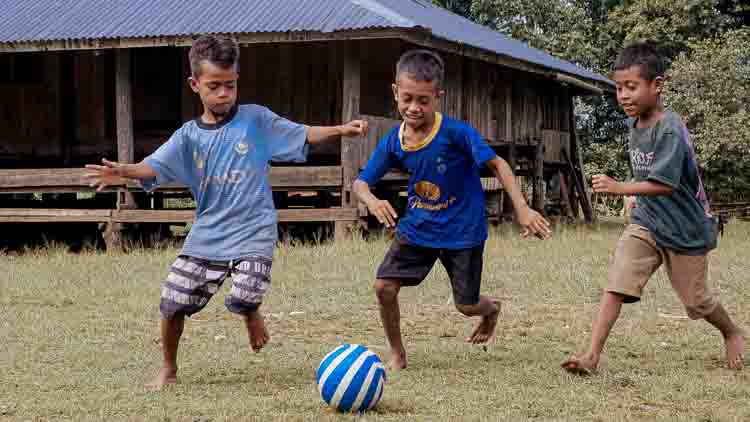
After a consultation, a malaria test, or a health information session in a village without proper roads, without electricity or water at home, I sometimes stay with the families for a few minutes, sometimes for hours. Children play, someone prepares a meal, and we talk about the rain or the harvest. At first glance, they live very well. They do not compare their daily life to ours. They do not speak about comfort or lack. They live with what they have, with a quiet strength and a dignity that, honestly, commands respect.
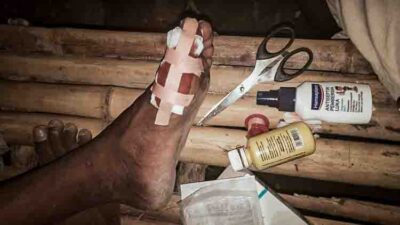
But if you look deeper, the reality is more fragile. They live well on the surface. Beneath that, everything depends on very little. An untreated infection can become severe. A fever can escalate without timely treatment. A contaminated water source can make an entire family ill. The problem is not the absence of modernity. The problem is the absence of access. Access to early care. Access to clean water. Access to clear information. Access to basic infrastructure that truly functions.
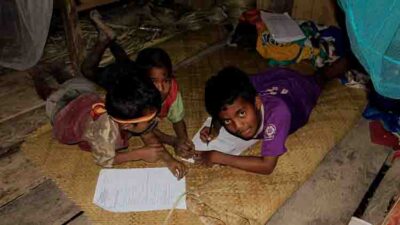 There is something else they often tell us: the fatigue of broken promises. Toilets that were announced but never installed. A bridge that was scheduled for repair. A road intended to provide access. A programme intended to change daily life. Speeches pass. Reality remains. This silent disappointment runs deep. It erodes trust. It creates resignation. So when we arrive at work with them, not to promise but to build, they observe first. Then they engage. There is something else they often tell us: the fatigue of broken promises. Toilets that were announced but never installed. A bridge that was scheduled for repair. A road intended to provide access. A programme intended to change daily life. Speeches pass. Reality remains. This silent disappointment runs deep. It erodes trust. It creates resignation. So when we arrive at work with them, not to promise but to build, they observe first. Then they engage.
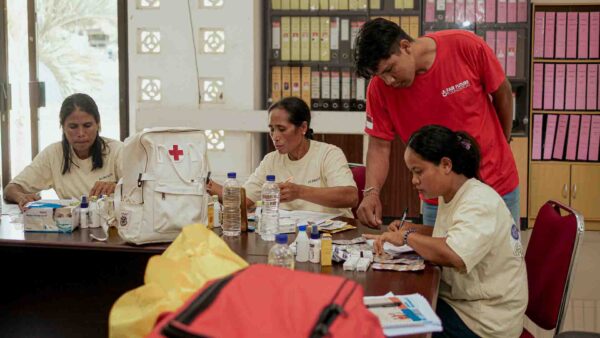
This is why we do things differently. Through our Primary Medical Care programme, our trained and equipped Kawan Sehat health agents consult nearly one thousand patients each month. They come from these villages. They treat early, prevent complications, and explain the process. We review cases together, adjust protocols, and strengthen skills. Knowledge brings stability. It also restores confidence.
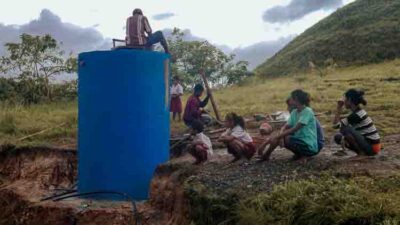 For example, when we build a water reservoir, we build it with them. They carry materials, learn the technique, and understand the system. Many have later reproduced these installations themselves, pooling resources and saving together. It is not spectacular. It is concrete. At each construction site, we discuss hygiene, nutrition, and prevention. We eat together. We live together. We laugh a lot. Health is not just treatment. It is a culture built collectively. For example, when we build a water reservoir, we build it with them. They carry materials, learn the technique, and understand the system. Many have later reproduced these installations themselves, pooling resources and saving together. It is not spectacular. It is concrete. At each construction site, we discuss hygiene, nutrition, and prevention. We eat together. We live together. We laugh a lot. Health is not just treatment. It is a culture built collectively.
In the end, they live very well on the surface. But they should not live under the constant threat of preventable complications, nor under the weight of promises never fulfilled. Our role is not to transform their way of life. It is to secure what is essential and correct avoidable injustice. To allow a wound to remain just a wound. To prevent a pregnancy from becoming a tragedy. To let trust return, little by little, not through words, but through visible and lasting action.
Alex, for Fair Future – Friday, February 20, 2026 |

 💡Tuberculosis, polio, leprosy, sepsis.