


Keeping village care within reach in East Sumba
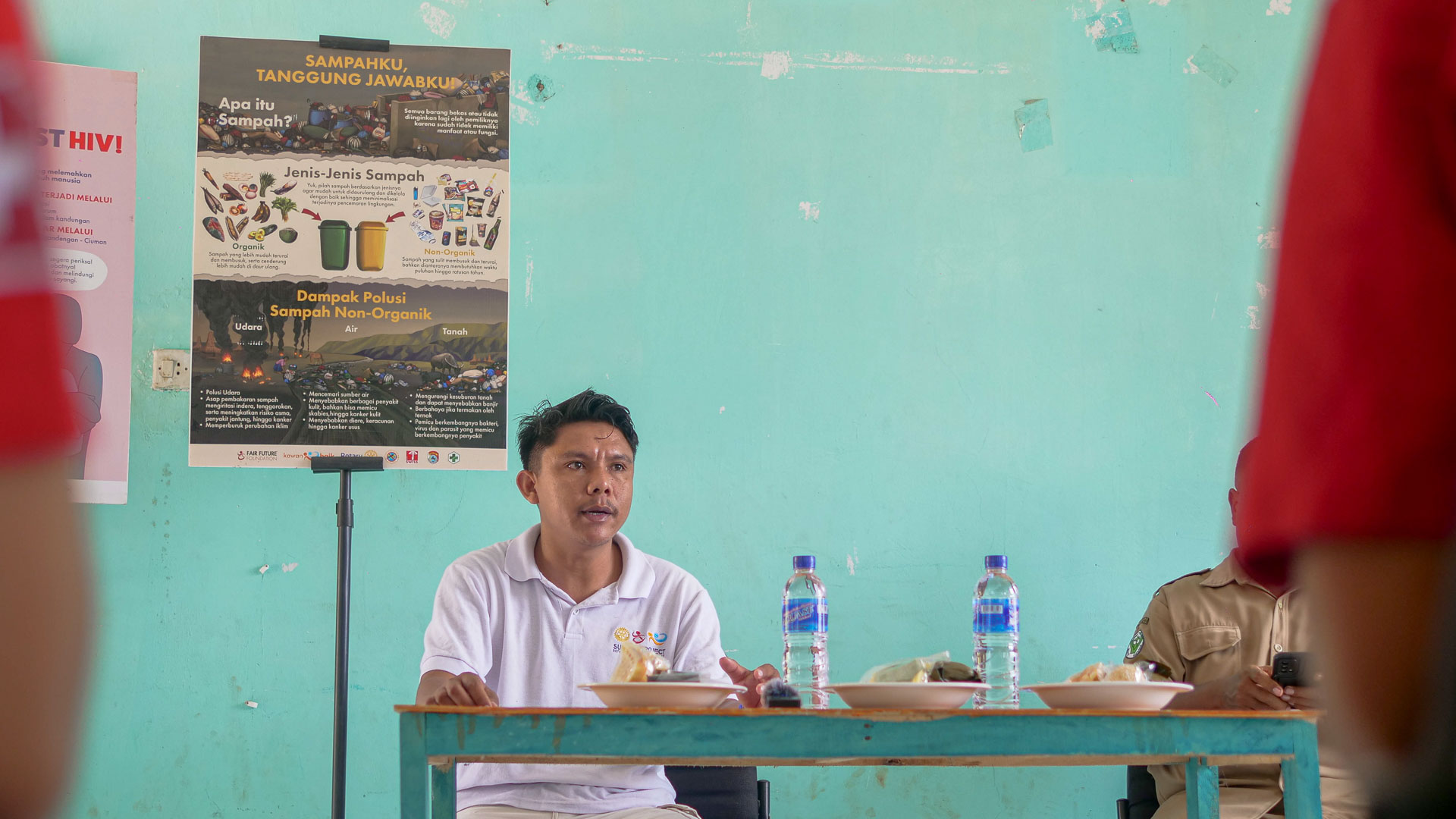
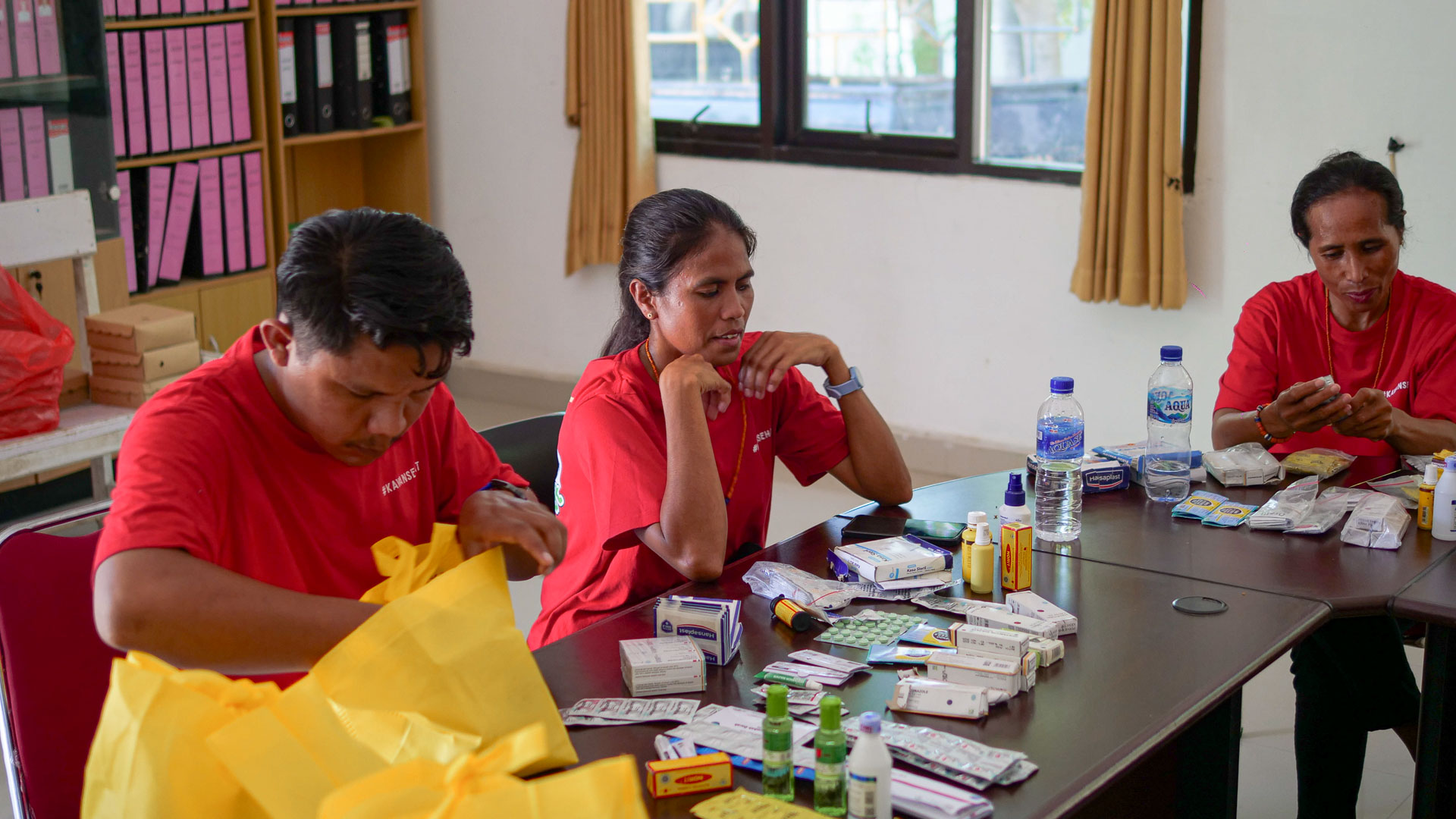
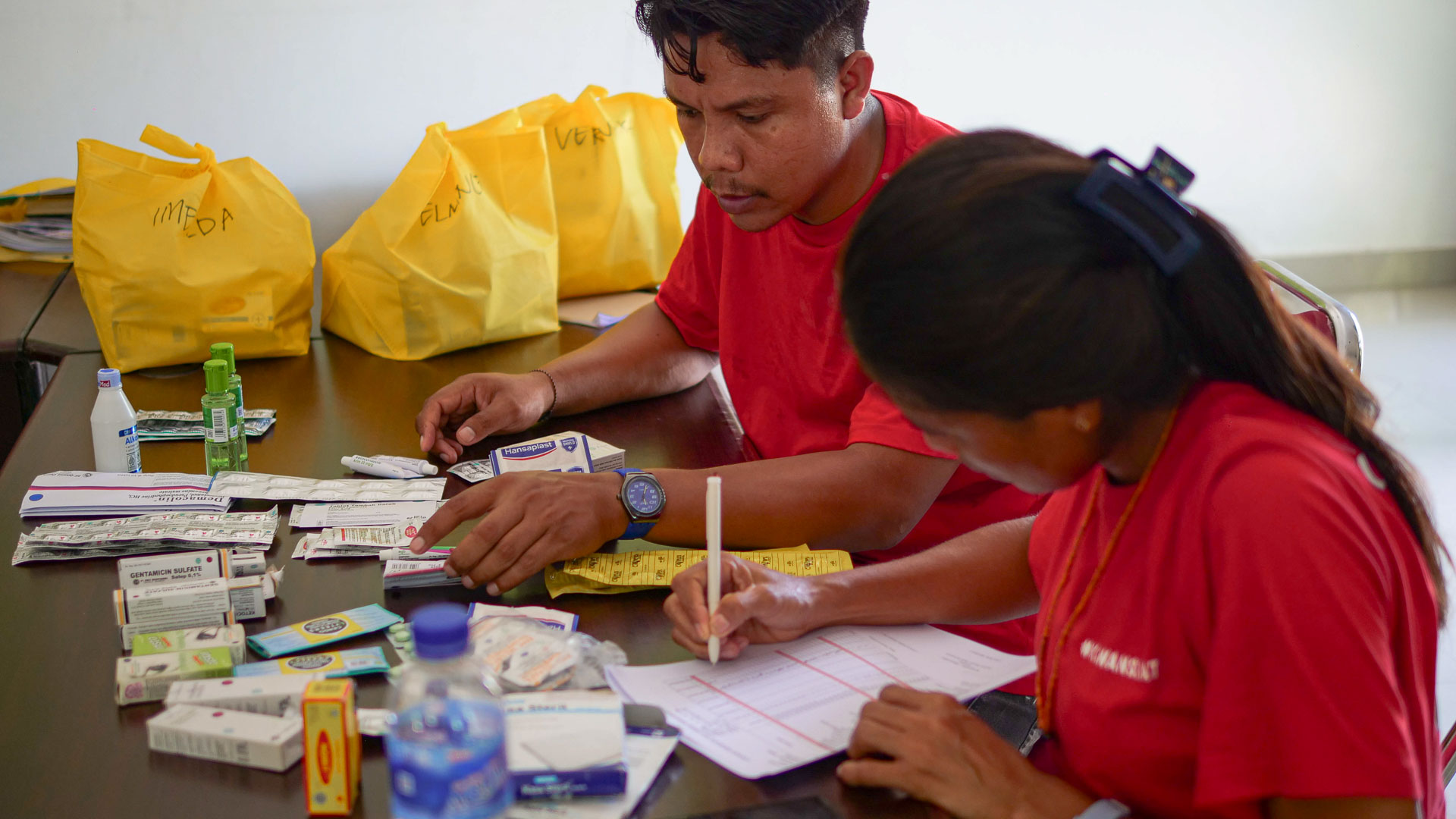
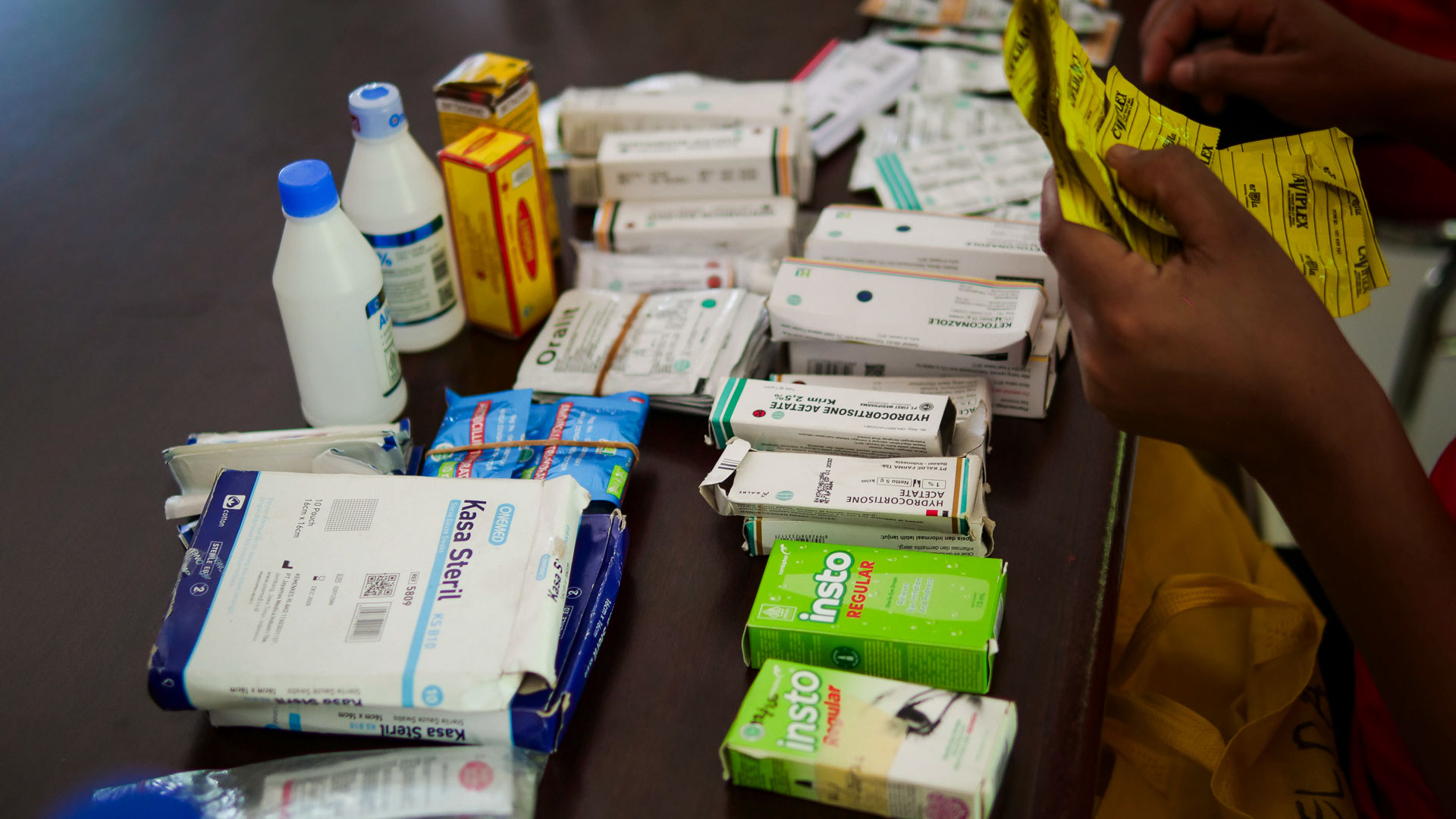
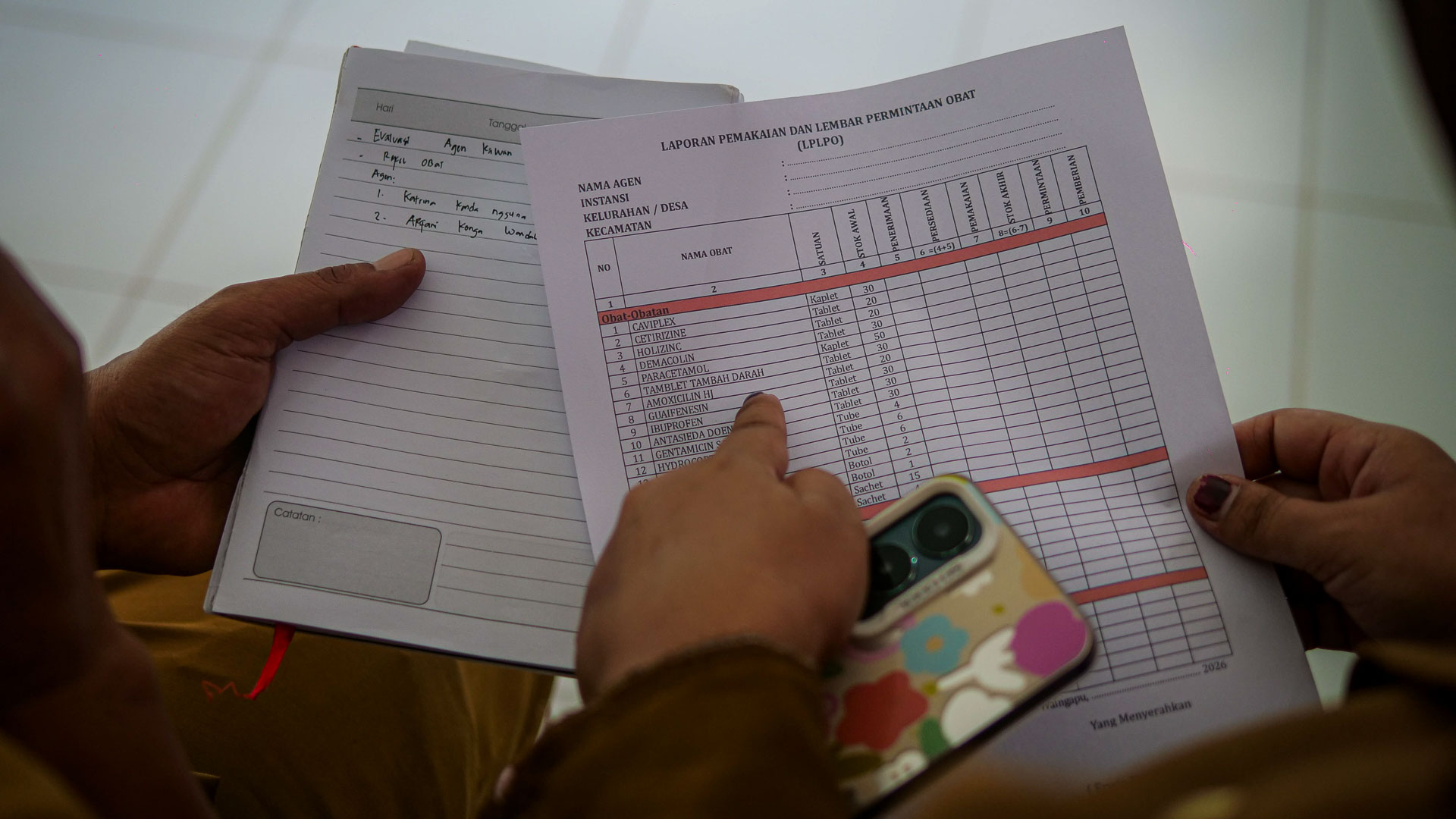
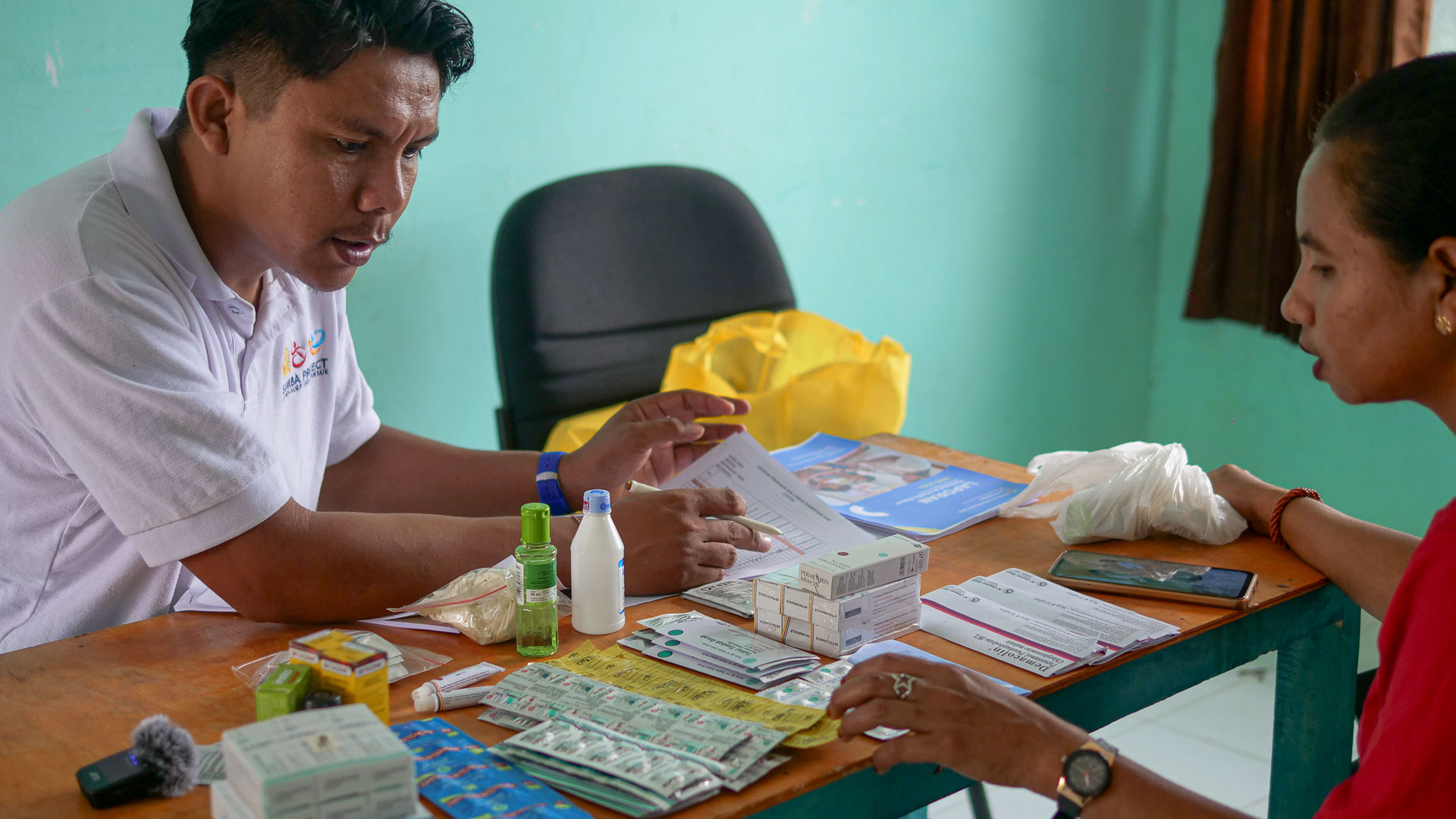
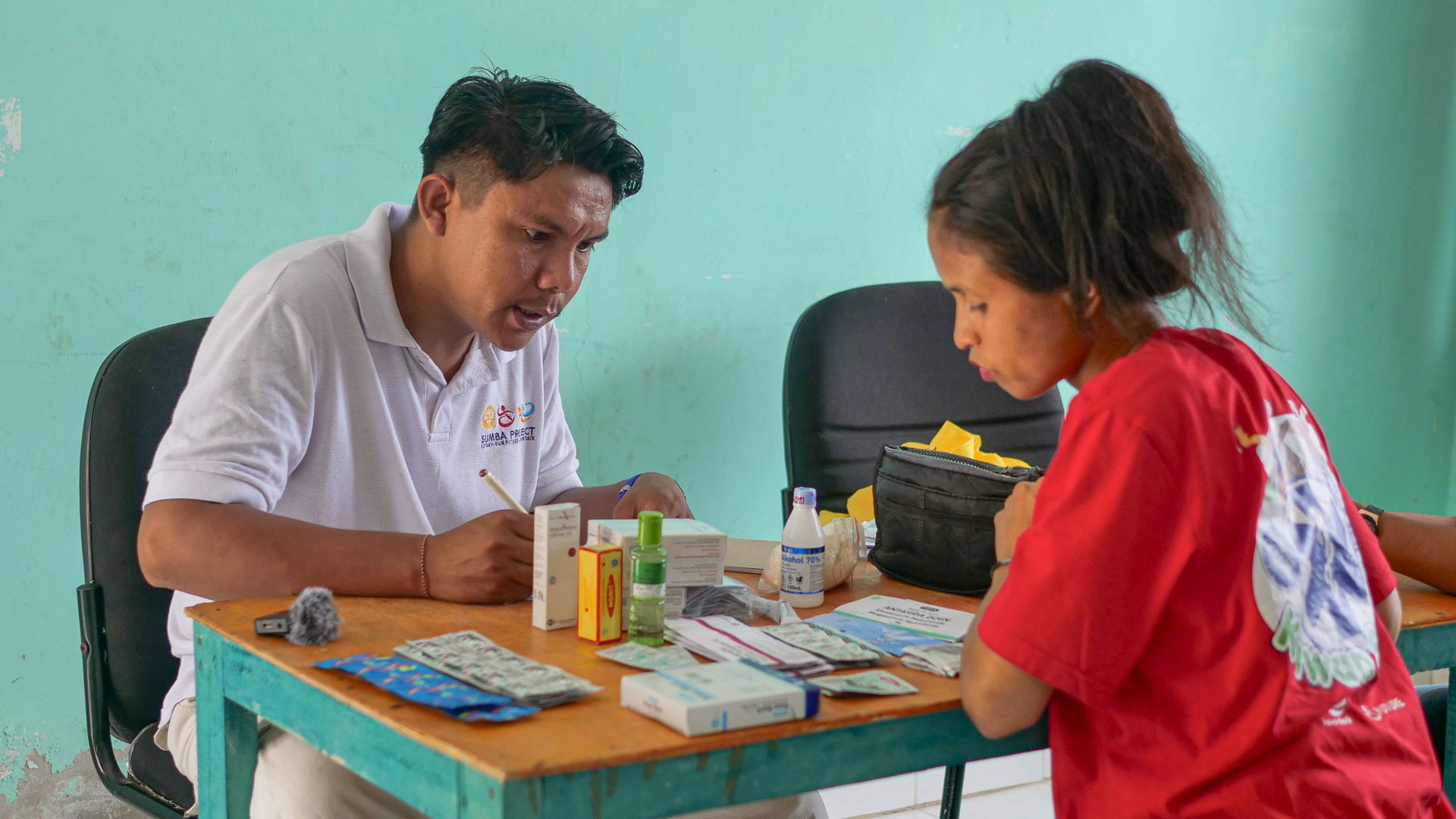
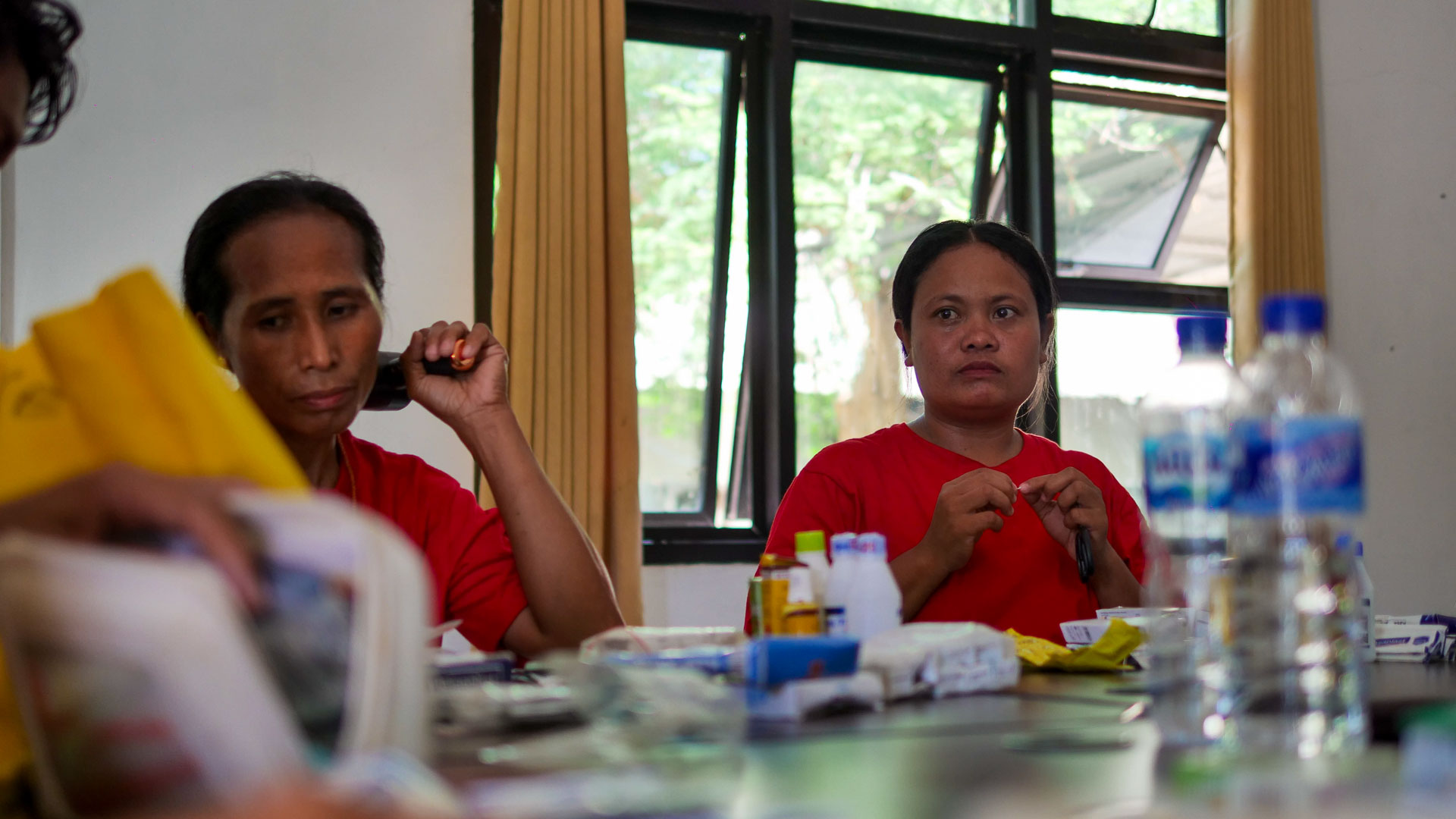
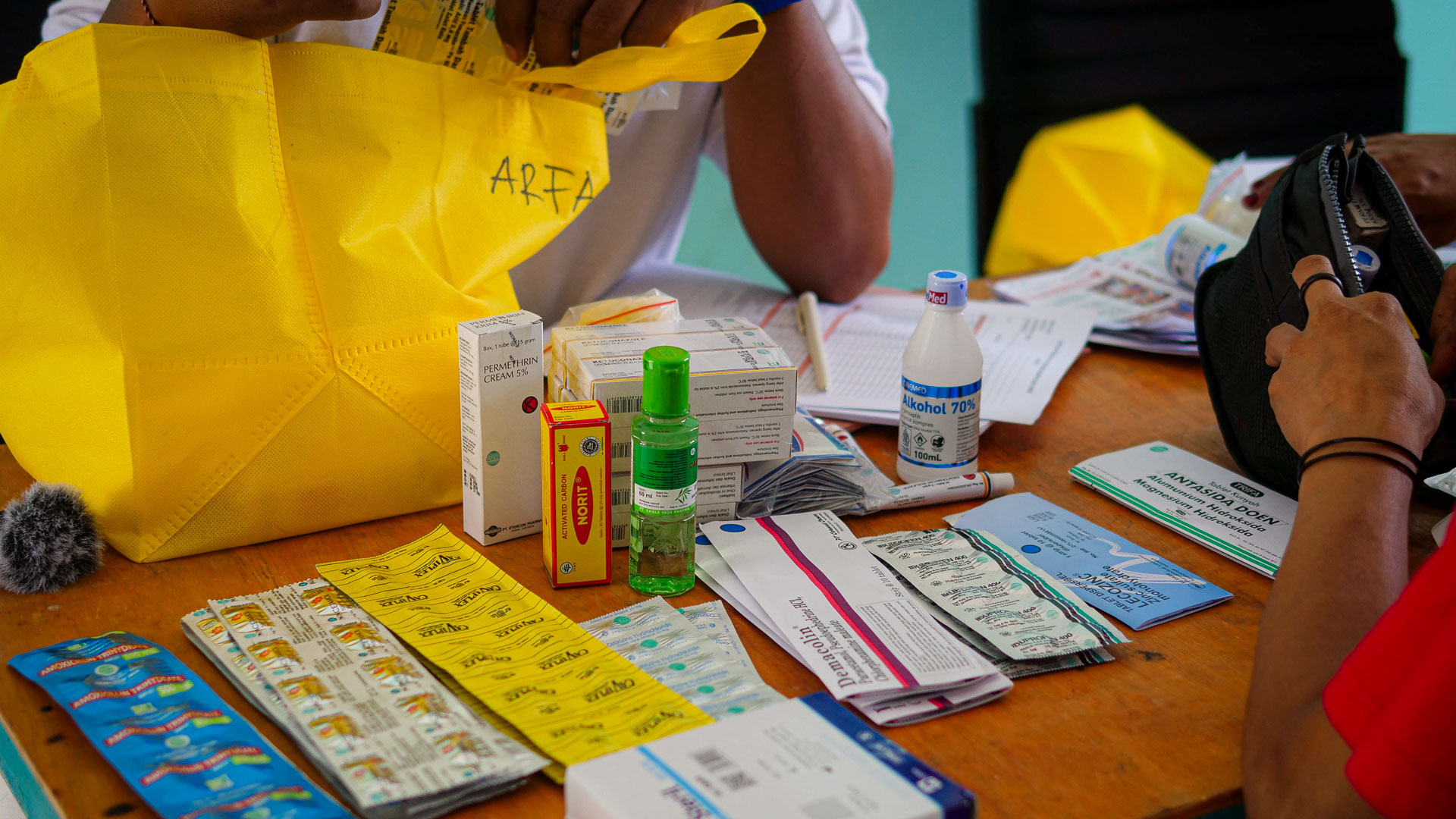
This week, we are replenishing Kawan Sehat medicine stocks across East Sumba. Over two long days at Puskesmas Kawangu and Kataka, we met village health agents with Erwin, our Primary Medical Care coordinator. Alongside fresh supplies, we introduced new health education cards and reviewed the difficult cases agents encounter far from formal care.
Medicines and a stronger connection to care
We leave early and generally return very late in the afternoon. Some journeys require an overnight stay because distance and difficult access make returning impossible. For a sick person, those same barriers can delay essential care. Reliable medicine supplies help keep first-contact care available. Through our Primary Medical Care programma, replenishment connects medicines with training, supervision, records and referral. Agents need both appropriate supplies and someone to turn to when a case exceeds their skills.
Puskesmas are Indonesia’s public primary health centres. On the morning of 4 November, a manager at Puskesmas Kawangu told us the centre had no antimalarial treatments or malaria rapid diagnostic tests (RDTs). Antibiotics and other medicines were also extremely scarce, the manager said. This comes after months of medicine shortages. Fair Future supplies medicines to the centre as well as to village agents. These supplies are vital to keeping care available. We also review the Kawan Sehat application, shared records and complex cases with Puskesmas teams, so village observations can lead to safer decisions and timely referral.
Health education and safer burn first aid
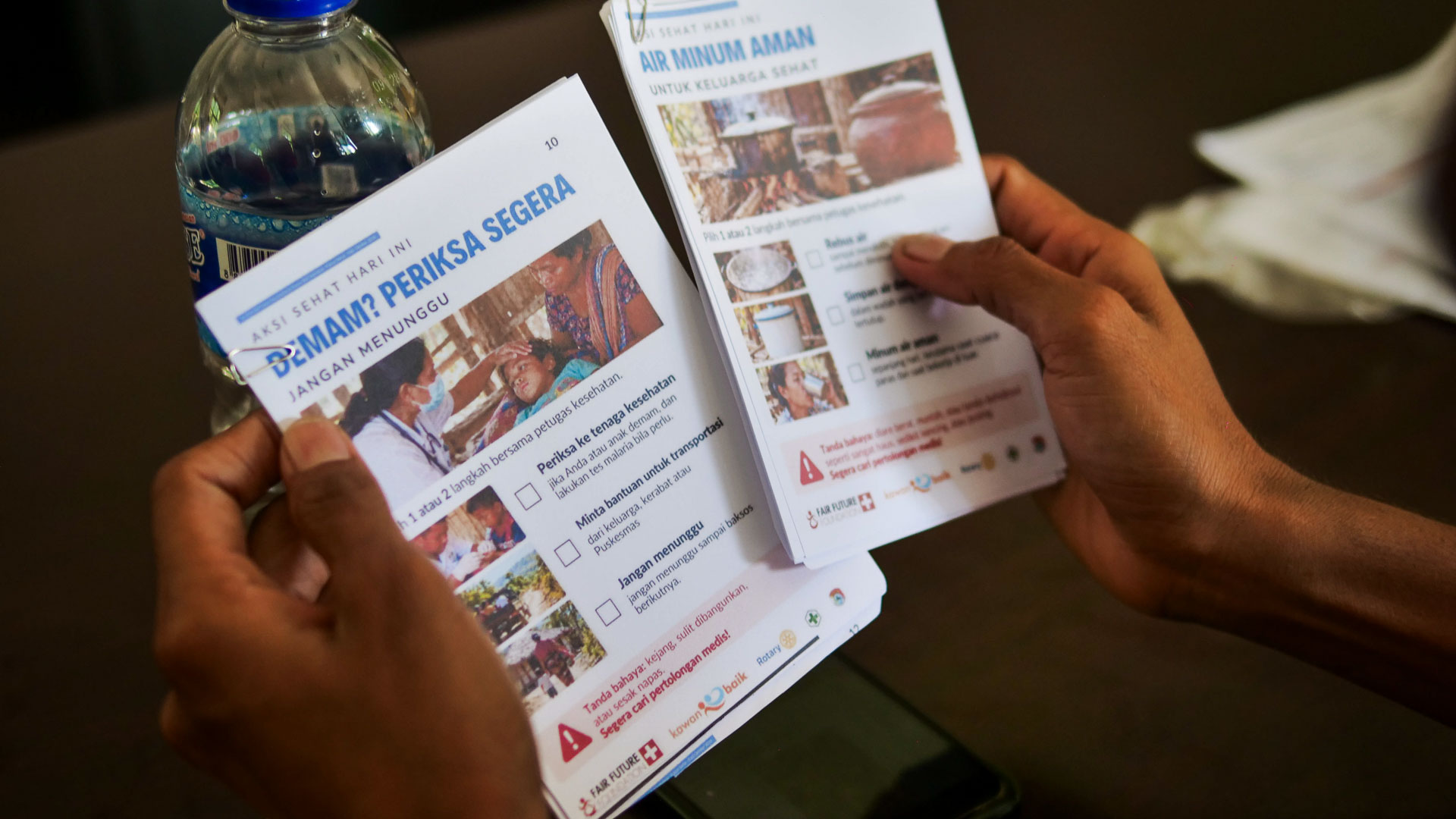
The new cards shown in these photographs address malaria prevention, fever and when to seek care, and safe drinking water. They support conversations about actions families can take at home. Advice needs to be understandable and practical, taking account of the water, clean materials and help a household can actually access. During case discussions, we heard about hot-water burns, including injuries in children, to which villagers had applied used motor oil. Some were described as second- or third-degree burns. These accounts do not establish how widespread the practice is.
Used motor oil has no place in burn first aid. Guida dell'OMS advises against oils, ice and other household substances. After making the scene safe, cool a thermal burn with cool running water, keep the rest of the person warm and cover the injury with a clean, non-adherent dressing. Do not pull away stuck clothing or break blisters. Deep, extensive or other serious burns need urgent medical assessment. First aid must never delay referral. Explaining this without shaming families helps keep the conversation open and makes safer care possible.
The agents are the heart of this programme. They listen, provide care within their training, explain prevention and follow up with neighbours who may otherwise have no realistic access to nearby help. Their work can be life-saving. Supporting their commitment means keeping medicines available, maintaining clinical support and strengthening their connection with the Puskesmas. When our team returns from a long field day, the agents remain with their communities. The care continues there.
Medicines, knowledge and a stronger connection to care
This week, Kawan Sehat agents received fresh medicine supplies and new health education cards at Puskesmas Kawangu and Kataka. Alongside the teams, we reviewed complex cases, including severe scalds treated with used motor oil. These long field days support safer first-contact care, practical prevention and referral in remote villages across East Sumba.
Kawan Sehat: replenishing medical kits and strengthening daily care
Elenco delle organizzazioni collegate con link
- Conosciamo gli agenti Kawan Sehat sanitari: Meet the community members who bring first-contact care, prevention and follow-up closer to families in remote villages across East Sumba.
- Primary Medical Care: Explore how medicines, supervision, patient records and referral support connect village-level care with the wider health system in East Sumba.
- The Kawan Sehat programme: Understand the training, equipment, clinical boundaries and ongoing support behind the agents’ work inside their own remote communities.
- WHO guidance on burns and first aid: Read WHO guidance on safe burn first aid, harmful household applications, urgent medical assessment and the importance of prevention and care.
- WHO guidance on community health worker programmes: See WHO’s guidance on training, supporting and integrating community health workers within health services and the communities they serve.
