


Argomenti relativi alla salute
HIV e AIDS
Understanding HIV and AIDS, recognising when to seek care, and making prevention, testing and lasting treatment accessible to everyone.
La revisione clinica della traduzione è in corso. La revisione nella lingua di origine non approva questa traduzione.
Quando la cura non può aspettare
After a possible exposure to HIV, seek medical care immediately. Post-exposure prophylaxis, or PEP, works best when started as soon as possible and must begin within 72 hours. This can include a condom breaking, shared injecting equipment, a needlestick injury or sexual assault. Ask an emergency department or health centre for urgent assessment, even if you are unsure of the risk. Act before symptoms appear.
If you are seriously unwell, with severe breathing difficulty, confusion, seizures or a severe headache with neck stiffness, seek emergency care. Contact the nearest available emergency service.
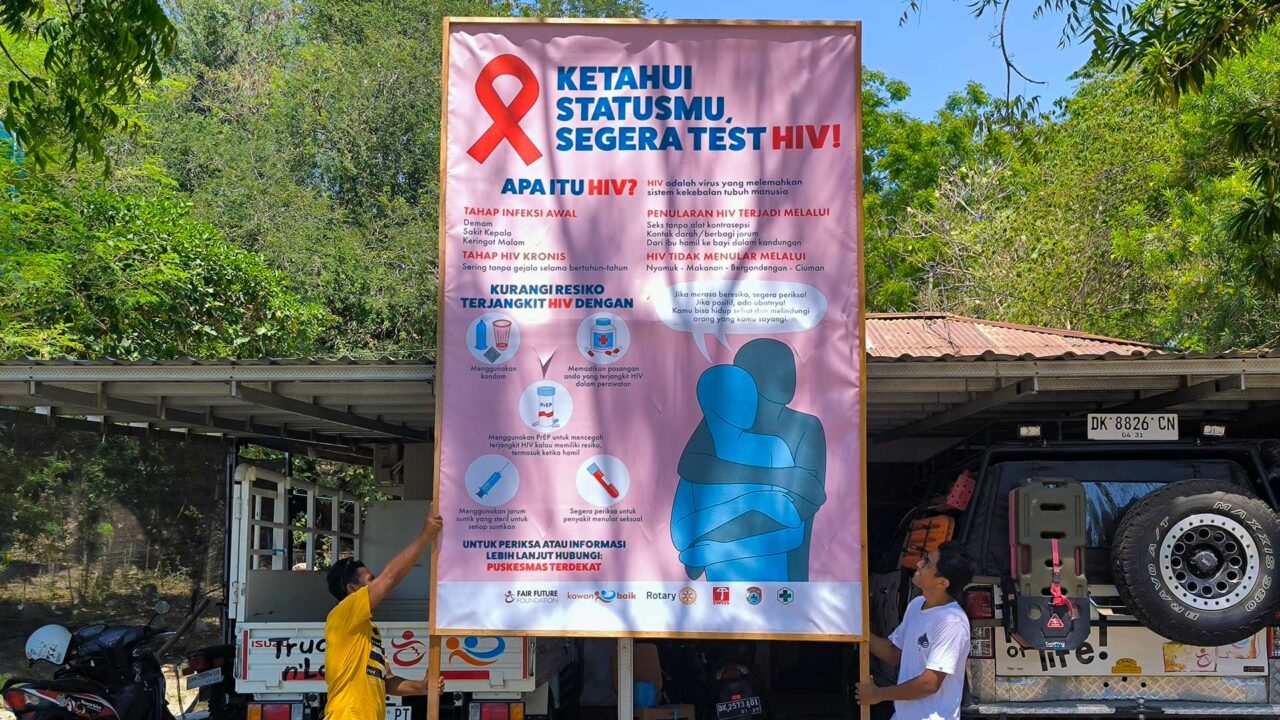
Understanding HIV and AIDS
HIV means human immunodeficiency virus. It attacks the immune system, including the CD4 cells that help the body defend itself. Without effective treatment, this damage makes infections and some cancers more likely.
AIDS means acquired immunodeficiency syndrome. It is the most advanced stage of HIV infection, when the immune system is badly damaged and certain serious illnesses can develop. A person can live with HIV without having AIDS. Effective treatment can prevent progression to AIDS and can help people with advanced illness recover their health.
There is currently no cure for HIV. Treatment can control it, allowing people to live long, healthy lives, work, have relationships and plan a family. Getting help early matters even when someone feels well.
HIV and AIDS fact sheet · About HIV
Origins and discovery of HIV
Genetic research traces HIV’s origins to viruses that crossed from non-human primates into people in Africa. The main pandemic form spread through central Africa long before AIDS was recognised clinically.
In 1981, clinicians including Michael Gottlieb and colleagues in Los Angeles reported an unusual pneumonia in previously healthy young men. The infections pointed to a profound loss of immune protection. Their report in the CDC’s Morbidity and Mortality Weekly Report became the first published clinical alert about the illness later called AIDS.
In 1983, Françoise Barré-Sinoussi, Jean-Claude Chermann, Luc Montagnier and colleagues at the Institut Pasteur in Paris isolated the virus. Looking for the cause, they studied cells from a swollen lymph node taken from a patient with early signs of illness. They detected reverse transcriptase, an enzyme used by retroviruses to copy their genetic material, and observed virus particles with an electron microscope. The findings were published in Science su 20 May 1983.
Identifying the virus made it possible to develop targeted blood tests and investigate treatments. Diagnostic tests became available in 1985, and the name HIV was adopted in 1986. Barré-Sinoussi and Montagnier received the Nobel Prize in Physiology or Medicine in 2008 for the discovery. This work grew from patients’ experiences, clinical observation and collaboration between doctors and laboratory researchers.
Early spread of HIV in central Africa · CDC, the first AIDS investigations · Institut Pasteur, discovering HIV
How HIV is transmitted
HIV can pass through blood, semen, vaginal or rectal fluids, and breast milk when these reach susceptible tissue or the bloodstream. The main routes include the following exposures.
- Anal or vaginal sex when effective protection is absent.
- Sharing needles, syringes or other injecting equipment contaminated with blood.
- Unsafe blood transfusions, unsterile medical or skin-piercing equipment, and some accidental blood exposures.
- Transmission during pregnancy, childbirth or breastfeeding.
HIV does not spread through shared meals, drinking water, toilets, handshakes, hugs or ordinary social contact. Mosquito bites do not transmit HIV. Living, studying or working alongside someone with HIV is safe.
Risk depends on an exposure and the prevention in place. A person’s appearance, occupation, relationship status or identity cannot tell you their HIV status.
How HIV spreads · HIV and AIDS questions and answers
Symptoms and stages of HIV
Early HIV infection may cause a flu-like illness, with fever, headache, rash, sore throat or swollen glands. Some people feel completely well. These symptoms also occur with many other infections.
HIV can then remain without obvious symptoms for a long time while continuing to affect the immune system. Feeling healthy does not rule out HIV.
HIV and AIDS fact sheet · About HIV
When the immune system becomes weaker
Untreated infection can lead to persistent fever, unexplained weight loss, ongoing diarrhoea, a persistent cough, recurrent infections or oral thrush. Advanced HIV can cause serious illnesses such as tuberculosis, cryptococcal meningitis, severe bacterial infections and certain cancers.
Symptoms cannot confirm or exclude HIV. They need an assessment and, where appropriate, testing. Seek care promptly for symptoms that persist, worsen or interfere with eating, drinking or daily life.
Where to seek care and get an HIV test
In Indonesia, a Puskesmas is a public primary health centre. Ask about confidential HIV testing, counselling and referral to an HIV treatment service. If testing or medicines are unavailable there, ask where you can receive them and how soon you can be seen.
Consider testing after a possible exposure, when a partner has HIV, during pregnancy, or if you have tuberculosis or another sexually transmitted infection. Ask about repeat testing when exposures continue. You can request a test while feeling well.
Testing should be voluntary and accompanied by clear information, confidentiality and a connection to prevention or care. You can ask who will see the result and how the service will protect it.
Getting tested for HIV · WHO’s principles for HIV testing services · Primary Medical Care in remote areas
Understanding a test result
Rapid tests and self-tests can help people reach care earlier. A reactive screening or self-test result needs confirmatory testing through a trained service using the national testing procedure. A screening result alone is not a complete diagnosis.
A negative result soon after exposure can occur during the window period, before the test can detect infection. The length of this period depends on the test used and on medicines such as PrEP or PEP. Tell the clinician when the exposure happened and ask when to repeat testing. A negative test immediately after exposure does not remove the need for urgent PEP assessment.
After a confirmed diagnosis, ask for a clear plan to start treatment and arrange follow-up. Support should begin at that visit.
Getting tested for HIV · HIV and AIDS questions and answers · Guidelines for HIV post-exposure prophylaxis
Treatment and ongoing care
Antiretroviral therapy, or ART, uses a combination of medicines to stop HIV multiplying. This reduces the amount of virus in the blood, called the viral load, and allows the immune system to recover. Treatment is recommended for everyone with HIV, including people who feel healthy, and should start promptly after diagnosis with clinical assessment.
ART is continuing treatment. The healthcare team chooses the medicines and checks for other illnesses, pregnancy, side effects and interactions with prescribed medicines, supplements or traditional remedies. Ask before adding another treatment.
Keeping treatment within reach
Take medicines as prescribed and keep follow-up appointments. Viral-load testing checks how well treatment is working. CD4 testing helps the team assess immune health and the need for additional care.
If transport, medicine shortages, side effects or fear of disclosure interrupt treatment, contact the treating service as soon as possible. Ask about the next supply and a safe plan to restart or continue. Do not ration, share, stop or change ART on your own. Interruptions can let the virus multiply again and may lead to drug resistance.
Treating HIV · HIV drug resistance
Undetectable equals untransmittable
When a person takes effective ART and maintains an undetectable viral load, they do not transmit HIV through sex. This is known as U=U, undetectable equals untransmittable.
Regular treatment and viral-load monitoring establish and maintain this protection. Feeling better alone cannot confirm an undetectable viral load. Condoms still help prevent other sexually transmitted infections and unintended pregnancy. Pregnancy and infant feeding need their own clinical care plan.
HIV and AIDS questions and answers · Treating HIV
HIV and tuberculosis
HIV weakens the body’s ability to control TB. Tell the healthcare team about a persistent cough, fever, night sweats or weight loss. Ask about TB screening and whether preventive treatment is appropriate. HIV and TB treatments need coordinated care because medicines can interact. Our tuberculosis health topic explains the signs and the pathway to assessment.
HIV and AIDS questions and answers · HIV treatment, the basics
Preventing HIV
Prevention works best when people can choose methods that fit their lives and can obtain them reliably. A health worker can help you combine appropriate options.
- Use condoms correctly and consistently. Ask about suitable lubricant and testing for other sexually transmitted infections.
- Use sterile injecting equipment. Never share needles, syringes or equipment used to prepare injections. Choose services using safe blood supplies and sterile equipment for medical care, tattooing or piercing.
- Ask about PrEP before possible exposure. Pre-exposure prophylaxis is HIV prevention medicine for people who do not have HIV. It requires an HIV test, appropriate clinical checks and follow-up. Ask which options are locally available. PrEP does not prevent other sexually transmitted infections or pregnancy.
- Seek PEP urgently after a possible exposure. A clinician assesses whether it is needed. It must start within 72 hours, and earlier is better. If prescribed, complete the course and attend follow-up tests. Continue seeking care even if more time has passed.
- Support access to effective ART. Helping people continue treatment protects health and prevents sexual transmission when an undetectable viral load is maintained.
HIV and AIDS questions and answers · How HIV spreads · Guidelines for HIV post-exposure prophylaxis · Preventing HIV with PrEP
Pregnancy, birth and infant care
People living with HIV can plan a family with appropriate care. Ask for HIV testing early in pregnancy and a coordinated plan for ART, viral-load monitoring, delivery and the baby’s care. Babies exposed to HIV need timely preventive medicines and follow-up testing. Infant testing differs from adult testing.
Ask the maternity and HIV teams for an individual feeding plan. Breastfeeding advice must follow national guidance and take account of effective ART, safe feeding alternatives and the family’s circumstances. Continue prescribed medicines and follow-up. Discuss feeding changes with the team so the baby remains safely nourished.
Preventing perinatal transmission of HIV during pregnancy and childbirth · Infant feeding for the prevention of mother-to-child transmission of HIV · HIV and AIDS fact sheet
Living with HIV, with dignity and support
A diagnosis can bring worry about health, relationships, work or telling someone close. Ask for counselling and support that respects your choices and safety. A trusted person or peer support service can help with appointments and daily treatment when you want that involvement.
Ongoing care includes good nutrition, mental health, vaccinations appropriate to immune health, and prevention and treatment of other infections. Tell the team if you are struggling with sleep, anxiety, low mood or taking medicines.
A person living with HIV belongs in family and community life. Share meals, continue ordinary contact and offer practical help. Respect confidential information. Kindness and accurate information make it easier to ask for care early and to keep returning.
Living with HIV · How HIV spreads
Questions to take to the health centre
- Which HIV test is appropriate, and will I need a repeat or confirmatory test?
- If the exposure was recent, do I need urgent PEP?
- If I have HIV, where can I start treatment and collect the next supply?
- When and where will my viral load be checked?
- Who can I contact about side effects, a missed dose or difficulty reaching the clinic?
- How will my information be kept confidential?
HIV and AIDS posters in English and Indonesian
Fair Future illustrated posters help begin a conversation about HIV, testing and prevention in homes, classrooms and community visits. Read them with someone who can listen and answer questions. Bring questions about your own health to a qualified service.
Programmi correlati e risorse del settore
programma
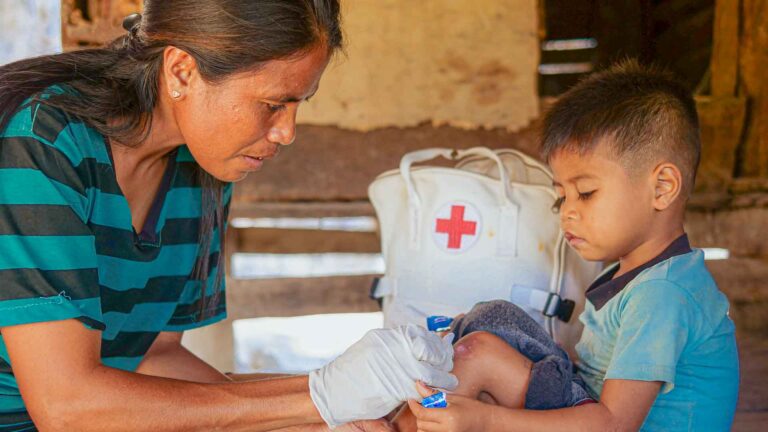
Primary Medical Care nelle zone remote
Understand how community care, prevention, medical supervision and referral work together in remote villages.
programma
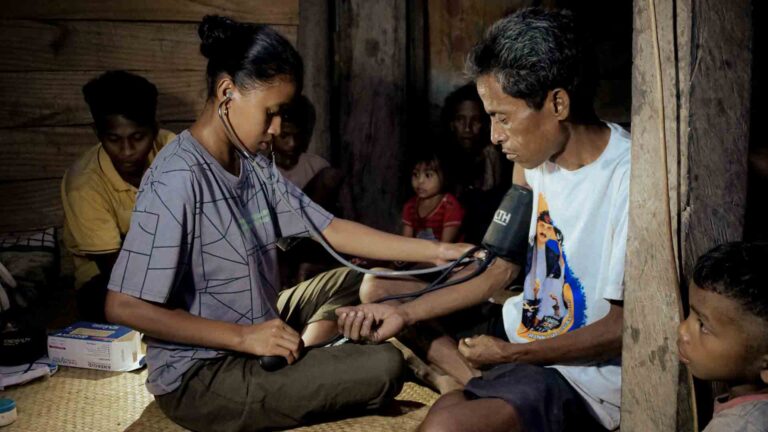
Agenti sanitari rurali Kawan Sehat
Meet the agents helping people understand prevention, reach testing services and continue care.
argomento
Tubercolosi (TB)
Learn about tuberculosis, its connection with HIV and the signs that need assessment.
Fonti di riferimento
- HIV and AIDS fact sheetOrganizzazione Mondiale della SanitàConsultato
- HIV and AIDS questions and answersOrganizzazione Mondiale della SanitàConsultato
- About HIVCentri per il Controllo e la Prevenzione delle MalattieConsultato
- How HIV spreadsCentri per il Controllo e la Prevenzione delle MalattieConsultato
- Getting tested for HIVCentri per il Controllo e la Prevenzione delle MalattieConsultato
- Guidelines for HIV post-exposure prophylaxisOrganizzazione Mondiale della SanitàConsultato
- HIV treatment, the basicsNational Institutes of Health, HIVinfoConsultato
- Treating HIVCentri per il Controllo e la Prevenzione delle MalattieConsultato
- HIV drug resistanceOrganizzazione Mondiale della SanitàConsultato
- Preventing HIV with PrEPCentri per il Controllo e la Prevenzione delle MalattieConsultato
- Preventing perinatal transmission of HIV during pregnancy and childbirthNational Institutes of Health, HIVinfoConsultato
- Infant feeding for the prevention of mother-to-child transmission of HIVOrganizzazione Mondiale della SanitàConsultato
- The early spread and epidemic ignition of HIV-1 in human populationsFaria and colleagues, ScienceConsultato
- WHO's principles for HIV testing servicesOrganizzazione Mondiale della SanitàConsultato
- Living with HIVCentri per il Controllo e la Prevenzione delle MalattieConsultato
- Primary Medical Care in remote areasFair Future FoundationConsultato
- Educational posters for a healthy lifeFair Future FoundationConsultato
- Kawan Sehat rural health agentsFair Future FoundationConsultato
- Il test per l'HIV è importante a WaingapuFair Future FoundationConsultato
- Pneumocystis pneumonia, Los Angeles, and the first AIDS investigationsCenters for Disease Control and Prevention, MMWRClinical report from 1981, reproduced with a retrospective editorial.Consultato
- The discovery of HIV at the Institut Pasteur in 1983Institut PasteurHistory of the isolation, laboratory methods, publication and subsequent diagnostic developments.Consultato
Informazioni generali sulla salute, non una diagnosi o una prescrizione individuale.
