


Argomenti relativi alla salute
Malnutrizione
Understanding malnutrition, recognising changes in growth and health, and connecting appropriate treatment with food, safe water and continuing care.
La revisione clinica della traduzione è in corso. La revisione nella lingua di origine non approva questa traduzione.
Quando la cura non può aspettare
Seek urgent medical assessment for a very thin or visibly unwell child, swelling of both feet, inability to eat or drink, marked drowsiness, repeated vomiting or a child who is rapidly deteriorating.
Severe breathing difficulty, seizures, confusion or collapse needs emergency care. Do not assume a malnourished child will always develop a high fever when seriously infected.
Malnutrition fact sheet · Malnutrition overview and symptoms · Child wasting
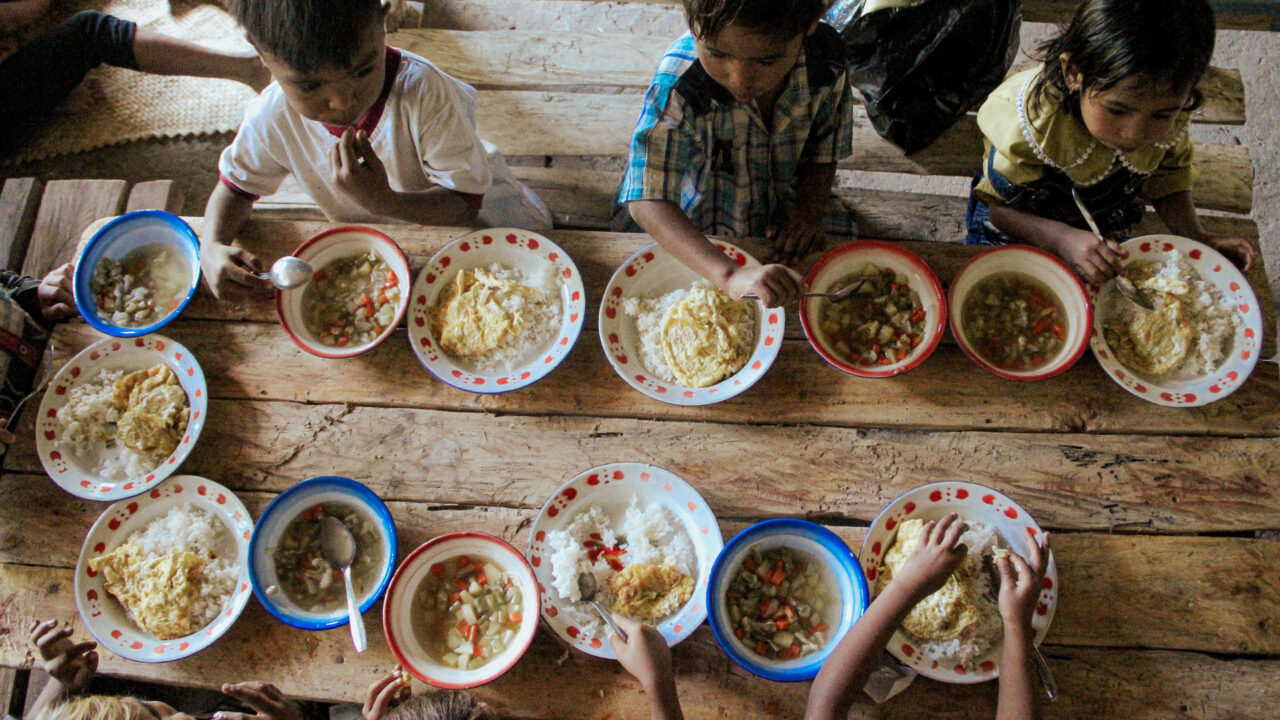
Understanding malnutrition
Malnutrition is a deficiency, excess or imbalance in the energy and nutrients a person receives or uses. It includes undernutrition, vitamin and mineral deficiencies, and overweight or obesity with related health problems.
This sheet gives particular attention to undernutrition because of its importance in our work in rural East Sumba. Wasting refers to being too thin for height; stunting describes being too short for age. These measures describe different aspects of growth and need professional interpretation.
A person can lack important nutrients without looking extremely thin. Body size alone cannot tell the whole story. Assessment should consider diet, growth or weight change, health, feeding and the practical conditions in the household.
Malnutrition fact sheet · Malnutrition overview and symptoms
What nutritional research helped explain
For a long time, some illnesses now understood as nutritional deficiencies were attributed to infection or other causes. Research gradually showed that food needed to provide specific protective nutrients as well as energy.
In the late nineteenth century, Christiaan Eijkman’s work in Java linked the diet of chickens to a nerve illness resembling beriberi. Further investigations helped explain the importance of nutrients present in rice bran. Eijkman shared the 1929 Nobel Prize in Physiology or Medicine with Frederick Hopkins for work that contributed to the discovery of vitamins.
The wider lesson is that enough food and nutritionally adequate food are connected but different questions. Modern nutrition care considers energy, protein, micronutrients, infection and the person’s ability to eat and absorb food.
The Nobel Prize and the discovery of vitamins
Why undernutrition develops
A person may not receive enough food, may struggle to feed, or may need more nutrients during growth, pregnancy, illness or recovery. Problems swallowing, chronic disease, recurrent diarrhoea and other conditions can interfere with intake or absorption.
Food insecurity can narrow the variety and frequency of meals. Unsafe water, infections and inadequate sanitation can make a difficult situation worse. A child who becomes ill repeatedly may lose appetite and strength; undernutrition can then make recovery harder.
Malnutrition is not proof that a parent does not care. The assessment should ask what food is actually available, whether water and fuel are accessible, what illness may be present and which support the family needs.
Malnutrition fact sheet · Malnutrition overview and symptoms · Child wasting
Signs and symptoms to recognise
- Unintentional weight loss, or clothing becoming looser.
- A child not gaining weight or growing as expected.
- Reduced appetite, difficulty feeding or tiring during meals.
- Weakness, low energy, reduced activity or slow recovery from illness.
- Visible loss of muscle or body fat.
- Swelling of both feet or other concerning changes.
A child can appear quiet or less active rather than simply report hunger. Swelling can hide how much weight or muscle has been lost. Growth must be assessed over time with appropriate measurements rather than judged from a single photograph.
Vitamin or mineral deficiencies may cause additional problems such as anaemia, weakness or changes affecting other organs. These findings need assessment rather than an unplanned selection of supplements.
Malnutrition overview and symptoms · Child wasting
Assessment and diagnosis
The healthcare team reviews eating and feeding, growth or weight change, illnesses, development and household circumstances. Measurements may include weight, height or length and, when appropriate, mid-upper-arm circumference.
The clinician looks for wasting, swelling, infection, dehydration and other complications. Blood or other tests may be useful when a particular deficiency or illness is suspected.
Severe undernutrition needs an appropriate treatment pathway. A child with medical complications, poor appetite or inability to feed may need hospital care. Some children without complications can be managed through a supervised outpatient programme with regular follow-up.
Child wasting · Management of wasting and nutritional oedema in children
Treatment and recovery
Treatment should match the cause, severity and age of the person. It may combine nutrition support, treatment of infection or other illness, feeding assistance and practical help to obtain suitable food.
Therapeutic foods and specialised feeding plans are medical treatments when indicated. They should be provided and monitored through an appropriate programme. Severe malnutrition can require cautious correction of feeding, fluids and other problems.
Recovery needs monitoring. Returning appetite is encouraging, but growth, strength and illness still need review. Tell the team if the person cannot take the recommended food, vomits, develops swelling or becomes less active.
Do not give large doses of vitamins, iron or other supplements without appropriate guidance. The type and timing matter, especially in a severely ill or malnourished child.
Child wasting · Management of wasting and nutritional oedema in children · Infant and young child feeding
Supporting nutrition and preventing illness
- Support appropriate infant feeding. Breastfeeding support and age-appropriate complementary feeding should follow professional guidance.
- Build variety where practical. Discuss locally available foods that provide energy, protein and different micronutrients.
- Protect water and food hygiene. Safe preparation and storage reduce infections that can undermine nutrition.
- Monitor growth and health. Follow-up can identify a problem before visible wasting becomes severe.
- Connect families with practical support. Food access, income, water, caregiving and transport are part of the nutrition plan.
Care also needs to recognise other forms of malnutrition. A diet dominated by nutritionally poor foods can coexist with excess body weight and micronutrient deficiency. Advice should fit the person’s health and access to food.
Malnutrition fact sheet · Infant and young child feeding
Food, water and care in East Sumba
In the ultra-rural east of Indonesia, nutrition is connected to rainfall, a household’s harvest, the distance to water and what can be bought or grown. A recommendation is useful only if a family has a realistic way to follow it.
Il nostro Nutrition and Food programme connects food production and education with health. Water Connections supports the water needed for drinking, cooking, hygiene and, where feasible, food growing.
Attraverso Salute dei bambini, Primary Medical Care e Agenti Kawan Sehat, families can be connected to assessment and follow-up. Agents work within their training and refer severe or uncertain problems to medical services.
Il Studio sulla sepsi a Sumba also helps keep infection prevention and barriers to care in view. Nutrition support cannot be separated from recognising a seriously ill child and getting that child to appropriate treatment.
Nutrizione e alimentazione · Water Connections · Salute dei bambini
Questions for the care team
- What do the measurements show, and how will growth or recovery be monitored?
- Is an infection or another illness contributing?
- Does this person need hospital care or a supervised nutrition programme?
- Which foods or supplements are recommended, and how should they be used?
- What support is available if the household cannot obtain the recommended food or reach follow-up?
Programmi correlati e risorse del settore

programma
Nutrizione e alimentazione per i villaggi remoti
Explore food access, local growing and nutrition education.
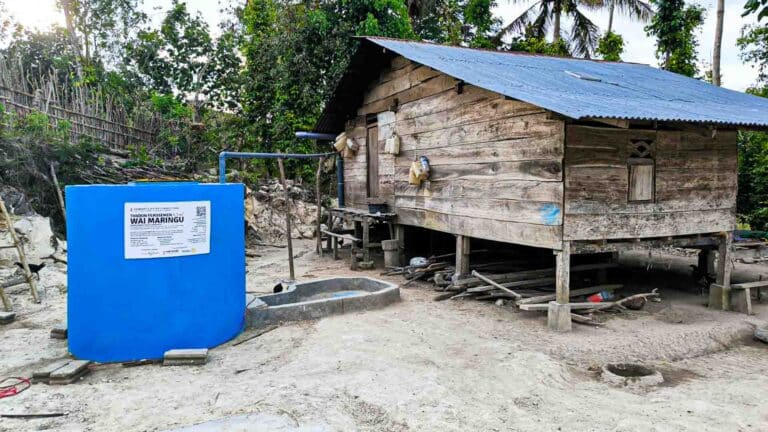
programma
Water Connections per i Villaggi Rurali
Connect safe water with feeding, hygiene and infection prevention.
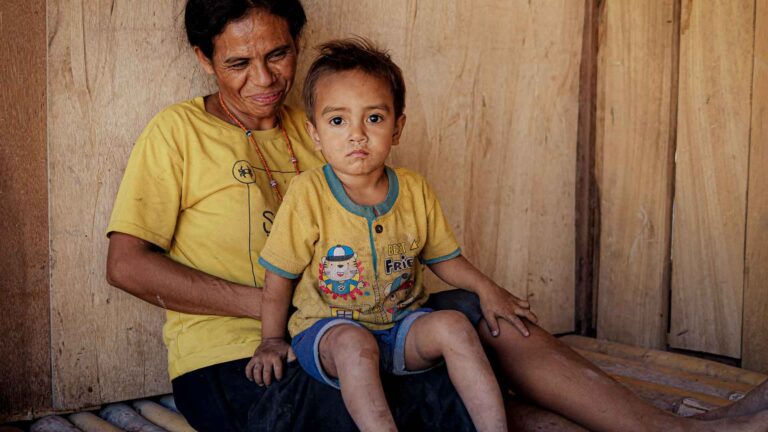
programma
Salute infantile nella zona rurale di East Sumba
Understand growth concerns, early recognition and referral for children.
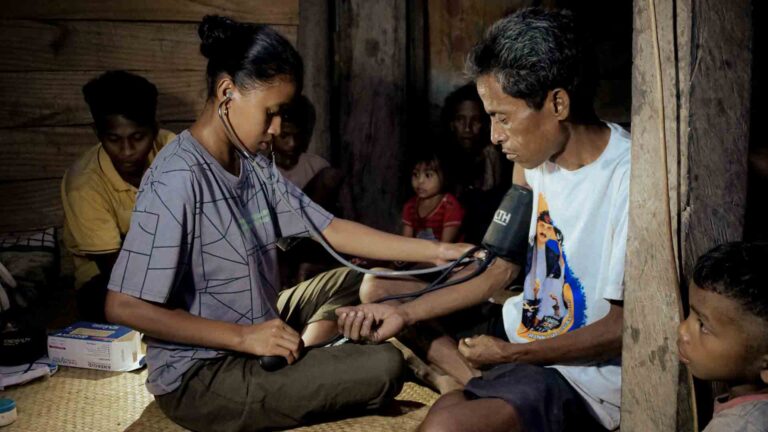
programma
Agenti sanitari rurali Kawan Sehat
Meet the agents supporting households with education and follow-up.
Fonti di riferimento
- Malnutrition fact sheetOrganizzazione Mondiale della SanitàConsultato
- Malnutrition overview and symptomsServizio sanitario nazionaleConsultato
- Child wastingUNICEFConsultato
- Management of wasting and nutritional oedema in childrenOrganizzazione Mondiale della SanitàConsultato
- Infant and young child feedingOrganizzazione Mondiale della SanitàConsultato
- The Nobel Prize and the discovery of vitaminsNobel PrizeConsultato
- Nutrizione e alimentazioneFair Future FoundationConsultato
- Water ConnectionsFair Future FoundationConsultato
- Salute dei bambiniFair Future FoundationConsultato
Informazioni generali sulla salute, non una diagnosi o una prescrizione individuale.
