
Lotta alla malaria nell’est dell’Indonesia
Come facciamo qui a Sumba Timur, migliorare l’accesso all’acqua pulita e alle strutture sanitarie sane aiuta a ridurre significativamente la diffusione della malaria limitando gli habitat dei moscerini. I moscerini hanno bisogno di acqua per riprodursi; se non ci sono acque stagnanti, se l’acqua rimane fredda, lontana dalla luce e circola, non possono riprodursi. Inoltre, le strutture sanitarie adeguate riducono l’esposizione delle persone ai moscerini vettori di malattie.
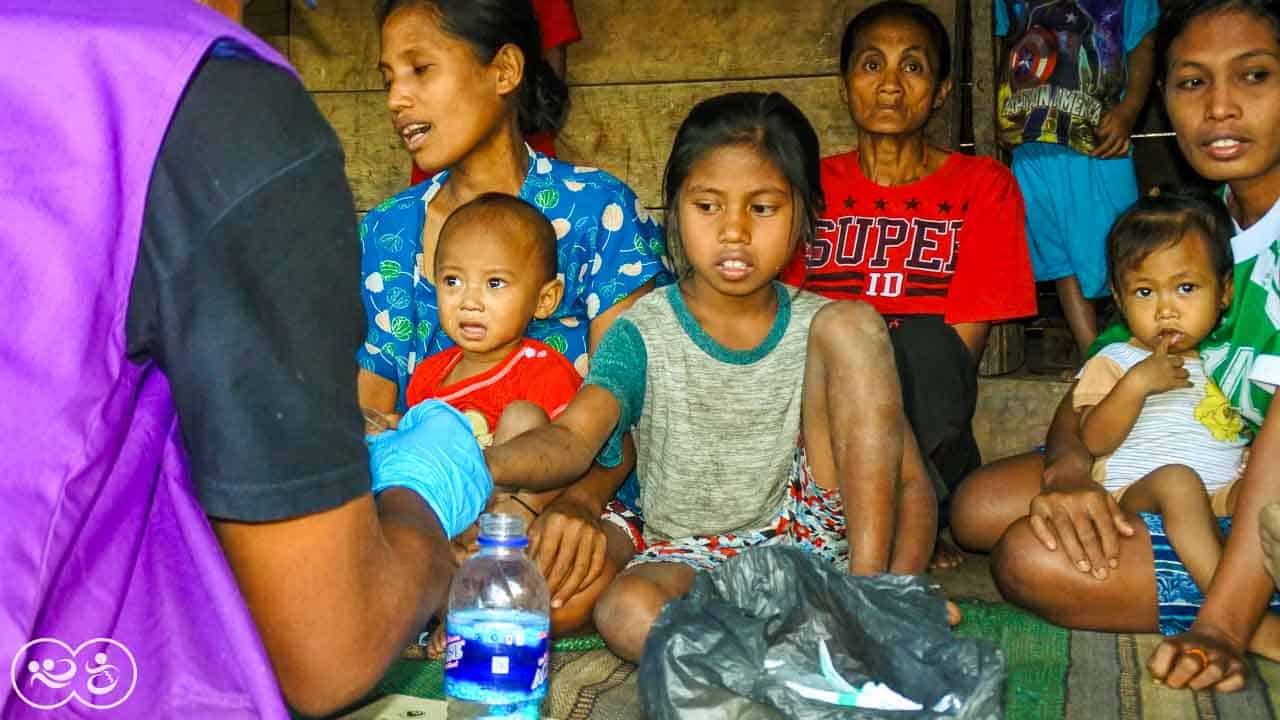
In recent years, we have witnessed the malaria epidemic in East Sumba, an island in Indonesia where we have worked for almost five years. The outbreak is attributed to several factors, including a lack of access to healthcare, poor living conditions and the emergence of drug-resistant strains of the malaria parasite. The outbreak has particularly affected children under five and pregnant women at higher risk of severe illness or death from malaria.
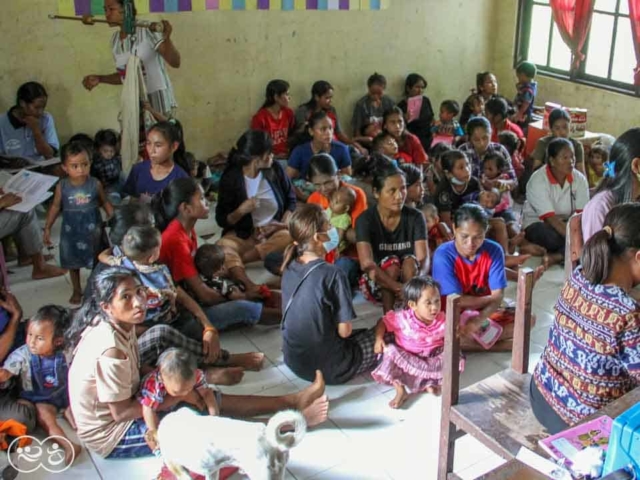
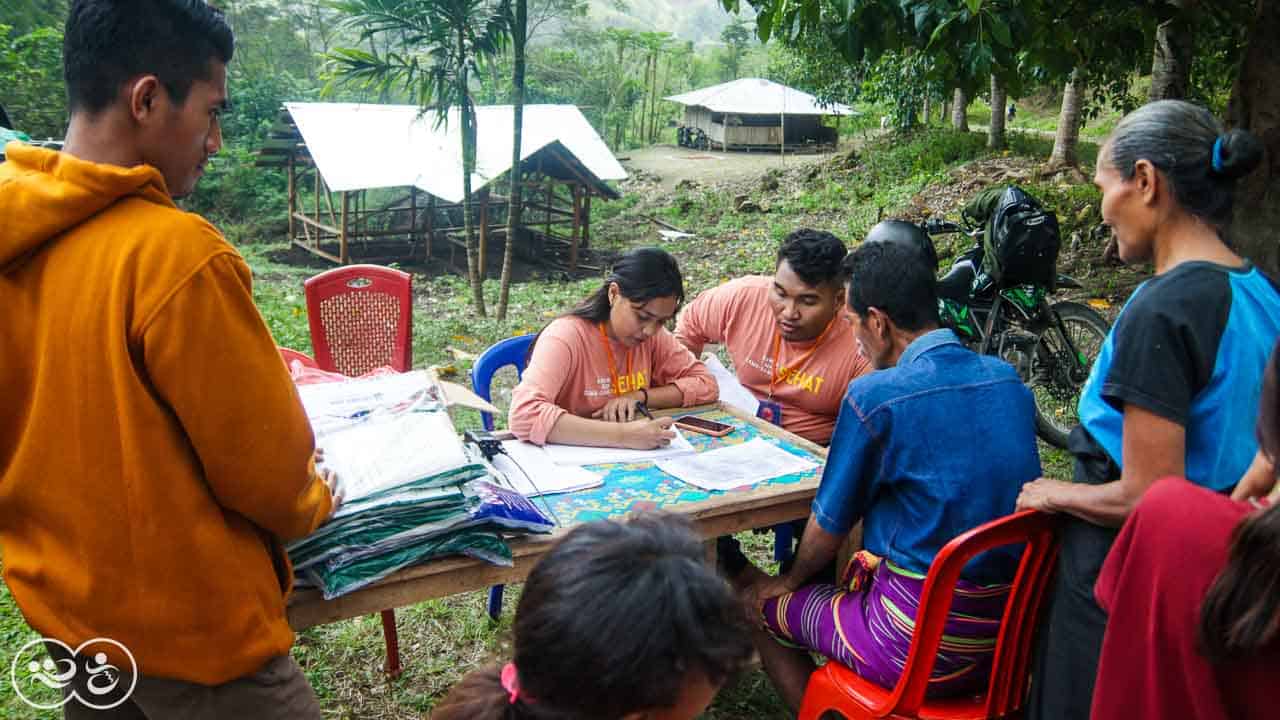
Fair Future and all our friends are working to control the spread of the disease by providing primary medical care, advising families, providing solutions for clean water and healthy toilets, and of course, being present in the most affected villages. The Primary Health Care program has dealt with hundreds of Malaria cases, mostly children, for weeks. The health agents of this program -in their villages- deal with these cases. They give good advice and medicines to bring down the fever. They save lives, that’s for sure.
More efforts are needed to address the root causes of the outbreak, such as improving living conditions, improving access to Acqua pulita, and developing new control strategies against malaria.
Acqua pulita, come ad esempio #waterconnections projects, actively participates in preventing the complications of malaria. People with malaria need to drink plenty of water to avoid dehydration, which can be difficult in areas where access to clean water is limited, as is the case in the regions where we are right now with the Fair Future and Amici buoni teams.
In short, improving access to sanitation facilities and clean or safe water is, for all of us here -in the context of our medical care programs- an essential element in the fight against malaria. It will help reduce the spread of disease-carrying mosquitoes, prevent complications and improve the recovery of people with malaria. Fair Future Foundation, Kawan Baik Indonesia, and our friends from Sumba Volunteer fight the spread of #malaria by understanding how it is transmitted, providing primary medical care and access to clean, uncontaminated water sources and healthy sanitation through the Water Connections Programma.
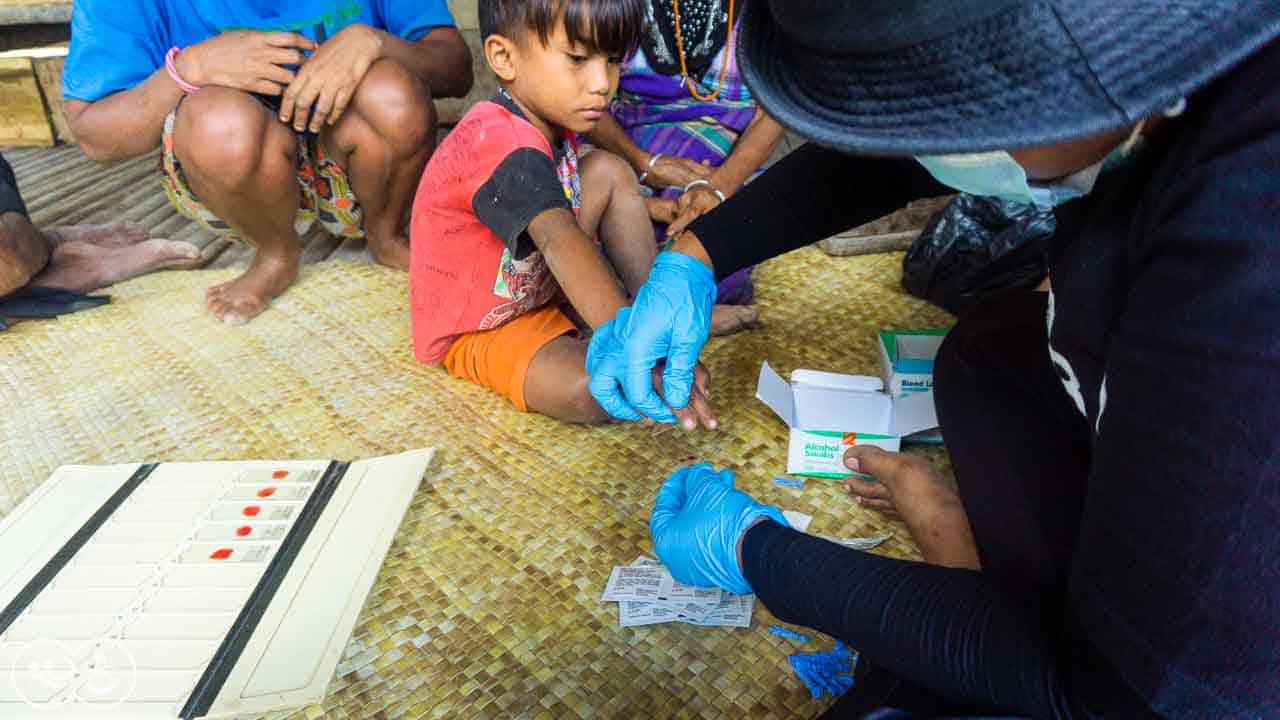
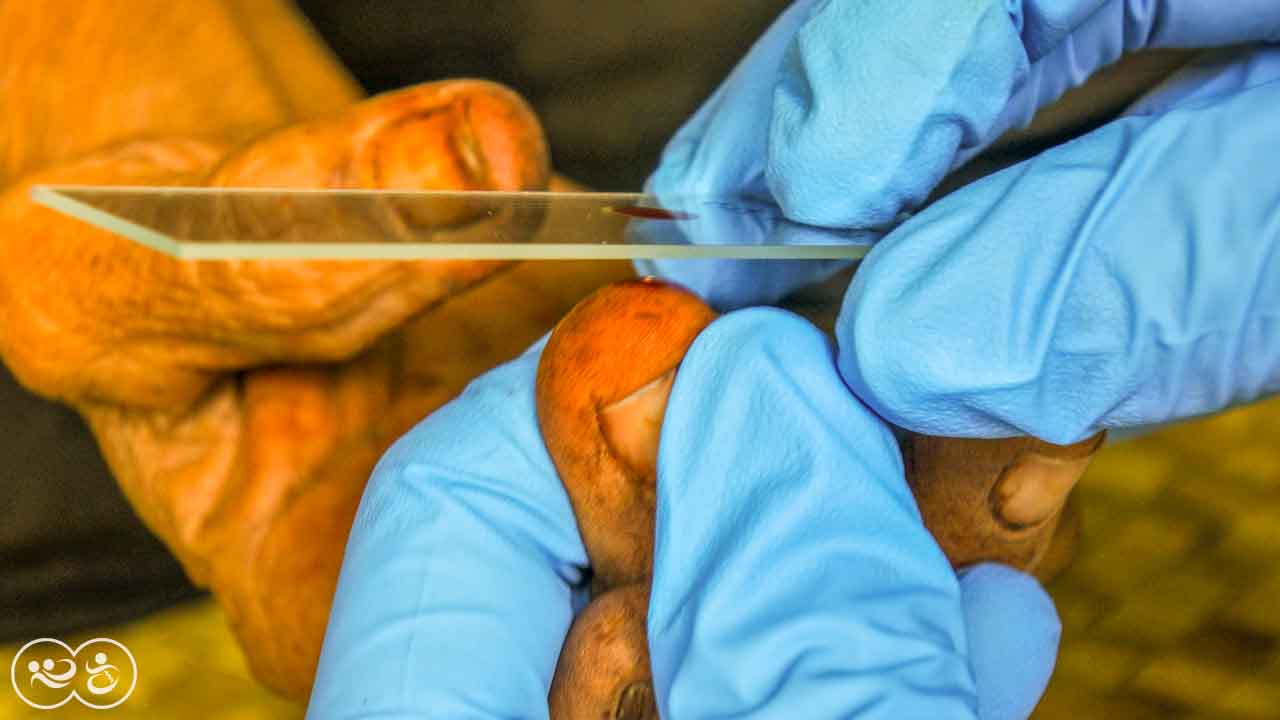
We desperately need antimalarial drugs e rapid tests* to detect the disease. You can help us by donating via the foundation’s website. Unicef e Unicef Indonesia? Are you ready to fight this epidemic with us? We are onsite, and we need you.
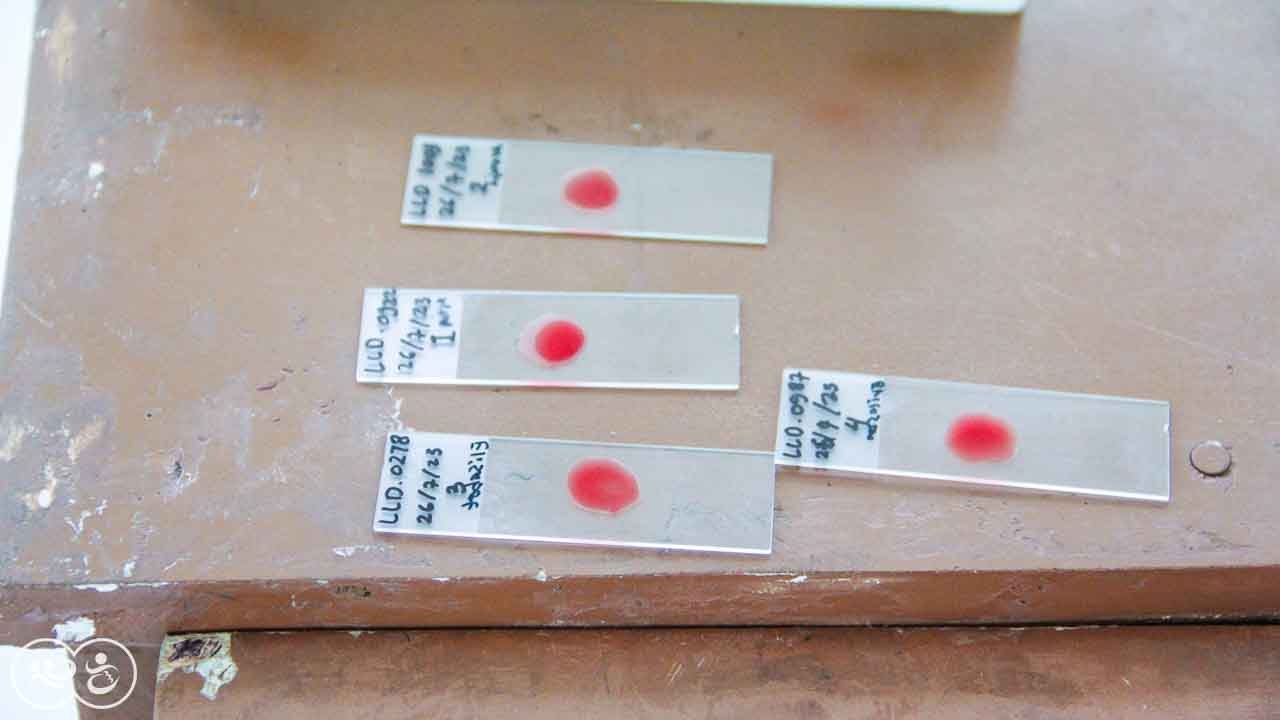
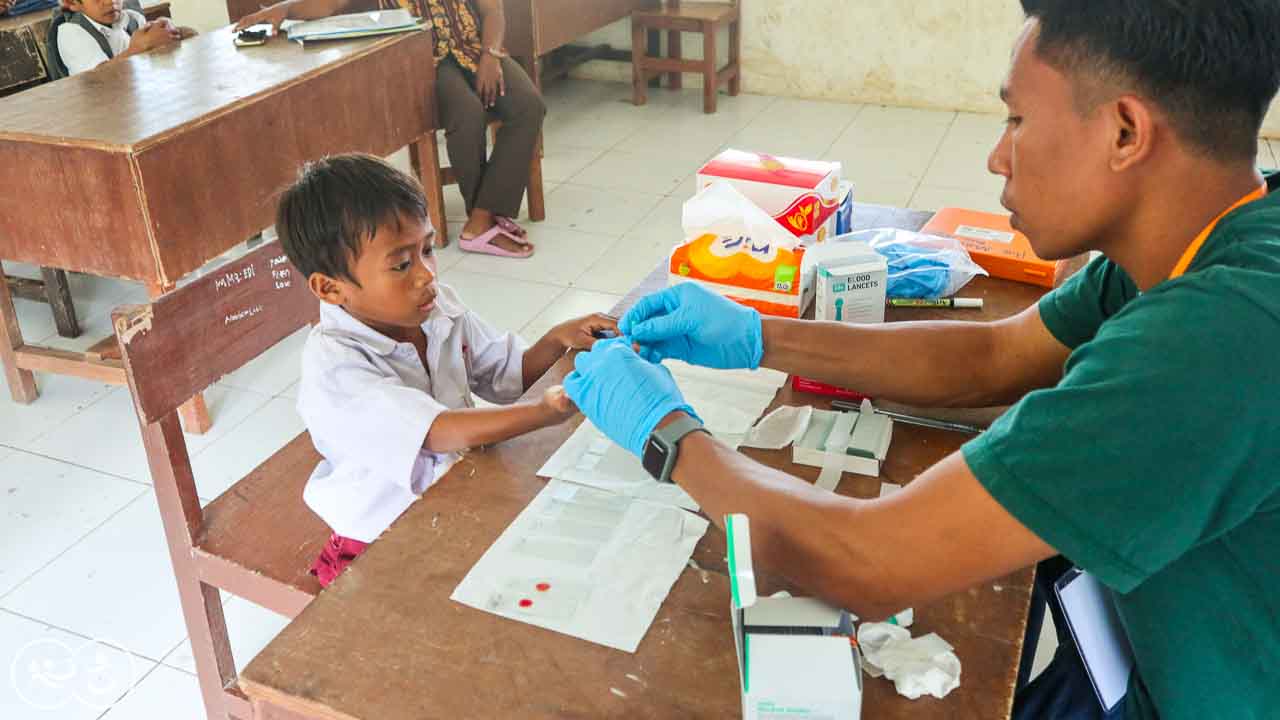
*Malaria screening is essential in aree rurali to detect and treat cases early, prevent the spread of the disease and reduce the incidence of serious complications.
#StopMalaria #EndMalaria #Malaria #InfectiousDiseases #MalariaIndonesia #NTT #SumbaTimur #CleanWater #healthySanitation #MedicalWater #HealthyLife #UnicefIndonesia
Malaria Epidemic in East Sumba in a few pictures
La malaria rimane una delle malattie più devastanti che colpiscono l'Indonesia orientale, con migliaia di morti che si registrano ogni anno e conseguenze per le famiglie, le comunità e l'economia.
Come facciamo qui a Sumba Timur, migliorare l’accesso all’acqua pulita e alle strutture sanitarie sane aiuta a ridurre significativamente la diffusione della malaria limitando gli habitat dei moscerini. I moscerini hanno bisogno di acqua per riprodursi; se non ci sono acque stagnanti, se l’acqua rimane fredda, lontana dalla luce e circola, non possono riprodursi. Inoltre, le strutture sanitarie adeguate riducono l’esposizione delle persone ai moscerini vettori di malattie.
Clean Water, attraverso i suoi #waterconnections progetti, partecipa attivamente alla prevenzione delle complicazioni della malaria. Le persone affette da questa malattia hanno bisogno di bere molta acqua per evitare la disidratazione, cosa che può essere difficile in aree dove l’accesso all’acqua pulita è limitato, come avviene nelle regioni in cui ci troviamo attualmente con i team di @fairfuturefoundation e @kawanbaikindonesia.
In breve, migliorare l’accesso agli impianti di igiene e all’acqua pulita o sicura è, per tutti noi qui – nel contesto dei nostri programmi di assistenza sanitaria – un elemento essenziale nella lotta contro la malaria. Aiuterà a ridurre la diffusione dei moscerini vettori della malattia, a prevenire le complicazioni e a migliorare il recupero delle persone affette da malaria. Combatiamo la diffusione della #malaria comprendendo come si trasmette, fornendo primary medical care e garantendo l’accesso a fonti d’acqua pulite e incontaminate. Abbiamo bisogno disperatamente di farmaci antimalarici e di test rapidi per la diagnosi della malattia. Puoi aiutarci donando tramite il sito web della fondazione. @unicef e @unicefindonesia? Sei pronto a combattere questa epidemia insieme a noi? Siamo presenti sul campo e abbiamo bisogno di te.