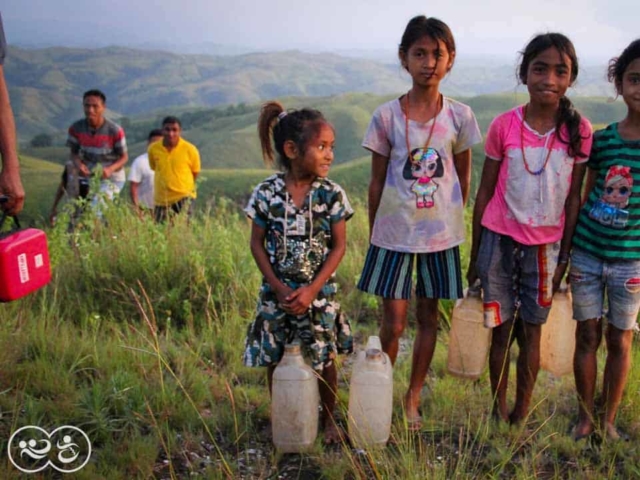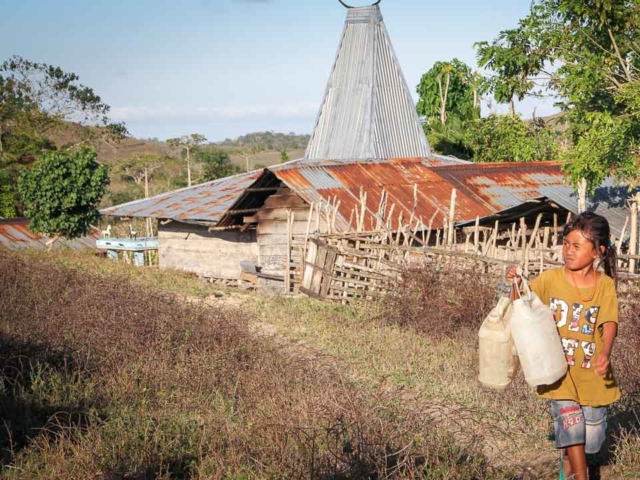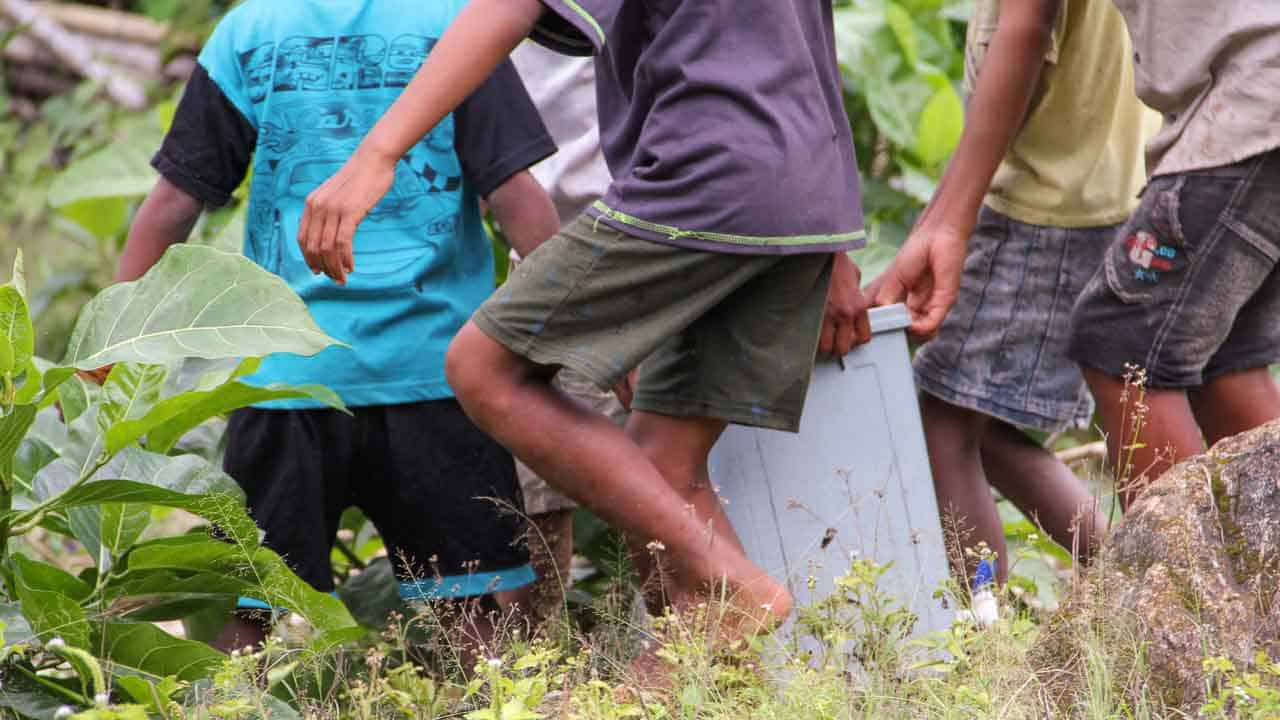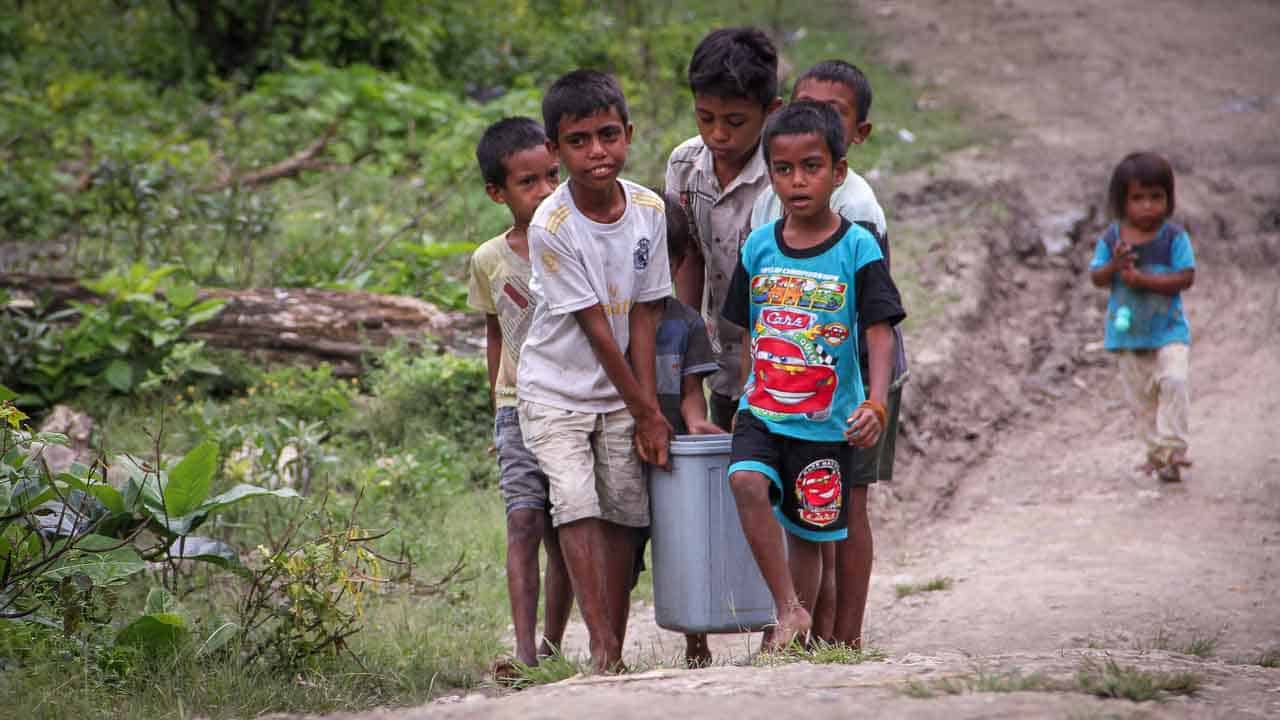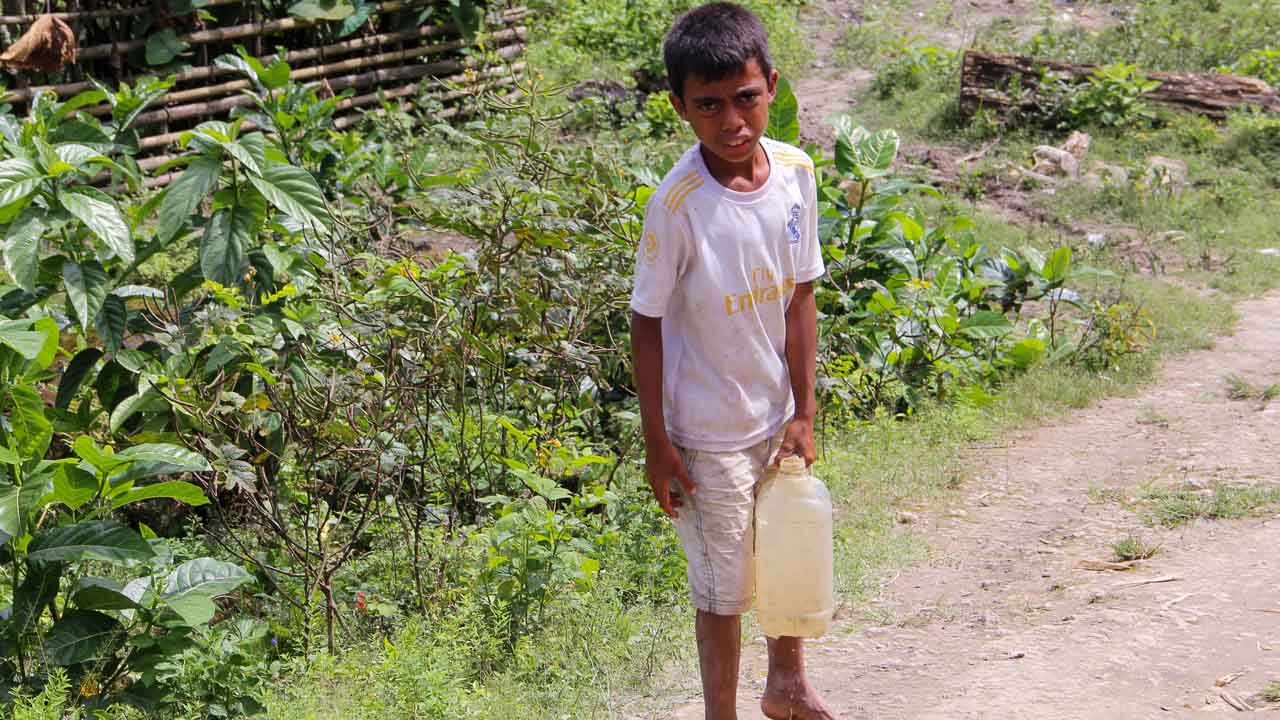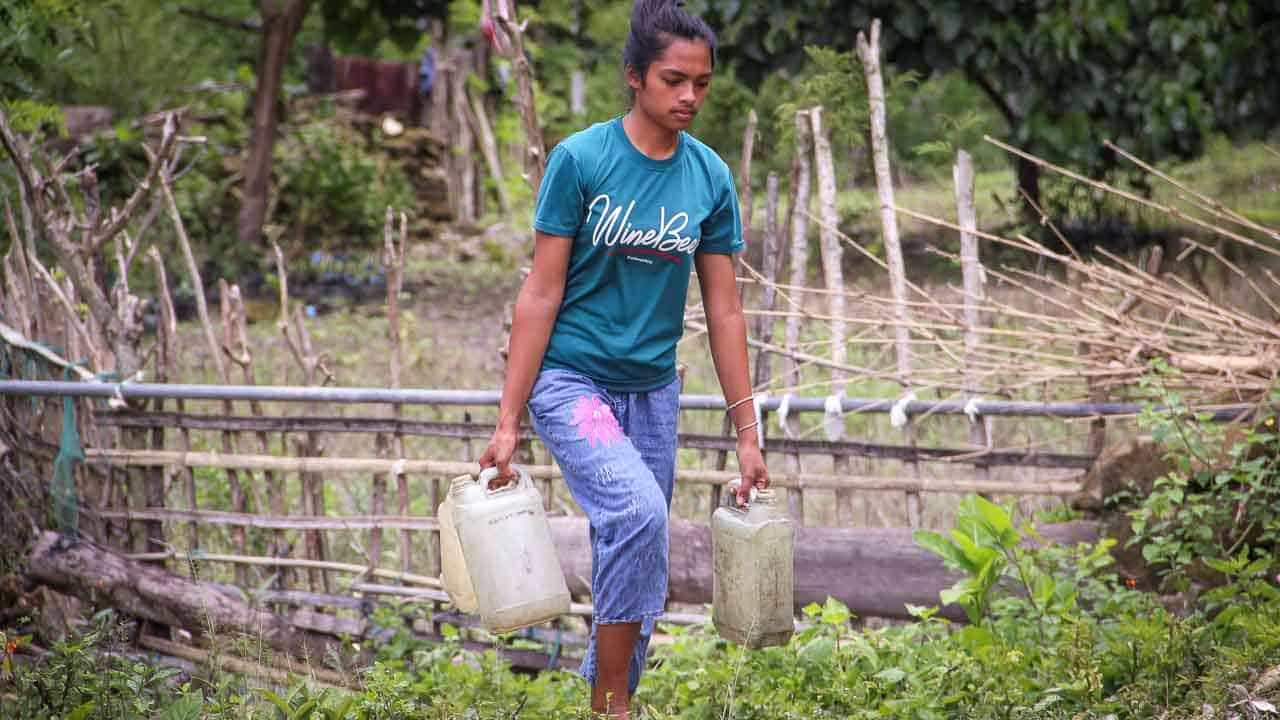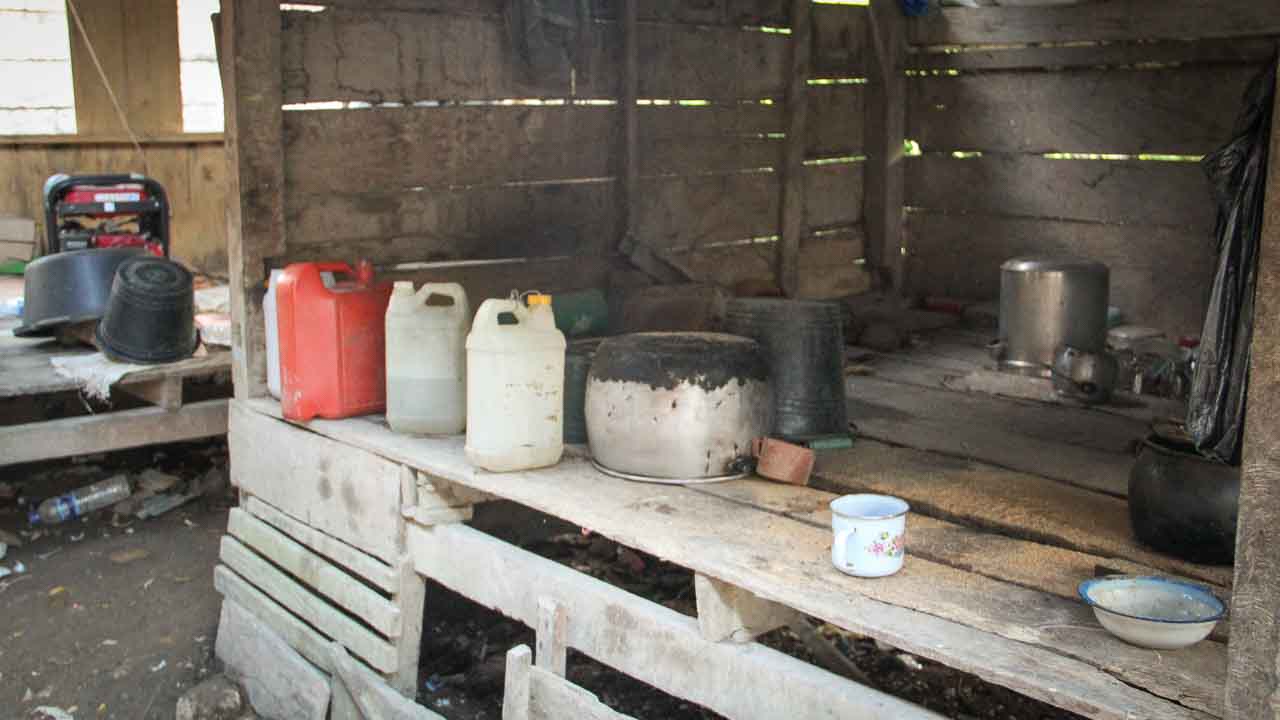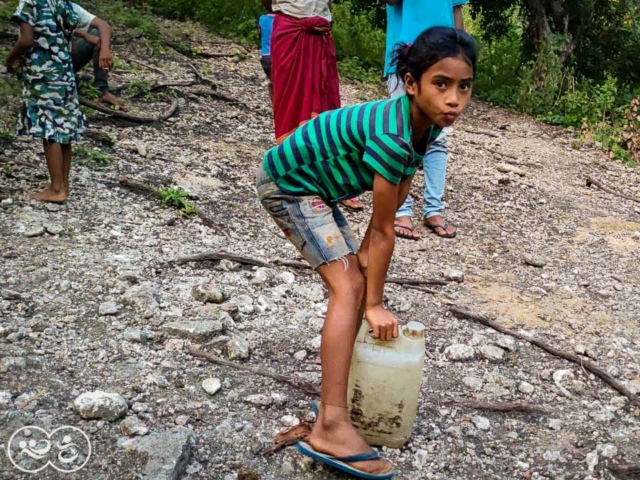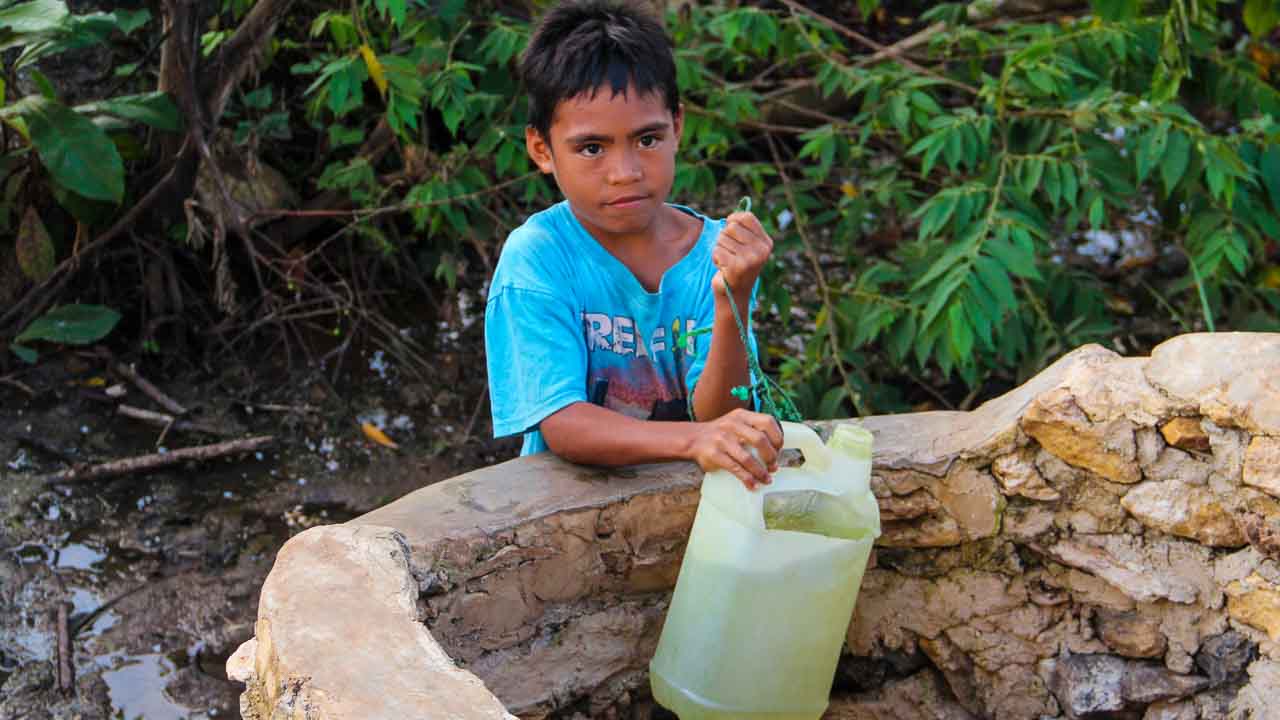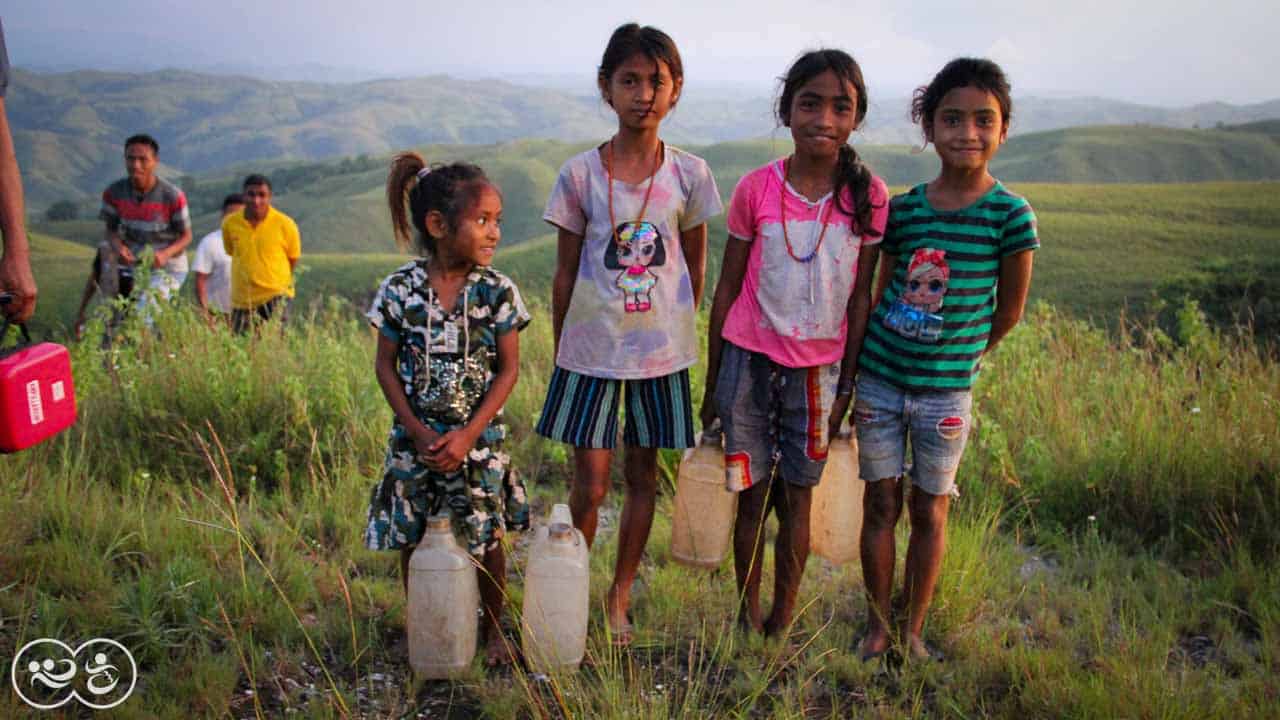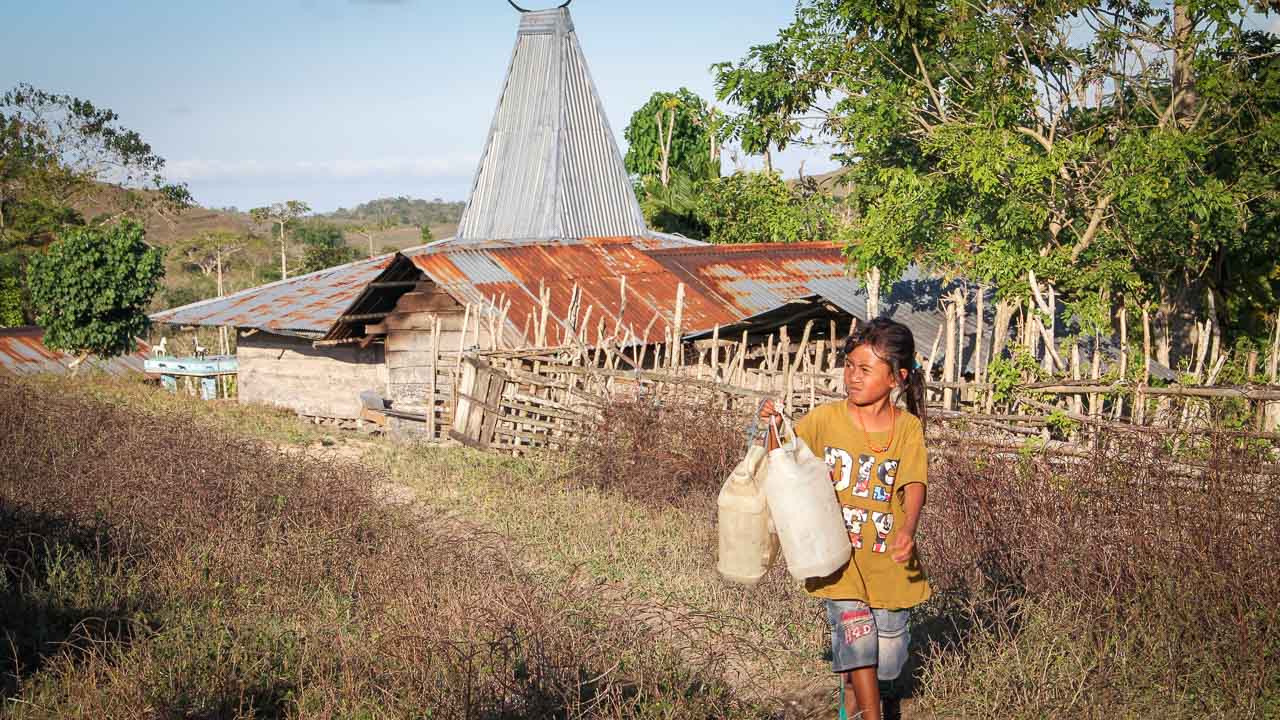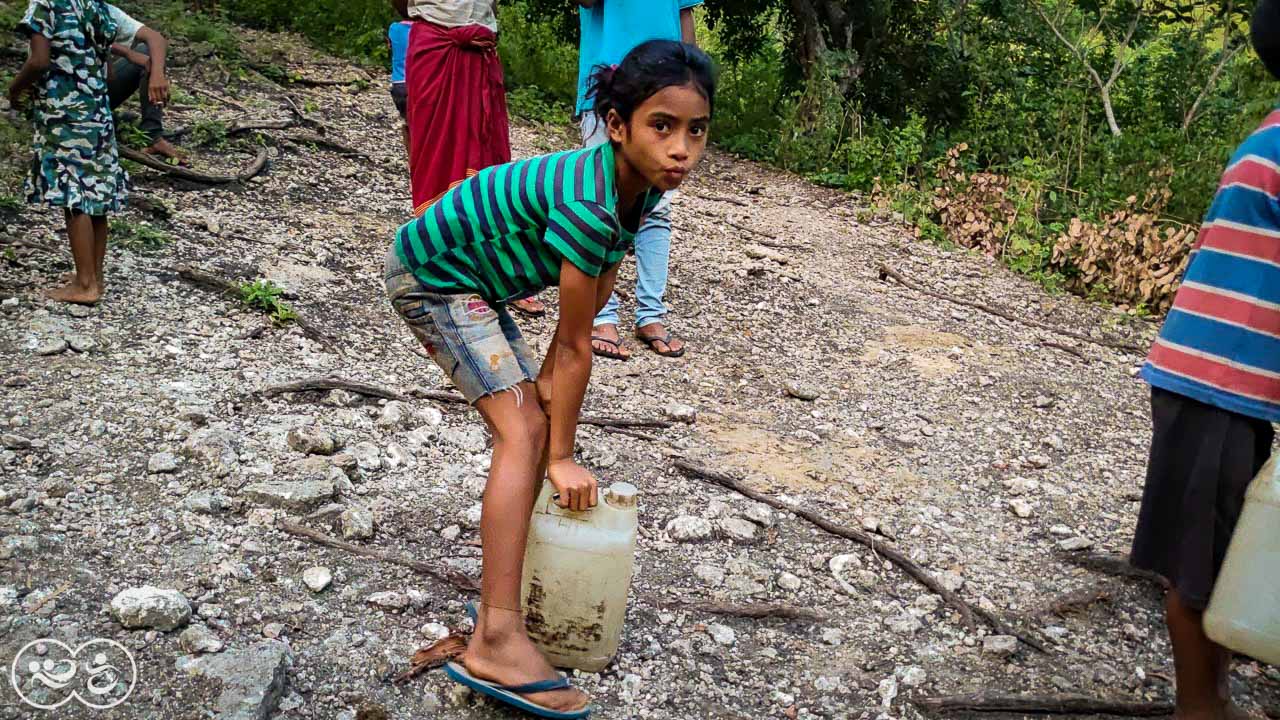

In Sumba, children have to walk for hours to fetch water. It’s a basic necessity we often take for granted, but it’s a daily struggle for them. The long walks to collect water can prevent children from attending school, limit their ability to play and engage in other activities, and increase their risk of injury or attack.
Fair Future e Amici buoni Foundations work on the spot to help these communities and give them access to clean water and sanitary facilities. It’s a small step towards a better future for them. It is hard for most people in the Western world to imagine what it is like for families who have to walk miles to fetch water that may not even be safe to drink. It is a reminder of the necessities that we often take for granted and of the work that remains to ensure access to drinking water for all.
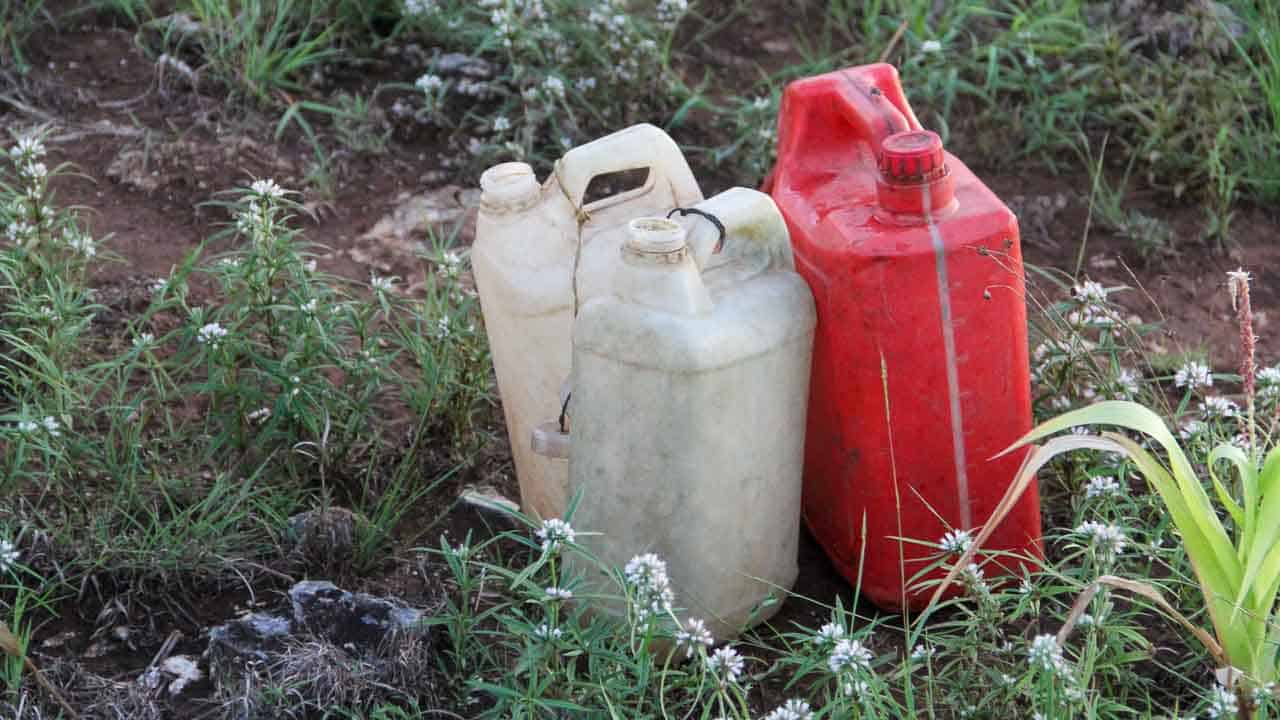
In East Sumba, young children struggle. It’s hard to live here. The jerry cans are heavy and sometimes more prominent than the children themselves. With limited access to drinking water sources, the kids who live there (qui nelle immagini nei villaggi di Kabanda, Mahu, Laindatang, e Tana Mbanas) Sono costretti a camminare per lunghe distanze per procurarsi acqua. L’acqua nei fiumi o nei pozzi è anche contaminata. Questo richiede molto tempo e pone loro a rischio di infortuni o malattie dovuti al trasporto di carichi pesanti di acqua. La mancanza di accesso all’acqua pulita contribuisce anche a pratiche igieniche e sanitarie inadeguate, aggravando ulteriormente i problemi di salute delle comunità di East Sumba dove Amici buoni and Fair Future work so hard. Together, we are taking action to improve access to clean water sources, in these areas where no roads lead, to ensure the health and well-being of young children and their families. In addition to the physical hardship of fetching water, and as explained In questo post, I bambini delle zone rurali di East Sumba sono spesso privati di istruzione e di altre opportunità a causa di questo compito. È una pratica diffusa (come in questa foto del giorno) che non vanno a scuola o ad altre attività per aiutare a raccogliere l'acqua, affetti loro accademico progresso e sociale sviluppo.
Qui le persone hanno principalmente accesso a acqua contaminata. Ciò provoca molte malattie, tra cui infezioni gastrointestinali, malattie della pelle, malattie parassitarie e altre malattie infettive come Malaria, Febbre da Dengue, Colera, febbre tifoide, epatite A o diarrea. I bambini e gli anziani sono particolarmente vulnerabili alle malattie causate dall’acqua contaminata, che rappresenta una delle principali cause di mortalità infantile in questo paese.
In conclusione, assicurare l'accesso Acqua pulita attraverso un programma come il #waterconnections Il progetto è la nostra massima priorità che non può essere trascurata. L'accesso Acqua pulita È essenziale per mantenere la vita e mantenere una buona salute per tutti qui presenti. L’acqua svolge un ruolo fondamentale nel prevenire la diffusione delle malattie menzionate sopra, garantendo alle persone una vita più sana. Sia per bere che per cucinare o pulire, Acqua pulita È essenziale per la vita quotidiana. Senza l'accesso, le comunità delle zone ultra-rurali dell'Est di Sumba soffrono di una carenza di sanità e igiene, che porta a vari problemi di salute.
Pertanto, dobbiamo fare tutto il possibile per garantire che l’acqua pulita sia disponibile a tutti coloro che ne hanno bisogno.