

MBG: i villaggi remoti hanno bisogno di autonomia alimentare, non di promesse
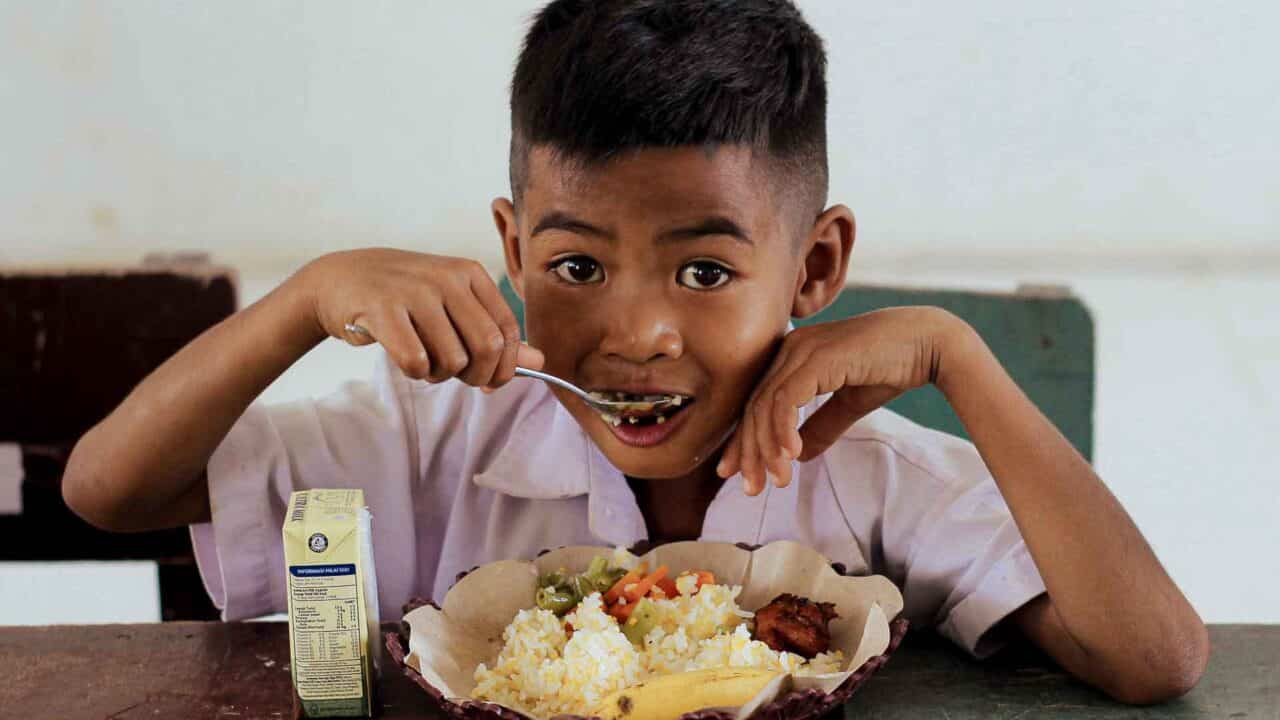
I villaggi remoti hanno bisogno di un accesso duraturo a cibo nutriente. Opponiamo resistenza all’espansione del MBG senza una comprovata sicurezza e responsabilità locali. Gli investimenti pubblici dovrebbero rafforzare l’approvvigionamento di acqua potabile, l’agricoltura locale, l’educazione alimentare pratica e la capacità delle famiglie di acquistare e preparare cibi sani.
Children need nutritious food every day. A national distribution target does not guarantee that food will reach them safely.
Indonesia is expanding its Makan Bergizi Gratis (MBG) programme into remote areas, including Nusa Tenggara Timur. BGN describes smaller, locally adapted kitchens. Yet the practical questions remain: safe water, ingredient storage, trained food handlers, delivery times and independent oversight. On 6 October, Indonesia’s Ombudsman announced an investigation into food safety and the handling of MBG poisoning incidents.
From our work in East Sumba, we oppose extending this programme without demonstrable local safety, accountability and evidence that it is the best use of public money. Distance, unreliable access and limited infrastructure must shape decisions before expansion.
Our priority is investment that strengthens families’ ability to feed themselves: reliable water, locally adapted food growing, support for local producers, practical nutrition and cooking education, and the means to buy nutritious ingredients. Knowledge alone cannot overcome poverty or water scarcity. Families need resources and choices.
Children who need food today must still receive safe support. But public policy should also leave communities better able to nourish themselves tomorrow.
BGN: expansion into remote regions · BGN: modular kitchens · Ombudsman: food safety investigation
