


One Health and Our Future Are More Than a Diagram
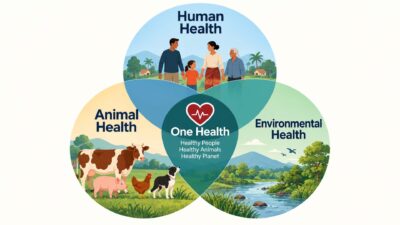
Three circles connect human, animal and environmental health. One Health sits at the centre of this shared future.
Poverty is not the same as indifference.
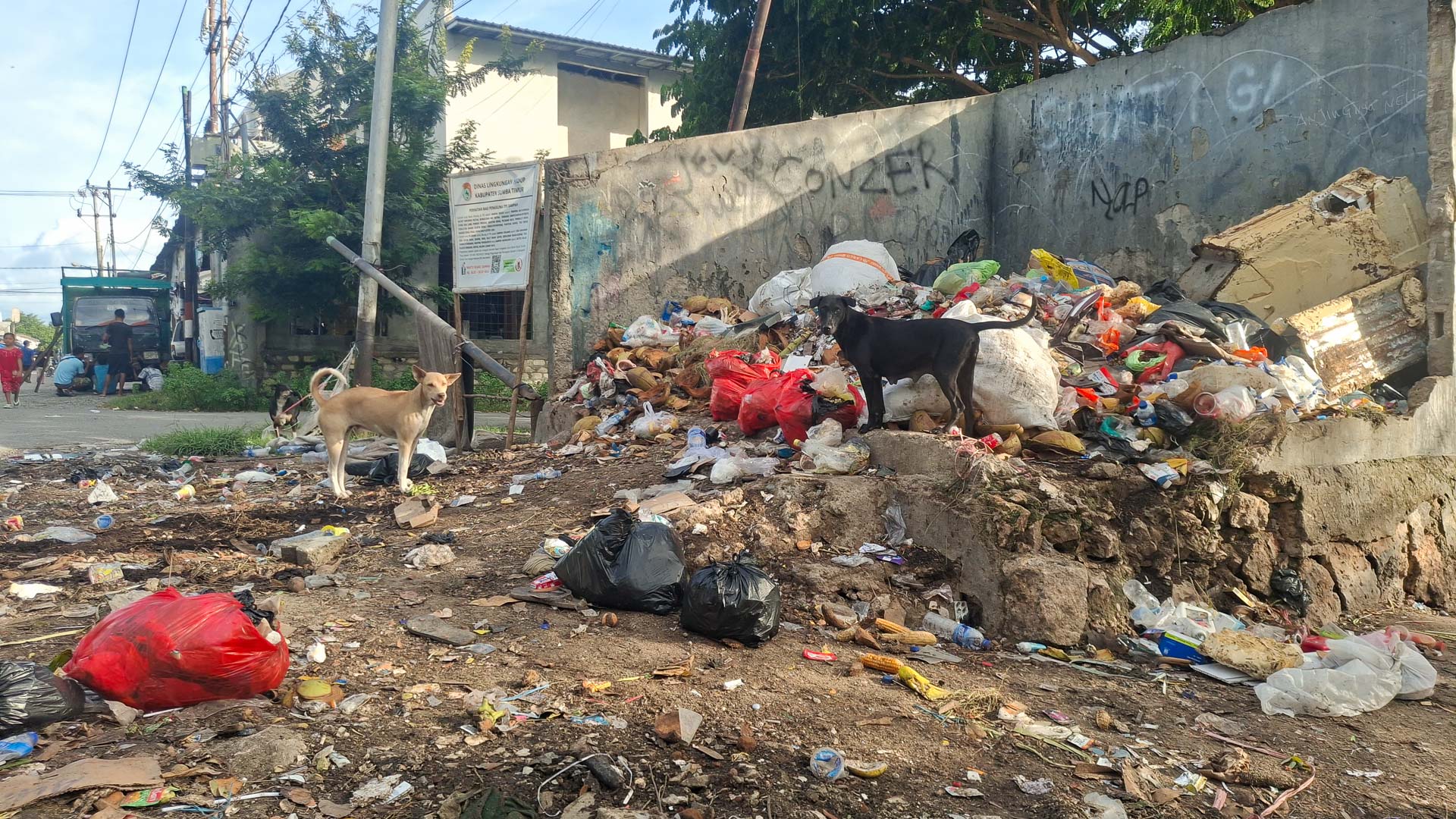
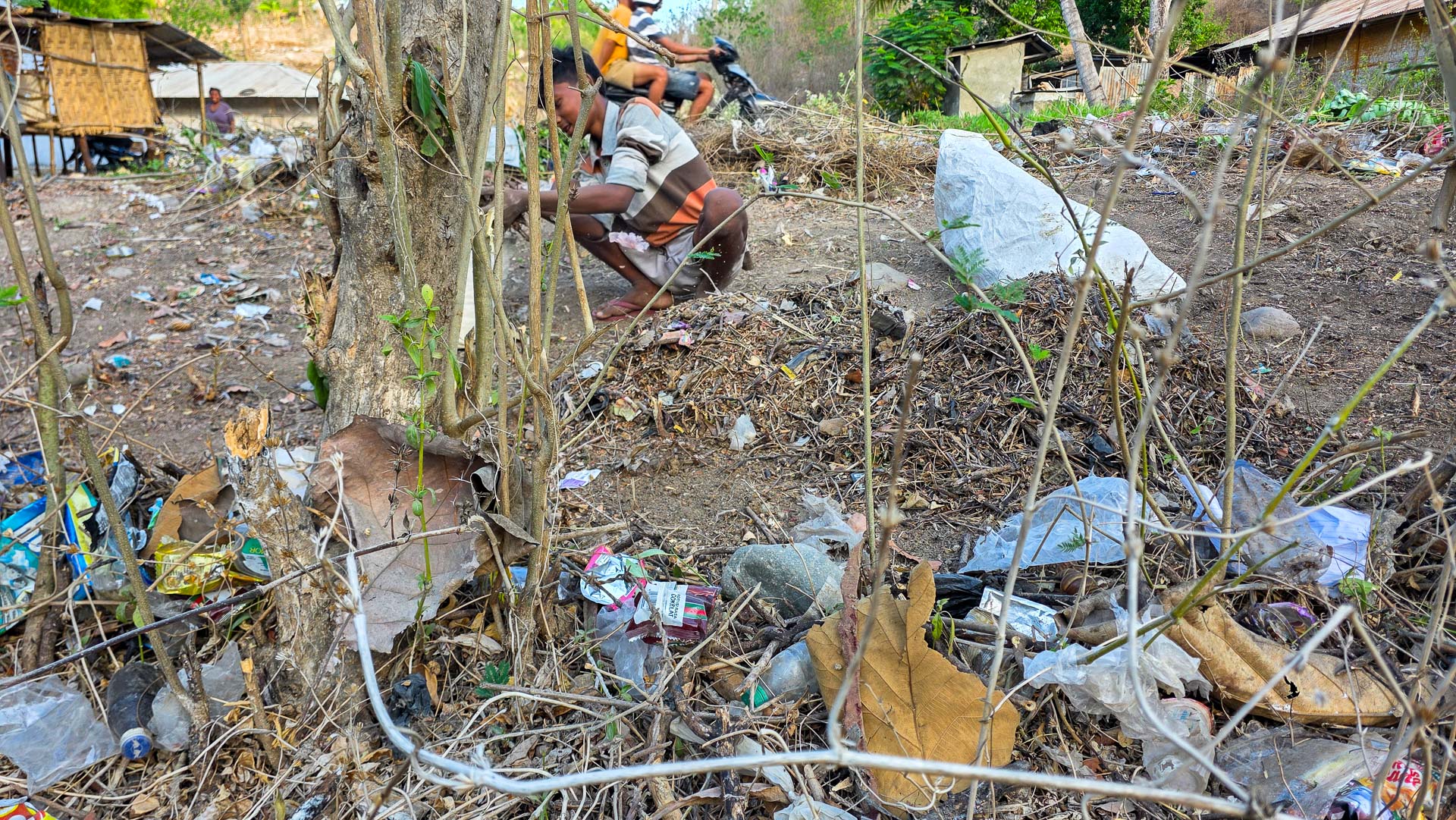
It is easy to accuse people of not caring. But when your daily questions are how to find food, drinking water or somewhere to wash, the future shrinks to the next twenty-four hours. These are not trivial worries. They are survival. Poverty steals the time and freedom needed to think beyond tomorrow. Responsibility cannot fall equally on a family struggling to eat, a company profiting from disposable products and authorities responsible for public services. We must not confuse exhaustion with indifference.
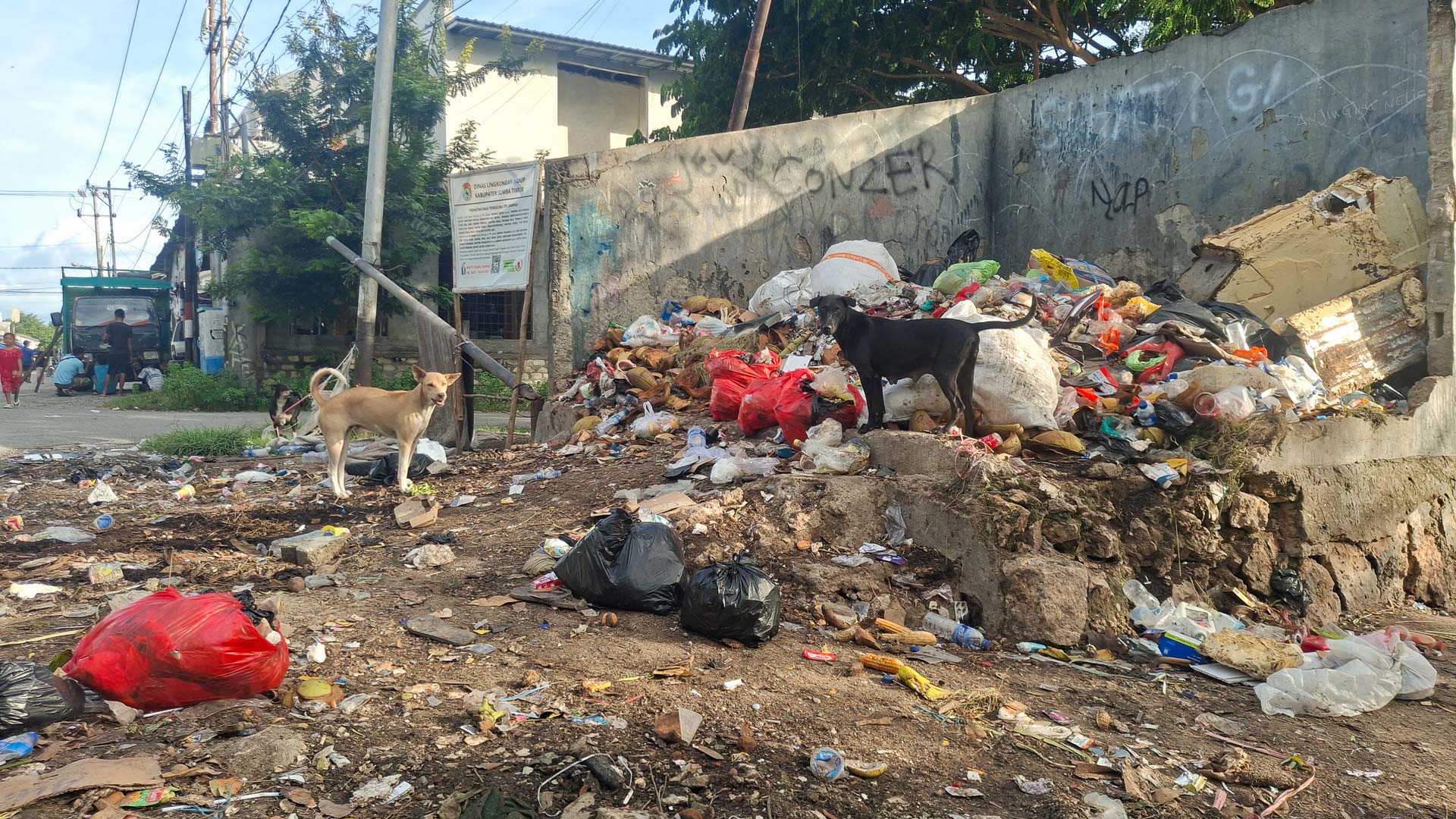
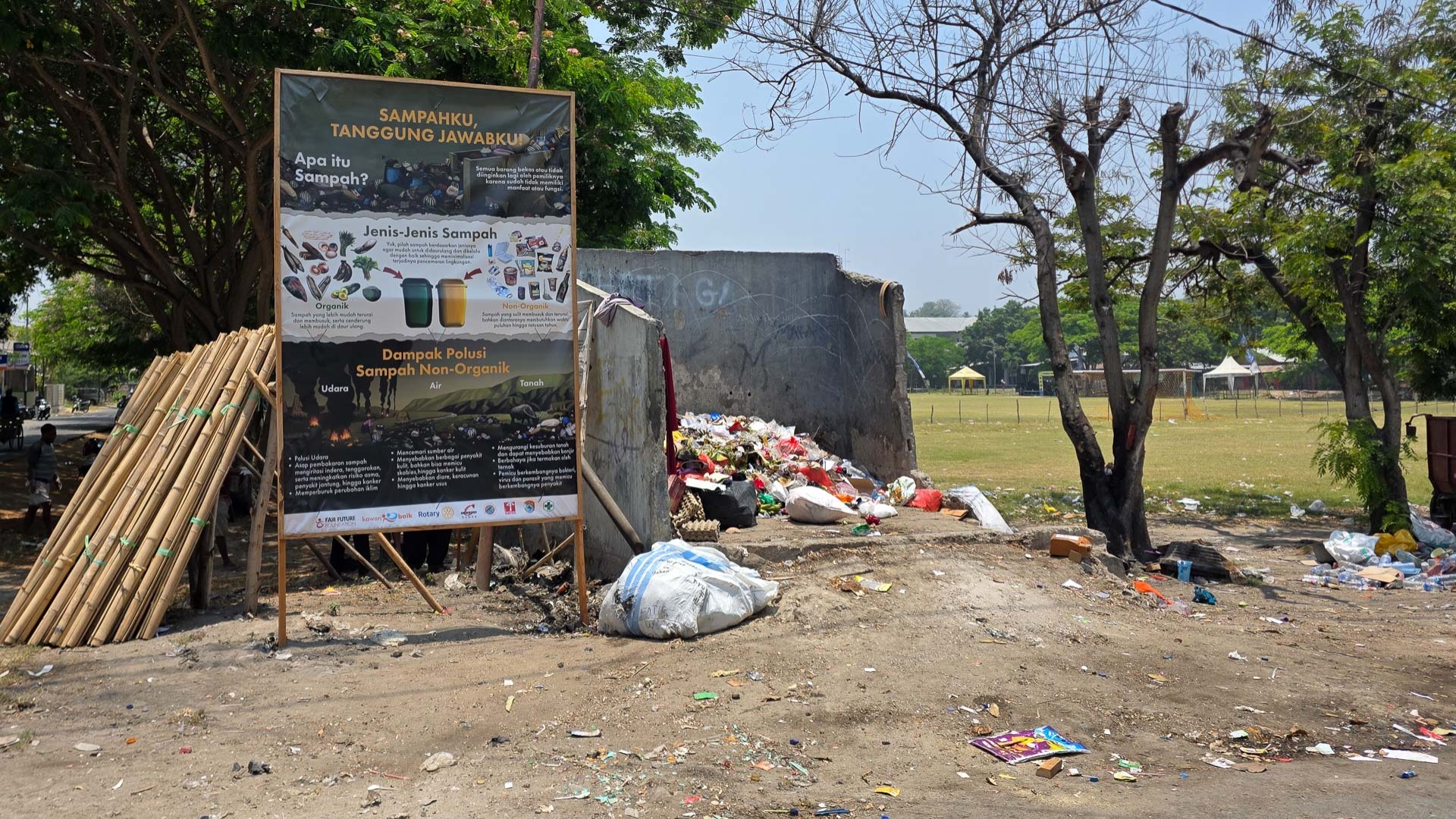
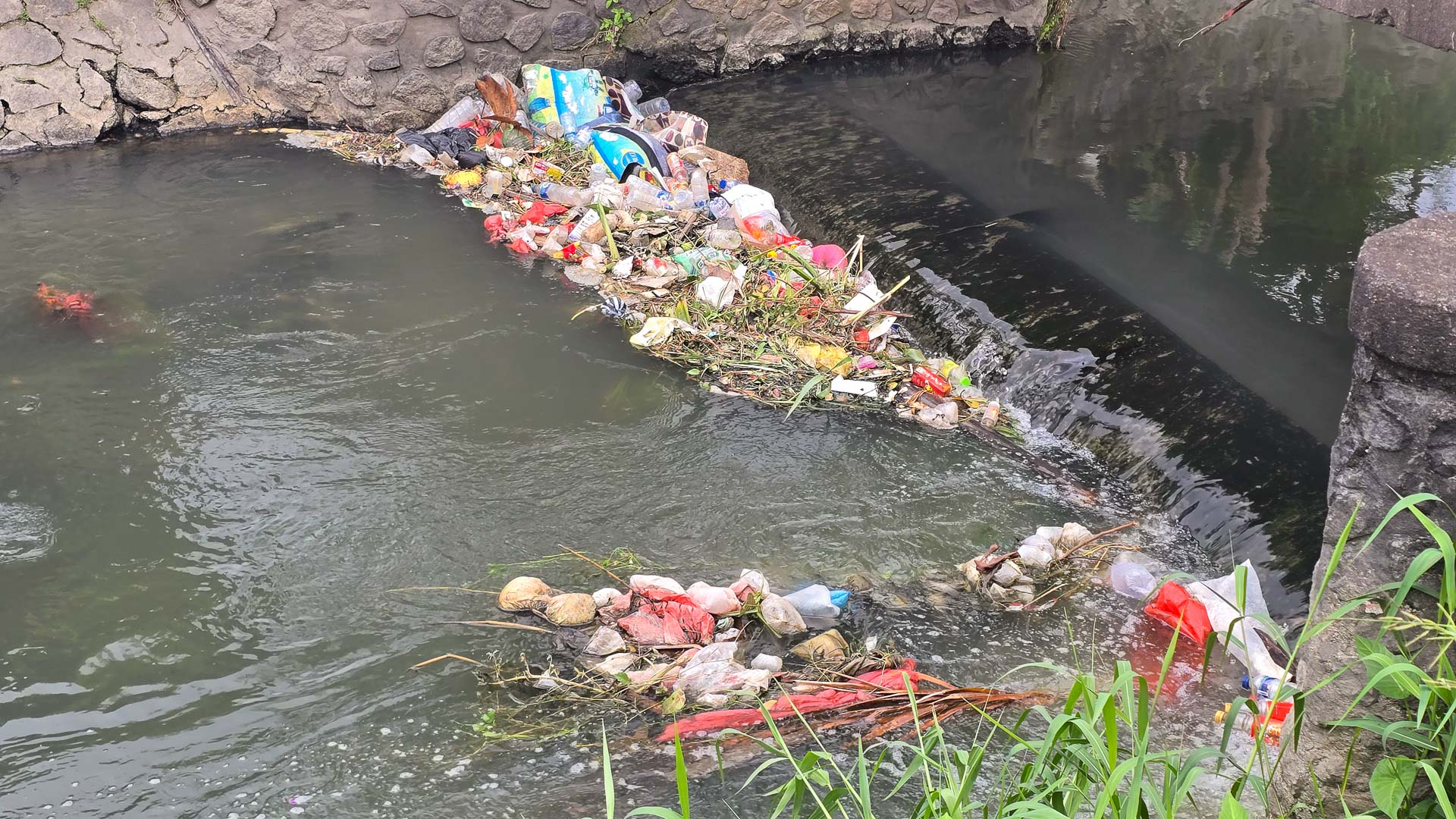
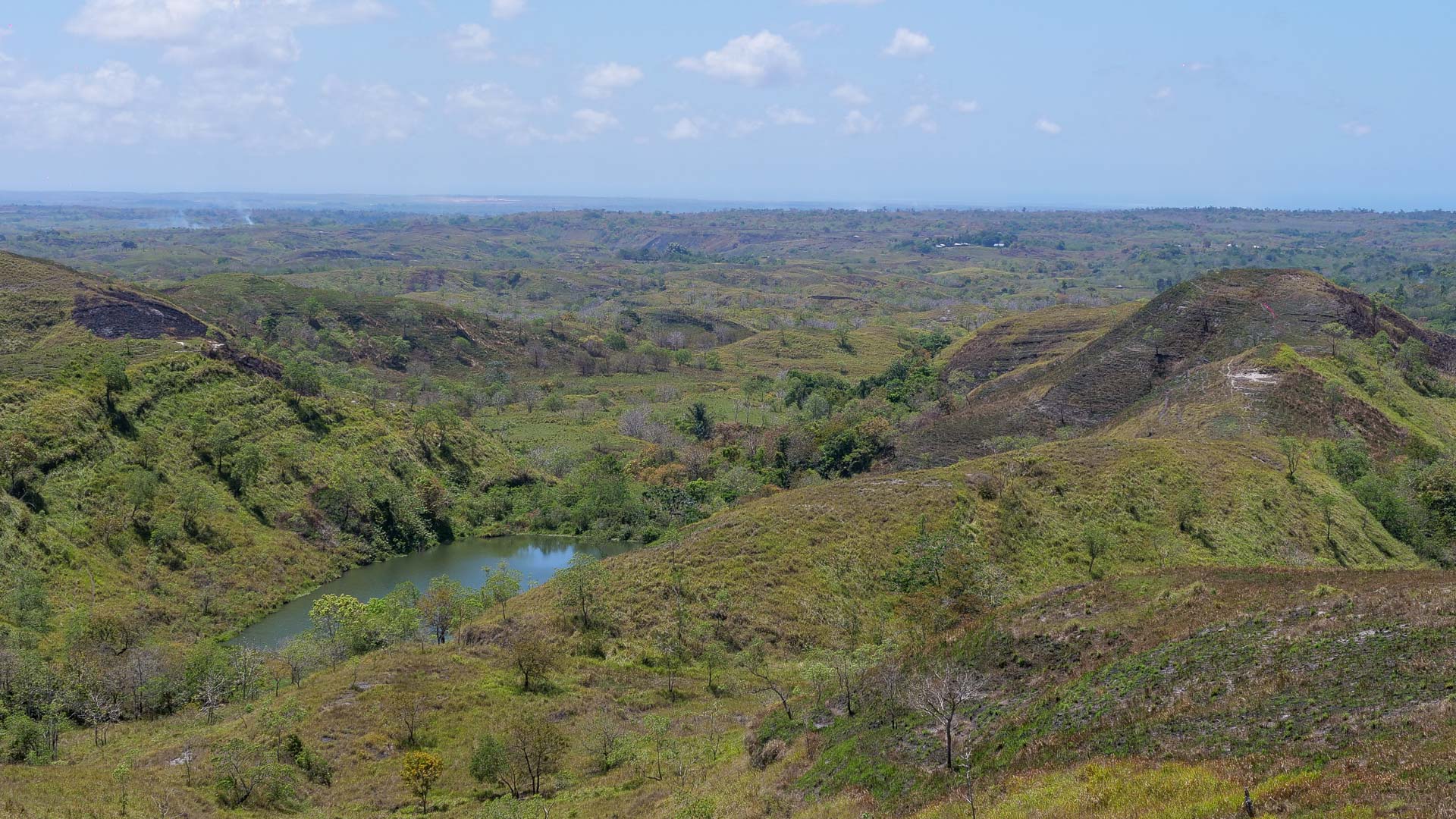
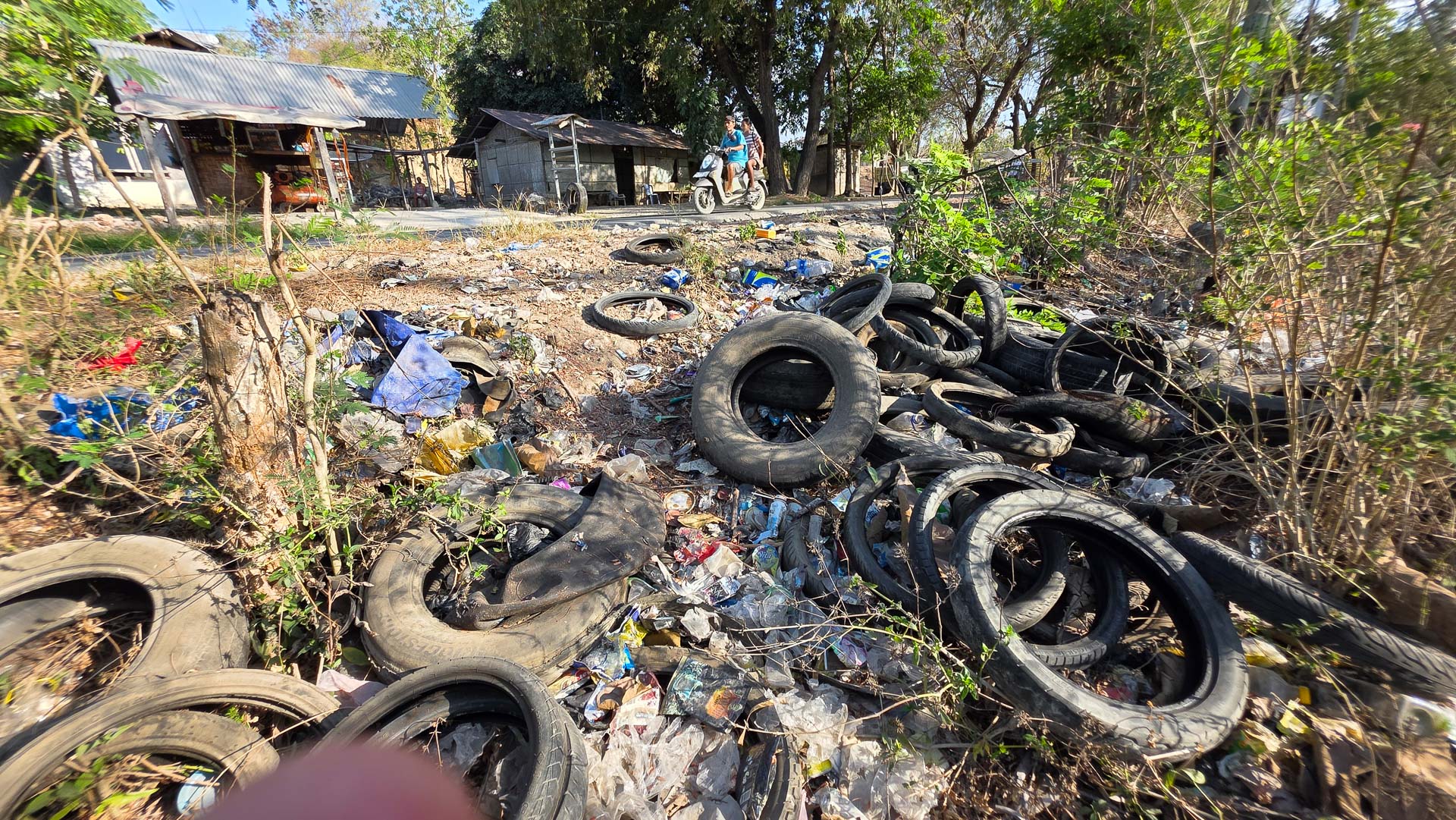
And still, look at the larger picture. We poison the water we must drink, pollute the air we must breathe and destroy habitats that help sustain life. We consume energy as if its consequences could be sent somewhere else. We treat animals as companions when it suits us and as disposable production units when it does not. When education and public services fail, people lose the tools to respond. The ozone layer is recovering because governments agreed to stop using chemicals that damaged it. Collective action works. And yet we are choosing collective self-destruction. This is a kind of self-mutilation on a planetary scale. We cut away what keeps us alive, then wonder why we are sick. The burden is shared profoundly unequally.
We are creating new opportunities for infection.
Disrupting habitats and increasing contact between wildlife, livestock and people can open new paths for pathogens. The World Health Organisation explains that most emerging infectious diseases originate in animals. Other infections move through unsafe water, food and mosquitoes. Antimicrobial resistance makes some infections harder to treat. Nature has never been free of disease. But our actions change exposure, transmission and the capacity of health systems to protect people. When we attack the balance around us, we also undermine our own defences.
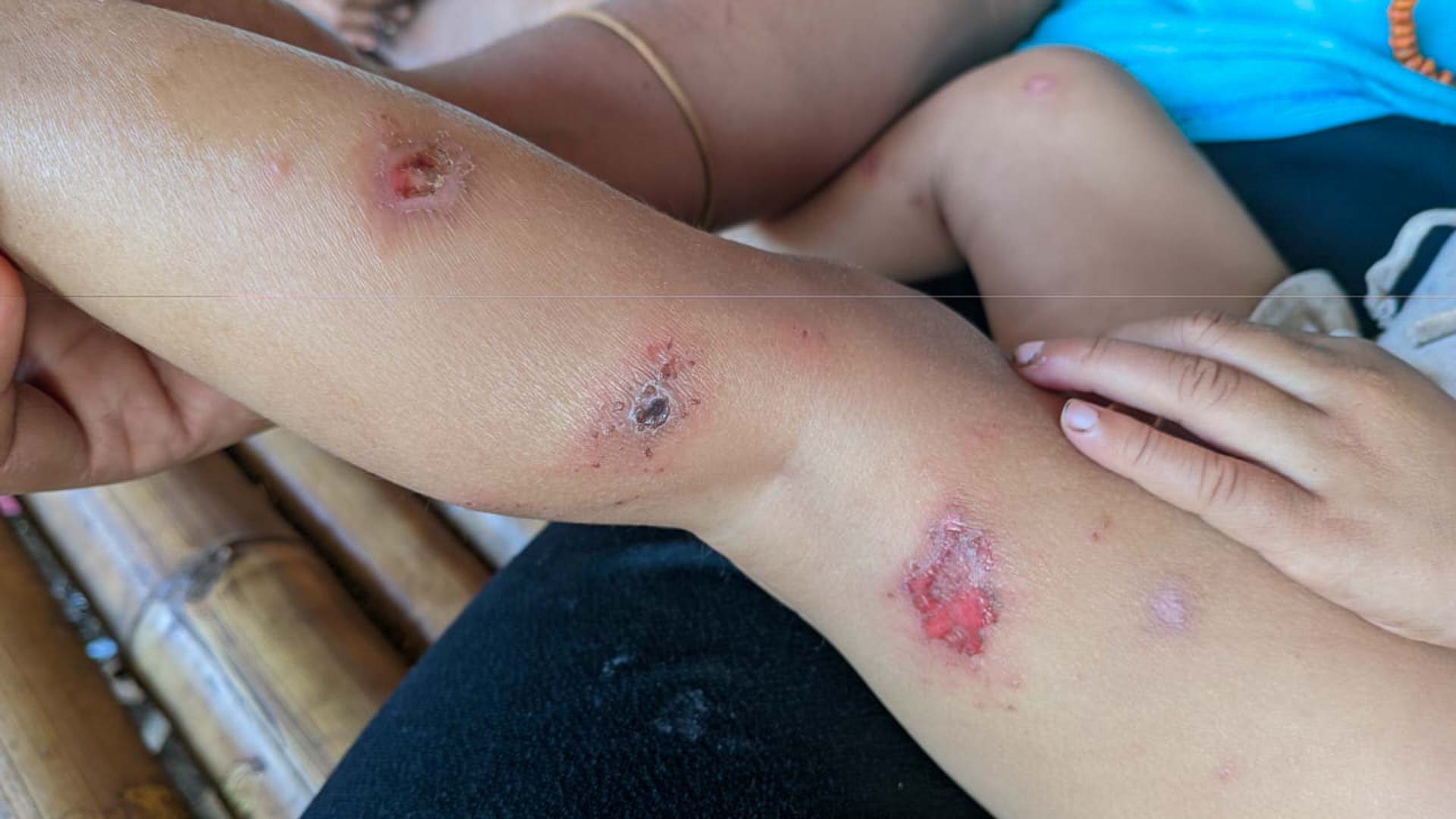
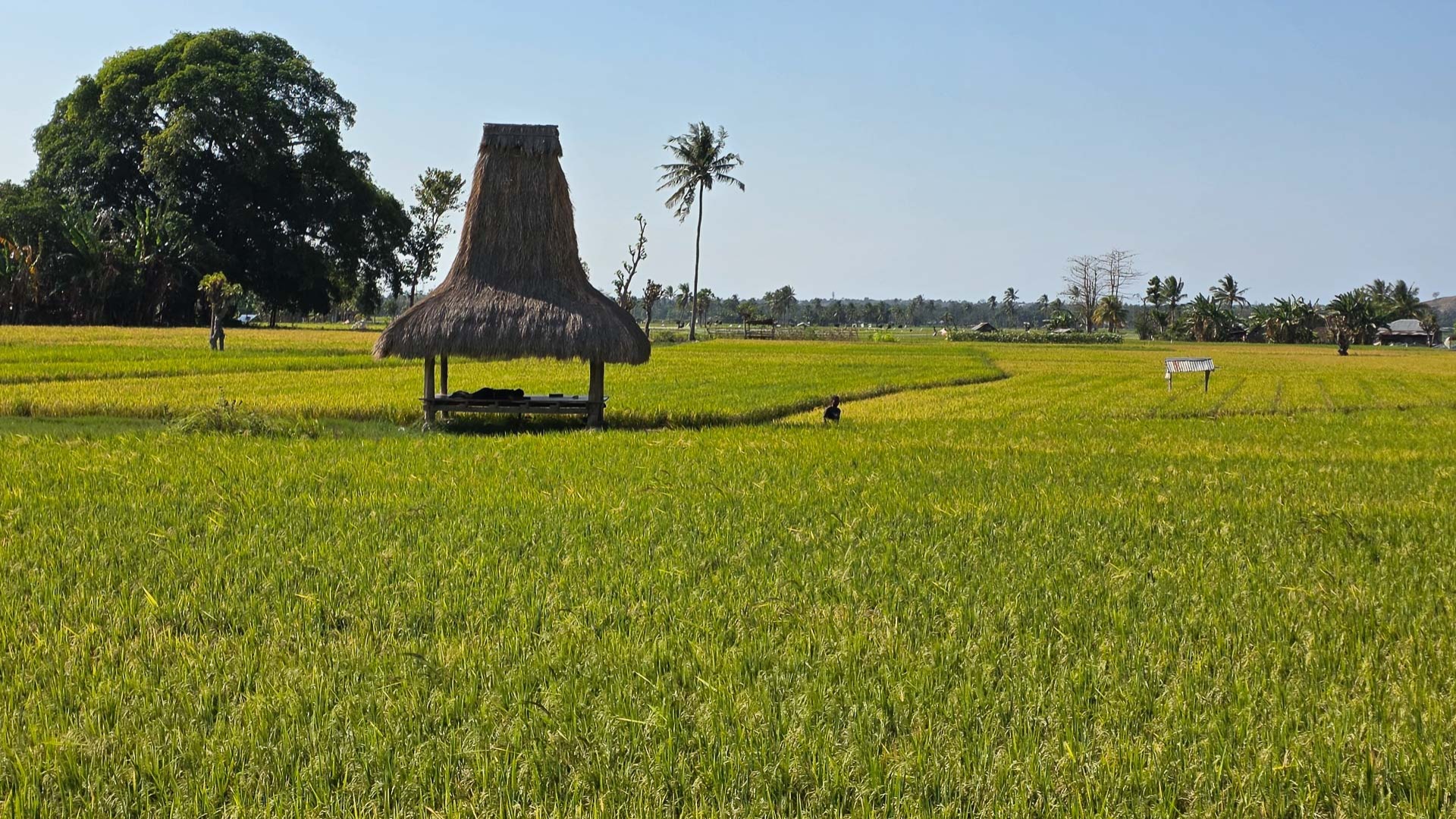
In East Sumba, our teams treat infections and study what prevents people with possible sepsis from reaching care in time. An infection can become life-threatening when diagnosis, antibiotics or referral come too late. I encounter clinical problems that I remember seeing less often. That is my experience, not proof of a regional trend. We need to investigate these signals carefully. But we cannot keep asking medicines to compensate for unsafe water, pollution, poverty and delays in care. Medicine can save lives. It cannot, alone, make a damaged environment healthy.
The next pandemic is not an abstract fear.
I believe another pandemic will come. I don’t know when, where, or how severe it will be, and nobody can honestly predict that. Not every outbreak becomes a pandemic. That is why surveillance and prevention matter. COVID-19 showed us how one infection could disrupt healthcare, schooling, livelihoods and trust. Yet we have already made so much of that experience feel distant. What frightens me is not only the next pathogen. It is our ability to normalise the conditions that make us vulnerable.
And I think of the children born today. What exactly are we leaving them? Why bring children into a future we keep making less safe? This is not a judgement of parents. It is a question for every adult, institution and industry that knows the cost of its decisions. At Fair Future Foundation, alongside Kawan Baik Indonesia, we work on Acqua pulita, community healthcare, malaria prevention and education because these connections are real. They are practical responses, not a cure for a broken system. We are injuring ourselves and calling it progress. We cannot keep making the world sick and expect medicine to repair the damage afterwards.
Alex Wettstein – Fair Future Foundation
We Cannot Make the World Sick and Ask Medicine to Repair It
Three circles connect human, animal and environmental health. Alex Wettstein brings that connection into daily life in East Sumba: poverty, unequal responsibility, infections and care that comes too late. He asks what we are leaving our children, and why we expect medicine to repair the damage caused by choices that undermine the conditions keeping us alive.
One Health | Human, Animal and Environmental Health in Daily Life
Verified external resources
- Organizzazione Mondiale della Sanità: WHO explains how human, animal and environmental health are connected, and why prevention requires cooperation across sectors and communities.
- UNEP Ozone Secretariat: UNEP describes the Montreal Protocol and how coordinated action against ozone-depleting substances supports recovery of the ozone layer.
- Organizzazione Mondiale della Sanità: WHO explains sepsis, its risks and the importance of early recognition and appropriate care, alongside prevention through water and sanitation.
- Organizzazione Mondiale della Sanità: WHO explains how antimicrobial resistance makes infections harder to treat, and why prevention and appropriate use of medicines both matter.
- Organizzazione Mondiale della Sanità: WHO describes the clinical management of sepsis, including early recognition, emergency care, referral and stronger links between health services.
