


Aumento dei casi di tubercolosi: cause e soluzioni
Examining the increase of tuberculosis in East Sumba’s extremely rural areas, its causes and prevention methods, along with Fair Future initiatives to deliver medical care.

Addressing the growing challenge of tuberculosis in ultra-rural communities with prevention and care.
The Importance of Addressing Tuberculosis in East Sumba | In the remote, ultra-rural, and economically disadvantaged areas where we operate, including East Sumba, tubercolosi (TB) is rapidly becoming a serious public health crisis. Fair Future feels a strong obligation to raise awareness and address this urgent issue. The rise in tubercolosi cases underscores broader problems, such as limited access to healthcare, poor living conditions, and a lack of awareness about the disease. This article aims to highlight the impact of tubercolosi on society and healthcare while detailing our efforts to support communities affected by this illness.
First, let me explain tuberculosis, its causes, symptoms, and social impact.
Tuberculosis (TB) is a contagious bacterial infection caused by Mycobacterium tuberculosis. It primarily affects the lungs but can also spread to other body parts. Transmission occurs through airborne droplets when an infected person coughs o sneezes. Common symptoms include a persistent cough, fever, weight loss, fatigue, and night sweats.
The disease disproportionately impacts vulnerabile populations, including those living in povertà, suffering from malnutrizione, or residing in crowded and poorly ventilated housing. The stigma associated with tuberculosis often results in delayed diagnosis and treatment, which further facilitates its spread. In common terms, tubercolosi is often referred to as “the disease of the poor.”
Leggi di più qui
Major Health Challenges in Ultra-Rural Communities of Eastern Indonesia
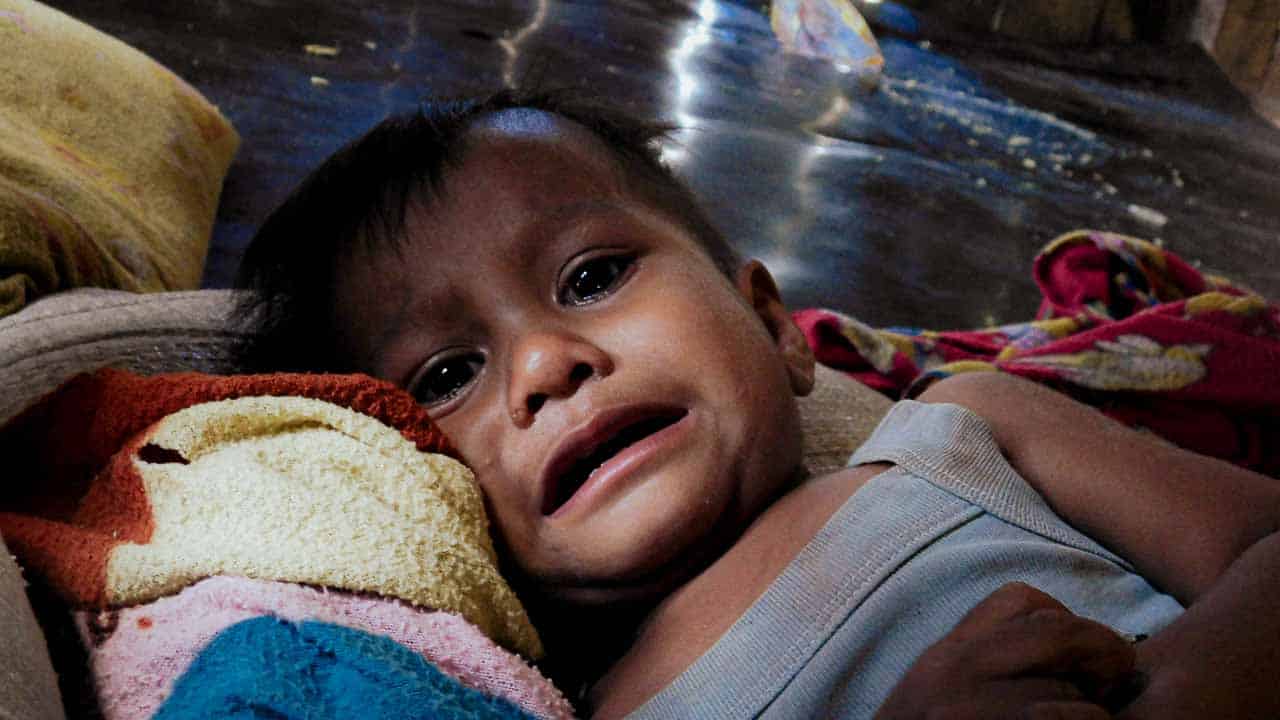
Addressing the growing challenge of tuberculosis in ultra-rural communities with prevention and care.
In the extremely remote regions where our foundation is active, a set of interrelated factors are contributing to a surge in tuberculosis, forming an ideal environment for the disease’s spread:
- Lack of Vaccination: Il Bacillus Calmette-Guérin (BCG) vaccine protects children from severe tubercolosi. However, access remains limited in remote areas due to logistical challenges and vaccine hesitancy stemming from misinformation. Improving outreach and educational programs is crucial to address these issues. This problem is exacerbated by limited healthcare infrastructure and vaccine hesitancy among the population.
- Substandard Living Conditions: Overcrowding and poor ventilation in homes significantly increase the risk of tubercolosi transmission. In rural areas, many families live in tiny, poorly built houses, making it difficult to maintain distance. Insufficient airflow allows tubercolosi to spread rapidly within households and communities.
- Limited Knowledge: Limited awareness of tubercolosi symptoms, transmission, and the importance of early treatment often leads families to delay seeking medical help. Additionally, the stigma surrounding TB discourages individuals from reaching out, resulting in later diagnoses and increased transmission rates.
- Compromised Immune Systems: Poor nutrition, along with diseases like malaria and dengue, weakens the immune systems of people in poverty, increasing their susceptibility to tubercolosi e hindering recovery. Children, the elderly, and those with existing health issues are particularly vulnerable.
- Limited Healthcare Access: Many individuals in these regions cannot access tubercolosi testing, diagnosis, or treatment due to insufficient healthcare infrastructure. Facilities, when available, are often poorly located and lack the necessary resources for proper care.
A comprehensive strategy is essential to tackle these challenges effectively. This should include increasing vaccination rates, educating communities about tubercolosi, improving living conditions, and ensuring access to nutritious food and healthcare. Addressing these elements together is vital for reducing the spread of TB in ultra-rural areas.
Understanding Infection Prevention and Control Measures

Addressing the growing challenge of tuberculosis in ultra-rural communities with prevention and care.
Fair Future stresses that preventing tuberculosis (TB) necessitates a comprehensive approach, specifically designed to meet the distinct challenges of ultra-rural communities. This strategy should be deeply integrated into local health cultures and practices. It must consider medical, social, and environmental factors while promoting community engagement and empowerment.
- Vaccinazione: Il BCG vaccine prevents severe tubercolosi, especially in children. However, its availability in remote areas like East Sumba is limited due to logistical issues, poor healthcare infrastructure, and vaccine hesitancy. Expanding vaccination efforts, improving cold chain logistics, and educating families about immunization benefits are essential to protect at-risk populations.
- Educazione: Education is essential in the fight against tubercolosi. Tailored awareness initiatives can help communities recognize TB symptoms, understand its transmission, and seek prompt medical care. Informing families about the importance of completing treatment is critical in preventing drug-resistant TB, which is harder and more costly to treat.
- Hygiene and Ventilation: Poor ventilation and overcrowding contribute significantly to the spread of tubercolosi. Simple measures like opening windows, improving home airflow, and reducing population density can be effective. Educating families on affordable ways to enhance air circulation is crucial for breaking the infection cycle.
- Nutrizione: Malnutrition weakens the immune system, increasing vulnerability to TB infections and hindering recovery. Access to protein-rich foods che boost immunity is crucial. Fair Future stresses the importance of including nutritional support in TB treatment and prevention to help patients and their families restore their health.
- Access to Healthcare: Accessing healthcare services is a significant challenge in rural areas. Strengthening local health centers, training health workers in diagnosing and managing tubercolosi, and providing reliable transportation for clinic visits are essential. Fair Future partners with organizations like Kawan Baik Indonesia e Sumba Volunteers to ensure communities receive timely and adequate medical care.
- Social Support: The stigma associated with tubercolosi often results in isolation, preventing individuals from seeking help and worsening the disease’s spread. Community initiatives that promote understanding are essential, and providing counselling for patients and their families can help reduce the social impact of tubercolosi and improve treatment adherence.
By combining vaccinations, education, better living conditions, nutrition, accessible healthcare, and social support, we can effectively combat tubercolosi in East Sumba and other underserved regions.
Fair Future’s Role in Supporting Communities Impacted by TB
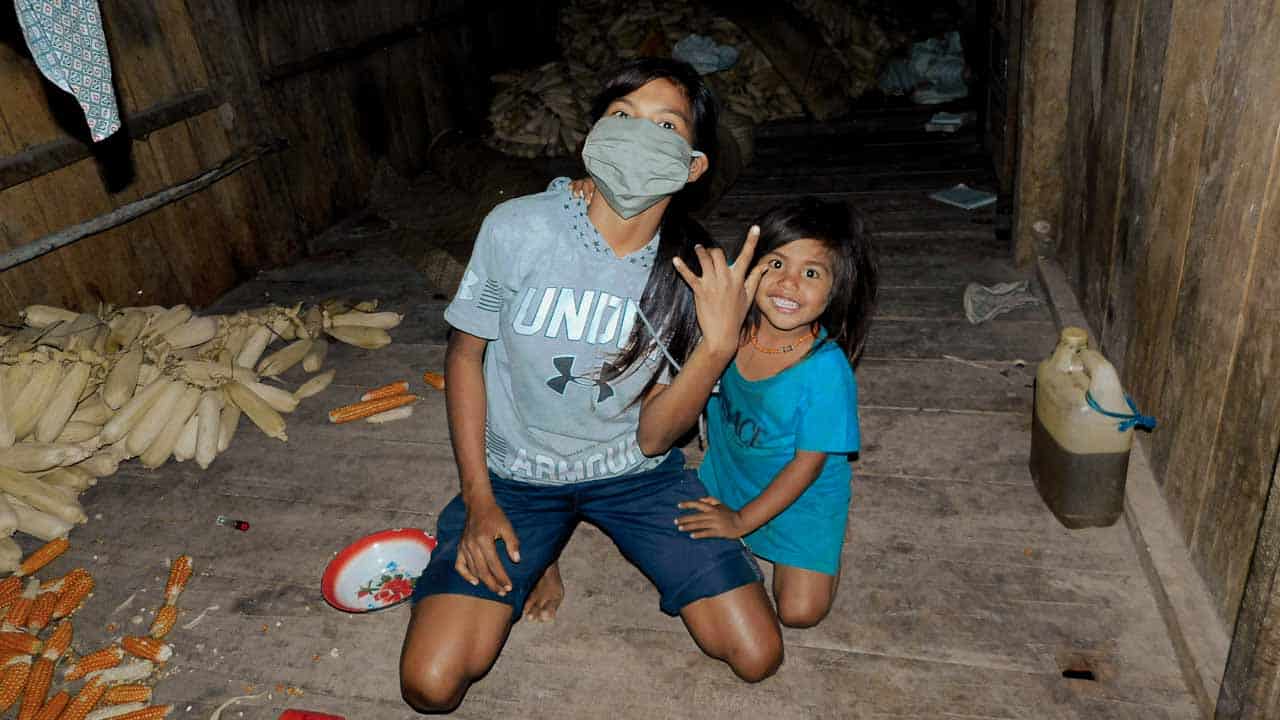
Addressing the growing challenge of tuberculosis in ultra-rural communities with prevention and care.
Indeed, we prioritize the fight against tuberculosis in rural areas. Our overall strategy focuses on early detection, education and treatment as part of our primary health care program.
- Early identification of tubercolosi symptoms: We work with the Kawan Sehat operatori sanitari to identify potential tuberculosis cases. By providing training and tools, we enable these workers to recognize symptoms early and refer people to care quickly, as is routinely done.
- Educational initiatives: Education is key in the fight against tubercolosi. We conduct awareness campaigns to inform families about tubercolosi symptoms, transmission and the importance of completing treatment, which enables communities to seek care on time.
- Nutritional support: Malnutrition can worsen tubercolosi. We provide nutritional support, providing patients access to protein-rich foods to facilitate recovery and reduce relapse rates.
- Collaboration with health centers: Continuous treatment is essential for managing tubercolosi. We partner with local medical facilities to ensure continued care and help patients reach clinics.
Our approach emphasizes early intervention and community support to combat tubercolosi in vulnerable populations, fostering hope and healing among affected communities.
Recovery Pathways: A Comprehensive Healing Journey

Addressing the growing challenge of tuberculosis in ultra-rural communities with prevention and care.
Tuberculosis can be cured, but its treatment requires dedizione e consistency. The typical course of treatment involves taking a combination of antibiotics every day for 6 to 9 months. This extended duration is crucial for fully eliminating the bacteria (like Mycobacterium tuberculosis), preventing recurrence, and stopping the further spread of the disease.
The most commonly used medications are:
- Isoniazid (INH): This is a key drug that kills actively growing TB bacteria;
- Rifampin (RIF): A powerful antibiotic that eliminates both active and dormant TB bacteria;
- Pyrazinamide (PZA): Targets TB bacteria in acidic environments, such as within infected cells;
- Ethambutol (EMB): Prevents the development of drug-resistant TB by weakening the bacterial cell wall;
This combination is typically administered during the intensive phase of treatment, lasting 2 mesi. Following this, the continuation phase involves Isoniazid e Rifampin for an additional 4–7 months to ensure complete eradication of the bacteria.
It’s critical to take these medications exactly as prescribed to prevent relapse or the emergence of multidrug-resistant TB (MDR-TB).
Adhering to the treatment schedule is essenziale, not only for personal recovery but also to prevent the development of drug-resistant TB strains. Treating multidrug-resistant tuberculosis (MDR-TB) is significantly more Sfida e expensive, often requiring longer and more intensive medical treatments.
Especially here, where we work in very rural and isolated areas, many families struggle to follow medical regimens due to limited access to healthcare, long travel distances, and high transportation costs. Additionally, a lack of awareness Sull'importanza di completing treatment can lead to interruptions that complicate recovery.
Un futuro giusto addresses these disparities by providing logistical support, raising awareness about treatment adherence, and partnering with Sanità providers and autorità locali to ensure patients have consistent access to essential medications. Our goal is to migliorare treatment outcomes and ridurre the impact of tubercolosi on vulnerable communities.
Future Plans: Reducing Tuberculosis in Remote Regions
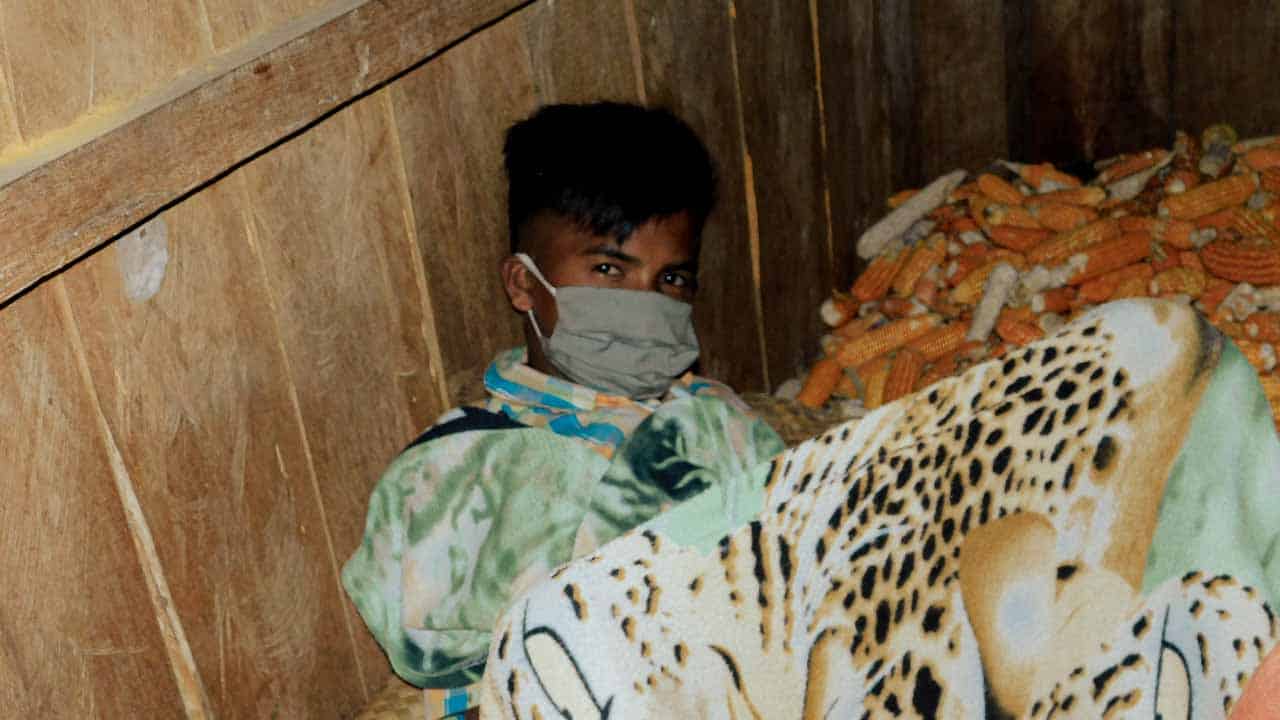
Addressing the growing challenge of tuberculosis in ultra-rural communities with prevention and care.
Effectively combating tuberculosis requires a comprehensive strategy that addresses root causes and disrupts transmission. This involves treating affected individuals and creating conditions to limit the spread of the disease.
- Vaccination Campaigns: Expanding access to the BCG vaccine for children in remote areas is crucial. We can reduce severe tubercolosi cases by combining educazione comunitaria with vaccination efforts.
- Educazione: Raising awareness about tubercolosi symptoms and the need for early diagnosis helps empower communities to seek help without fear.
- Enhanced Living Conditions: Improving living conditions, such as reducing overcrowding and enhancing ventilation, is vital for lowering transmission rates.
- Nutrition: Nutrizione also plays a key role in boosting immunity, making access to cibo sano essential for prevention and recovery. Integrating nutritional support con tubercolosi treatment helps families restore their health.
Un futuro giusto is dedicated to connecting isolated communities con essential healthcare services. By partnering with local Kawan Sehat health agents and medical centres, we ensure effective care while addressing the underlying factors contributing to the disease.
By working collaboratively e maintaining consistent support, we can alleviate the impact of tubercolosi in ultra-rural East Sumba, bringing salute, dignità, and real solutions back to affected families.

Addressing the growing challenge of tuberculosis in ultra-rural communities with prevention and care.
A final word of thanks to all of you..
Tuberculosis continues to pose a significativo challenge in our regions. However, through collective efforts, we can bring about substantial change. By addressing the root causes of tubercolosi, migliorando access to health services, e empowering communities attraverso iniziative educative, we have the potential to save lives and build a healthier future.
We sincerely thank all those who support Fair Future’s mission. Your compassion, generosity, and commitment allow us to continue our efforts in remote and vulnerable areas. Together, let us continue to work hand in hand to bring efficient solutions, salute, and healing to those who need it most.
Today, December 3rd, 2024 – Alex Wettstein, Fair Future Foundation
