


Gli insegnanti forniscono primary medical care
Here, in the eastern regions of Indonesia, the health coverage of rural populations remains largely incomplete. In terms of infrastructure, access, equipment, funding and knowledge. The local health system is lagging behind sustained population growth. Fair Future is changing that and providing access to primary medical care for the poorest people in the country and in Asia. We give you the proof in some images here.
Ciao, sono Alex. How are you doing today? First of all, I would like to start by asking you, are you okay? If you are healthy?
“-Where we operate under this program of access to so-called “basic” or “primary” medical care, more than 80% of deaths could be avoided if the population of these rural villages had access to primary medical care or basic drugs.”
Some facts
Lausanne or Geneva has one doctor for every 300 inhabitants, while Indonesia has one for nearly 80,000 inhabitants. These are the facts facing the people of these regions. Of course, these numbers differ depending on where you live. But here in eastern Indonesia in the areas where we are at the moment, the simplest way is to say there is rarely a doctor available for these hundreds of thousands of people.
Da quando Fair Future e Kawan Baik Indonesia Le fondazioni hanno avviato questo programma formando più di sessanta persone e pubblicando due libri (one for schools for children, and the other for participants in this program), il results are simply outstanding and the enthusiasm of these new rescuers -who are, as a reminder, the teachers of these villages and ultra-rural regions of East Sumba-, is simply extraordinary, it exceeds all our wildest expectations.
These two books consist of the following
- Il primo libro: “Kawan Sehat”, è composto da venti tavole che trattano temi relativi a una vita più sana per le scuole nelle regioni ultra-rurali;
- The second book: “La prima azione da intraprendere se non c’è un medico”, è composto da quattordici moduli di formazione teorica e di esercitazioni pratiche, che illustrano come comportarsi in caso di emergenza medica. È destinato agli insegnanti delle scuole rurali. Quest’ultimo segue anche un corso di formazione di diversi giorni basato su questo libro.
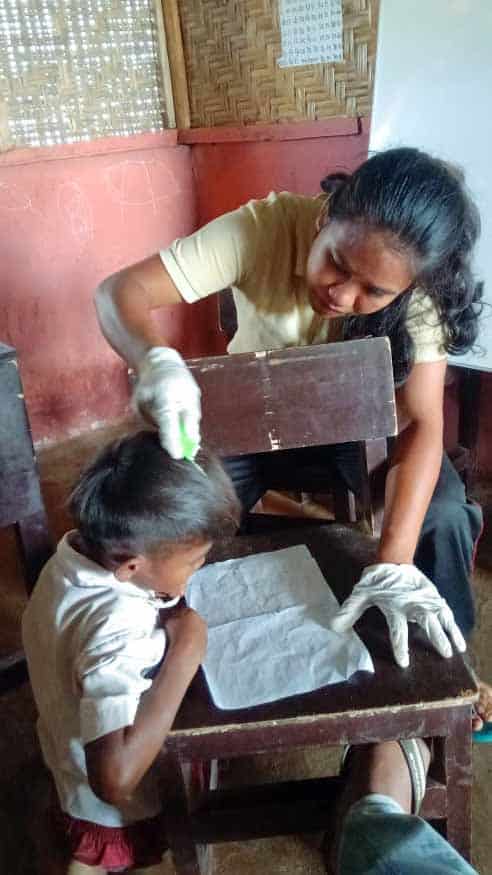
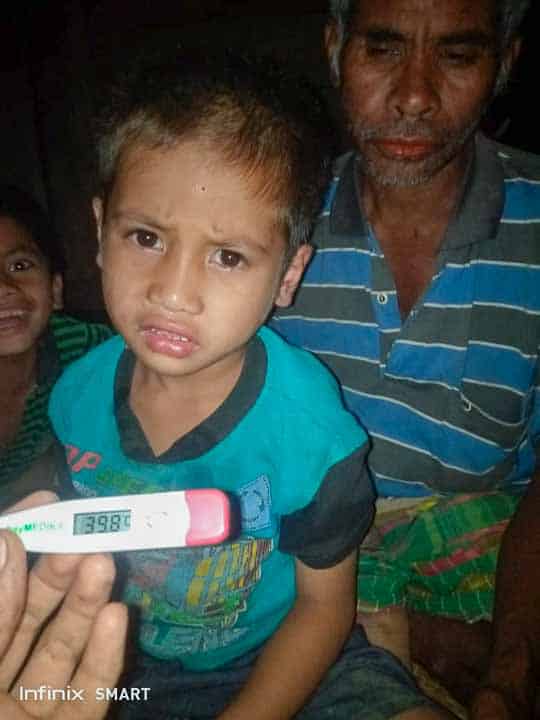
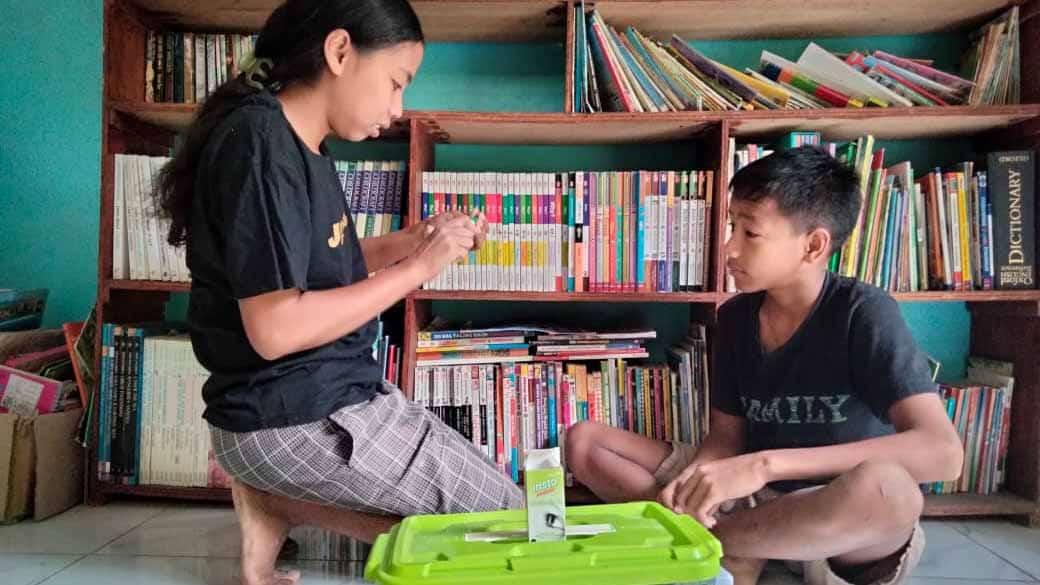
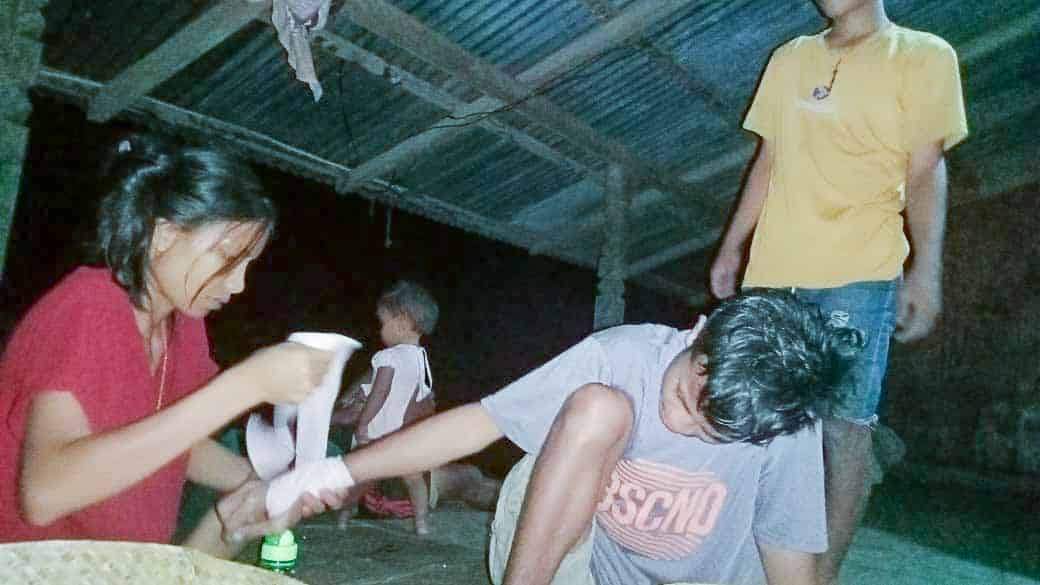
The images that we present to you below show you some of the medical situations that teachers face on a daily basis. Photos are taken by mobile phone and uploaded via WhatsApp to the “healthy friend” group.
The participants in this innovative program “Primary medical care in rural areas”, which consists of empowering people, are all teachers who teach in schools isolated from everything (schools in the outermost regions).
As a reminder, all of these villages where we have implemented this program are very difficult to access, water is rare and clean water is absent. Electricity is non-existent in most homes. And of course, access to medical care is often impossible, because the nearest medical centre is very far away, and people don’t have a vehicle. Sometimes you have to walk for hours. And in all these villages, there is no doctor, no nursing staff living.
A 24-hour WhatsApp working group
Fair Future has created a group on WhatsApp called “The Healthy Friend”. It includes all the teachers/rescuers, two doctors and the coordinators of this program (Fair Future and Kawan Baik as well as the Charis Foundation and Sumba Volunteer).
When a medical situation arises, and in case of doubt, the person in charge of giving first aid can contact us directly to ask for an opinion, a solution, or, most importantly, to share their work and his experience with others.
Grazie mille per il vostro interesse, Kawan.
Vi auguriamo un bellissimo giorno, ovunque voi siate. Ricordatevi di prendervi cura di voi stessi e di chi amate. È la cosa più importante.
Alex – Fair Future Foundation – 02.02.2023, Casa Kambera.
Here are some of the photos taken by the teachers
Non sono medici o infermieri. Grazie alle conoscenze acquisite durante i moduli formativi in primary medical care, sono insegnanti che curano, salvano vite umane, individuano i primi sintomi della Dengue o della malattia e agiscono. Questi insegnanti, nei loro villaggi privi di acqua, luce elettrica, accesso stradale e soprattutto di medici, forniscono assistenza medica ai bambini feriti o malati e salvano vite!
La magia di questo“Assistenza primaria medica”Un programma? È semplicemente unico al mondo e funziona. Il primo gruppo di sessanta insegnanti che hanno seguito la formazione primary medical care nelle zone rurali ci racconta la loro esperienza”. “espropriazioni” e il loro lavoro come soccorritori. Prendono fiducia in se stessi come la cosa più importante, e noi ne siamo consapevoli. La cura medica viene fornita bambini di adulti malati o feriti. Si stanno salvando vite.
Da quando Fair Future e Kawan Baik Indonesia Le fondazioni hanno avviato questo programma formando più di sessanta persone e pubblicando due libri (uno per le scuole per bambini e l'altro per i partecipanti), I risultati sono semplicemente straordinari. L’entusiasmo di questi nuovi soccorritori – che, a proposito, sono gli insegnanti di questi villaggi e di queste regioni ultra-rurali dell’East Sumba – è semplicemente straordinario. Supera tutte le nostre più strane aspettative. Le immagini di questo articolo vi mostrano alcune delle situazioni mediche quotidiane che gli insegnanti devono affrontare.
Le foto vengono scattate con il telefono cellulare e caricate al gruppo “healthy friend” tramite WhatsApp. I partecipanti a questo programma innovativo, “Primary Medical Care in zone rurali”, che consiste nel dare potere alle persone, sono tutti insegnanti che insegnano nelle scuole isolate da tutto il resto. (scuole nelle regioni ultraperiferiche). Leggi maggiori informazioni qui, kawan.




Per inciso, sapete cosa significa Kawan Baik? No? Allora cliccate qui per scoprire Kawan!
