|
Before the walls, there is water
👋 Hello, it’s Alex. How are you?
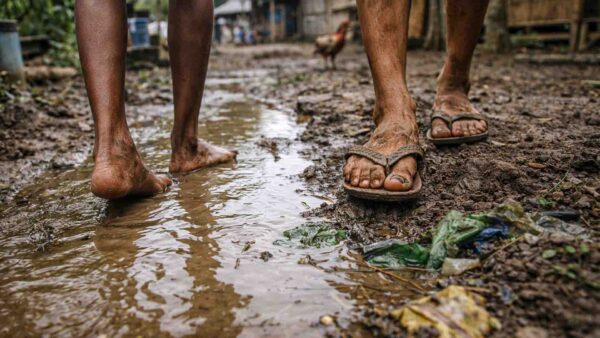
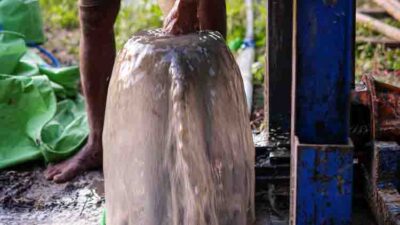
I am writing to you from East Sumba, from our far-too-old socio-medical base camp, with dust in my shoes and that particular kind of fatigue you feel after several days spent searching for something very simple, but essential: water.
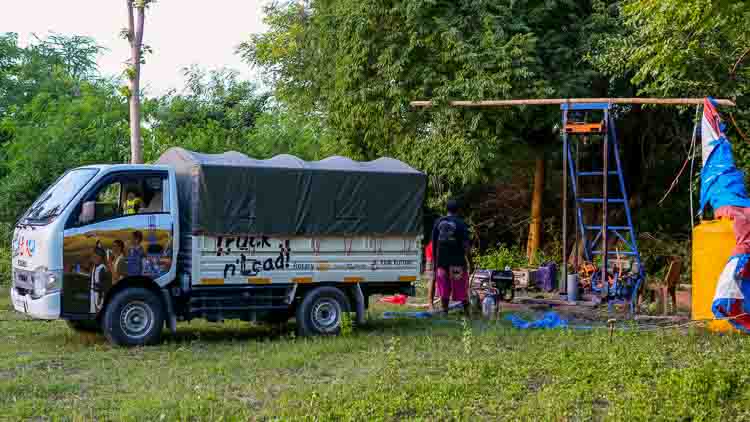
Not an idea. Not a line in a budget. Real water, beneath our feet, on the land we have acquired to build Rumah Kambera 2.0. This week, the first physical work for our future socio-medical centre began. Not with a wall. Not with a ceremony. With drilling.
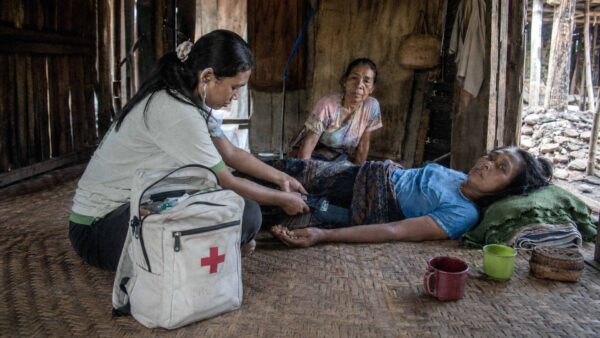
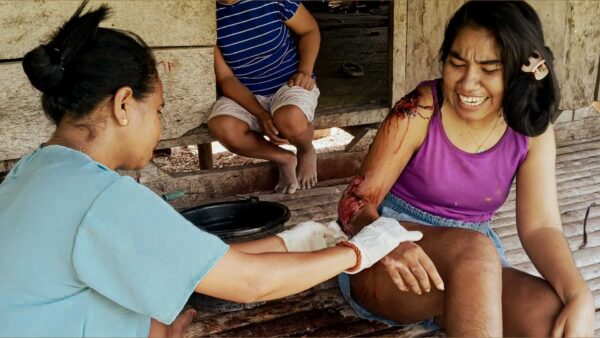
Before speaking about medicine, you sometimes have to hold a pipe, listen to the sound of a pump, watch the water rise, measure its salinity, wait, and start again. Here, water is not a technical detail. It is the first condition for care. Without clean water, you cannot properly clean a wound, wash your hands, or prepare a consultation in decent conditions. Ordinary infections are allowed to become serious simply because everything around them is missing.
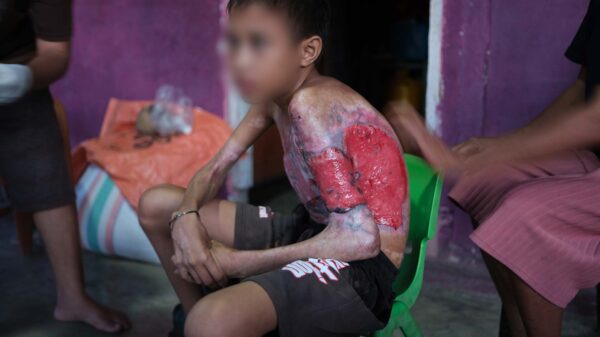
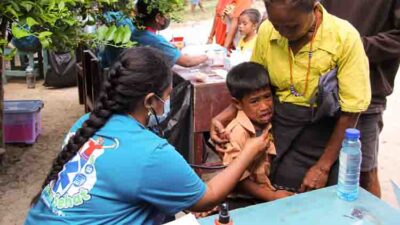 In our latest articles on sepsis and preventable suffering, this is exactly what we talk about. A burn, a small wound, a fever, a urinary infection, then the waiting. Waiting because the road is too long, because money is missing, because there is no medicine, because no one yet knows that this infection can become fatal. And sometimes, when the patient finally arrives, the body has already begun to lose the battle. As I have often told you, “Here, medicine often begins long before the hospital.” In our latest articles on sepsis and preventable suffering, this is exactly what we talk about. A burn, a small wound, a fever, a urinary infection, then the waiting. Waiting because the road is too long, because money is missing, because there is no medicine, because no one yet knows that this infection can become fatal. And sometimes, when the patient finally arrives, the body has already begun to lose the battle. As I have often told you, “Here, medicine often begins long before the hospital.”
Drilling for land may seem far removed from emergency medicine. For us, it is the opposite. It is prevention in the most concrete sense of the word. It means preparing a place where we can store medicines, train Kawan Sehat health agents, receive patients, organise missions, develop our medical applications, coordinate studies, and prepare departures to the villages. Rumah Kambera 2.0 will be a place of life as much as a place of care. A simple, strong, useful place.
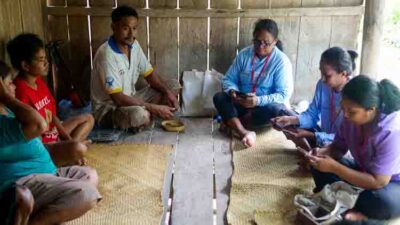 People often imagine humanitarian aid as a succession of visible actions: a distribution, a photo, an emergency, an immediate result. But in the field, much of the work looks more like this: preparing what cannot yet be seen. Finding water before building the walls. Ordering medicines before a child becomes ill. Training a health agent before a wound becomes infected. Writing a questionnaire before understanding why patients arrive too late, in reference to the sepsis study we are starting in May 2026. All of this takes time, brings fatigue, and costs money. But all of this saves lives, often quietly. People often imagine humanitarian aid as a succession of visible actions: a distribution, a photo, an emergency, an immediate result. But in the field, much of the work looks more like this: preparing what cannot yet be seen. Finding water before building the walls. Ordering medicines before a child becomes ill. Training a health agent before a wound becomes infected. Writing a questionnaire before understanding why patients arrive too late, in reference to the sepsis study we are starting in May 2026. All of this takes time, brings fatigue, and costs money. But all of this saves lives, often quietly.
Thank you for reading us, for staying with us, and for understanding that behind every project, even the most technical one, there are bodies, children, families, patients, caregivers, and one single question that follows us every day: what can we do now, concretely, so that the next emergency does not arrive too late?
Alex, for Fair Future - Friday, 8 May 2026 |

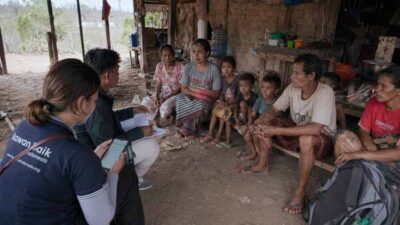 This month of May, we are starting one of the most complex medical field studies we have ever carried out in East Sumba.