Spenden
Support Care
Artikel & News
Feldgeschichten
Glossar
Feldführer
Klimawandel und Gesundheit in ländlichen Indonesien
Climate change and health are already inseparable in East Sumba. Longer dry periods, extreme heat, unsafe water, crop losses, flooding and damaged roads alter who becomes ill, when families seek care and whether treatment can be reached in time. Our medical work increasingly includes adapting to these environmental pressures.
Klimawandel und Gesundheit in ländlichen Indonesien
Heat, water, food, infection and access to care are changing together
Climate is not a diagnosis, but it changes the conditions in which disease occurs
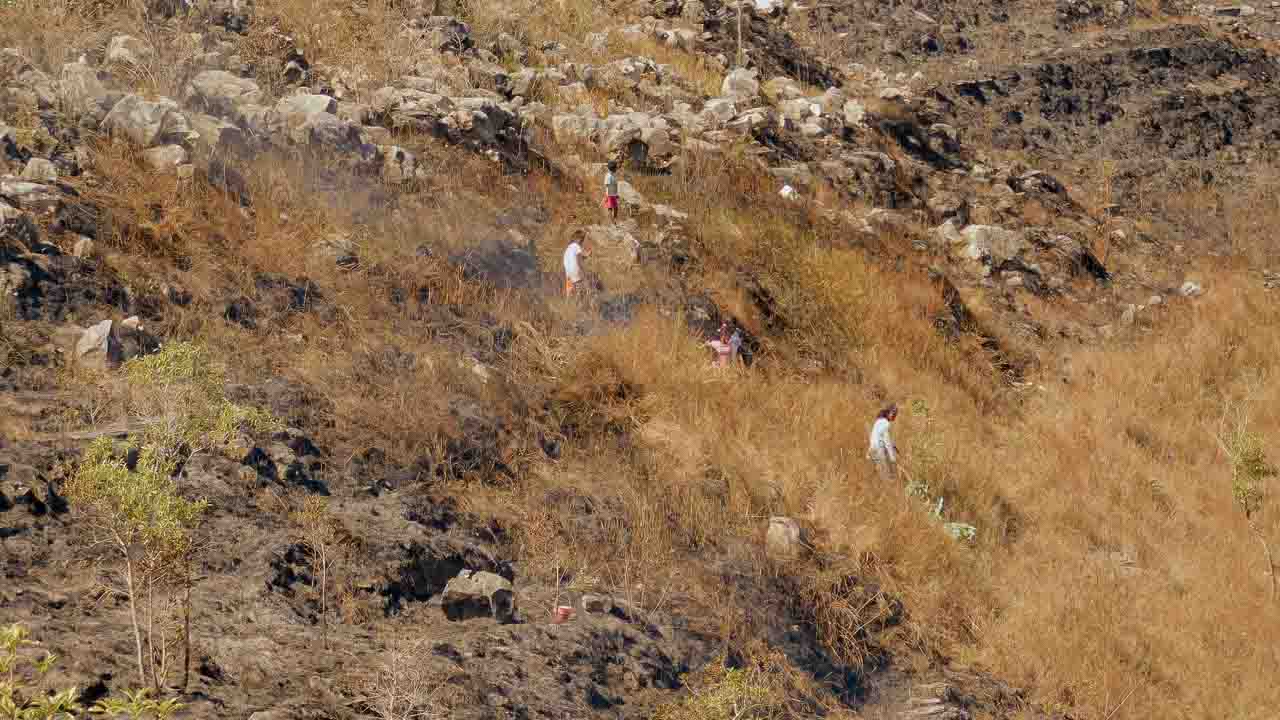
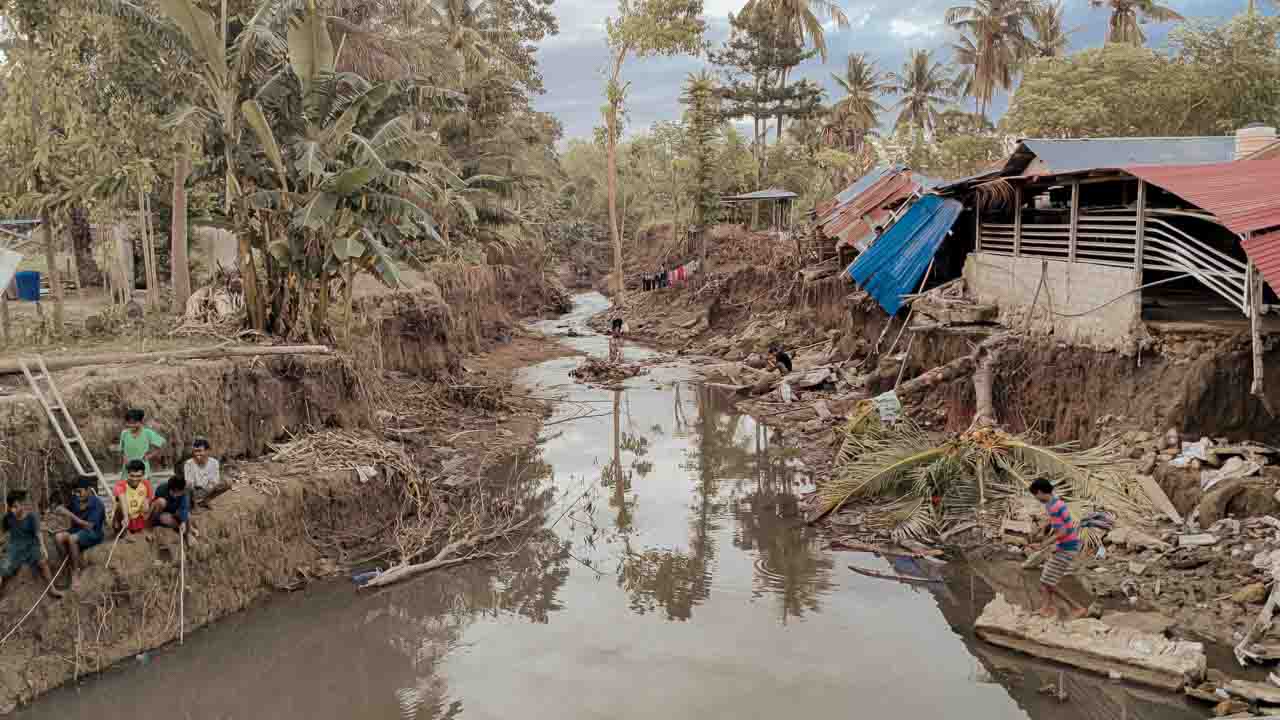
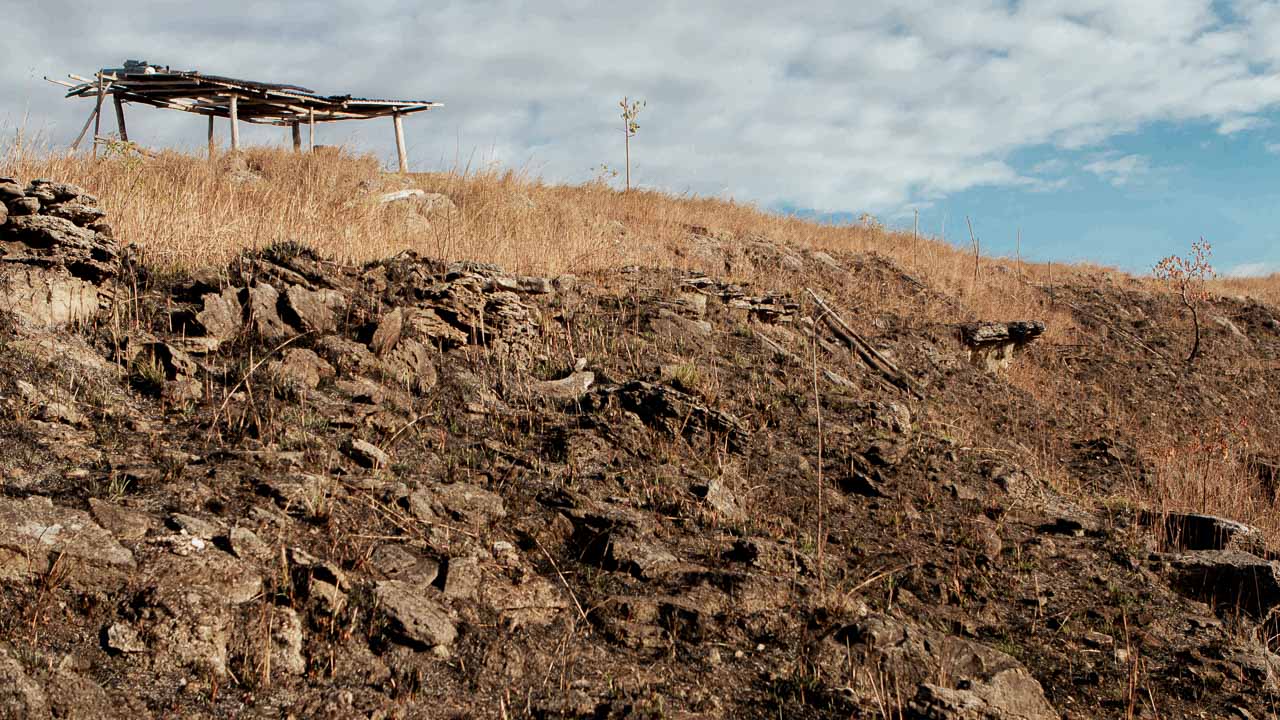
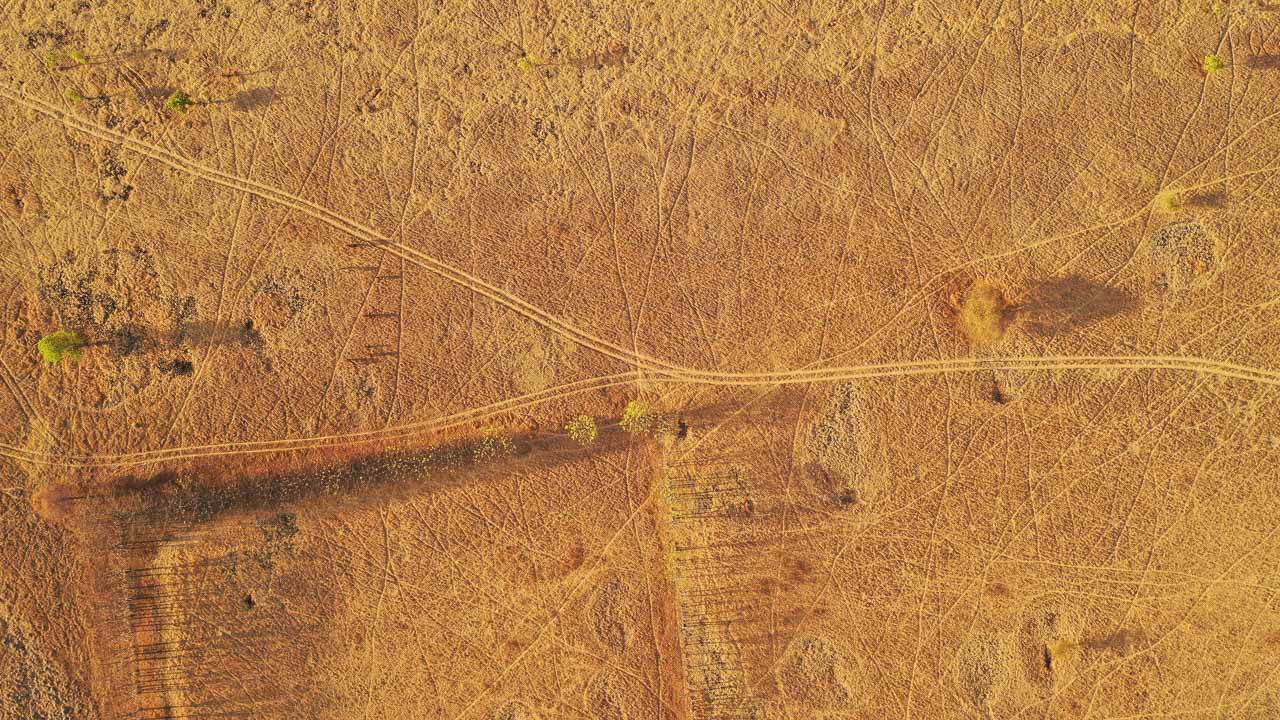
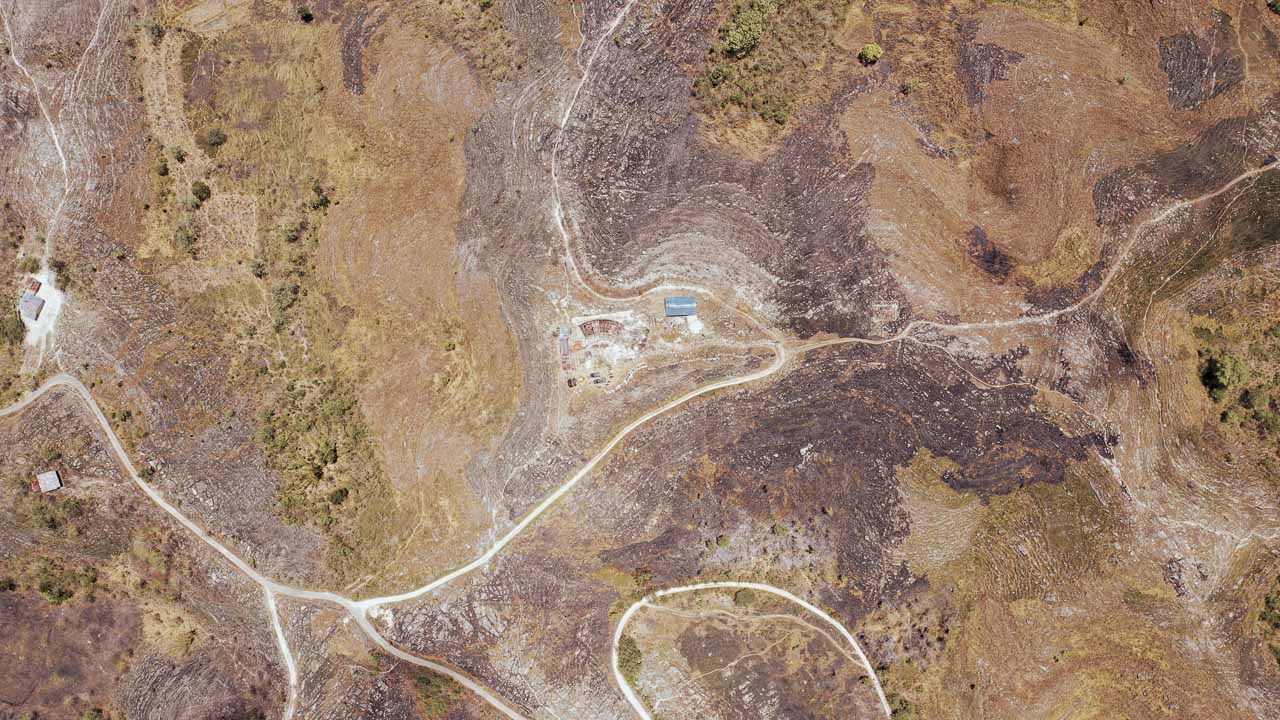
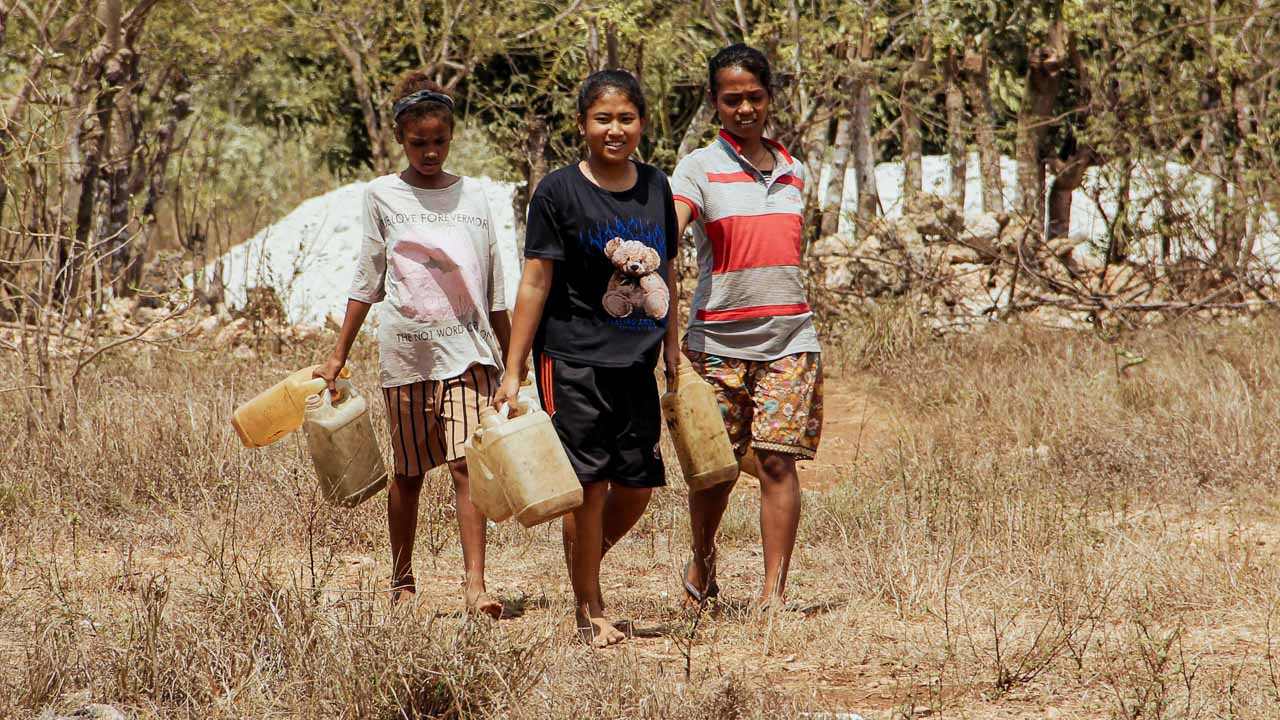
In East Sumba, climate-related health risk is rarely a single event. A long dry season can reduce water availability, increase the distance walked to collect it and make hygiene more difficult. Crop losses can reduce dietary diversity. Extreme heat increases fluid requirements and physical strain. When heavy rain arrives, damaged roads and flooding can interrupt referral and contaminate local water sources.
These pressures interact with diseases that are already present. Malaria and dengue transmission depend on several factors, including rainfall, temperature, mosquito ecology, housing and prevention. Diarrhoeal disease is influenced by water quality and sanitation. Undernutrition affects immunity and recovery. The medical risk comes from these pathways acting together, particularly where formal healthcare is several hours away.
Our response therefore connects primary medical care, Gemeinschaftsanästhesisten, malaria and dengue prevention, nutrition, health education and safer water systems. The aim is not to attribute every illness to climate change. It is to recognise when environmental conditions are increasing exposure, vulnerability or delays in care, and to act on the parts we can change.
For our teams, climate adaptation is already part of daily health work: protecting water, recognising dehydration, maintaining access to medicines, reducing mosquito breeding, following vulnerable patients and keeping referral possible when roads or weather become difficult.
Climate pressure reaches health through ordinary daily conditions
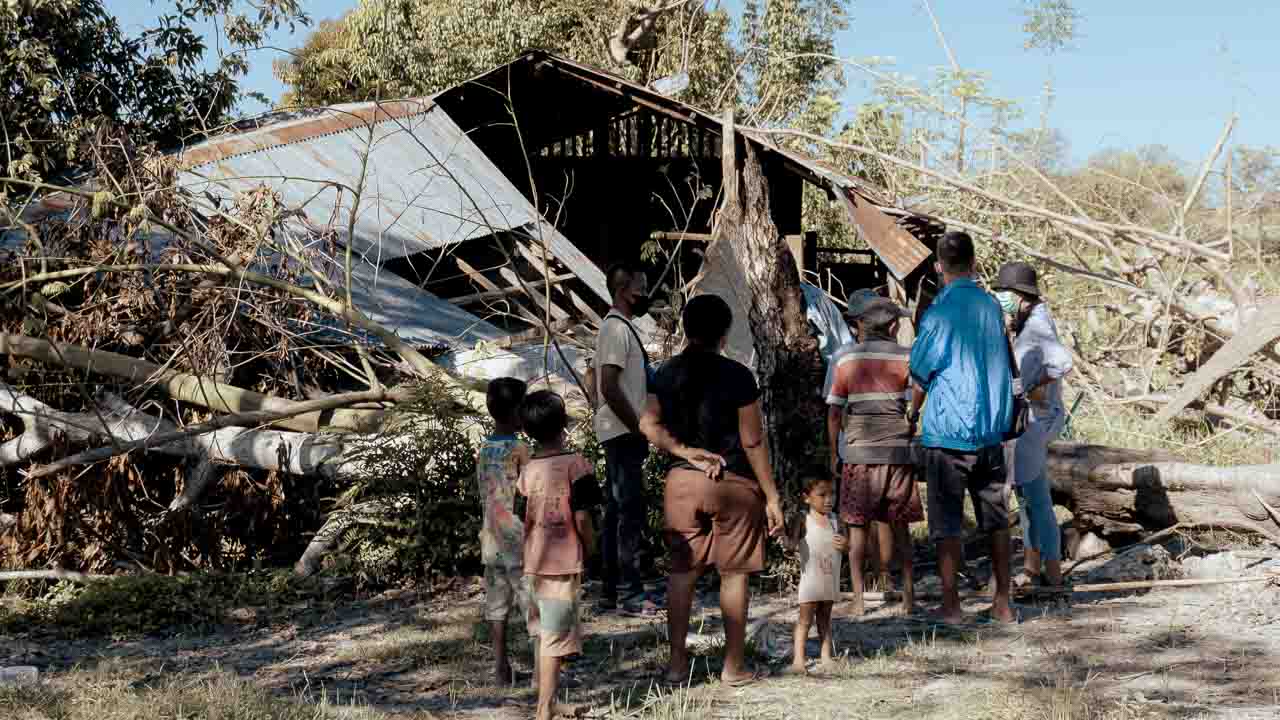
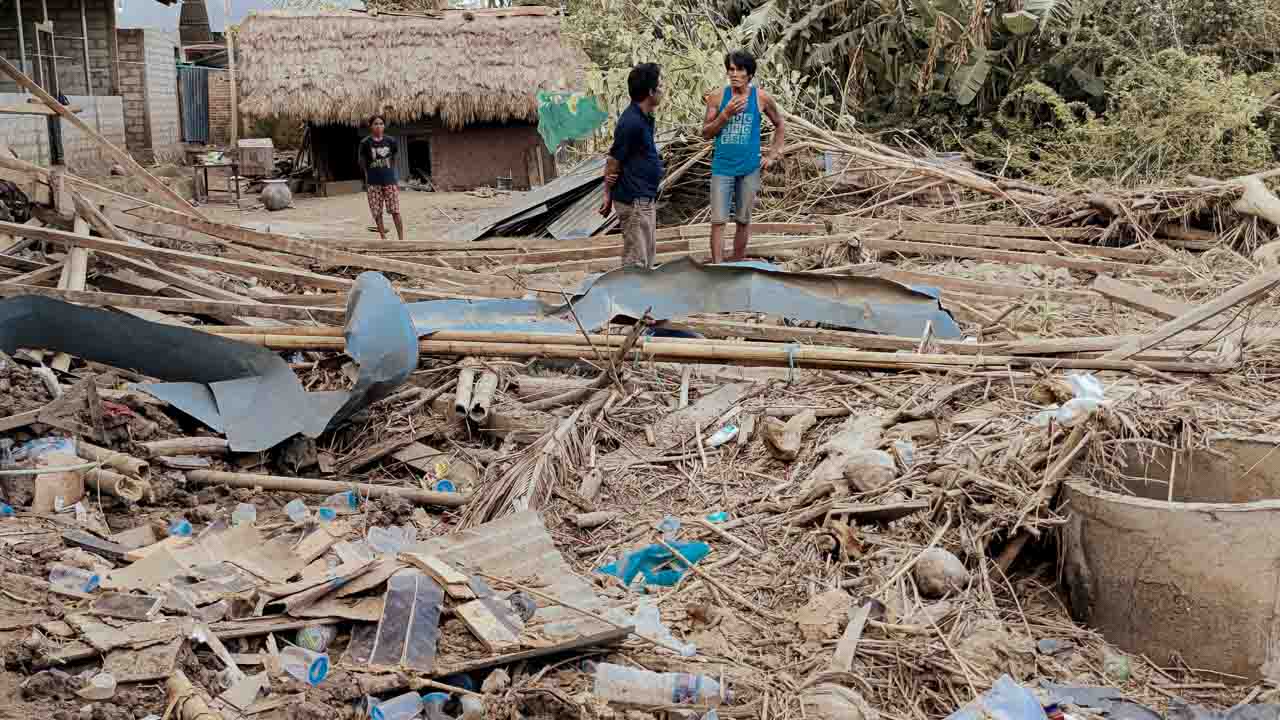
Families in eastern Indonesia do not experience climate change as an abstract global indicator. They experience a well that no longer provides enough water, longer walks to collect it, a harvest that fails, intense heat or a road that becomes impassable after heavy rain.
Each change can affect health. Less water can reduce drinking, washing and sanitation. Food insecurity can worsen nutritional status. Heat increases dehydration risk. Floods can contaminate water and interrupt access to care.
These pressures are visible in our work on Water Connections and in the broader reality of rural healthcare access. Climate change often acts as a risk multiplier rather than as a separate diagnosis.
Water, food, heat and vectors connect climate conditions to illness
Water insecurity can increase exposure to unsafe drinking water and make hygiene more difficult. Crop losses and unstable food supply can worsen undernutrition, particularly in children and pregnant women.
Heat directly affects people working outdoors, infants, older adults and patients with chronic disease. Dehydration and heat illness require early recognition and rapid referral when danger signs appear.
Vector-borne disease is more complex. Temperature and rainfall influence mosquito ecology, but malaria and dengue transmission also depend on housing, behaviour, immunity and prevention. Our malaria prevention work und community disease-prevention approach therefore combine environmental action with testing, education and medical care.
Environmental pressure becomes more dangerous when care is already difficult to reach
A health problem that is manageable near a clinic can become serious in a village several hours away. Flooding, damaged roads, fuel costs and lack of transport can extend the interval between the first danger signs and effective treatment.
Children, pregnant women, older people, people with chronic illness and households with limited financial reserves may have less capacity to absorb repeated drought, flood or food shocks.
This interaction between illness and access is central to our page on life without reliable rural healthcare. Unsere Sumba-Sepsis-Studie 2026 also documents delays, transport barriers and infection pathways in East Sumba. It is not a climate-attribution study, but it helps describe the vulnerabilities that extreme weather can aggravate.
Climate adaptation is already part of practical primary healthcare
Our response focuses on measures that remain useful across different climate scenarios: safer water, primary care close to communities, mosquito control, nutrition, health education, medicine availability, surveillance and functional referral pathways.
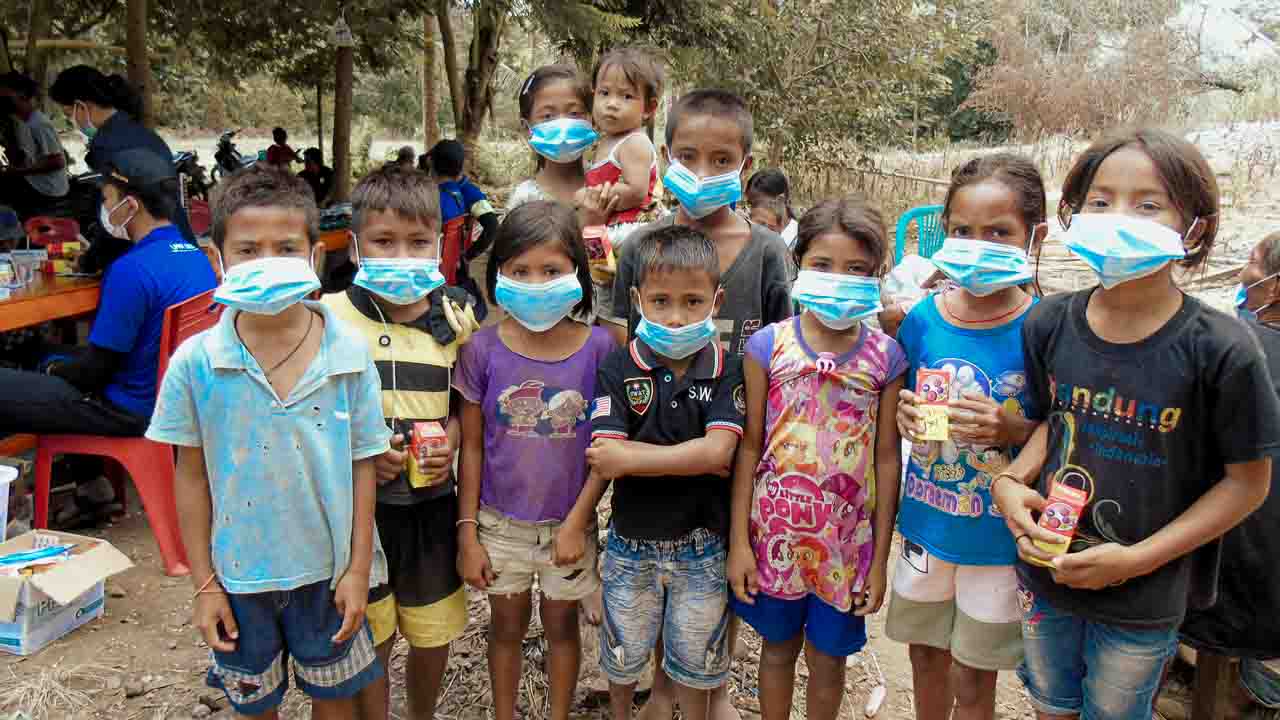
Kawan Sehat Gesundheitsbeauftragte help recognise danger signs, reinforce prevention and maintain a local connection to medical supervision. Primary Medical Care brings assessment and treatment closer when weather or distance makes referral difficult.
Adaptation therefore means strengthening systems before an emergency occurs. Our work on community health prevention in East Sumba links household-level prevention with clinical care, safe water and follow-up.
The field observations align with established global climate-health evidence
Die Weltgesundheitsorganisation estimates that climate change could cause about 250,000 additional deaths per year between 2030 and 2050 from undernutrition, malaria, diarrhoeal disease and heat stress alone. This estimate covers selected health outcomes and does not represent the full health burden of climate change.
Die World Meteorological Organization’s State of the Climate in Asia 2025 documents dangerous heat, severe drought and major flooding across Asia.
For Fair Future, these global findings are interpreted through local observation rather than used to attribute every individual illness to climate change. The practical question is whether environmental pressure is increasing exposure, vulnerability or delay – and which preventive or medical action can reduce that risk.
Climate, Water and Health in the Field