


Solar power at SDN Mbajik: returning to see what has changed
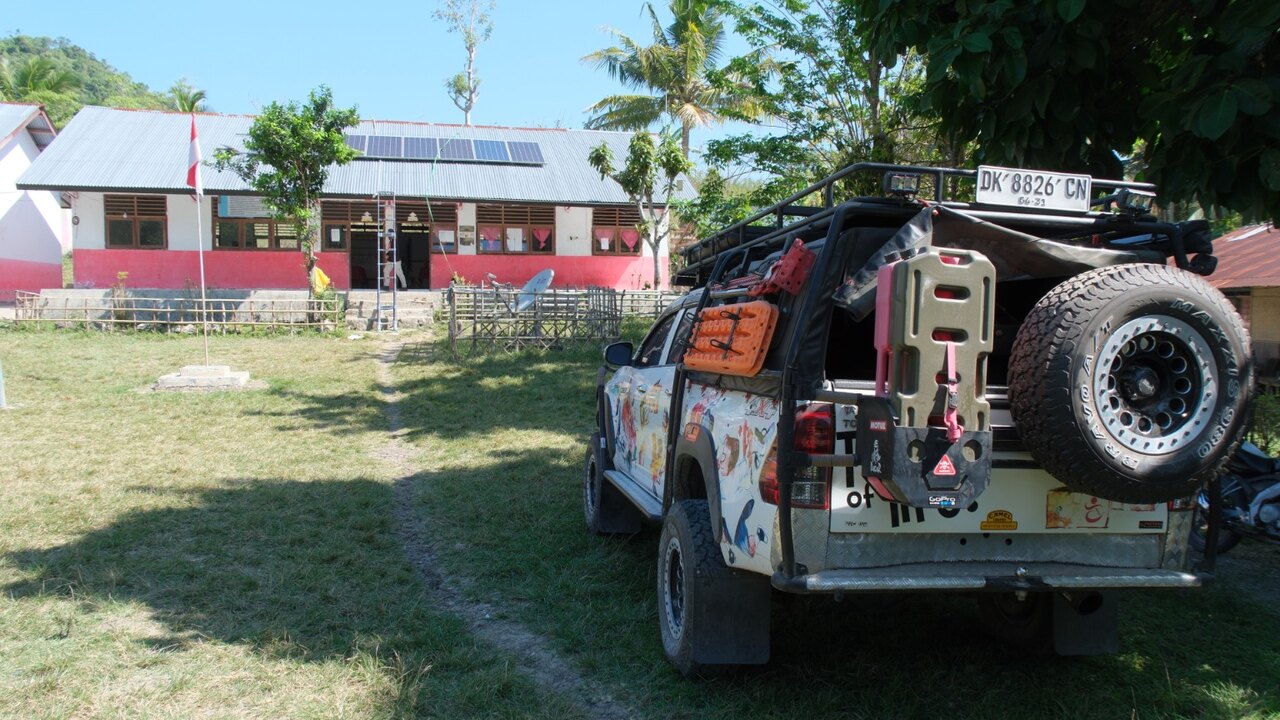
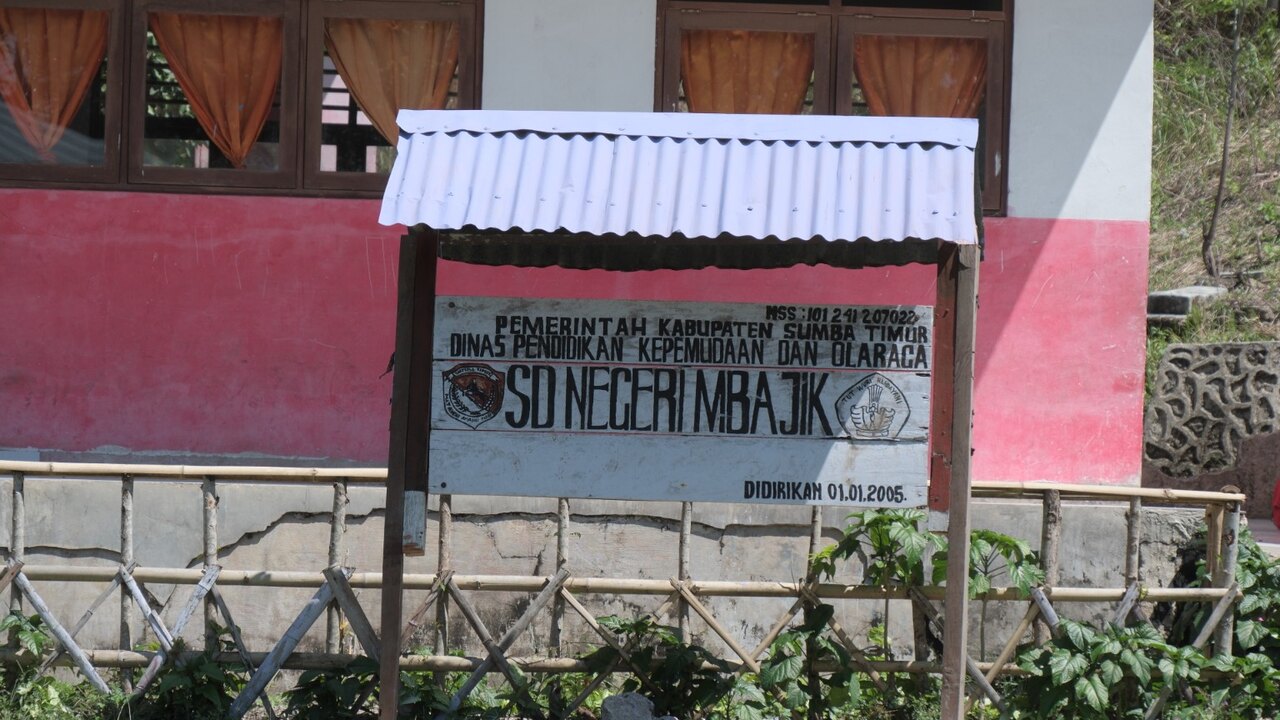
We have been at SDN Mbajik for two days. Reaching this school in Haray, in the Mahu district of East Sumba, takes four to five hours on roads and tracks. Just under a year ago, we installed a solar power system here. This week, we have come back to inspect it, speak with the people who use it and understand what has changed in their daily lives.
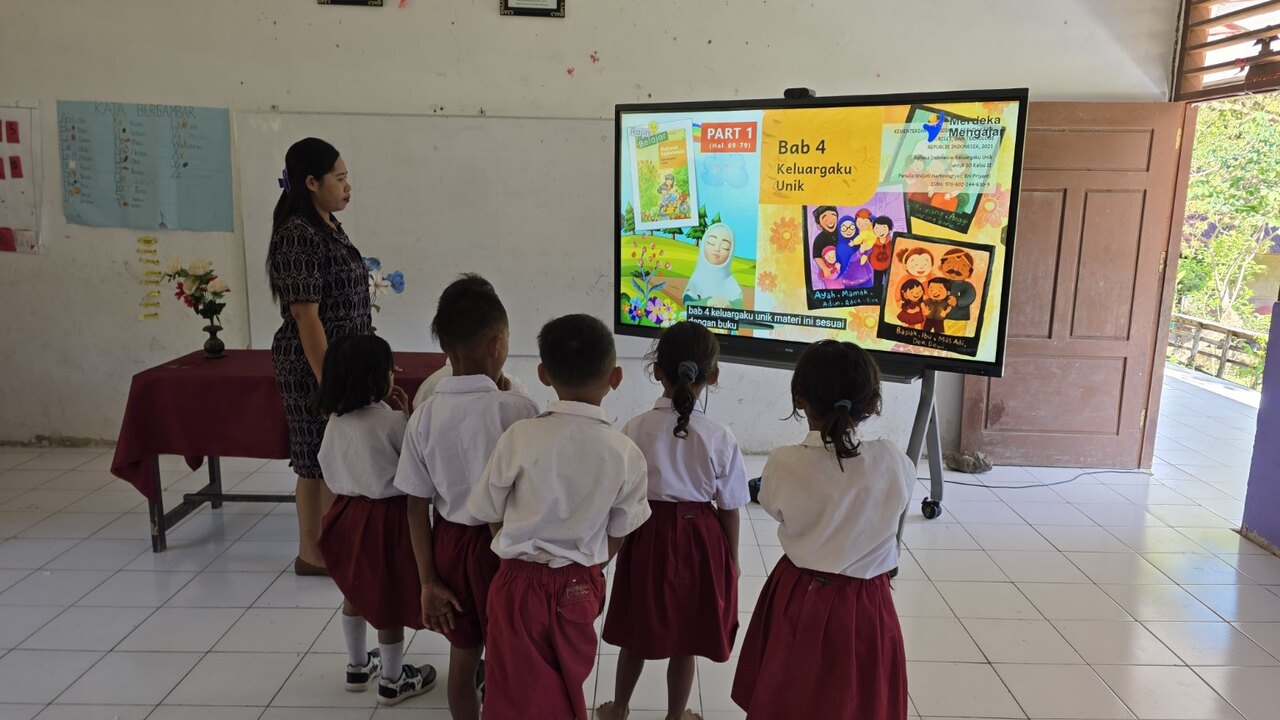
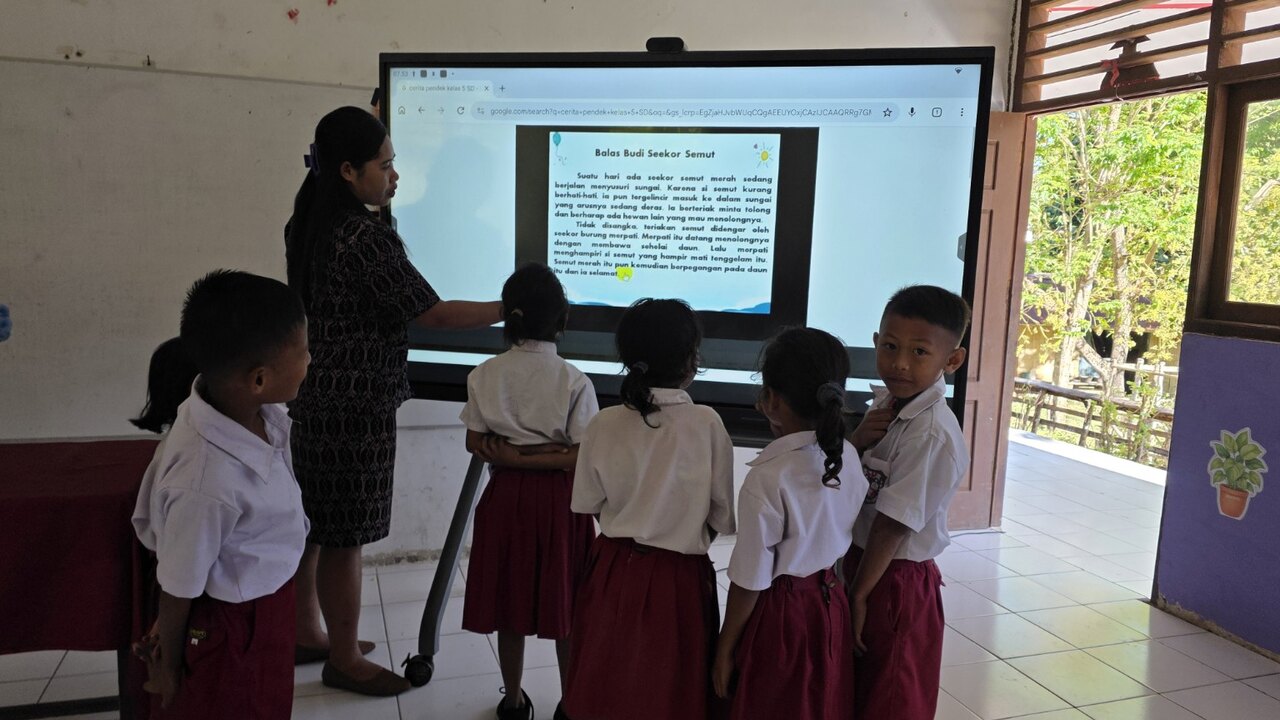
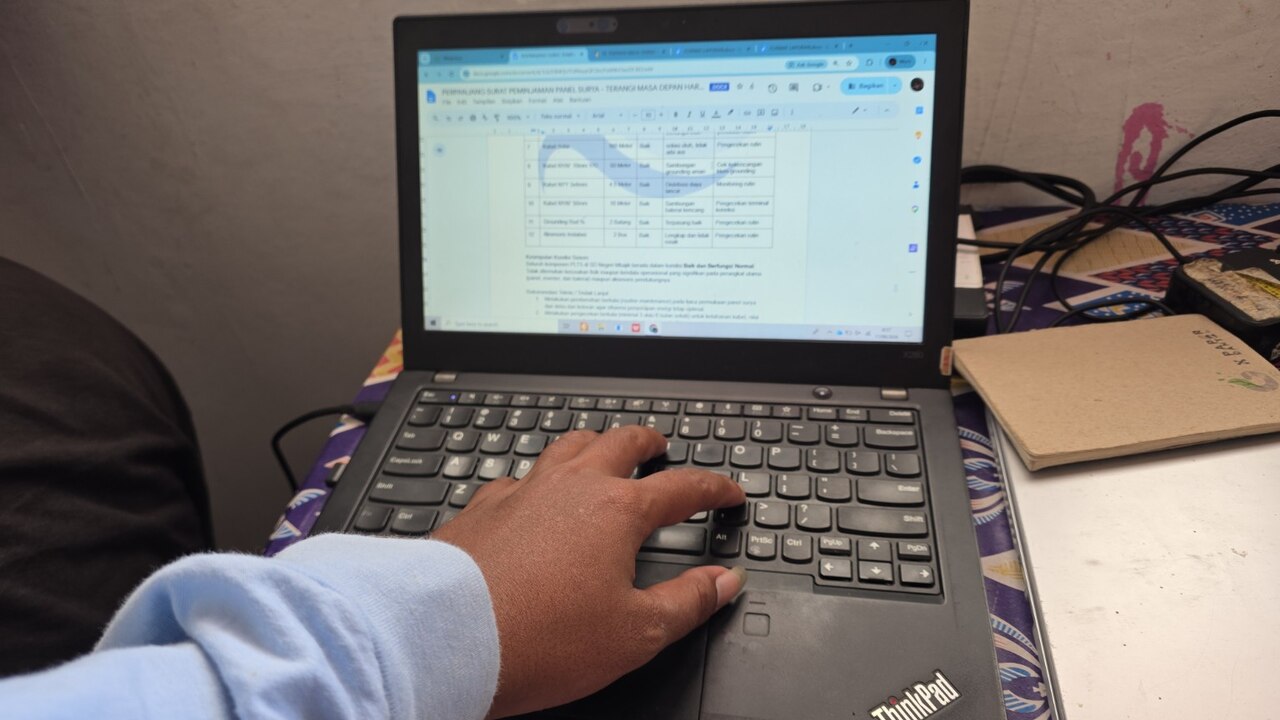
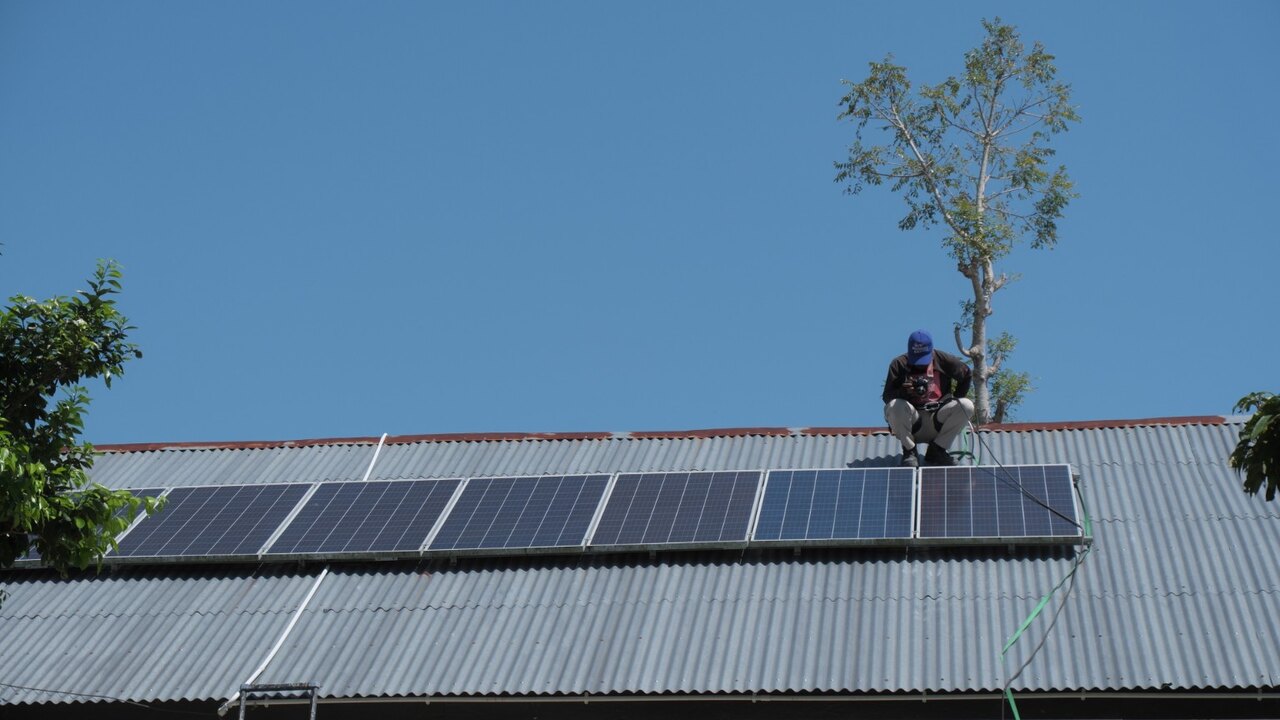
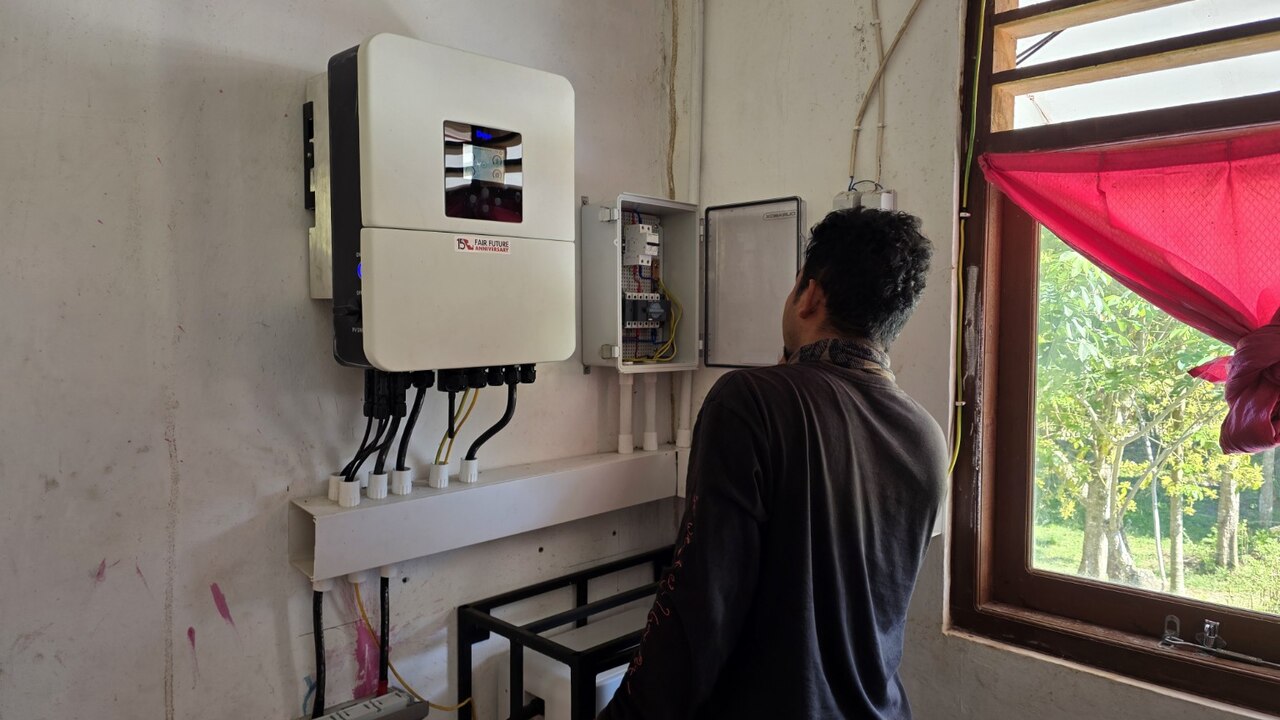
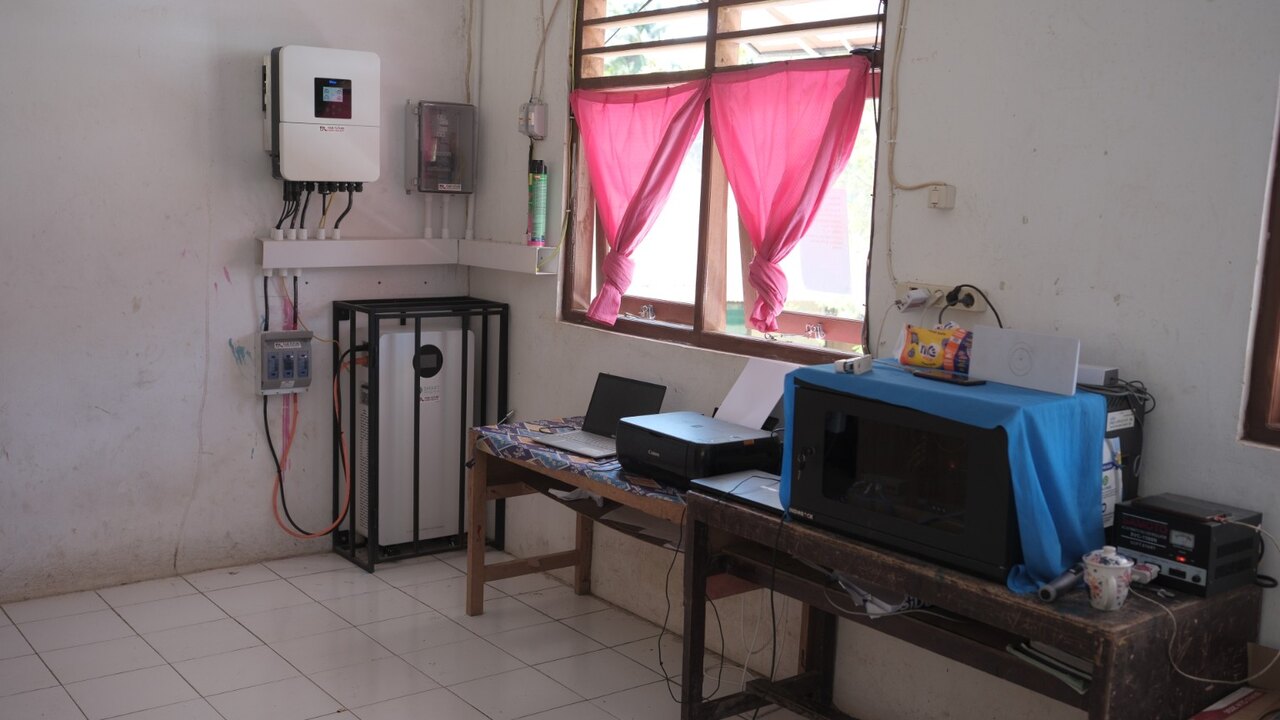
The installation serves 55 pupils and their teachers, including six who live in the teachers’ quarters on site. Sixteen solar panels, each approximately two metres by one metre, sit across both sides of the school roof. They supply a system with a 6 kW inverter and a 14 kWh lithium battery. These figures describe the equipment. Inside the school, its value is easier to understand: teachers can use a computer, print learning materials and prepare tomorrow’s lessons after dark. They now have internet access too, opening up resources that were previously out of reach. For a teacher living here, several hours from town, being able to prepare and print a document at school changes an ordinary working day.
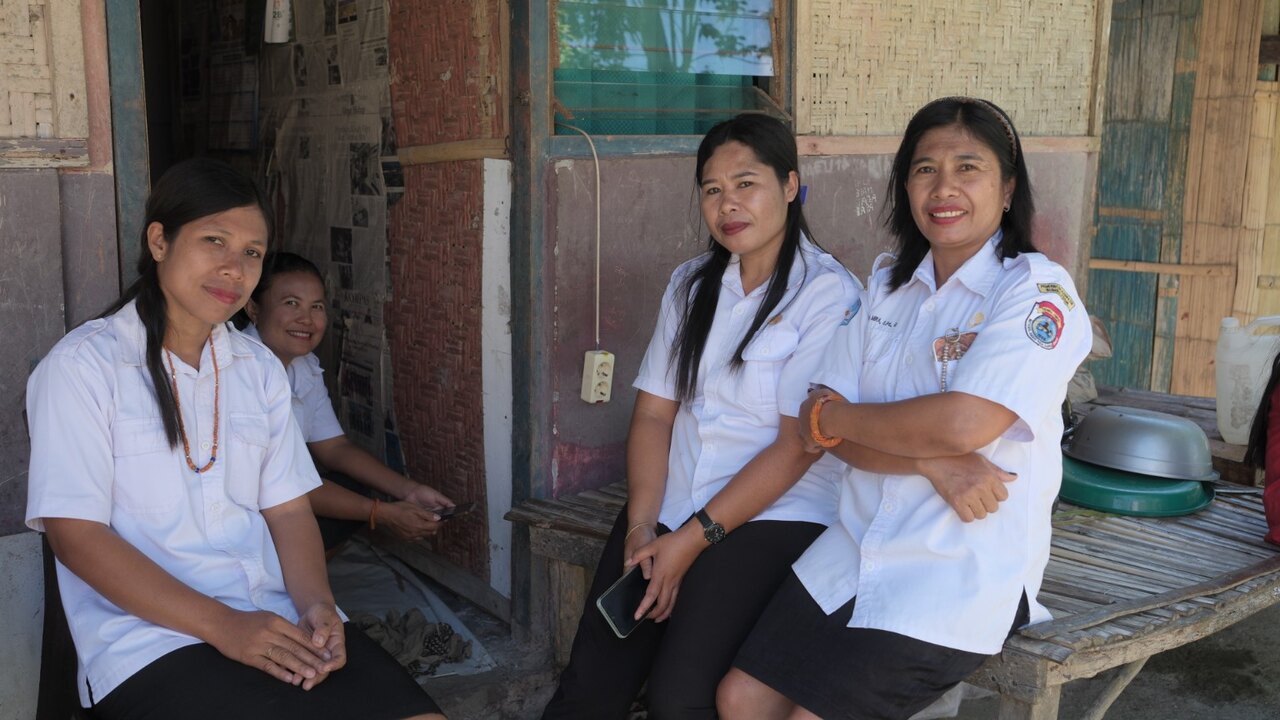
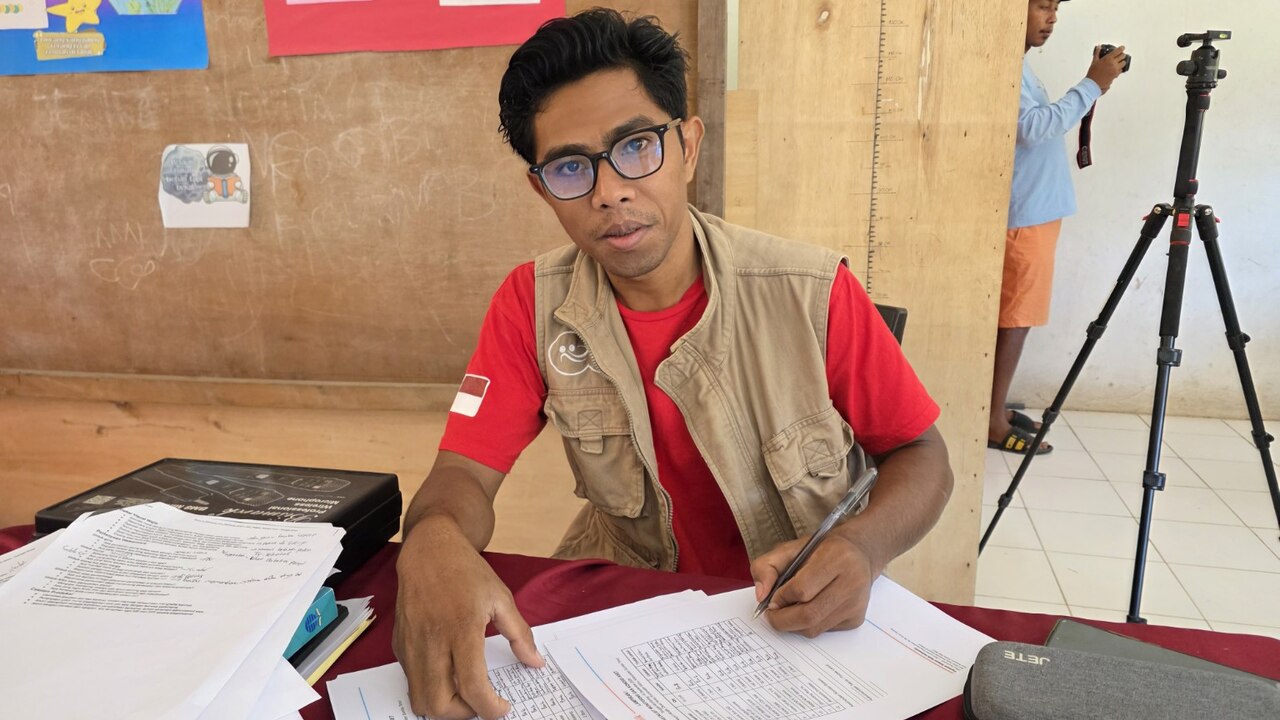
For the children, light gives the evening another purpose. They can read, practise and do their homework after sunset, when darkness used to bring these activities to an end. Learning takes time: time to return to a page, understand a sentence and try again. Here, electricity makes more of that time available. And for the six teachers who sleep here, the school is also home. Light in the evening matters beyond the classroom. We are also recording interviews during this visit, listening to the people who use the installation and asking what it means in their daily lives. A short film will share their accounts, alongside our observations from these two days at the school.
Yesterday, we checked the panel supports, the electrical connections, the battery and the inverter. Everything we inspected was in excellent condition. We were pleased with what we found: equipment installed this far from easy access to repairs needs careful follow-up. The technical inspection is one part of our evaluation; listening to users is another. We want to know whether the system remains useful, whether difficulties have appeared and whether it still meets the school’s needs. This is how Fair Future Foundation follows its programmes: we return to the places where we work. Installing equipment creates a responsibility that continues long after the team drives away. Here at Mbajik, nearly a year later, we can see what that commitment supports: lessons prepared at night, documents printed on site, and children with light to keep reading.
Back at SDN Mbajik

The Day Night Changed | The 2025 Film
Our film from 2025 follows the arrival of electricity at SDN Mbajik. Watch Der Tag wurde durch die Nacht verändert to see where this story began.

