Una parola di Alex: La battaglia senza tregua per l'equità sanitaria nell'East Sumba
Amid the absence of substantial international aid, the foundation stands as a beacon of medical equity. The article looks inside at the immense challenges and critical work involved in uplifting one of Southeast Asia’s most impoverished areas.
Hello to everyone, it’s Alex. How are you today?
In the remote regions of East Sumba, days and often nights are neither calm nor peaceful. The serenity is regularly pierced by sounds that offer no comfort—those of acute pain inflicted by infectious diseases like malaria, dengue, tuberculosis, and polio, and hunger e thirst. Often, too, it is the sound of death.
This is not a cinematic dramatization; it’s the terrifying and unbearable reality lived by tens of thousands of people. My name is Alex Wettstein, and as the founder of Fair Future Foundation, I feel compelled to break this silence, not with placating words but with deliberate and authentic indignation.
Il #ZeroMalaria programma we initiated carries with it seeds of hope, just like our fight against other infectious malattie. I have both the pride and frustration to announce the availability of the interim report on this program. Yes, it’s in English, but I implore you to take the time to read it, reread it, understand it, and share it. This is not just a stack of papers; it’s the reflection of an ongoing battle—a battle upon which hundreds of thousands of families depend here in the most remote and impoverished regions of Indonesia and Southeast Asia.
You might wonder why this battle is so long-winded. Even with more than a hundred people on the ground, committed to this war against diseases, malaria does not just vanish. We fight house by house, door by door, to reduce mortality, identify positive cases, educate, and engage in proactive prevention.
For all of us, every life saved is a victory, but each death is a personal defeat. I can no longer bear to see bambini, pregnant women, and chronically ill patients succumb to these largely preventable malattie, if only we are given the means to fight them. I can no longer accept watching kids die from hunger, thirst, lack of sanitation, or access to medicine, sufficient medication, clean water, or food.
The struggle is intense, and I must commend our team members’ courage, strength, and immense professionalism in the field. These individuals, nearly 70 of whom are volunteers, work under incredibly challenging conditions, yet their determination never wavers. They deserve more than applause; they deserve tangible and sostegno finanziario that will help eradicate these malattie.
It’s no small feat for a small Swiss medical foundation, founded in 2008 by two idealistic individuals, to be the only organization battling these afflictions. Yes, you read that correctly: We are alone here in one of the poorest regions, where the aridity of the land resembles that of dry African regions.
Where, indeed are these large organizations? Despite our ongoing efforts to raise awareness and multiple invitations to witness our operations firsthand, the absence of support from the authorities of our home country, Switzerland, is a staggering disappointment. But it doesn’t stop there. Dear friends, it’s time to ask: Where are organizations like UNICEF –particularly its Indonesian branch-e il Organizzazione Mondiale della Sanità? These entities amass millions in donations, yet we see no evidence of these resources being deployed here.
We work tirelessly in remote villages like Mahu, Lahiuru, Laindatang, Lulundilo, Haray, Mbinudita, etc. These are names you won’t often hear, but they are places of urgent need, deserving of attention and action. Yet these well-funded organizations are conspicuously absent from these critical landscapes. But, we are here!
So let this serve as a reminder and a call to accountability: Publications and posts on social networks have never saved a life, treated, fed, or operated on a child. I can tell you this first-hand. While social media can spread awareness, it is no substitute for on-the-ground, tangible interventions. The pressing issues we face require more than just clicks and shares; they demand committed action and meaningful allocation of resources.
Questo coming February marks a poignant moment for all of us at Un futuro giusto—our 15th anniversary of unwavering commitment, work, and continual presence in these communities. While this milestone is symbolically significant, it also carries a weight that presses deeply on my heart. There are moments, days, even when the challenges feel insurmountable and the urge to give up is overwhelming. But then I remember the faces of these families, their eyes filled with a desperate need and a hope that we might be their lifeline.
This commitment is not just an intellectual choice; it’s visceral, it’s in my flesh and genes—I could no more abandon them than I could abandon myself.
We stand apart from other foundations. We are unique in how we operate and our unwavering commitment to where it matters most. You should know that each donation you make, each franc you contribute, goes directly to where it’s needed most—almost 93% is channelled into medical aid projects. There are no salaries and just a minor administrative overhead here; we are all volunteers. I, for one, am perpetually on the ground, shoulder-to-shoulder with those we aim to help.
It’s not just about money; it’s about impactful action. We require a range of resources to continue our work effectively. We need medications, microscopes for accurate diagnostics, rapid tests to identify diseases in their early stages, advanced laboratory equipment for thorough analyses, and logistical support to ensure that medical aid reaches the remotest corners of these regions.
So, I extend this heartfelt call to action: Make a donazione, dear friends. Your contributo is not just a financial transaction; it’s a commitment to humanity, a step towards levelling the playing field in medical equity, and, most crucially, a life-saving intervention.
I feel you, and it’s comforting to know that you are there with us for these hundreds of thousands of families who rely on Un futuro giusto. Thank you for that, and together, let’s continue this indispensable fight.
Alex Wettstein – Fair Future Foundation Campo medico-sociale in East Sumba – Casa Kambera, Lambanapu, 15th of October, 2023
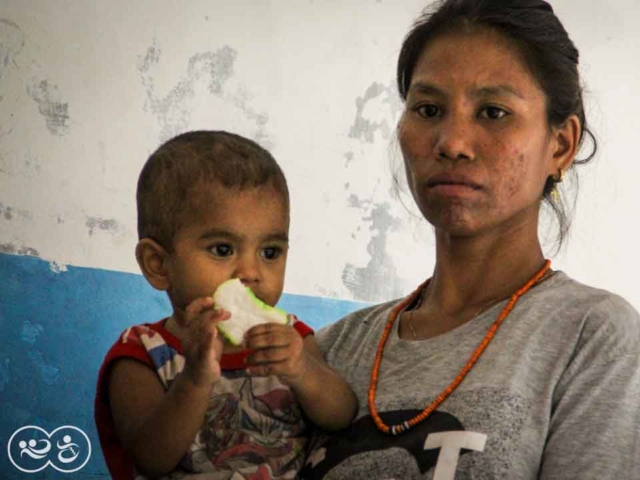
Volti e luoghi del cambiamento: il #ZeroMalaria viaggio fotografato
La malaria rimane una delle malattie più devastanti che colpiscono l'Indonesia orientale, con migliaia di morti che si registrano ogni anno e conseguenze per le famiglie, le comunità e l'economia.
Come facciamo qui a Sumba Timur, migliorare l’accesso all’acqua pulita e alle strutture sanitarie sane aiuta a ridurre significativamente la diffusione della malaria limitando gli habitat dei moscerini. I moscerini hanno bisogno di acqua per riprodursi; se non ci sono acque stagnanti, se l’acqua rimane fredda, lontana dalla luce e circola, non possono riprodursi. Inoltre, le strutture sanitarie adeguate riducono l’esposizione delle persone ai moscerini vettori di malattie.
Clean Water, attraverso i suoi #waterconnections progetti, partecipa attivamente alla prevenzione delle complicazioni della malaria. Le persone affette da questa malattia hanno bisogno di bere molta acqua per evitare la disidratazione, cosa che può essere difficile in aree dove l’accesso all’acqua pulita è limitato, come avviene nelle regioni in cui ci troviamo attualmente con i team di @fairfuturefoundation e @kawanbaikindonesia.
In breve, migliorare l’accesso agli impianti di igiene e all’acqua pulita o sicura è, per tutti noi qui – nel contesto dei nostri programmi di assistenza sanitaria – un elemento essenziale nella lotta contro la malaria. Aiuterà a ridurre la diffusione dei moscerini vettori della malattia, a prevenire le complicazioni e a migliorare il recupero delle persone affette da malaria. Combatiamo la diffusione della #malaria comprendendo come si trasmette, fornendo primary medical care e garantendo l’accesso a fonti d’acqua pulite e incontaminate. Abbiamo bisogno disperatamente di farmaci antimalarici e di test rapidi per la diagnosi della malattia. Puoi aiutarci donando tramite il sito web della fondazione. @unicef e @unicefindonesia? Sei pronto a combattere questa epidemia insieme a noi? Siamo presenti sul campo e abbiamo bisogno di te.