


Donare
Assistenza sanitaria
Articoli e News
Storie dal campo
Glossario
Guida escursionistica
Note di viaggio dall'Indonesia orientale
Field Notes from Eastern Indonesia offre aggiornamenti brevi e dettagliati sul lavoro quotidiano di Fair Future Foundation s: assistenza sanitaria, acqua pulita, prevenzione delle malattie e progetti comunitarie. Naviga per tema o parola chiave per seguire i progressi pratici, comprendere le sfide e esplorare le storie, la ricerca e i documenti che accompagnano ciascuna nota.
Note di campo
Aggiornamenti di piccola portata. Passi concreti. Seguite la nostra attività di assistenza sanitaria, acqua pulita, prevenzione e progetti comunali in tutto l'East Sumba e nel distretto di NTT.
51 field notes
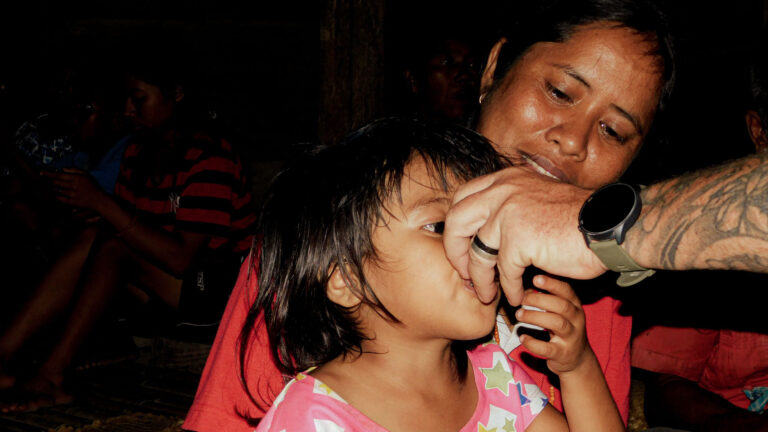
48,85 milioni di IDR per mantenere in funzione le strutture di assistenza comunitaria
Oggi abbiamo Fair Future Foundation trasferito 48.851.593 IDR Kawan Baik Indonesia a Primary Medical Care. Questo finanziamento aggiuntivo sostiene i medicinali, le forniture mediche e il lavoro quotidiano dei nostri team e degli agenti Kawan Sehat sanitari, contribuendo a mantenere l'assistenza sanitaria dove l'accesso è difficile.
Leggete questa nota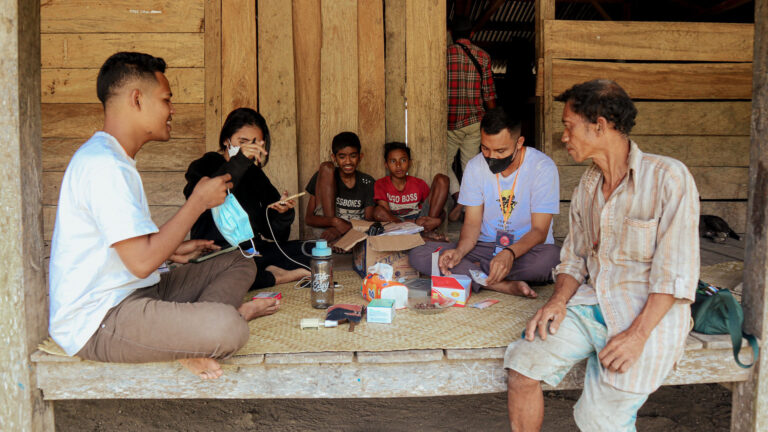
Bidi Hunga: cura che continua oltre la visita
Organizzeremo una Giornata di Assistenza Sanitaria Comunitaria per 150 residenti di Bidi Hunga, finanziata da Rotary Australia e Fair Future Foundation. L’assistenza medica sarà combinata con una formazione sanitaria pratica, una consulenza personalizzata sulle abitudini salutari e un follow-up da parte di Kawan Sehat Agents.
Leggete questa nota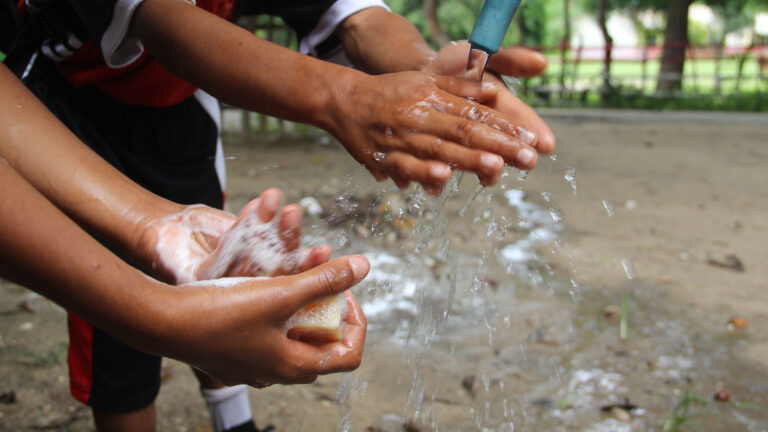
Handwashing needs more than good advice
Knowing when to wash is not enough if the tap is dry or soap is missing. On Global Handwashing Day, we connect Water Connections, practical demonstrations and Kawan Sehat community care to help families make handwashing with soap part of daily life.
Leggete questa nota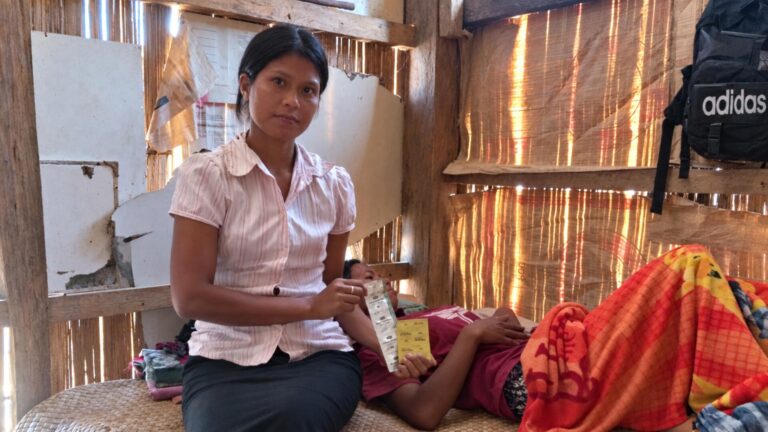
Care continues when the medical team leaves
A fever, an infected wound or a sick child cannot wait for the next medical visit. Through our Primary Medical Care programme, Kawan Sehat health agents provide care, follow patients and seek medical advice from within their own communities. Their presence matters where reaching a health centre can take hours.
Leggete questa nota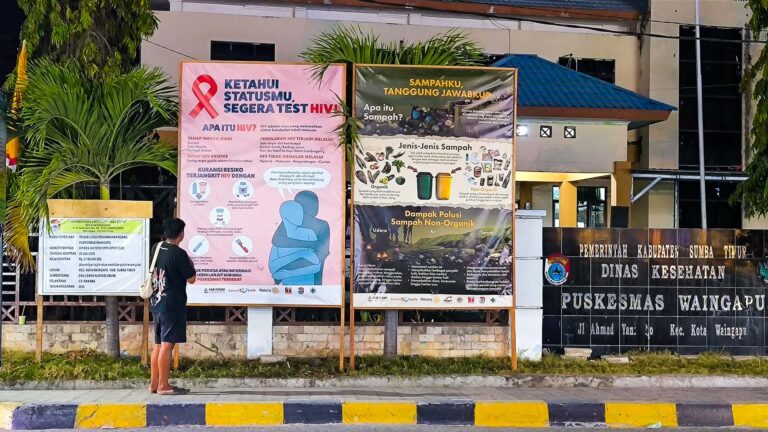
Prevention takes its place on Waingapu’s streets
Our HIV and waste management billboards are bringing prevention into public view in Waingapu. Installed alongside the sepsis study, they encourage testing, challenge misconceptions and explain safer waste practices. Clear information must connect people with care and practical action.
Leggete questa nota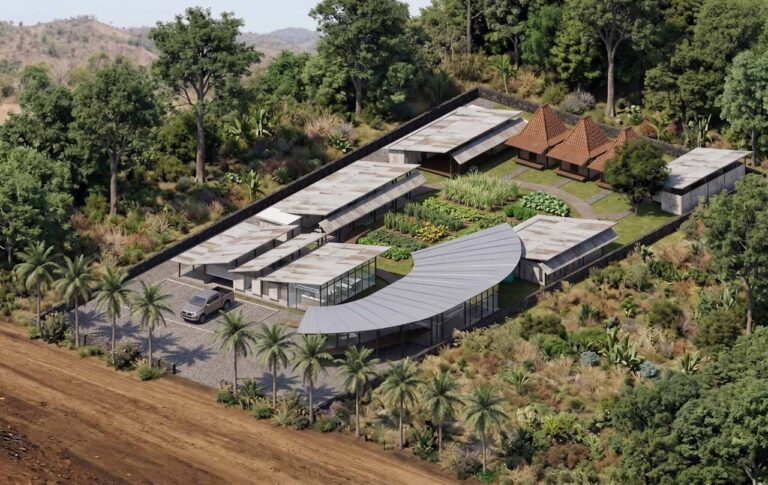
Explore Rumah Kambera in 3D
The Rumah Kambera microsite now includes an interactive 3D model of the future community socio-medical centre. Visitors can move through the project, explore its spaces and see how the site is being planned before construction begins.
Leggete questa nota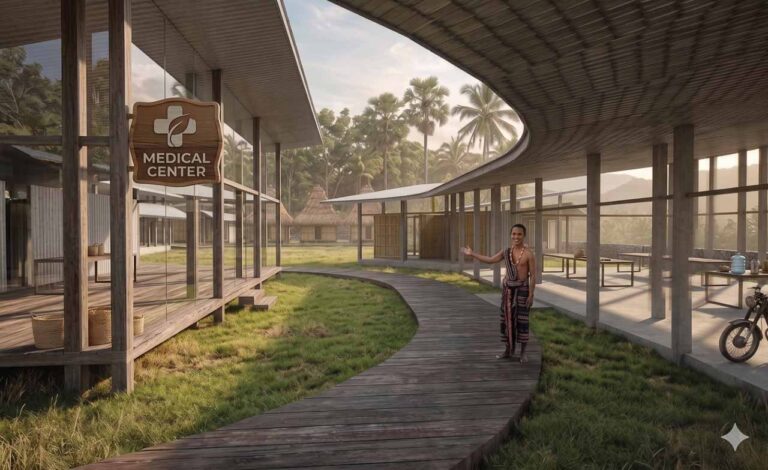
A dedicated website for Rumah Kambera
We have launched a dedicated website for Rumah Kambera, the future community socio-medical centre. It introduces the project as it stands today and will be updated regularly as the site, plans and construction move forward.
Leggete questa nota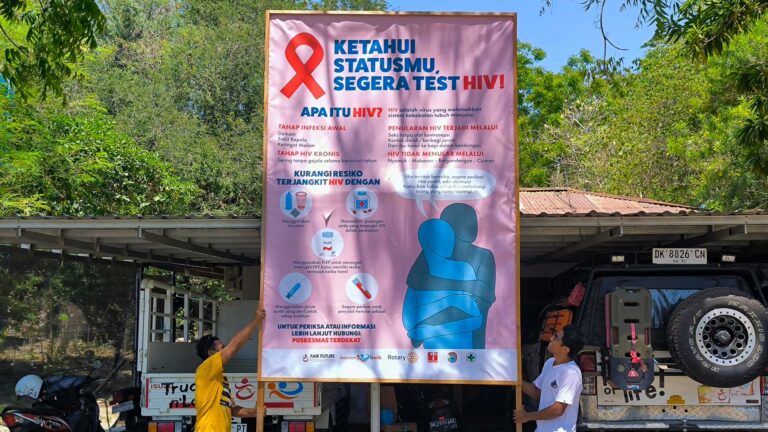
HIV testing matters in Waingapu
HIV testing is a vital first step towards timely care, treatment and prevention. In Waingapu, encouraging people to test helps reduce late diagnoses and gives families the information they need to protect their health.
Leggete questa nota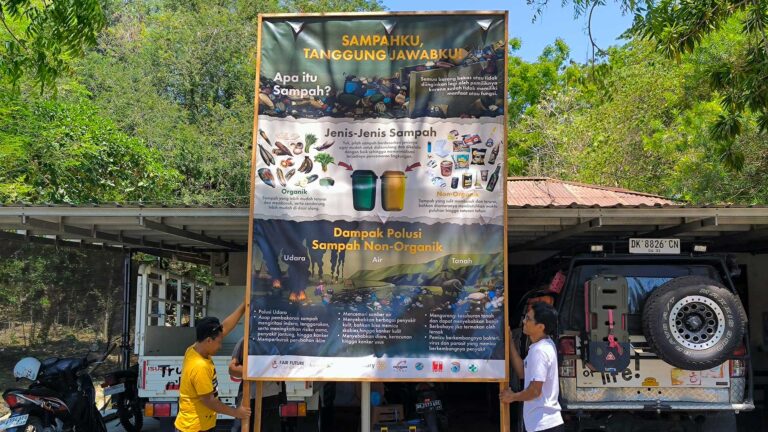
Plastic waste is a growing public health issue in Waingapu
Plastic waste is accumulating in streets, waterways and open spaces across Waingapu. Reducing it requires practical waste systems, public action and shared responsibility to protect health, drainage and the local environment.
Leggete questa nota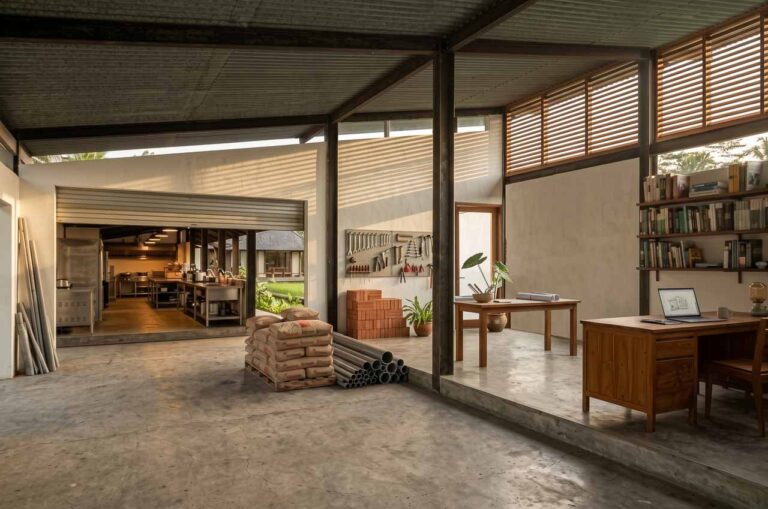
KNA prepares the first Rumah Kambera building
Today, we met KNA in Surabaya, the construction company that will lead the first building of the future Rumah Kambera Community Socio-Medical Centre. We have also launched a dedicated website to follow this project as it takes shape.
Leggete questa nota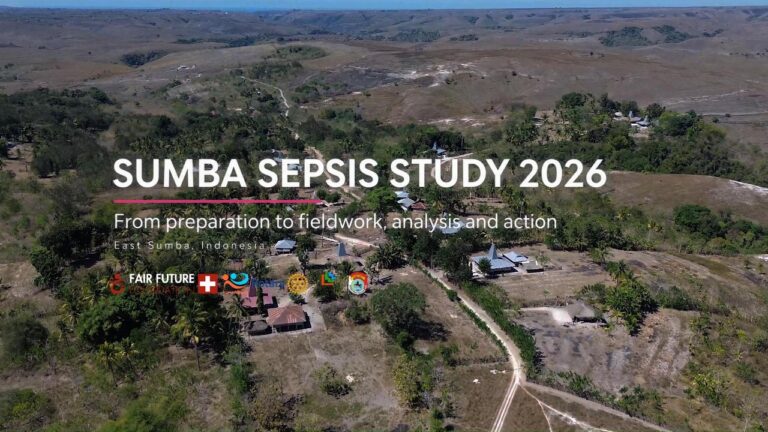
Il Sumba Sepsis Study film è ora online
Il nostro nuovo film segue le Sumba Sepsis Study attività sul campo, dove le squadre hanno documentato le realtà sanitarie in 1.001 case e hanno lavorato per rendere visibile la sepsi prima che diventi una emergenza fatale.
Leggete questa nota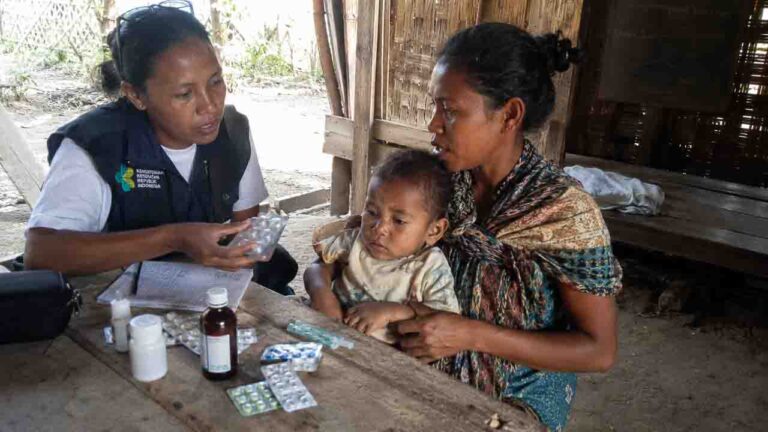
Medicines are sold freely, but safe care needs more
In remote villages, medicines are often bought without a prescription and taken without diagnosis, correct dosing or follow-up. This can delay necessary care, cause harm and fuel antibiotic resistance. Safer treatment begins with assessment, reliable advice and referral when needed.
Leggete questa nota