


Donate
Support Care
Articles & News
Field stories
Glossary
Field guides
Field Notes from Eastern Indonesia
Field Notes from Eastern Indonesia share short, dated updates from Fair Future Foundation’s daily work: medical care, clean water, disease prevention and community projects. Browse by theme or keyword to follow practical progress, understand challenges and explore the stories, research and documents behind each note.
Field Notes
Small updates. Concrete steps. Follow our medical care, clean water, prevention and community projects across East Sumba and NTT.
52 field notes
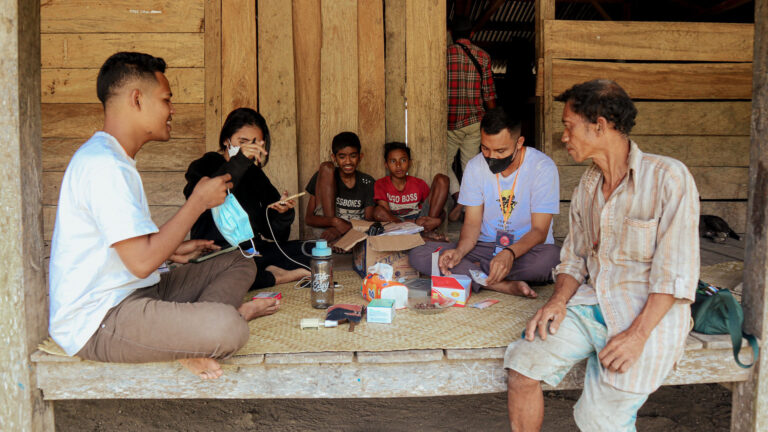
IDR 18 million for the Bidi Hunga medical care day
Today, Fair Future Foundation transferred IDR 18,000,000 to Kawan Baik Indonesia for the upcoming medical care day in Kampung Matawai Kurang, Bidi Hunga. Supported by Rotary Australia and Fair Future Foundation, the day will combine consultations, treatment when needed, practical health education and follow-up.
Read this note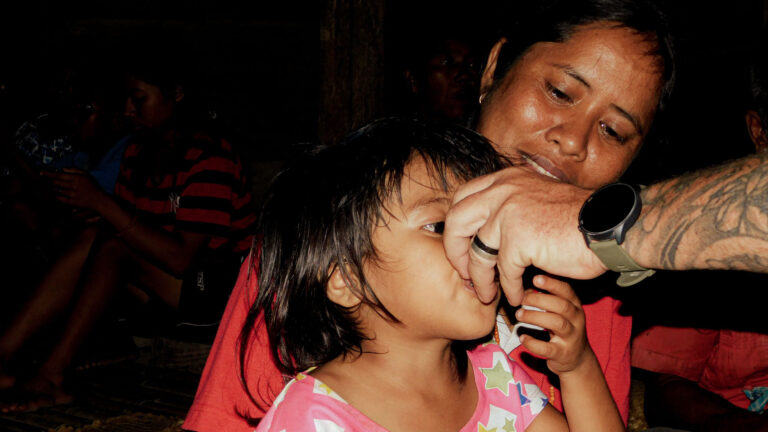
IDR 48.85 million to keep community care going
Today, Fair Future Foundation transferred IDR 48,851,593 to Kawan Baik Indonesia for Primary Medical Care. This additional funding supports medicines, medical supplies and the daily field work of our teams and Kawan Sehat health agents, helping maintain care where access is difficult.
Read this noteBidi Hunga: care that continues beyond the consultation
We will organise a Community Health Outreach Day for 150 residents of Bidi Hunga, funded by Rotary Australia and Fair Future Foundation. Medical care will be combined with practical health education, personalised healthy-habit guidance and follow-up by Kawan Sehat agents.
Read this note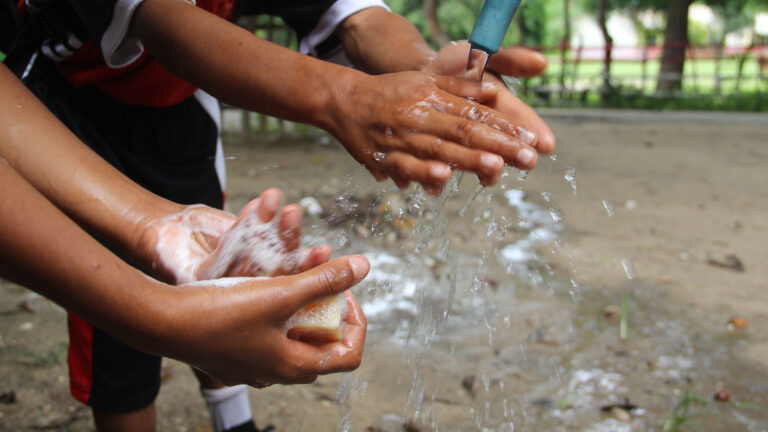
Handwashing needs more than good advice
Knowing when to wash is not enough if the tap is dry or soap is missing. On Global Handwashing Day, we connect Water Connections, practical demonstrations and Kawan Sehat community care to help families make handwashing with soap part of daily life.
Read this note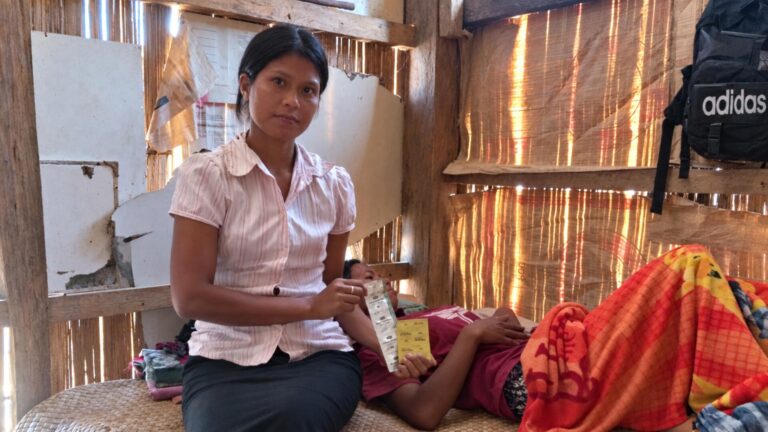
Care continues when the medical team leaves
A fever, an infected wound or a sick child cannot wait for the next medical visit. Through our Primary Medical Care programme, Kawan Sehat health agents provide care, follow patients and seek medical advice from within their own communities. Their presence matters where reaching a health centre can take hours.
Read this note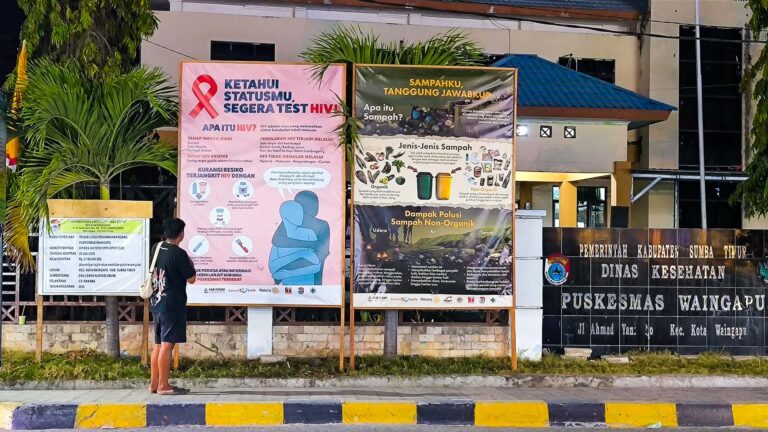
Prevention takes its place on Waingapu’s streets
Our HIV and waste management billboards are bringing prevention into public view in Waingapu. Installed alongside the sepsis study, they encourage testing, challenge misconceptions and explain safer waste practices. Clear information must connect people with care and practical action.
Read this note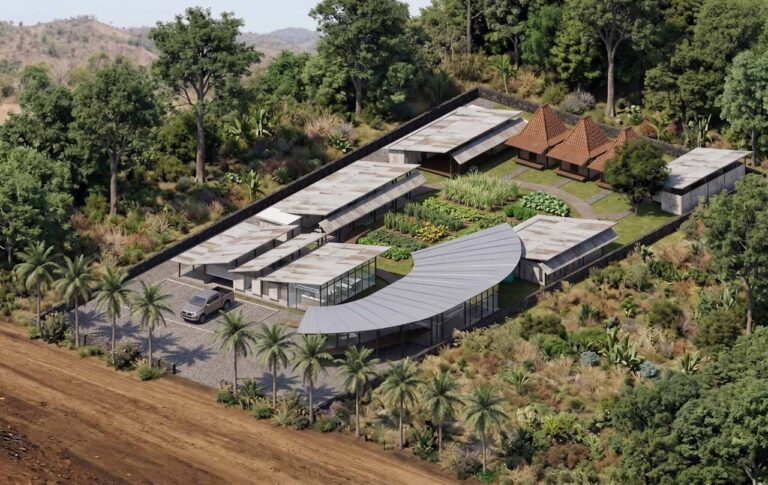
Explore Rumah Kambera in 3D
The Rumah Kambera microsite now includes an interactive 3D model of the future community socio-medical centre. Visitors can move through the project, explore its spaces and see how the site is being planned before construction begins.
Read this note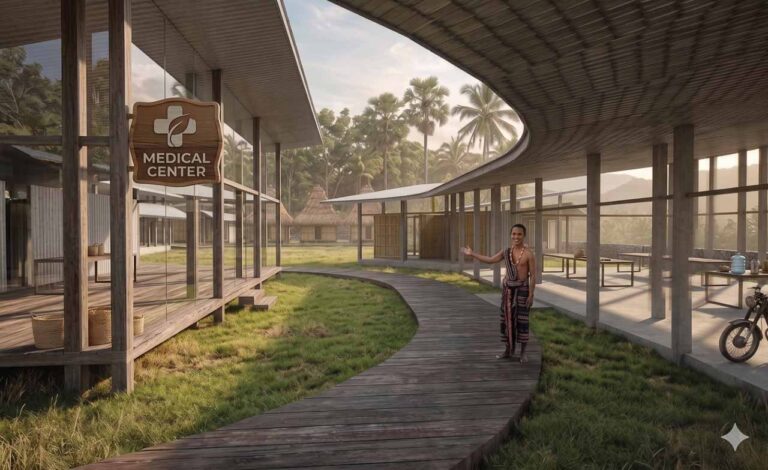
A dedicated website for Rumah Kambera
We have launched a dedicated website for Rumah Kambera, the future community socio-medical centre. It introduces the project as it stands today and will be updated regularly as the site, plans and construction move forward.
Read this note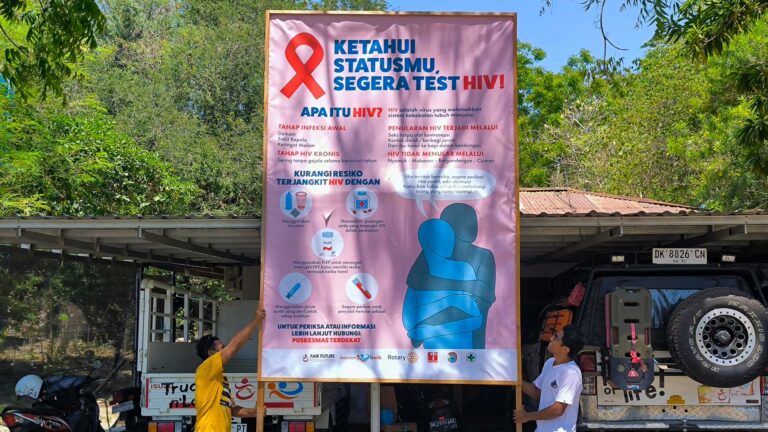
HIV testing matters in Waingapu
HIV testing is a vital first step towards timely care, treatment and prevention. In Waingapu, encouraging people to test helps reduce late diagnoses and gives families the information they need to protect their health.
Read this note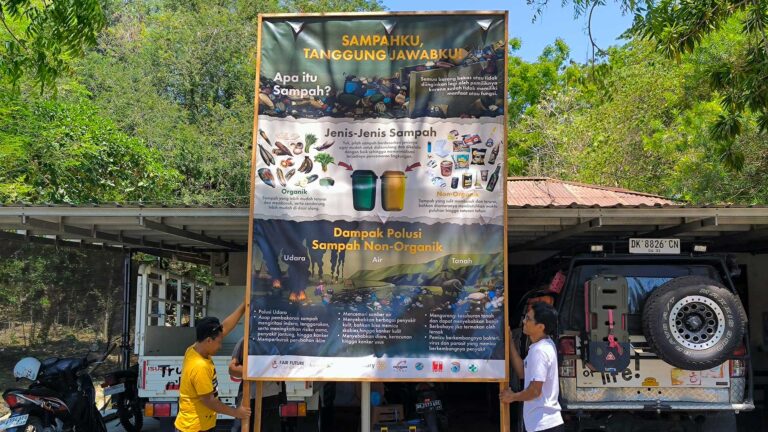
Plastic waste is a growing public health issue in Waingapu
Plastic waste is accumulating in streets, waterways and open spaces across Waingapu. Reducing it requires practical waste systems, public action and shared responsibility to protect health, drainage and the local environment.
Read this note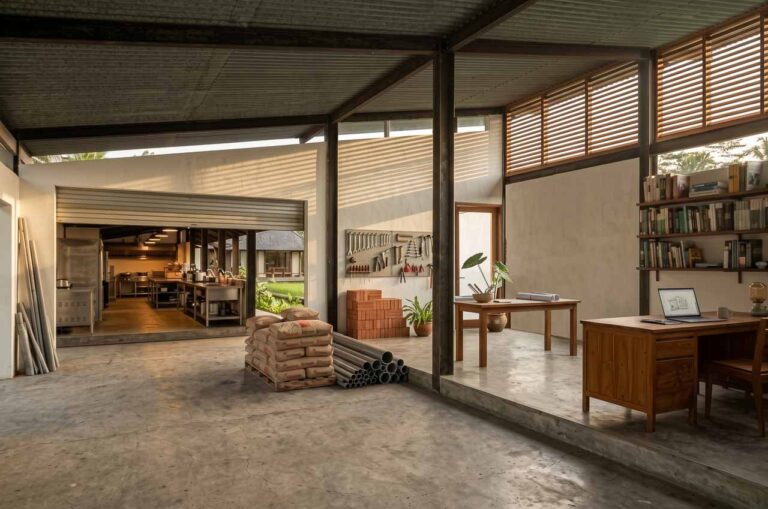
KNA prepares the first Rumah Kambera building
Today, we met KNA in Surabaya, the construction company that will lead the first building of the future Rumah Kambera Community Socio-Medical Centre. We have also launched a dedicated website to follow this project as it takes shape.
Read this note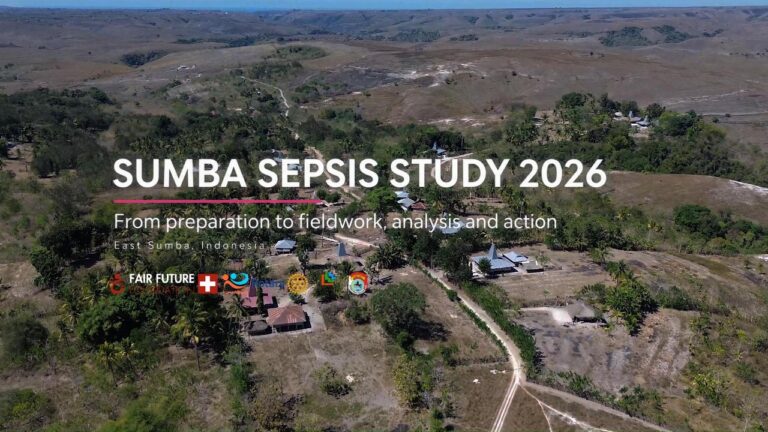
The Sumba Sepsis Study film is now online
Our new film follows the Sumba Sepsis Study from the field, where teams documented health realities across 1,001 households and worked to make sepsis visible before it becomes a fatal emergency.
Read this note