


Donare
Assistenza sanitaria
Articoli e News
Storie dal campo
Glossario
Guida escursionistica

Acqua, energia e infrastrutture
Energia solare e elettrificazione
Reliable power for children, schools, water systems and community services in places the grid does not reach.
- 2,224 Junior and 24 Student lights in 2025
- 24 schools reached in the planned distribution
- Solar systems designed for remote maintenance
When the sun sets, essential work should not stop
In an off-grid village, darkness affects study, safety, communication, water and the ability to prepare for tomorrow. Solar & Electrification turns available sunlight into practical hours that children, teachers and communities can use.
Il programma
Energy designed around what people need to do
Electricity matters when it keeps a child reading, a teacher preparing, a water pump moving or a remote team connected. The technology is only useful if it serves that daily purpose reliably.
Our report from Mahu shows a small solar panel powering one lamp beyond the grid, and why dependable electricity matters in daily life.
Solar & Electrification works at several scales. Personal SolarBuddy lights give children safer light for reading and movement after dark. Larger photovoltaic systems support schools, water infrastructure, internet access, printing, charging and the buildings where essential services operate.
Each project begins with the use, not the equipment. Load, autonomy, location, security, maintenance and local responsibility are considered before installation. Teams return to inspect what was built, listen to users and correct problems because equipment placed far from technicians must remain understandable and repairable.
2,224 Junior and 24 Student lights prepared with education and school coordination.
Teachers, families and local leaders help verify recipients and explain responsible use.
A 6 kW inverter and 14 kWh lithium battery support learning, internet, printing and teachers living on site.
The Mbajik system was inspected nearly a year after installation, with users consulted and equipment checked.
From need to maintained power
How a remote energy system is built to last
The installation day is one moment in a longer responsibility. A useful system must be sized correctly, installed safely, understood locally and inspected after people begin using it.
Identify the use
The team records who needs power, for which activities, at what hours and what currently stops them.
Measure and design
Loads, solar exposure, battery autonomy, wiring routes, structure, security and future maintenance shape the system.
Transport and install
Panels, batteries, inverters, protection and tools travel across difficult routes before careful testing on site.
Teach responsibility
Users learn charging, safe operation, panel cleaning, fault reporting and the limits of available power.
Return and inspect
Connections, supports, batteries, inverters and actual use are reviewed so problems are found before service fails.
Reliability is part of the intervention
Power must remain safe after the team leaves
Off-grid equipment cannot depend on frequent specialist visits. Clear design, protected components, realistic loads and local knowledge are essential to continuity.
What a durable system includes
- Load assessment based on real daily use rather than equipment alone
- Correctly sized panels, inverter, battery storage and electrical protection
- Safe wiring, secure mounting and components protected from weather and misuse
- Simple operating guidance understood by teachers, families or local supervisors
- Routine cleaning, visual checks and a clear way to report faults
- Documented follow-up that compares technical performance with user experience
What puts continuity at risk
- Adding loads that exceed the system’s designed capacity
- Damaged cables, loose connections, water entry or unsafe alterations
- Batteries left without monitoring or used outside safe operating limits
- Panels shaded, dirty, unsecured or installed without access for inspection
- No person locally responsible for basic checks and fault reporting
- Equipment donated without training, spare planning or a return visit
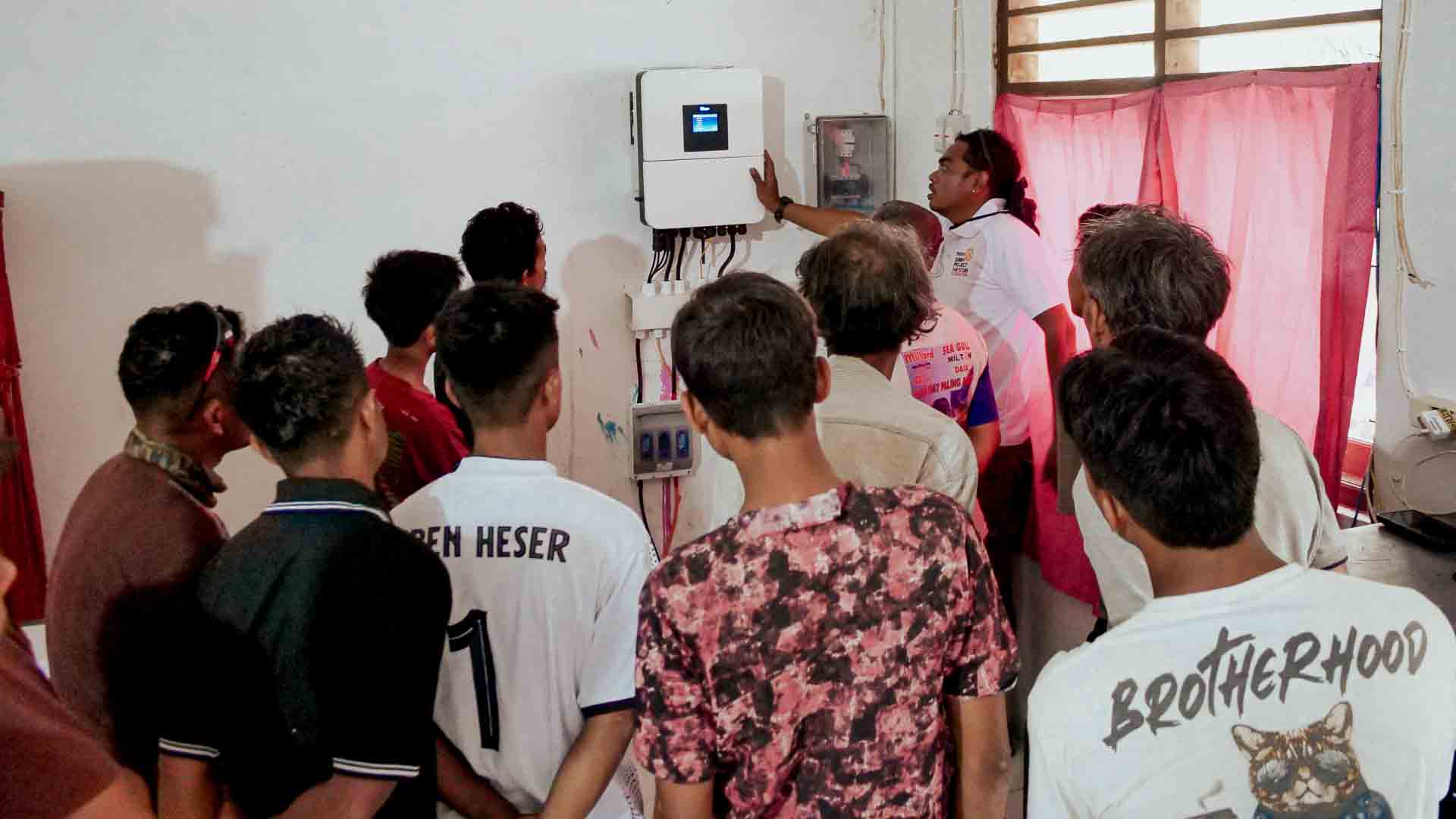
At SDN Mbajik, power now supports classrooms, teachers living on site, internet, printing and evening study. Returning after installation is part of the work.
Energy in daily life
Electricity connects services that used to stop at dusk
At SDN Mbajik in Haray, six teachers sleep on site because the school is hours from town. The solar system serves 55 pupils and supports lesson preparation, computer use, printing, internet access and lighting after sunset. Its value appears in ordinary tasks that can now continue.
Study and teaching
Children can read after dark while teachers prepare and print lessons without travelling to town.
Water systems
Solar pumping can move water where gravity or a public electricity connection is unavailable.
Communication
Charging and internet access connect remote schools and teams to information, coordination and support.
Safer evenings
Personal lights reduce dependence on darkness and polluting flame-based lighting for study and movement.
Quali cambiamenti nella pratica
Reliable energy returns usable time to a community
Children can keep learning
Reading and homework no longer have to end simply because daylight has disappeared.
Teachers can work on site
Preparation, printing, charging and online resources become possible at the school where they live.
Water and communication become more resilient
Correctly designed solar power can support pumps, connectivity and field equipment beyond grid reach.
Responsibility continues after installation
Training and return inspections make users part of keeping the system safe and useful.
School systemSolar electrification at SDN MbajikFollow the transport, installation, testing and local training behind a remote photovoltaic system.
Programme evidenceSolarBuddy distribution reportsOpen the reporting behind lamp preparation, routes, school coordination, funding and delivery.
Energy educationA light arrives with knowledgeSee how children learn to charge, protect, share and use a personal solar light responsibly.
Connected infrastructureWater ConnectionsUnderstand where solar pumping and reliable energy support safe water beyond public networks.
Registrazione in campo in tempo realeNote di viaggio dall'Indonesia orientaleFollow recent inspections, distributions, school visits, water systems and infrastructure work.
Guida pratica e glossarioEnergy and infrastructure explainedOpen practical terms and field guides related to solar power, batteries, access and maintenance.
Health referenceHousehold energy and healthRead why replacing polluting household fuels and lighting matters for respiratory health and safety.
In diretta dal campo
Solar & Electrification Field Notes, as the work happens
Two recent signals involving solar power, schools, lighting, batteries or infrastructure. These notes refresh when a relevant Field Note is published.
Direttamente dal campo
Latest Solar & Electrification reports
These reports document installations, school use, lamp distributions, inspections, maintenance, energy education and what reliable power changes in remote communities.
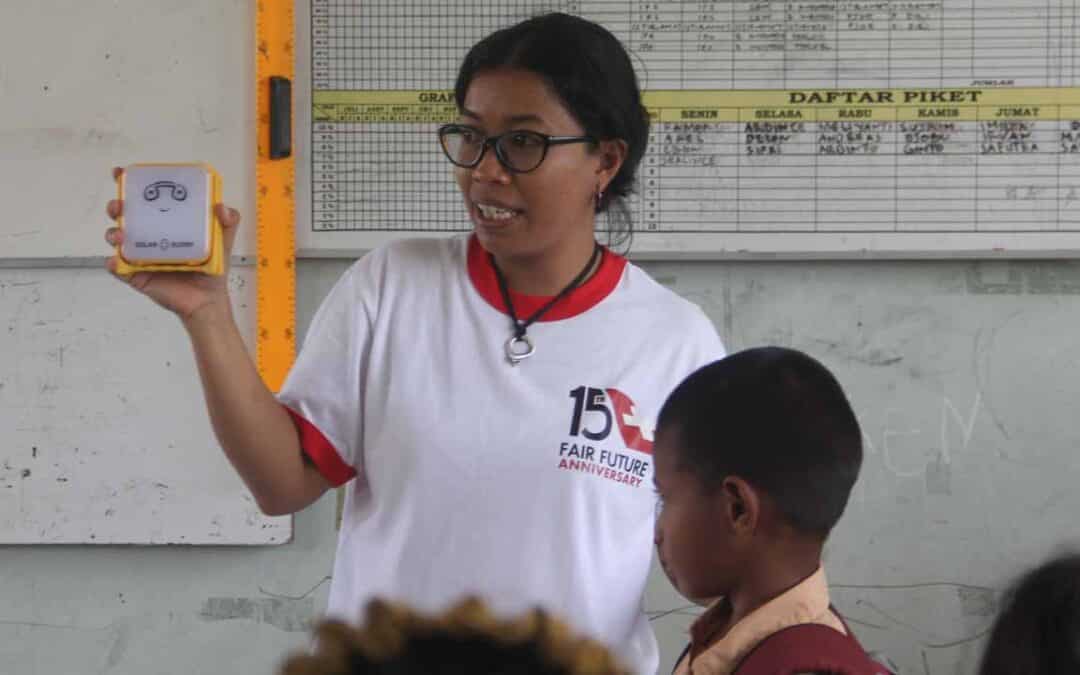
Insegnare ai bambini come le SolarBuddy luci possano cambiare la loro vita
Ayu mostra le SolarBuddy lampade ai bambini della zona rurale di East Sumba prima della distribuzione in villaggi fuori rete elettrica, mostrando come la luce sicura possa supportare lo studio e la vita quotidiana dopo il tramonto.
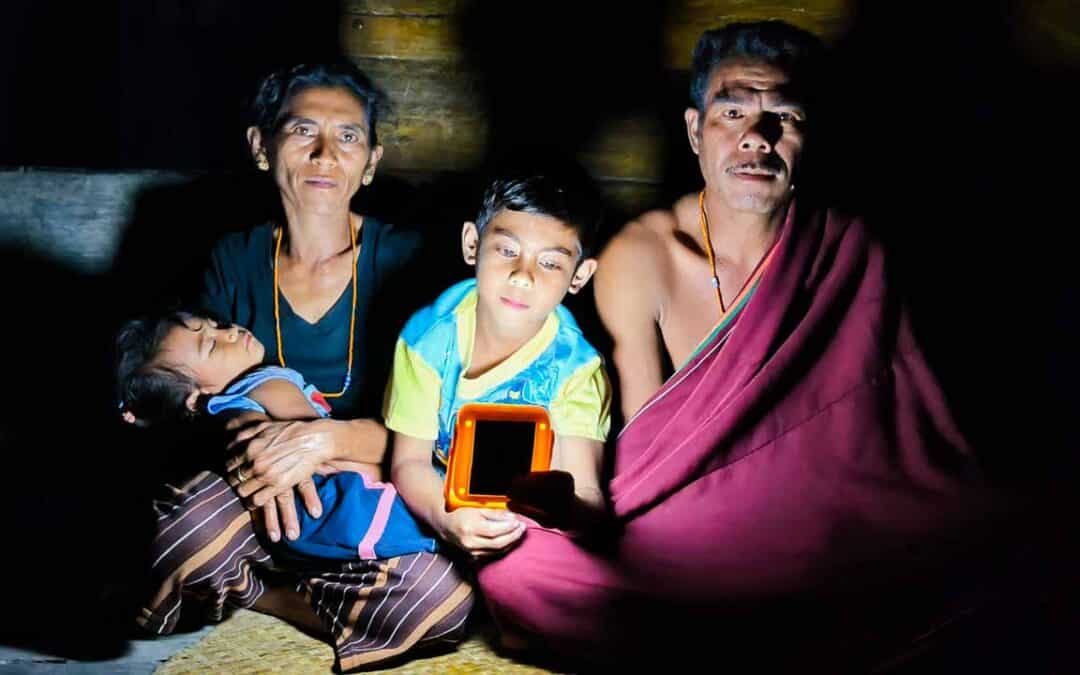
SolarBuddy Lampade: trasformando vite nelle aree rurali dell'Indonesia
SolarBuddy Le lampade forniscono una luce affidabile per l’utilizzo fuori rete ai bambini e alle famiglie del remoto East Sumba, contribuendo allo studio, alla sicurezza e alla vita quotidiana dove l’elettricità non è disponibile.
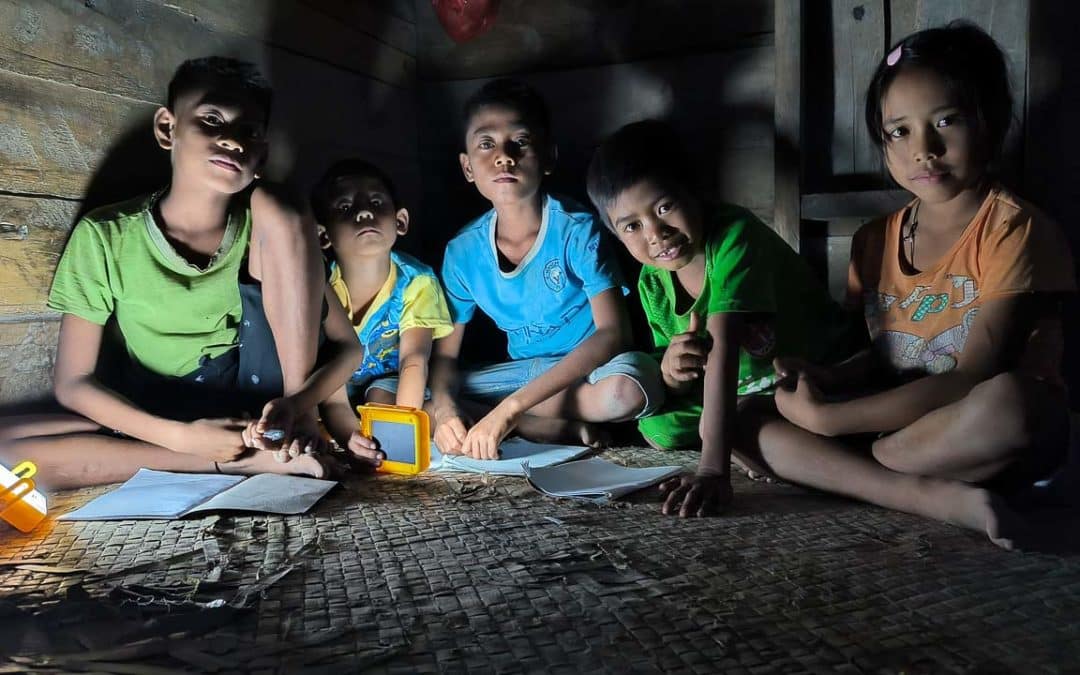
Illuminare le vite: SolarBuddy impatto sulle case dei bambini
In regioni remote dove la notte limita l’accesso all’istruzione e alla sicurezza, il SolarBuddy programma offre un faro di speranza. Queste lampade alimentate a energia solare non sono solo fonti di luce; sono strumenti di apprendimento e di sicurezza, migliorando significativamente la vita dei bambini attraverso l’ampliamento delle opportunità educative e la riduzione dei rischi notturni.
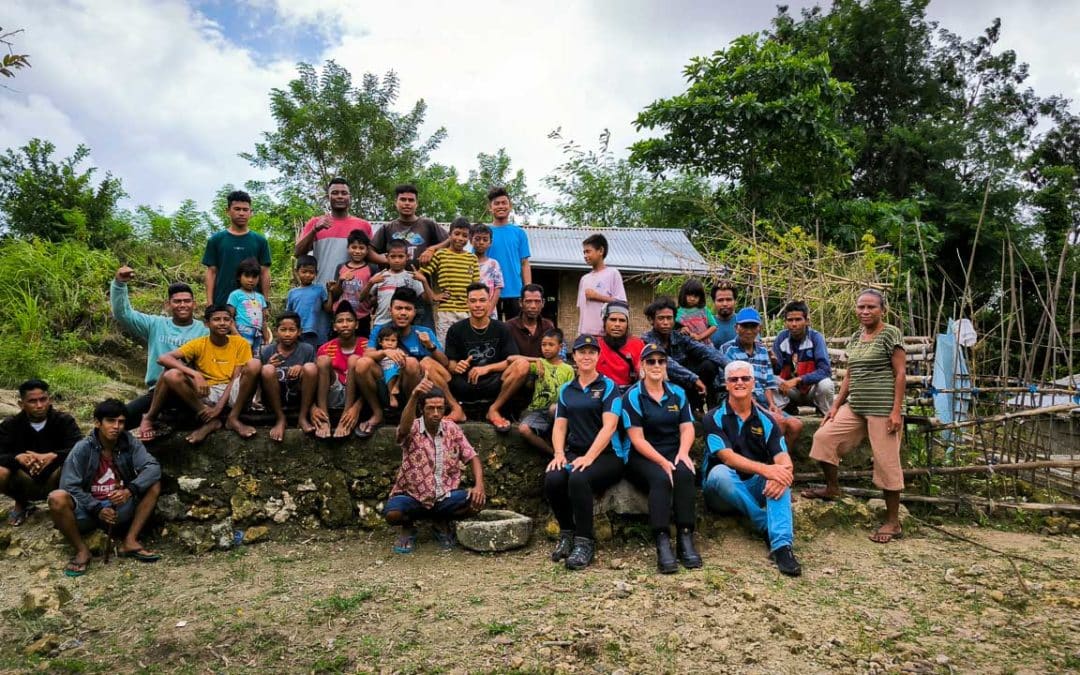
Collaborazione con il Rotary Club Australia nell'East Sumba
Dal 17 al 24 aprile, Fair Future ha ospitato cinque membri del Rotary Club Australia. Hanno visitato East Sumba per conoscere il nostro lavoro, tra cui i progetti per l’acqua pulita e gli sforzi per combattere malattie come la malaria e il dengue. Insieme, abbiamo distribuito SolarBuddy lampade e promosso uno stile di vita sano. Abbiamo apprezzato profondamente il loro supporto.
Responsabilità
Installed equipment creates a continuing responsibility
We document specifications, costs, locations, recipients, training, inspections and faults. Energy projects are judged by safe performance and daily usefulness over time, not by the moment equipment is handed over or switched on.
