


Donare
Assistenza sanitaria
Articoli e News
Storie dal campo
Glossario
Guida escursionistica
Programma Salute e Medicina
Salute dei bambini
Care, prevention and early referral for children growing up far from clinics, safe water and reliable transport.
- Care close to homes and schools
- Assessment, prevention and early referral
- Connected to a 27-agent rural health network
A childhood illness should not become dangerous because the road is long
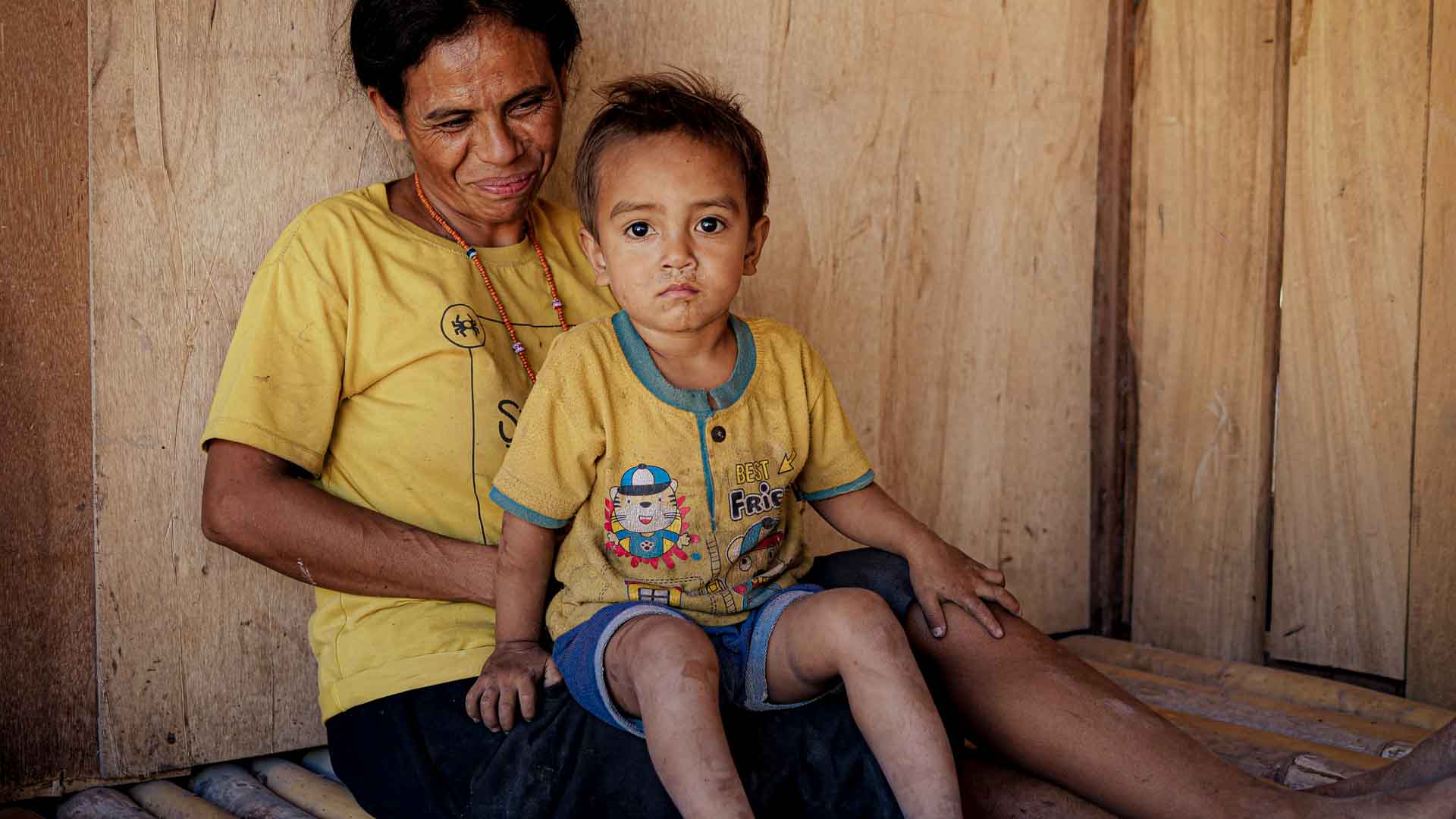
In East Sumba, fever, diarrhoea, a wound or breathing difficulty can worsen while a family is still deciding how to reach care. Child Health brings observation, prevention, practical first-line support and a safer referral pathway closer to the child.
Il programma
Care begins before a child reaches an emergency
A child’s condition can change quickly. The earlier a family recognises danger, receives safe advice and reaches appropriate care, the greater the chance of preventing severe illness.
Child Health works through the same village network that supports Primary Medical Care. Kawan Sehat agents meet children in homes, schools and community activities. They listen to caregivers, assess common symptoms within their training, support prevention and connect families to medical supervision or formal services when risk rises.
The programme does not replace paediatric care, vaccination services or public health centres. It helps close the dangerous interval between the first sign of illness and the moment a child receives the level of care they need. Clean water, nutrition, immunisation, malaria prevention and family knowledge are treated as part of the same health system.
A rural network able to recognise risk, support families and connect children to supervised care.
Observation and practical advice happen where children live, before transport becomes possible.
Hygiene, nutrition, infection, waste, malaria and health risks are explained in language children understand.
Danger signs are recognised sooner so referral can begin before a child becomes critically ill.
From a caregiver’s concern to safer care
How the programme supports a child
Child health is not one isolated consultation. It is a sequence that begins with listening and continues through assessment, prevention, referral and follow-up.
Listen to the caregiver
The agent asks what changed, when it began, whether the child can drink, eat, breathe, sleep and respond normally.
Look for danger
Hydration, fever, breathing, consciousness, pain, wounds and visible signs of infection are checked within the agent’s training.
Act within limits
Safe first-line measures and approved medicines are used only when appropriate. Uncertain or severe cases move to referral.
Protect the next day
Caregivers receive practical guidance on fluids, hygiene, nutrition, medicine use, warning signs and when to seek help again.
Return and review
Follow-up checks whether the child is recovering and gives the medical team a clearer record if care must escalate.
Small bodies can deteriorate quickly
Common illness, serious risk when care is distant
The programme helps families recognise what can be supported locally and what requires urgent professional care. The threshold for referral remains deliberately cautious.
Care and prevention close to home
- Assess common symptoms and available vital signs within protocol
- Support oral rehydration and safe feeding advice during uncomplicated diarrhoea
- Pulire e curare ferite superficiali e semplici
- Teach hand hygiene, safe water, food safety and infection prevention
- Identify missed vaccination and help families reconnect with public services
- Monitor recovery, nutrition concerns and recurring illness through follow-up
When a child needs referral
- Breathing difficulty, chest indrawing, blue colour or severe weakness
- Altered consciousness, convulsions, shock or a child who cannot drink
- Severe dehydration, persistent vomiting or blood in stool
- Possible sepsis, spreading infection or a rapidly worsening wound
- Severe malnutrition, oedema or repeated illness affecting growth
- Any newborn danger sign or condition beyond local skills and supplies

Protecting a child takes more than treating symptoms. It requires trusted information, vaccination access, clean water, adequate nutrition, follow-up and a route to formal care.
Care around the whole child
Clinical care and daily conditions belong together
A child’s recovery is shaped by the water they drink, the food available at home, indoor smoke, mosquito exposure, vaccination access and how quickly an adult recognises that something is wrong. Child Health connects these conditions instead of treating each one as a separate problem.
Family knowledge
Caregivers learn practical danger signs, safe medicine use, hydration and when waiting is no longer safe.
School prevention
Children learn about hygiene, infection, nutrition, malaria, waste and risks they can recognise in daily life.
Village follow-up
Local agents can return, observe recovery and identify children who repeatedly become ill or fail to improve.
Connected programmes
Clean water, malaria prevention, nutrition, Primary Medical Care and referral reinforce the same protective system.
Quali cambiamenti nella pratica
Earlier care protects more than the present illness
Less dangerous waiting
A caregiver has a known first contact before money, transport or uncertainty postpones a necessary decision.
Safer recognition of dehydration
Drinking, urine, alertness and other warning signs can be checked before fluid loss becomes critical.
Infection is taken seriously
A small wound, fever or skin infection is followed for change rather than dismissed until severe illness appears.
Prevention enters family life
Water, food, vaccination, smoke, mosquitoes and hygiene become part of one practical conversation about health.
PrevenzionePreventable childhood diseaseUnderstand vaccination gaps, trust, logistics and the work required to reconnect remote children with services.
Water and healthUnsafe water and childhood diarrhoeaSee how dehydration, infection and malnutrition reinforce each other when safe water is absent.
NutrizioneMalnutrition and infectionExplore how inadequate nutrition weakens immunity and makes ordinary infections harder for a child to survive.
Care systemPrimary Medical CareSee the agents, medicines, supervision, records and referral system supporting children and their families.
Registrazione in campo in tempo realeNote di viaggio dall'Indonesia orientaleFollow recent medical visits, prevention sessions and the daily conditions affecting children in remote villages.
Guida pratica e glossarioChild health terms explainedOpen practical explanations of infection, nutrition, prevention, referral and community-based care.
Referenza medicaChild health and integrated careRead the international framework linking survival, development, nutrition, prevention and access to quality care.
In diretta dal campo
Child Health Field Notes, as the work happens
Two recent signals involving children, caregivers, school prevention, nutrition or medical care. These notes refresh when a relevant Field Note is published.
Direttamente dal campo
Latest Child Health reports
These reports document illness, prevention, vaccination access, nutrition, unsafe water, school health and the decisions families face when formal care remains far away.
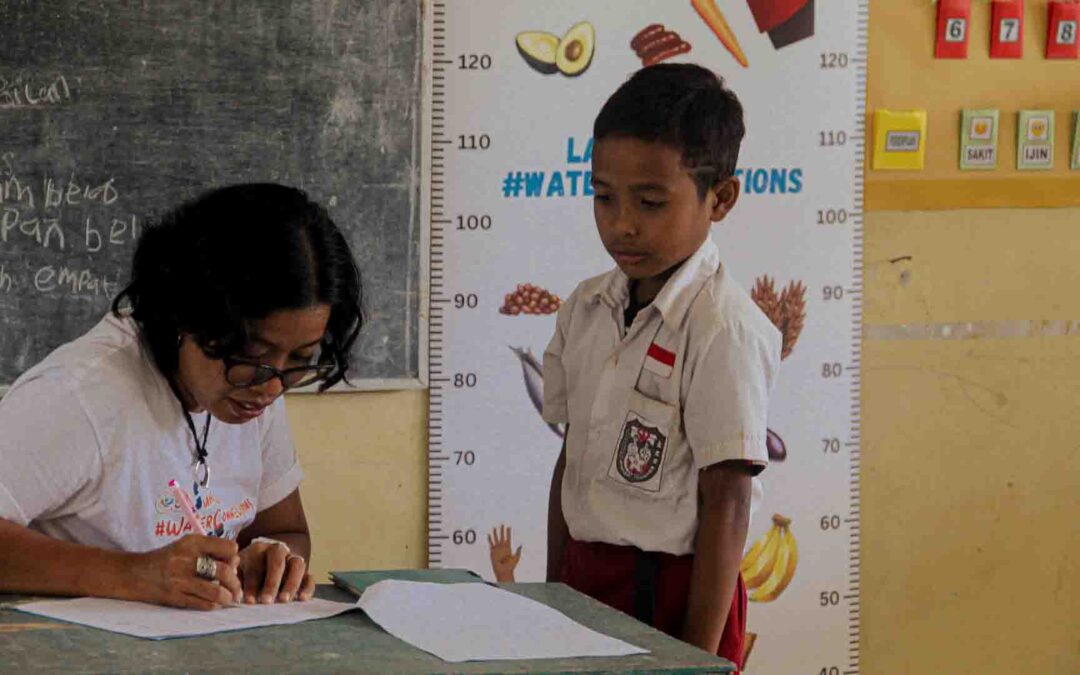
La malnutrizione è un fattore che moltiplica le infezioni | Immunità infantile
La malnutrizione è un fattore di moltiplicazione delle infezioni nell’East Sumba, dove un bambino su tre soffre di ritardo di crescita. La malnutrizione indebolisce l’immunità cellulare, aumenta la gravità delle infezioni e trasforma le malattie comuni in complicazioni potenzialmente letali. Ristabilire la nutrizione significa ripristinare la difesa immunitaria e la sopravvivenza.

Prevenzione delle infezioni cutanee nella zona rurale dell’Indonesia
Le infezioni della pelle non sono una questione di aspetto estetico. In zone ultra rurali, tagli, punture di insetti o pelle arrossata possono rapidamente trasformarsi in infezioni pericolose. Il caldo, l’acqua sporca e la mancata cura tempestiva aumentano il rischio. Una pulizia precoce e semplici misure di prevenzione salvano vite ogni giorno sul campo.

SolarBuddy Le lampade Matawai Katingga proteggono la salute dei bambini
In Lapinu, an isolated village in Matawai Katingga, SolarBuddy lamps Lapinu children change daily life. Without electricity or clean water, evenings meant smoke, kerosene and darkness. Our joint teams from Fair Future and Kawan Baik bring light as a medical tool, to protect lungs, eyes and learning
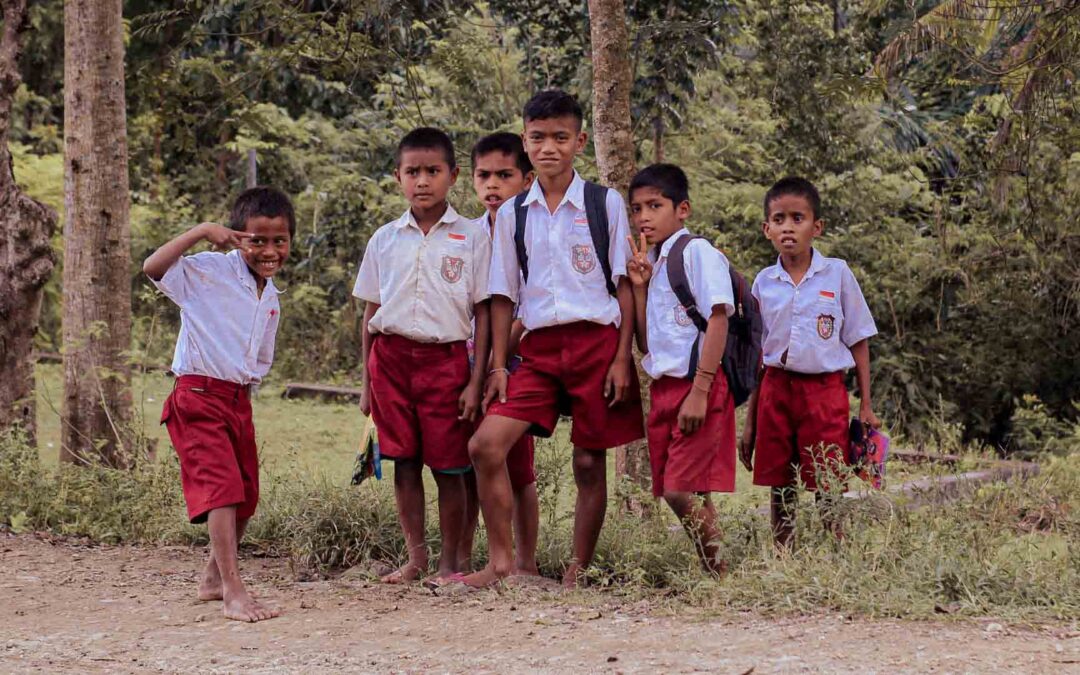
Donazione di sangue nella zona rurale dell’Indonesia
In i villaggi più remoti dell'Indonesia, donare sangue può essere l'unica cura d'emergenza disponibile. Una singola donazione può salvare la vita di una madre, un bambino o una vittima di un incidente. In luoghi dove non esistono ospedali, il tuo sangue è la loro speranza.
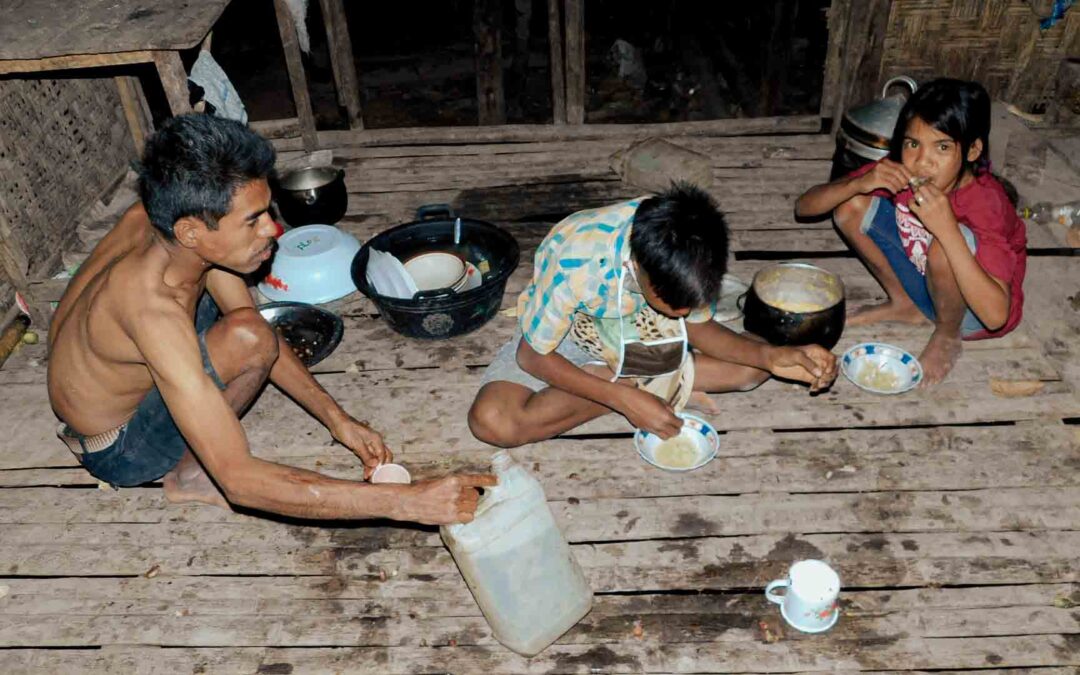
Perché continuiamo a ammalarci
Nel 2011 Laindatang, un bambino chiese perché lui e la sua famiglia fossero sempre malati. La risposta risiede nell’acqua: diarrea, tifo, infezioni della pelle, epatite A. Fair Future risponde con acqua pulita e assistenza medica di prima linea.
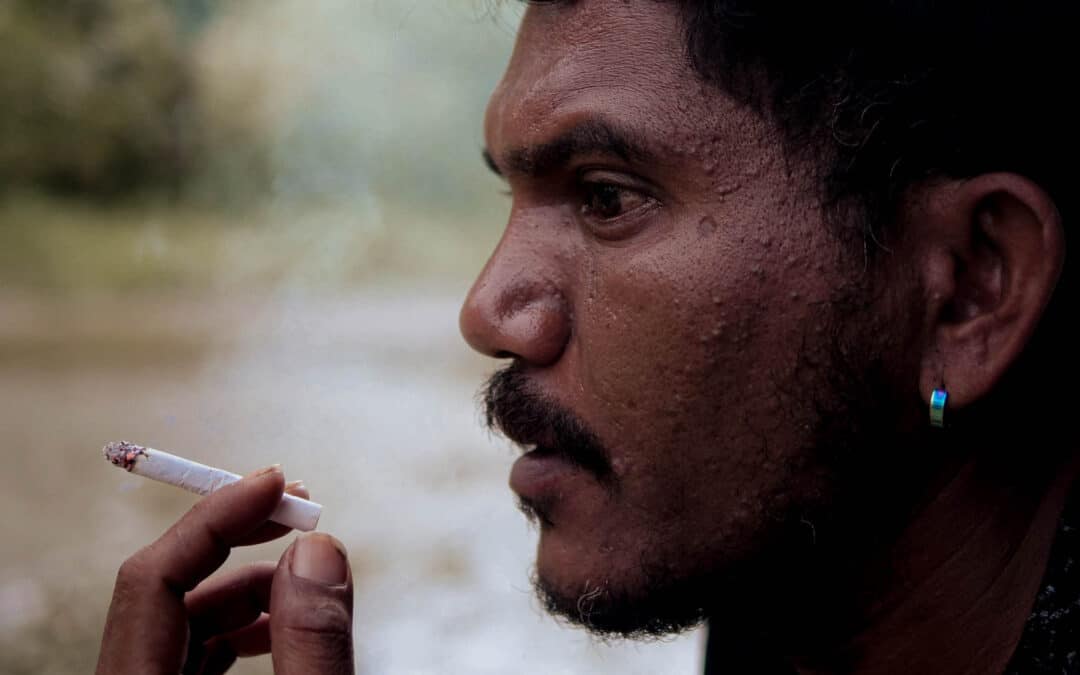
Il fumo passivo è una crisi sanitaria pubblica
Il fumo passivo è una crisi sanitaria. In Indonesia milioni di persone lo inalano quotidianamente senza possibilità di scelta. Bambini, donne in gravidanza e lavoratori stanno pagando con la loro vita. L’aria pulita deve diventare un diritto, non un privilegio.
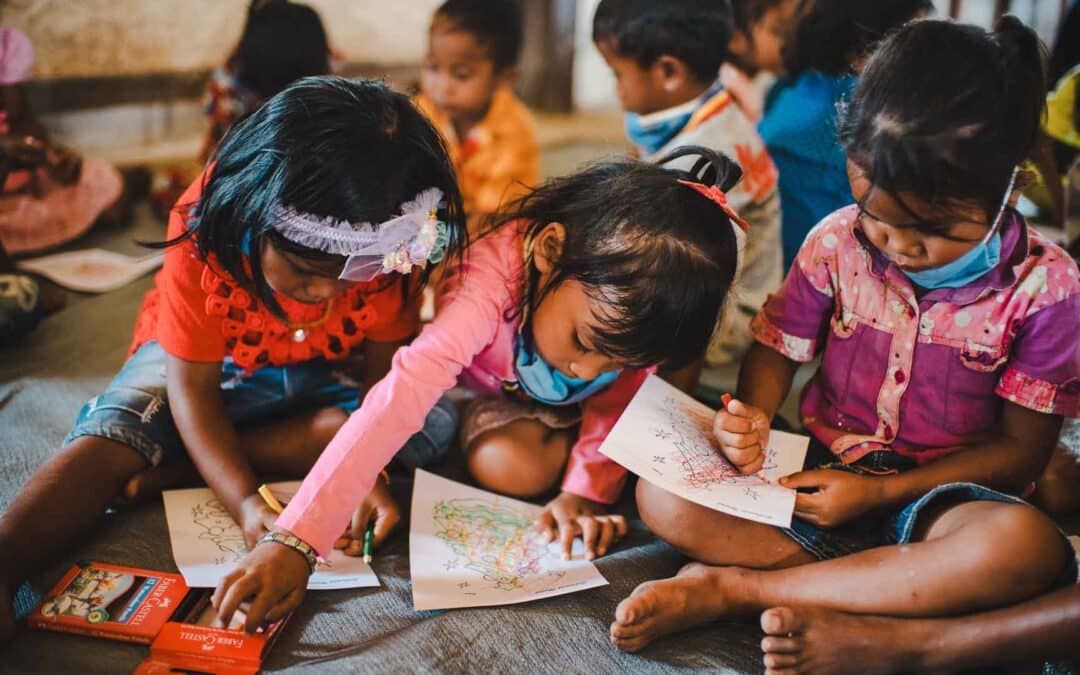
L'istruzione come salute nella zona rurale dell'Indonesia orientale
In zone remote dell’Indonesia orientale, ogni lezione è un’arma a difesa. Le scuole non sono solo luoghi di apprendimento, ma anche luoghi di cura, protezione e prevenzione delle malattie per bambini e famiglie.
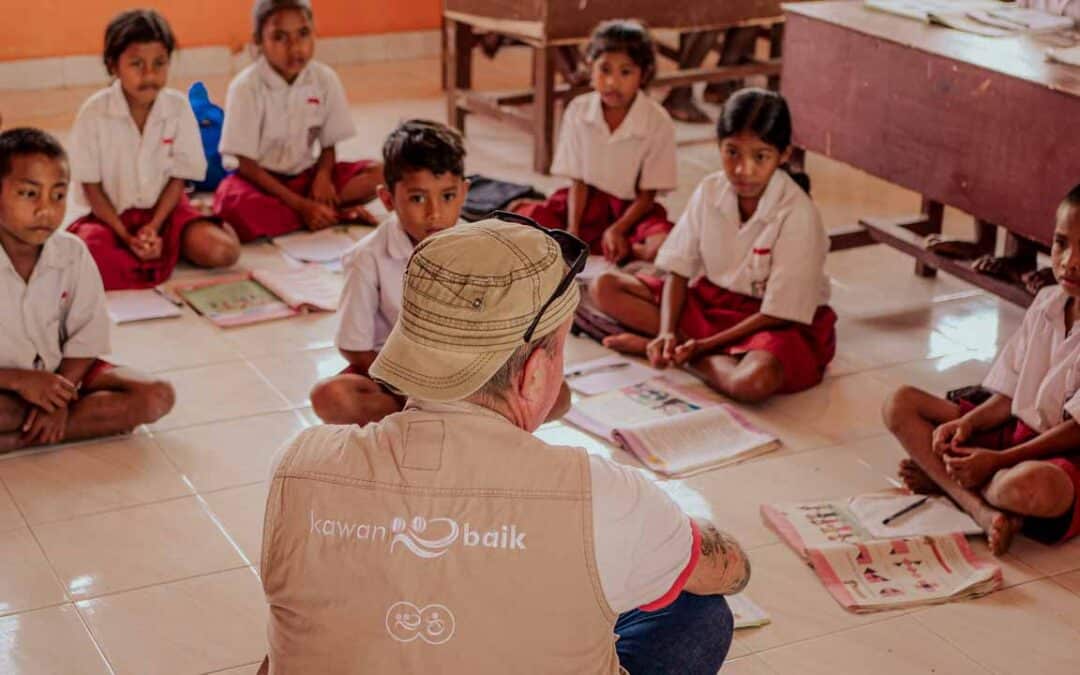
Crisi della malaria in Umalulu: un'emergenza strutturale
Nel 2016 Umalulu, quasi tutti i bambini di una scuola primaria di sei classi avevano già contratto la malaria. Con tassi di infezione superiori al 50% e budget sanitari nazionali ridotti, stiamo lanciando uno studio urgente per comprendere e combattere questa malattia mortale. Il nostro obiettivo: soluzioni reali e scalabili per una delle regioni più colpite dell’Indonesia.

Il tabacco fa più danni di quanto i fumatori proteggano gli altri ora
Il tabacco colpisce non solo i fumatori stessi: il fumo passivo mette in pericolo bambini, donne in gravidanza e intere comunità. Per combattere questo problema, Fair Future sta avviando una campagna urgente incentrata sull’educazione della popolazione riguardo all’esposizione al fumo passivo e sulla promozione di azioni dirette a livello comunitario. È giunto il momento di eliminare questa minaccia silenziosa.
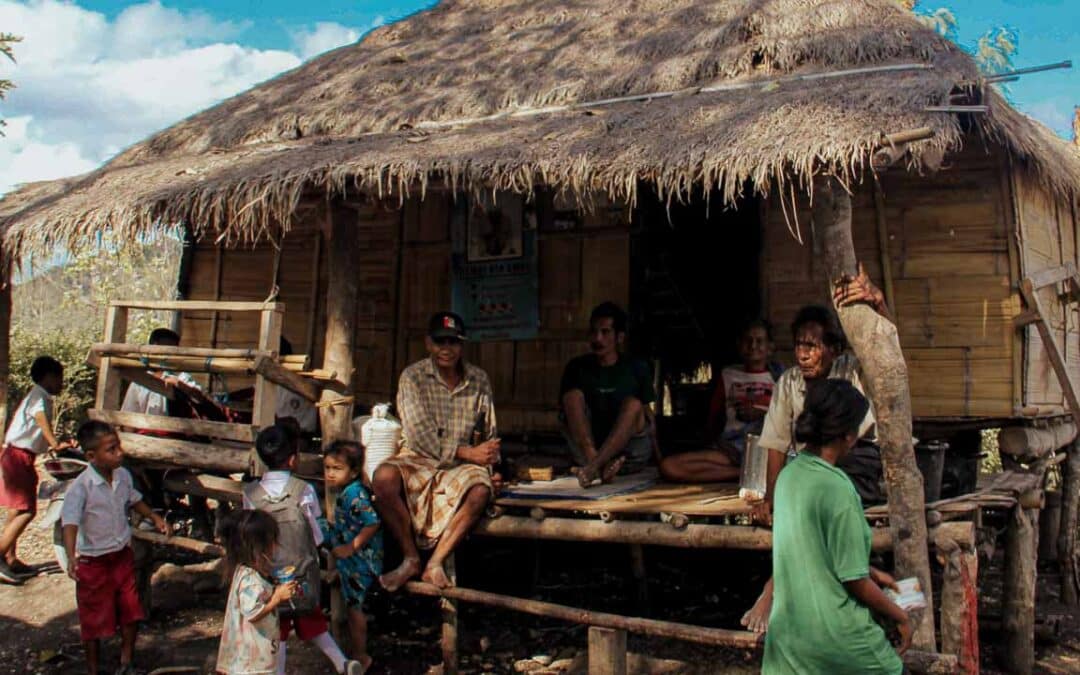
Lapinu Crisi idrica: guardate la toccante storia di Ibu Ester
Lapinu Lottano per sopravvivere senza elettricità, mancanza di acqua potabile e bambini che percorrono percorsi difficili per procurarsi derrate alimentari non sicure. Ascoltate il toccante racconto di Ibu Ester sulle sfide quotidiane e sulle malattie che devono affrontare. La fondazione Fair Future Foundation sta avviando un progetto per l’approvvigionamento di acqua pulita perché l’azione è essenziale per la loro sopravvivenza.

I pericoli dei social media per il benessere dei bambini
I social media rappresentano una significativa minaccia per la salute mentale, l’autostima e le capacità sociali dei bambini. Interferiscono con la loro concentrazione, alterano i modelli di sonno e influenzano il benessere emotivo, esponendoli inoltre a cyberbullismo e contenuti nocivi.

Critica dei pericolosi cambiamenti di politica di Meta
La richiesta di Mark Zuckerberg di ridurre la moderazione e promuovere l“”energia maschile” trascura la sicurezza e la diversità degli utenti, incidendo in modo particolare sui soggetti vulnerabili e sui bambini. Condanniamo questa posizione come pericolosa, che rischia di portare a contenuti e informazioni errate dannosi per la salute. Le piattaforme devono dare priorità alla responsabilità etica, alla diversità e alla protezione degli utenti rispetto ai profitti, promuovendo un ambiente digitale inclusivo.
Responsabilità
Children need continuity, not a single intervention
We document visits, referrals, medicines, prevention activities and the limits teams meet in the field. Child Health remains connected to public services and to the water, nutrition and infection risks that shape whether a child recovers and continues to grow.
