


Donate
Support Care
Articles & News
Field stories
Glossary
Field guides
Health & Medical Program
Child Health
Care, prevention and early referral for children growing up far from clinics, safe water and reliable transport.
- Care close to homes and schools
- Assessment, prevention and early referral
- Connected to a 27-agent rural health network
A childhood illness should not become dangerous because the road is long
In East Sumba, fever, diarrhoea, a wound or breathing difficulty can worsen while a family is still deciding how to reach care. Child Health brings observation, prevention, practical first-line support and a safer referral pathway closer to the child.
The programme
Care begins before a child reaches an emergency
A child’s condition can change quickly. The earlier a family recognises danger, receives safe advice and reaches appropriate care, the greater the chance of preventing severe illness.
Child Health works through the same village network that supports Primary Medical Care. Kawan Sehat agents meet children in homes, schools and community activities. They listen to caregivers, assess common symptoms within their training, support prevention and connect families to medical supervision or formal services when risk rises.
The programme does not replace paediatric care, vaccination services or public health centres. It helps close the dangerous interval between the first sign of illness and the moment a child receives the level of care they need. Clean water, nutrition, immunisation, malaria prevention and family knowledge are treated as part of the same health system.
A rural network able to recognise risk, support families and connect children to supervised care.
Observation and practical advice happen where children live, before transport becomes possible.
Hygiene, nutrition, infection, waste, malaria and health risks are explained in language children understand.
Danger signs are recognised sooner so referral can begin before a child becomes critically ill.
From a caregiver’s concern to safer care
How the programme supports a child
Child health is not one isolated consultation. It is a sequence that begins with listening and continues through assessment, prevention, referral and follow-up.
Listen to the caregiver
The agent asks what changed, when it began, whether the child can drink, eat, breathe, sleep and respond normally.
Look for danger
Hydration, fever, breathing, consciousness, pain, wounds and visible signs of infection are checked within the agent’s training.
Act within limits
Safe first-line measures and approved medicines are used only when appropriate. Uncertain or severe cases move to referral.
Protect the next day
Caregivers receive practical guidance on fluids, hygiene, nutrition, medicine use, warning signs and when to seek help again.
Return and review
Follow-up checks whether the child is recovering and gives the medical team a clearer record if care must escalate.
Small bodies can deteriorate quickly
Common illness, serious risk when care is distant
The programme helps families recognise what can be supported locally and what requires urgent professional care. The threshold for referral remains deliberately cautious.
Care and prevention close to home
- Assess common symptoms and available vital signs within protocol
- Support oral rehydration and safe feeding advice during uncomplicated diarrhoea
- Clean and dress superficial, uncomplicated wounds
- Teach hand hygiene, safe water, food safety and infection prevention
- Identify missed vaccination and help families reconnect with public services
- Monitor recovery, nutrition concerns and recurring illness through follow-up
When a child needs referral
- Breathing difficulty, chest indrawing, blue colour or severe weakness
- Altered consciousness, convulsions, shock or a child who cannot drink
- Severe dehydration, persistent vomiting or blood in stool
- Possible sepsis, spreading infection or a rapidly worsening wound
- Severe malnutrition, oedema or repeated illness affecting growth
- Any newborn danger sign or condition beyond local skills and supplies

Protecting a child takes more than treating symptoms. It requires trusted information, vaccination access, clean water, adequate nutrition, follow-up and a route to formal care.
Care around the whole child
Clinical care and daily conditions belong together
A child’s recovery is shaped by the water they drink, the food available at home, indoor smoke, mosquito exposure, vaccination access and how quickly an adult recognises that something is wrong. Child Health connects these conditions instead of treating each one as a separate problem.
Family knowledge
Caregivers learn practical danger signs, safe medicine use, hydration and when waiting is no longer safe.
School prevention
Children learn about hygiene, infection, nutrition, malaria, waste and risks they can recognise in daily life.
Village follow-up
Local agents can return, observe recovery and identify children who repeatedly become ill or fail to improve.
Connected programmes
Clean water, malaria prevention, nutrition, Primary Medical Care and referral reinforce the same protective system.
What changes in practice
Earlier care protects more than the present illness
Less dangerous waiting
A caregiver has a known first contact before money, transport or uncertainty postpones a necessary decision.
Safer recognition of dehydration
Drinking, urine, alertness and other warning signs can be checked before fluid loss becomes critical.
Infection is taken seriously
A small wound, fever or skin infection is followed for change rather than dismissed until severe illness appears.
Prevention enters family life
Water, food, vaccination, smoke, mosquitoes and hygiene become part of one practical conversation about health.
PreventionPreventable childhood diseaseUnderstand vaccination gaps, trust, logistics and the work required to reconnect remote children with services.
Water and healthUnsafe water and childhood diarrhoeaSee how dehydration, infection and malnutrition reinforce each other when safe water is absent.
NutritionMalnutrition and infectionExplore how inadequate nutrition weakens immunity and makes ordinary infections harder for a child to survive.
Care systemPrimary Medical CareSee the agents, medicines, supervision, records and referral system supporting children and their families.
Live field recordField Notes from Eastern IndonesiaFollow recent medical visits, prevention sessions and the daily conditions affecting children in remote villages.
Field guide & glossaryChild health terms explainedOpen practical explanations of infection, nutrition, prevention, referral and community-based care.
Medical referenceChild health and integrated careRead the international framework linking survival, development, nutrition, prevention and access to quality care.
Live from the field
Child Health Field Notes, as the work happens
Two recent signals involving children, caregivers, school prevention, nutrition or medical care. These notes refresh when a relevant Field Note is published.
Directly from the field
Latest Child Health reports
These reports document illness, prevention, vaccination access, nutrition, unsafe water, school health and the decisions families face when formal care remains far away.
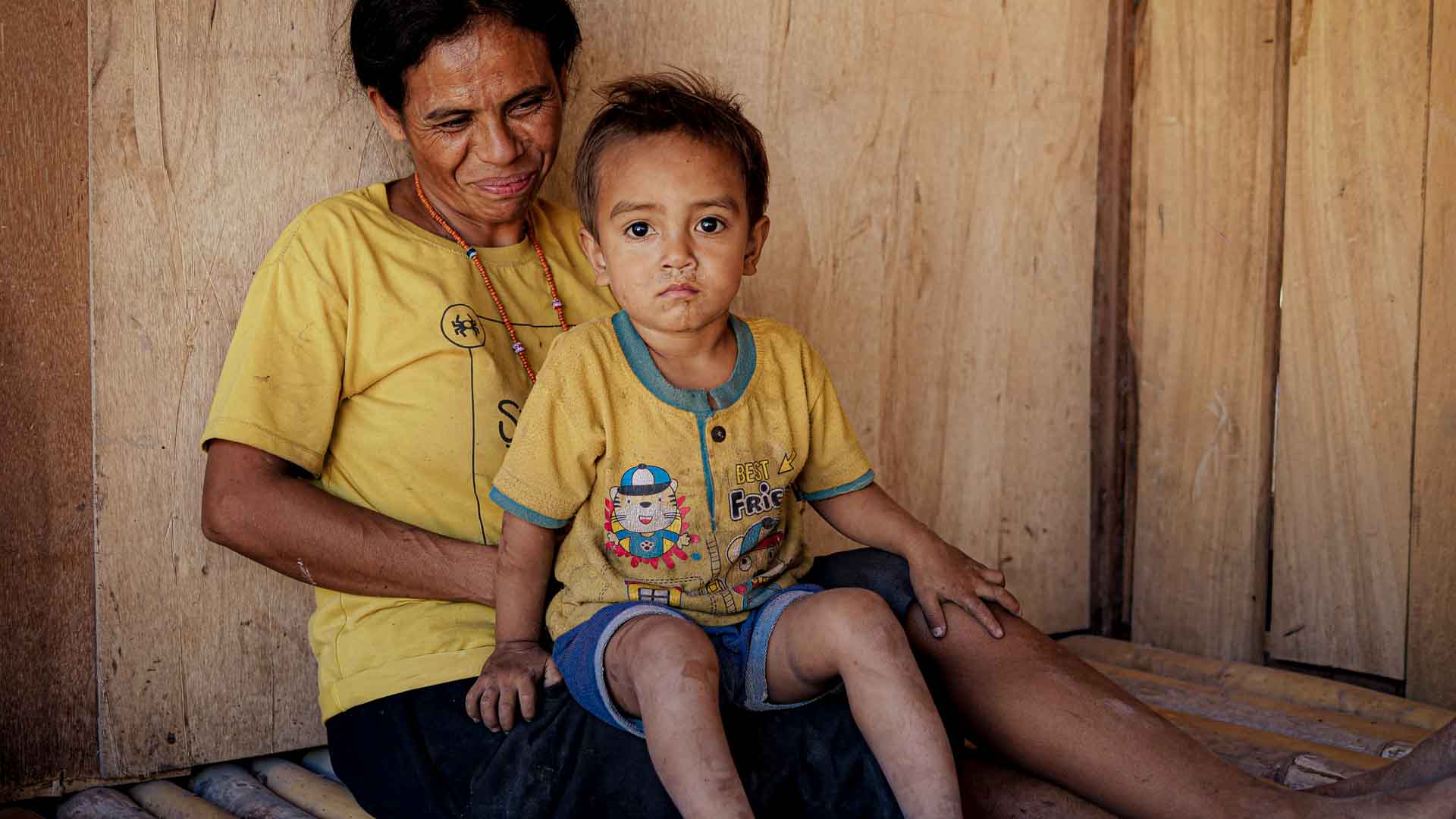
Malnutrition Is an Infection Multiplier | Child Immunity
Malnutrition is an infection multiplier in East Sumba, where one child in three faces growth delay. Undernutrition weakens cellular immunity, increases infection severity, and turns common illnesses into life-threatening complications. Restoring nutrition means restoring immune defense and survival.

Skin infection prevention in rural Indonesia
Skin infections are not cosmetic. In ultra rural areas, small cuts, insect bites, or scratched skin can quickly become dangerous infections. Heat, dirty water, and delayed care increase the risk. Early cleaning and simple prevention save lives every day in the field.

SolarBuddy lamps Matawai Katingga protect child health
In Lapinu, an isolated village in Matawai Katingga, SolarBuddy lamps Lapinu children change daily life. Without electricity or clean water, evenings meant smoke, kerosene and darkness. Our joint teams from Fair Future and Kawan Baik bring light as a medical tool, to protect lungs, eyes and learning
Blood Donation in Rural Indonesia
In Indonesia’s remote villages, giving blood can be the only available emergency care. A single donation may save the life of a mother, child, or accident victim. In places without hospitals, your blood is their hope.
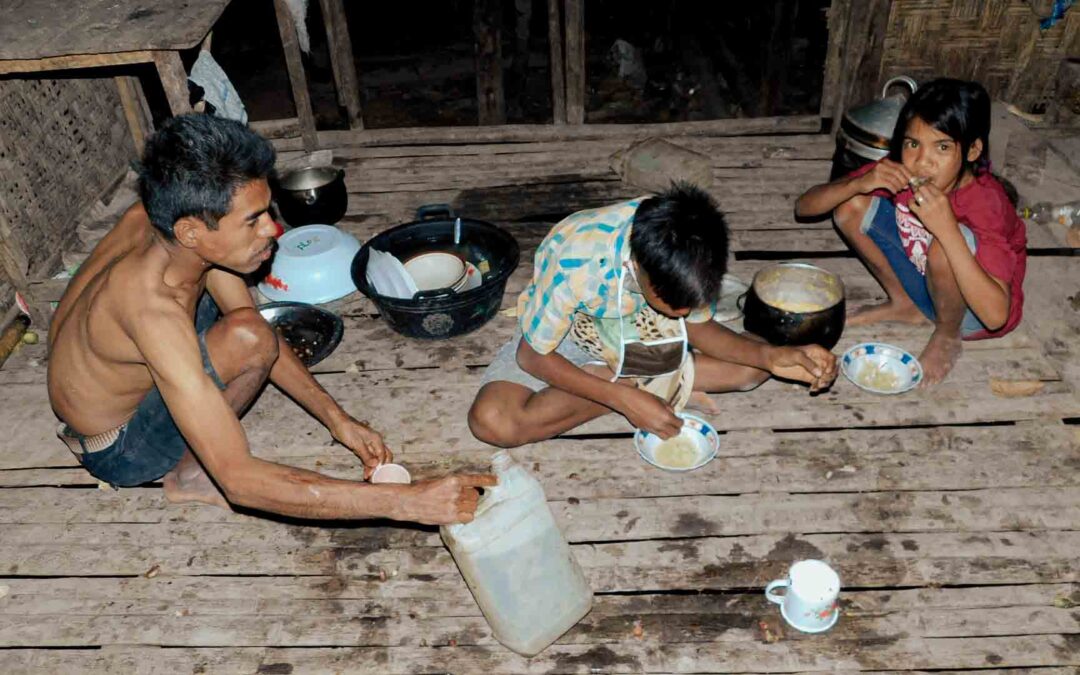
Why We Keep Getting Sick
In Laindatang, a child asked why he and his family are always sick. The answer lies in the water: diarrhea, typhoid, skin infections, hepatitis A. Fair Future fights back with clean water and frontline medical care.
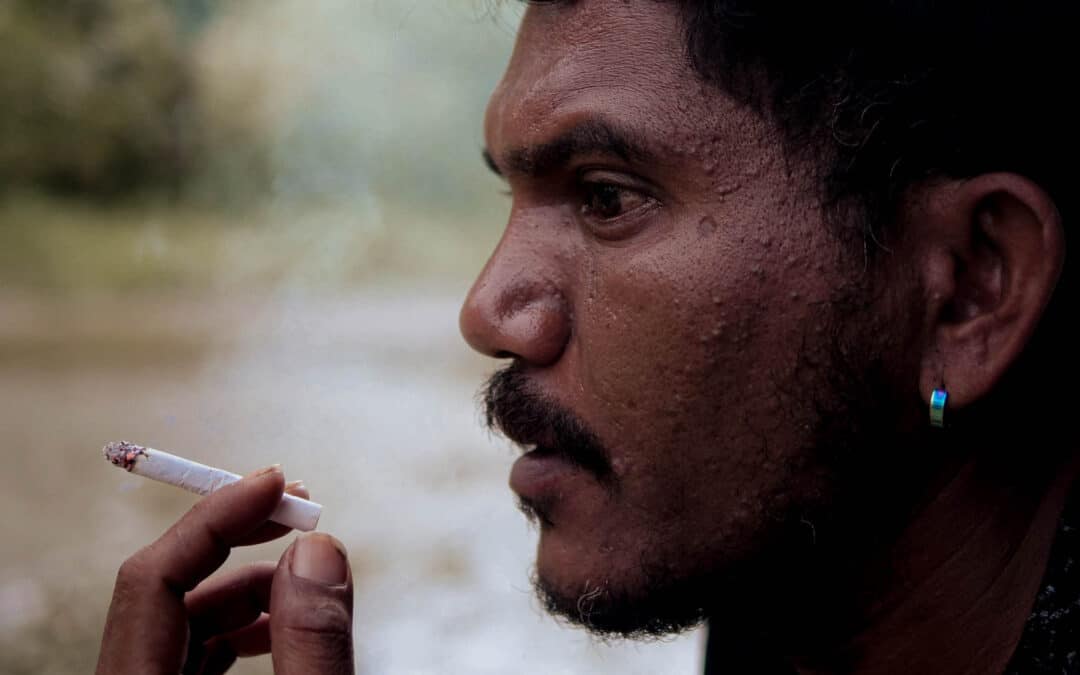
Secondhand Smoke Is a Public Health Crisis
Secondhand smoke is a health crisis. In Indonesia, millions inhale it daily without choice. Children, pregnant women, and workers are paying with their lives. Clean air must become a right, not a privilege.
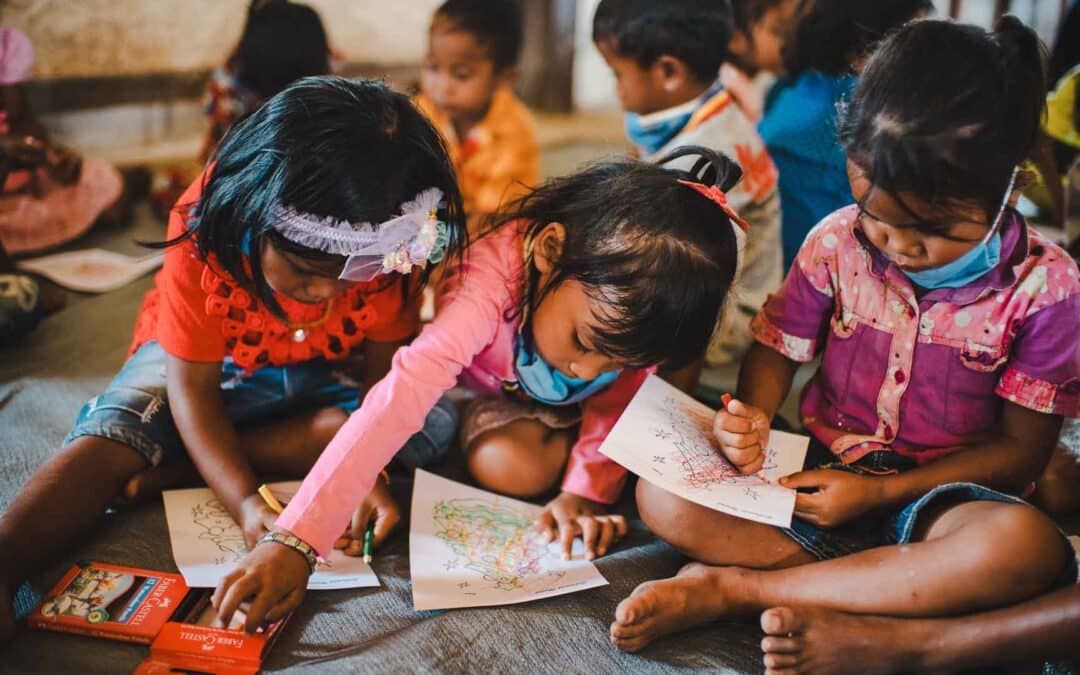
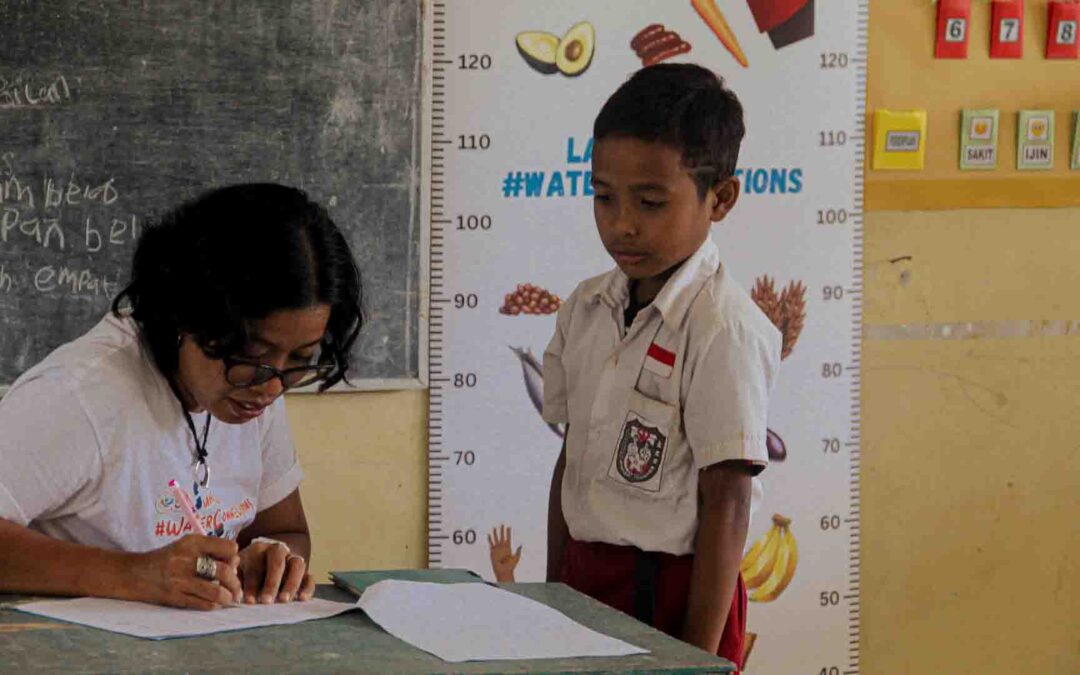
Education as Health in Rural East Indonesia
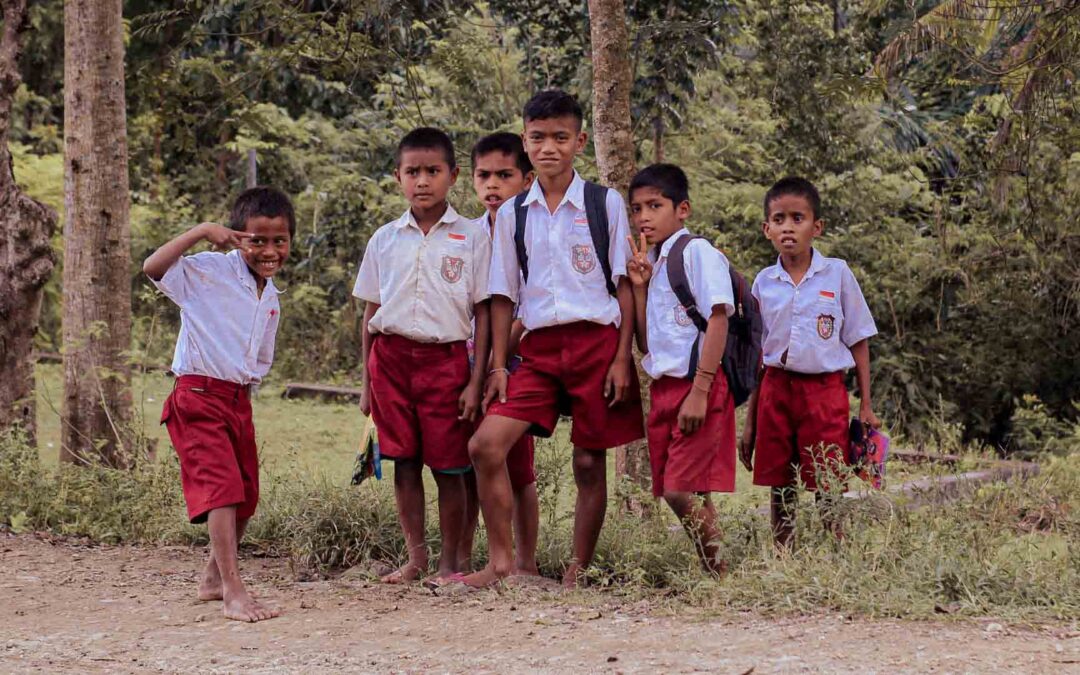
In remote areas of East Indonesia, every lesson is a shield. Schools are not just for learning—they’re places of care, protection, and disease prevention for children and their families.
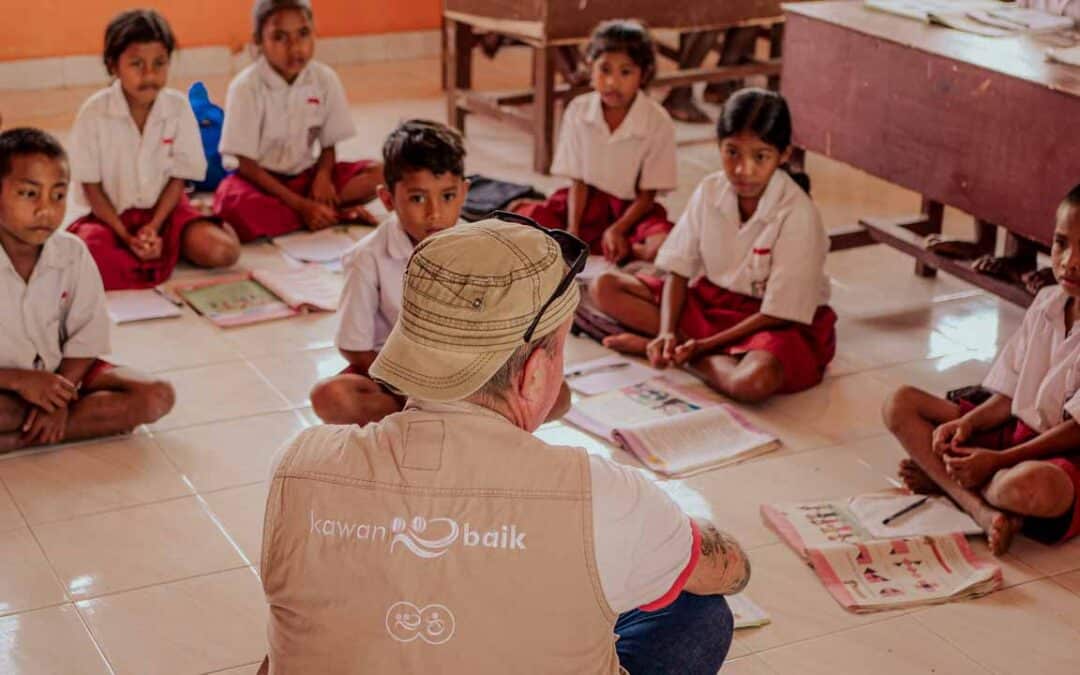
Malaria Crisis in Umalulu: A Structural Emergency
In Umalulu, nearly all children at a six-class primary school have already had malaria. With infection rates over 50% and national health budgets slashed, we’re launching an urgent study to understand and combat this deadly disease. Our goal: real, scalable solutions for one of Indonesia’s most affected regions.

Tobacco Harms More Than Smokers Protect Others Now
Tobacco impacts more than just the smokers themselves—secondhand smoke endangers children, pregnant women, and whole communities. To combat this issue, Fair Future is initiating an urgent campaign focused on educating people about passive smoke exposure and promoting direct community action. The time has come to eliminate this silent threat.
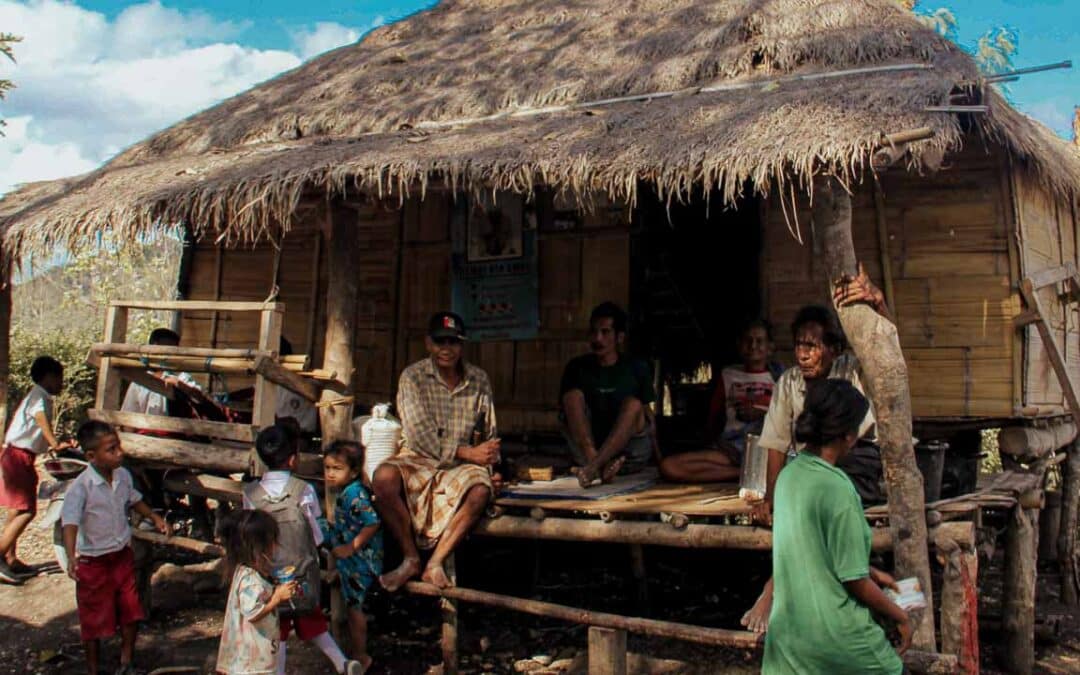
Lapinu Water Crisis: Watch Ibu Ester’s Emotional Story
Lapinu is struggling to survive with no electricity, a lack of clean water, and children trekking difficult routes for unsafe supplies. Hear Ibu Ester’s heartfelt account of the daily challenges and illnesses they face. The Fair Future Foundation is initiating a clean water project because taking action is essential for their survival.

Dangers of Social Media for Children’s Well-Being
Social media presents significant threats to children’s mental health, self-esteem, and social abilities. It interferes with their concentration, disrupts sleep patterns, and affects emotional well-being while also exposing them to cyberbullying and damaging content.

Critiquing Meta’s Dangerous Policy Shifts
Mark Zuckerberg’s call for reduced moderation and promotion of “male energy” disregards user safety and diversity, particularly impacting vulnerable users and children. We denounce his stance as perilous, risking exposure to harmful content and misinformation. Platforms must prioritize ethical responsibility, diversity, and protection over profits, fostering an inclusive digital environment.
Accountability
Children need continuity, not a single intervention
We document visits, referrals, medicines, prevention activities and the limits teams meet in the field. Child Health remains connected to public services and to the water, nutrition and infection risks that shape whether a child recovers and continues to grow.
