


Donare
Assistenza sanitaria
Articoli e News
Storie dal campo
Glossario
Guida escursionistica
Programma Salute e Medicina
Salute dei bambini
Care, prevention and early referral for children growing up far from clinics, safe water and reliable transport.
- Care close to homes and schools
- Assessment, prevention and early referral
- Connected to a 27-agent rural health network
A childhood illness should not become dangerous because the road is long
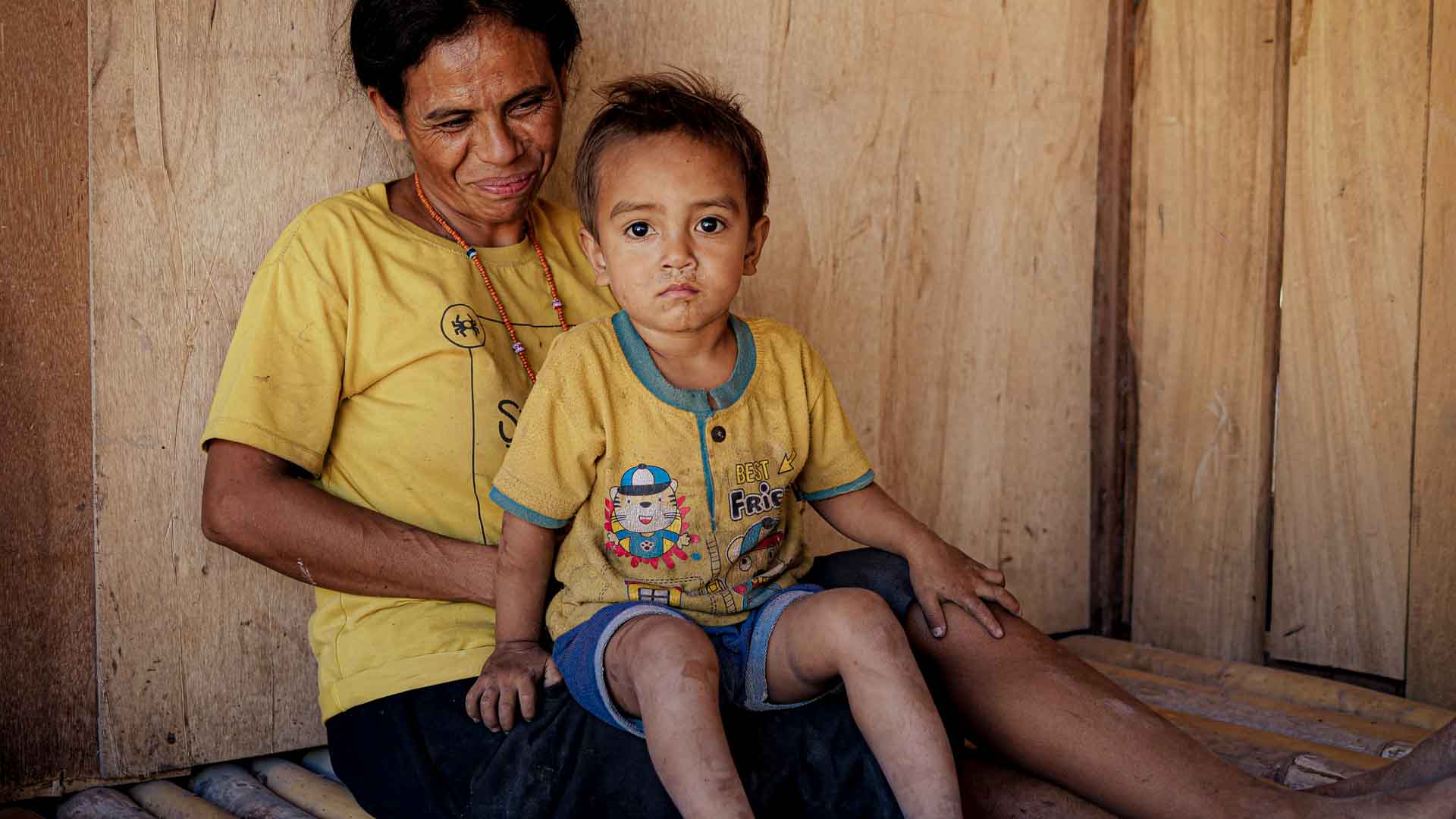
In East Sumba, fever, diarrhoea, a wound or breathing difficulty can worsen while a family is still deciding how to reach care. Child Health brings observation, prevention, practical first-line support and a safer referral pathway closer to the child.
Il programma
Care begins before a child reaches an emergency
A child’s condition can change quickly. The earlier a family recognises danger, receives safe advice and reaches appropriate care, the greater the chance of preventing severe illness.
Child Health works through the same village network that supports Primary Medical Care. Kawan Sehat agents meet children in homes, schools and community activities. They listen to caregivers, assess common symptoms within their training, support prevention and connect families to medical supervision or formal services when risk rises.
The programme does not replace paediatric care, vaccination services or public health centres. It helps close the dangerous interval between the first sign of illness and the moment a child receives the level of care they need. Clean water, nutrition, immunisation, malaria prevention and family knowledge are treated as part of the same health system.
A rural network able to recognise risk, support families and connect children to supervised care.
Observation and practical advice happen where children live, before transport becomes possible.
Hygiene, nutrition, infection, waste, malaria and health risks are explained in language children understand.
Danger signs are recognised sooner so referral can begin before a child becomes critically ill.
From a caregiver’s concern to safer care
How the programme supports a child
Child health is not one isolated consultation. It is a sequence that begins with listening and continues through assessment, prevention, referral and follow-up.
Listen to the caregiver
The agent asks what changed, when it began, whether the child can drink, eat, breathe, sleep and respond normally.
Look for danger
Hydration, fever, breathing, consciousness, pain, wounds and visible signs of infection are checked within the agent’s training.
Act within limits
Safe first-line measures and approved medicines are used only when appropriate. Uncertain or severe cases move to referral.
Protect the next day
Caregivers receive practical guidance on fluids, hygiene, nutrition, medicine use, warning signs and when to seek help again.
Return and review
Follow-up checks whether the child is recovering and gives the medical team a clearer record if care must escalate.
Small bodies can deteriorate quickly
Common illness, serious risk when care is distant
The programme helps families recognise what can be supported locally and what requires urgent professional care. The threshold for referral remains deliberately cautious.
Care and prevention close to home
- Assess common symptoms and available vital signs within protocol
- Support oral rehydration and safe feeding advice during uncomplicated diarrhoea
- Pulire e curare ferite superficiali e semplici
- Teach hand hygiene, safe water, food safety and infection prevention
- Identify missed vaccination and help families reconnect with public services
- Monitor recovery, nutrition concerns and recurring illness through follow-up
When a child needs referral
- Breathing difficulty, chest indrawing, blue colour or severe weakness
- Altered consciousness, convulsions, shock or a child who cannot drink
- Severe dehydration, persistent vomiting or blood in stool
- Possible sepsis, spreading infection or a rapidly worsening wound
- Severe malnutrition, oedema or repeated illness affecting growth
- Any newborn danger sign or condition beyond local skills and supplies
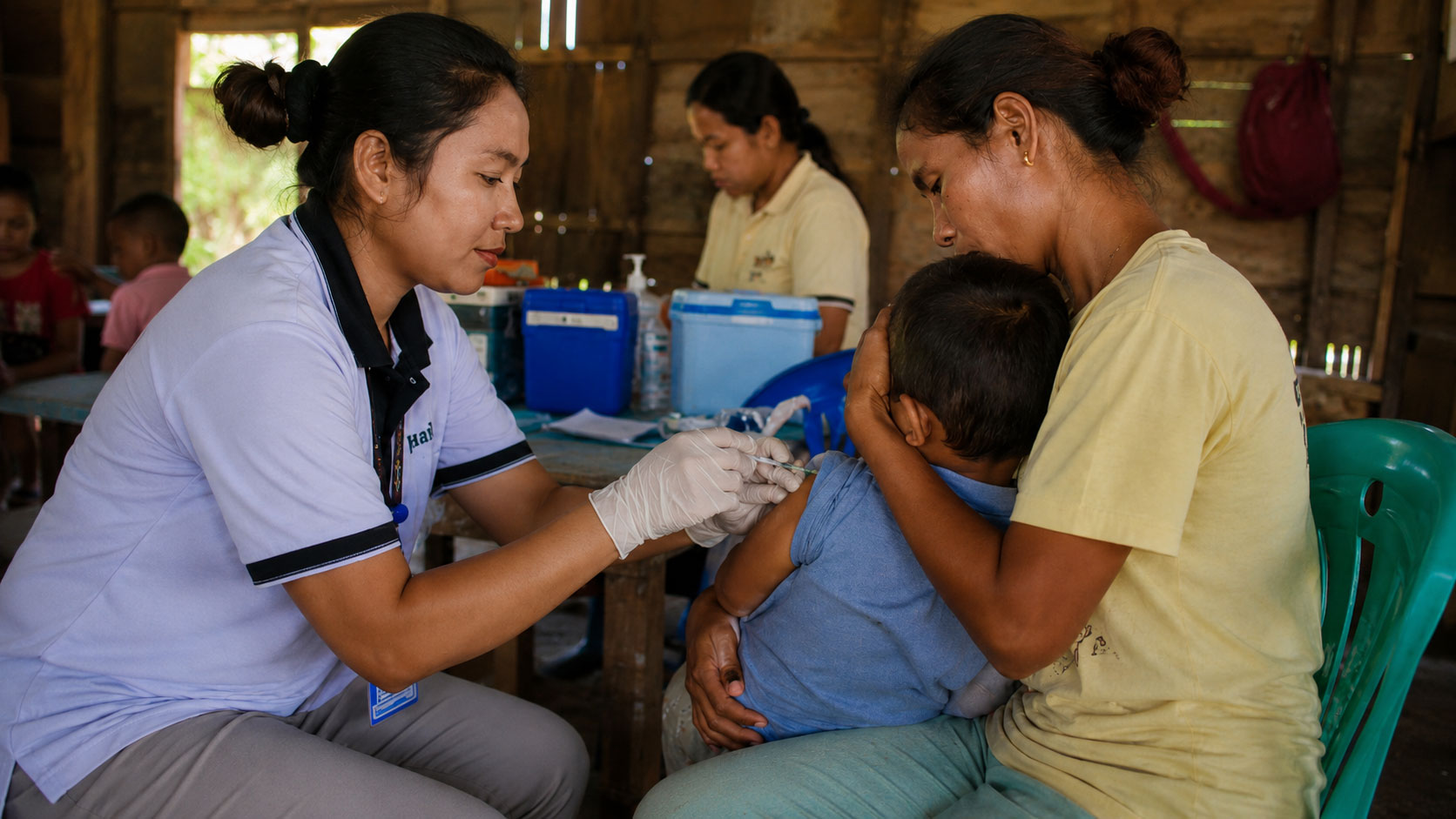
Protecting a child takes more than treating symptoms. It requires trusted information, vaccination access, clean water, adequate nutrition, follow-up and a route to formal care.
Care around the whole child
Clinical care and daily conditions belong together
A child’s recovery is shaped by the water they drink, the food available at home, indoor smoke, mosquito exposure, vaccination access and how quickly an adult recognises that something is wrong. Child Health connects these conditions instead of treating each one as a separate problem.
Family knowledge
Caregivers learn practical danger signs, safe medicine use, hydration and when waiting is no longer safe.
School prevention
Children learn about hygiene, infection, nutrition, malaria, waste and risks they can recognise in daily life.
Village follow-up
Local agents can return, observe recovery and identify children who repeatedly become ill or fail to improve.
Connected programmes
Clean water, malaria prevention, nutrition, Primary Medical Care and referral reinforce the same protective system.
Quali cambiamenti nella pratica
Earlier care protects more than the present illness
Less dangerous waiting
A caregiver has a known first contact before money, transport or uncertainty postpones a necessary decision.
Safer recognition of dehydration
Drinking, urine, alertness and other warning signs can be checked before fluid loss becomes critical.
Infection is taken seriously
A small wound, fever or skin infection is followed for change rather than dismissed until severe illness appears.
Prevention enters family life
Water, food, vaccination, smoke, mosquitoes and hygiene become part of one practical conversation about health.
PrevenzionePreventable childhood diseaseUnderstand vaccination gaps, trust, logistics and the work required to reconnect remote children with services.
Water and healthUnsafe water and childhood diarrhoeaSee how dehydration, infection and malnutrition reinforce each other when safe water is absent.
NutrizioneMalnutrition and infectionExplore how inadequate nutrition weakens immunity and makes ordinary infections harder for a child to survive.
Care systemPrimary Medical CareSee the agents, medicines, supervision, records and referral system supporting children and their families.
Registrazione in campo in tempo realeNote di viaggio dall'Indonesia orientaleFollow recent medical visits, prevention sessions and the daily conditions affecting children in remote villages.
Guida pratica e glossarioChild health terms explainedOpen practical explanations of infection, nutrition, prevention, referral and community-based care.
Referenza medicaChild health and integrated careRead the international framework linking survival, development, nutrition, prevention and access to quality care.
In diretta dal campo
Child Health Field Notes, as the work happens
Two recent signals involving children, caregivers, school prevention, nutrition or medical care. These notes refresh when a relevant Field Note is published.
Direttamente dal campo
Latest Child Health reports
These reports document illness, prevention, vaccination access, nutrition, unsafe water, school health and the decisions families face when formal care remains far away.
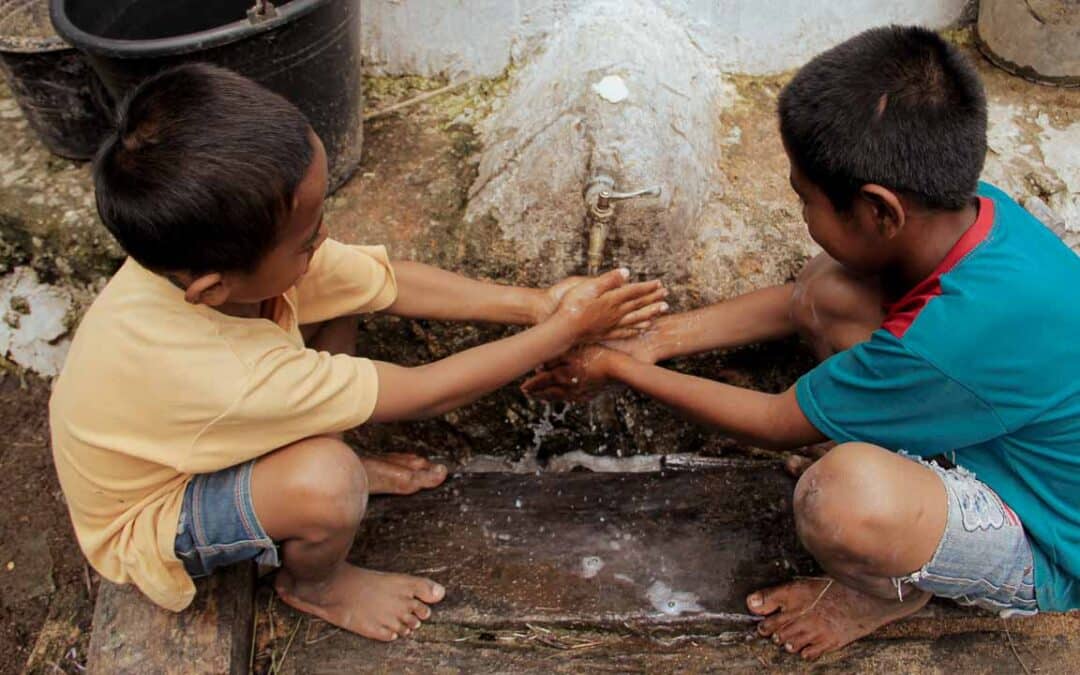
Lavarsi le mani: un’abitudine salvavita nelle aree rurali
Lavarsi le mani con acqua pulita e sapone è una semplice misura preventiva che riduce la trasmissione di molte infezioni gastrointestinali e respiratorie, soprattutto dove la sanità è scarsa.
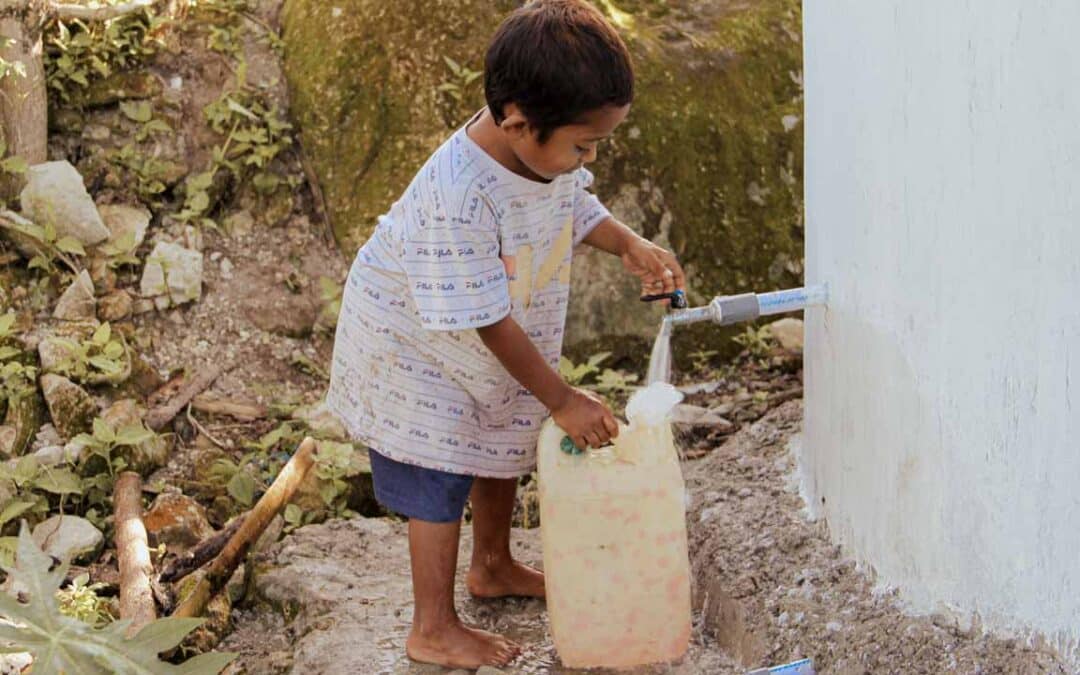
Acqua pulita: un futuro migliore per i bambini
L’acqua pulita vicina a casa riduce l’esposizione a fonti non sicure, favorisce l’igiene e offre ai bambini condizioni più sicure per la scuola, la salute e la vita quotidiana familiare.

Un bambino sente per la prima volta il suo battito cardiaco
In un villagio remota dell'Estremo Oriente di Sumba, una giovane ragazza sente per la prima volta il suo battito cardiaco attraverso uno stetoscopio, trasformando un semplice strumento medico in un momento di curiosità e di educazione sanitaria.

Condividere i consigli medici salvavita online e offline
Il Primary Medical Care programma si concentra sulla diffusione di orientamenti medici. Offriamo consigli semplici e pratici a Kawan Sehat Agents chi li trasmette poi alle comunità rurali. Ora condividiamo queste informazioni anche su Instagram (@fairfuturefoundation) e sul nostro sito web. Queste indicazioni possono salvare vite umane: aiutateci a diffonderle!

L’aumento dei casi di parotite in Indonesia rappresenta una minaccia crescente
I casi di parotite stanno aumentando in Indonesia, soprattutto nelle aree rurali. Comprendete come si diffonde il virus, i sintomi, i gravi rischi che comporta e le azioni urgenti necessarie per proteggere le comunità vulnerabili attraverso iniziative educative e campagne di vaccinazione migliorate.

Kawan Sehat Salva il piede di un ragazzo da un'infezione grave
Nel 2014 Lahiru, l’ Kawan Sehat agente Ibu Sarlota cura tempestivamente una grave lesione al piede di un ragazzo, dimostrando come la cura tempestiva delle ferite e il follow-up siano fondamentali nei villaggi remoti.
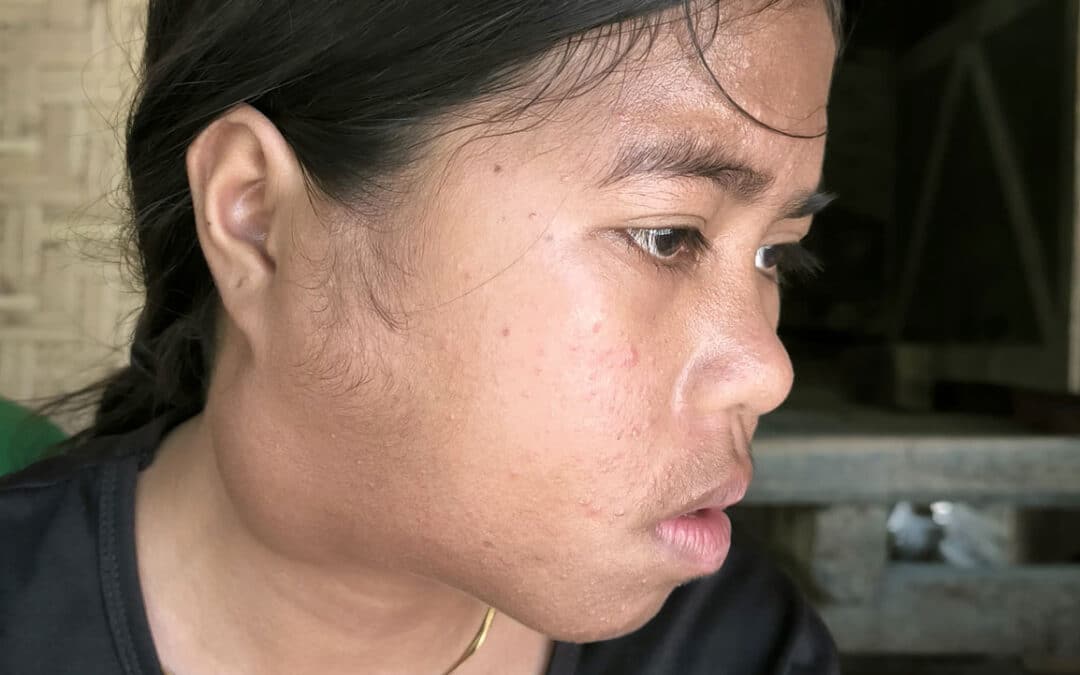
Inizia il trattamento medico critico di una ragazza di 14 anni
Una ragazza di 14 anni, originaria di Hudumburung, abbandonata dalla sua famiglia a causa della povertà, soffre da anni di gravi malattie. Grazie all’intervento di Kawan Sehat’s, ora sottopone a esami medici fondamentali e riceve cure – il primo passo verso un futuro migliore. Molti altri bambini nelle regioni remote restano senza aiuto.
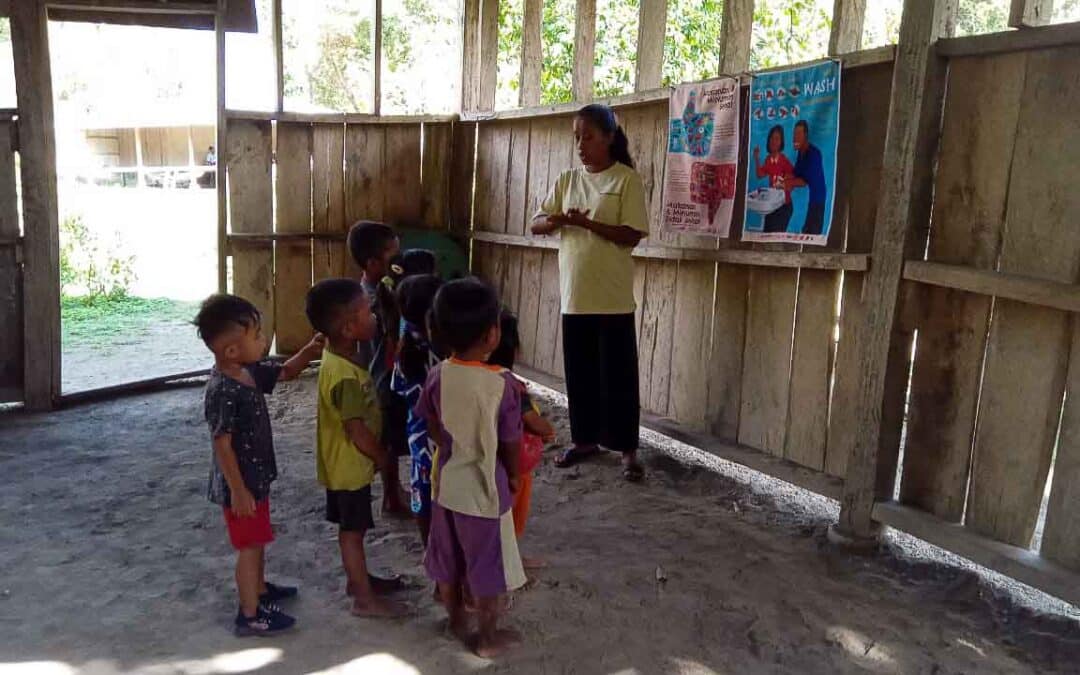
Kawan Sehat Agenti sanitari: il lavoro di salvataggio nelle aree rurali
Kawan Sehat Gli operatori sanitari forniscono assistenza medica essenziale nelle regioni remote dove l’accesso alle cure sanitarie non è disponibile. Dotati di nuovi kit medici, forniscono soccorso vitale, trattano malattie comuni e lavorano per prevenire le infezioni nelle comunità vulnerabili.
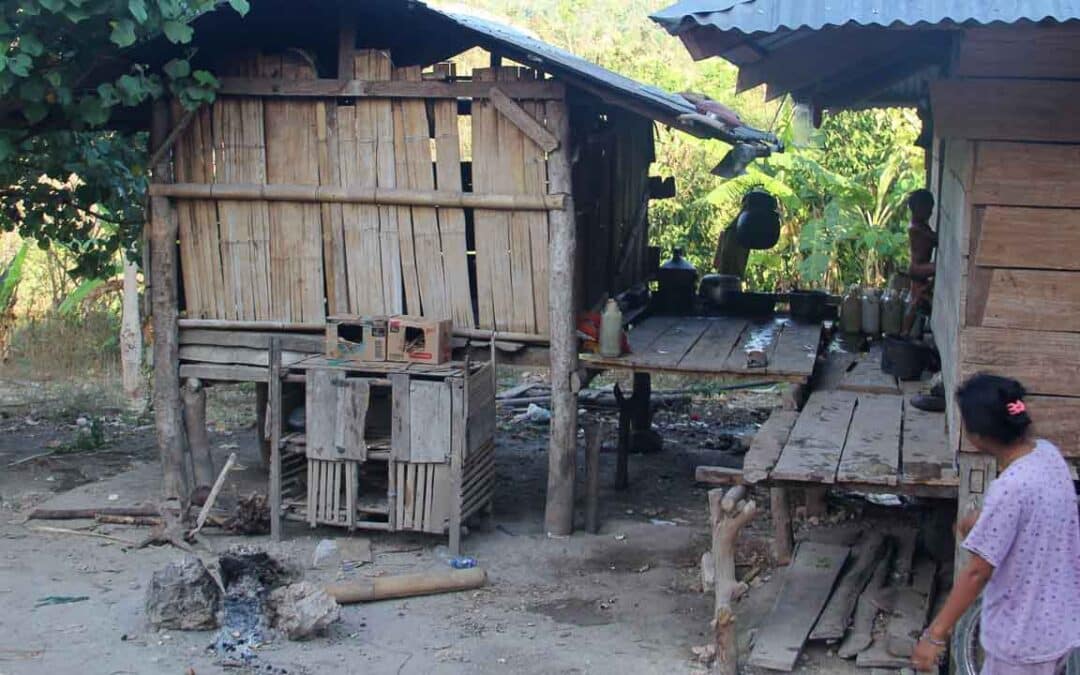
Acqua e salute: una risorsa vitale per i Lapinu villaggi
Nel 2025, il Water Connections progetto mira a fornire acqua pulita e servizi igienici nel Lapinu villaggio, migliorando la salute e riducendo le malattie prevenibili. L’iniziativa coinvolgerà i residenti nel promuovere soluzioni sostenibili, aiutando le famiglie a raggiungere una migliore salute, una nutrizione adeguata e una vita dignitosa.
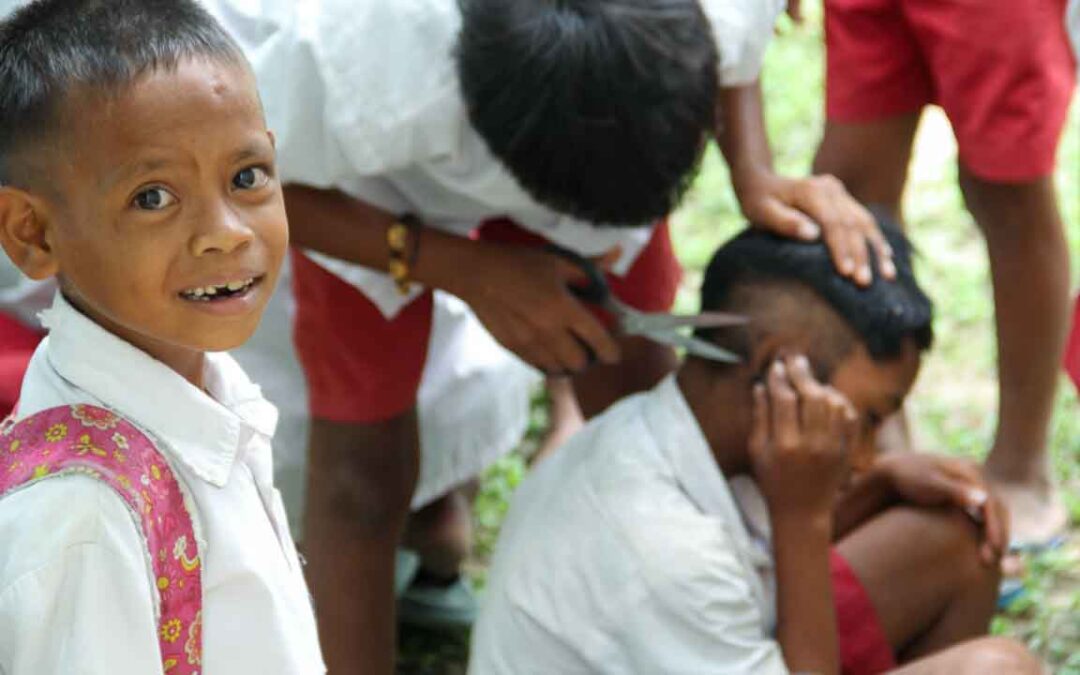
Tagli di capelli e igiene: i bambini nelle zone ultra rurali Laindatang
Nella zona rurale di Laindatang, i bambini usano un solo paio di vecchie forbici per tagliare i capelli gli uni agli altri nell’ambito della nostra iniziativa di igiene. Questo insegna loro le competenze per prendersi cura di sé e porta gioia nonostante le condizioni difficili.
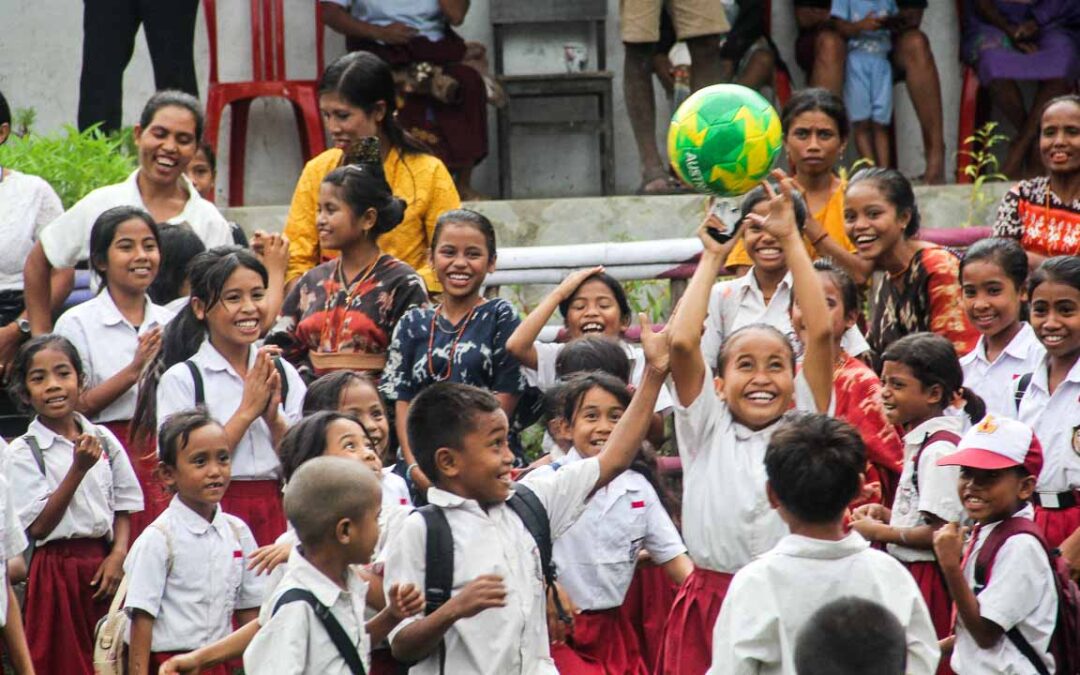
Pure Joy: I palloni portano il sorriso ai bambini del remoto Sumba
Children in Haray receive footballs donated through Rotary International while Fair Future teams also carry out health checks and malaria prevention activities in the village.
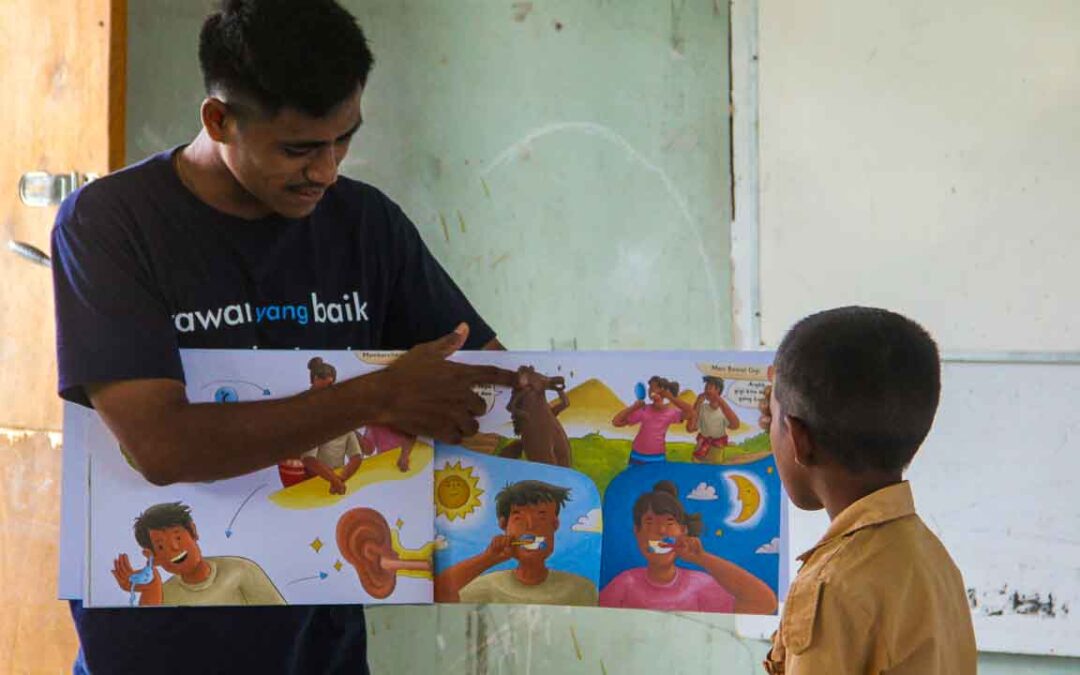
Pubblicazioni educative che salvano vite
Our educational resources, including health and healthy living posters, the book “Kawan Sehat,” and a 14-module training guide for healthcare workers, are essential to our mission. These materials promote primary medical care initiatives and vital life skills, making a positive impact in rural Indonesian settlements.
Responsabilità
Children need continuity, not a single intervention
We document visits, referrals, medicines, prevention activities and the limits teams meet in the field. Child Health remains connected to public services and to the water, nutrition and infection risks that shape whether a child recovers and continues to grow.
