
Spenden
Support Care
Artikel & News
Feldgeschichten
Glossar
Feldführer
Gesundheitsprogramm
Kindersicherheit
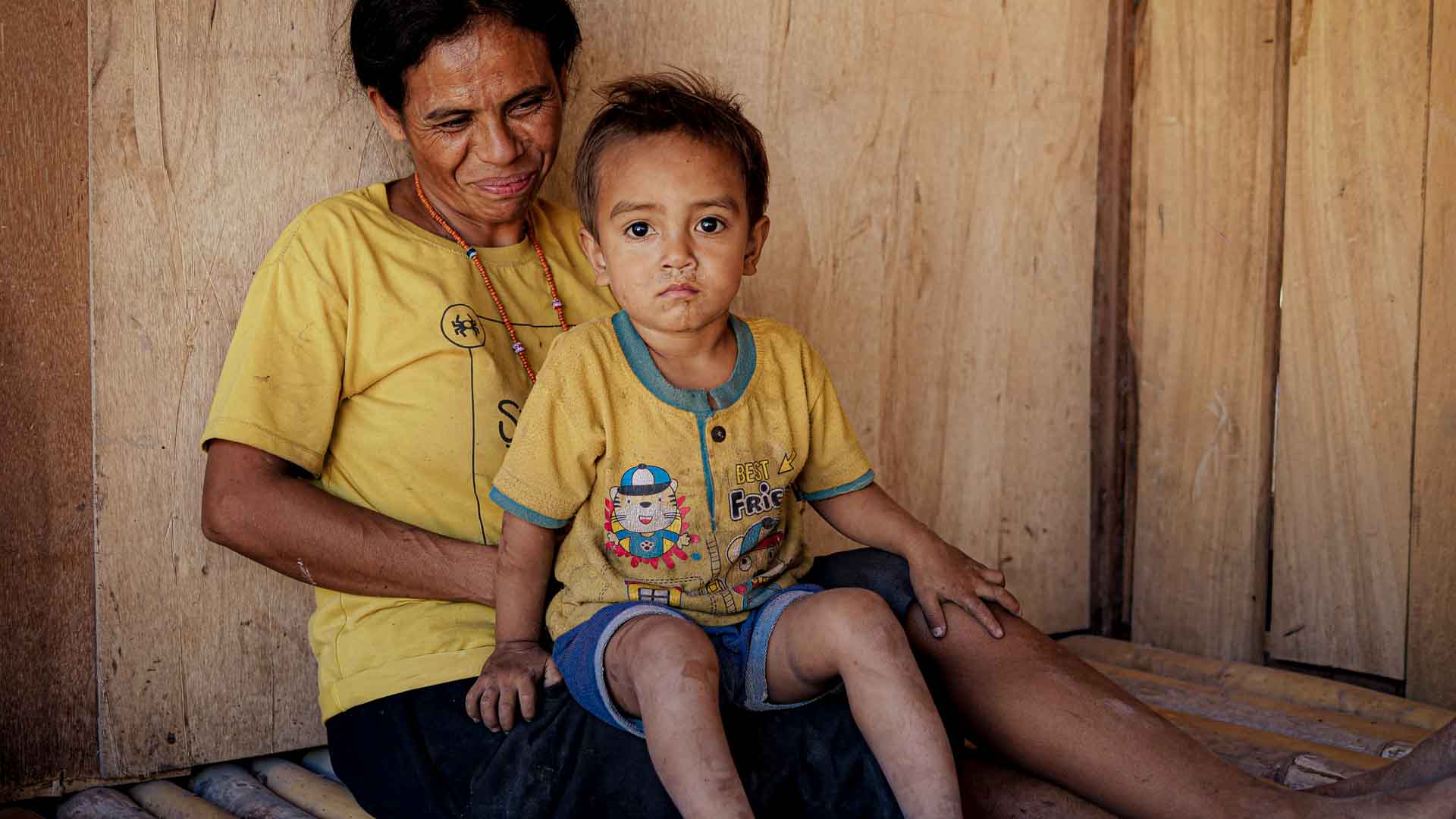
Care, prevention and early referral for children growing up far from clinics, safe water and reliable transport.
- Care close to homes and schools
- Assessment, prevention and early referral
- Connected to a 27-agent rural health network
A childhood illness should not become dangerous because the road is long
In East Sumba, fever, diarrhoea, a wound or breathing difficulty can worsen while a family is still deciding how to reach care. Child Health brings observation, prevention, practical first-line support and a safer referral pathway closer to the child.
Das Programm
Care begins before a child reaches an emergency
A child’s condition can change quickly. The earlier a family recognises danger, receives safe advice and reaches appropriate care, the greater the chance of preventing severe illness.
Child Health works through the same village network that supports Primary Medical Care. Kawan Sehat agents meet children in homes, schools and community activities. They listen to caregivers, assess common symptoms within their training, support prevention and connect families to medical supervision or formal services when risk rises.
The programme does not replace paediatric care, vaccination services or public health centres. It helps close the dangerous interval between the first sign of illness and the moment a child receives the level of care they need. Clean water, nutrition, immunisation, malaria prevention and family knowledge are treated as part of the same health system.
A rural network able to recognise risk, support families and connect children to supervised care.
Observation and practical advice happen where children live, before transport becomes possible.
Hygiene, nutrition, infection, waste, malaria and health risks are explained in language children understand.
Danger signs are recognised sooner so referral can begin before a child becomes critically ill.
From a caregiver’s concern to safer care
How the programme supports a child
Child health is not one isolated consultation. It is a sequence that begins with listening and continues through assessment, prevention, referral and follow-up.
Listen to the caregiver
The agent asks what changed, when it began, whether the child can drink, eat, breathe, sleep and respond normally.
Look for danger
Hydration, fever, breathing, consciousness, pain, wounds and visible signs of infection are checked within the agent’s training.
Act within limits
Safe first-line measures and approved medicines are used only when appropriate. Uncertain or severe cases move to referral.
Protect the next day
Caregivers receive practical guidance on fluids, hygiene, nutrition, medicine use, warning signs and when to seek help again.
Return and review
Follow-up checks whether the child is recovering and gives the medical team a clearer record if care must escalate.
Small bodies can deteriorate quickly
Common illness, serious risk when care is distant
The programme helps families recognise what can be supported locally and what requires urgent professional care. The threshold for referral remains deliberately cautious.
Care and prevention close to home
- Assess common symptoms and available vital signs within protocol
- Support oral rehydration and safe feeding advice during uncomplicated diarrhoea
- Reinige und bedecke oberflächliche, unkomplizierte Wunden.
- Teach hand hygiene, safe water, food safety and infection prevention
- Identify missed vaccination and help families reconnect with public services
- Monitor recovery, nutrition concerns and recurring illness through follow-up
When a child needs referral
- Breathing difficulty, chest indrawing, blue colour or severe weakness
- Altered consciousness, convulsions, shock or a child who cannot drink
- Severe dehydration, persistent vomiting or blood in stool
- Possible sepsis, spreading infection or a rapidly worsening wound
- Severe malnutrition, oedema or repeated illness affecting growth
- Any newborn danger sign or condition beyond local skills and supplies
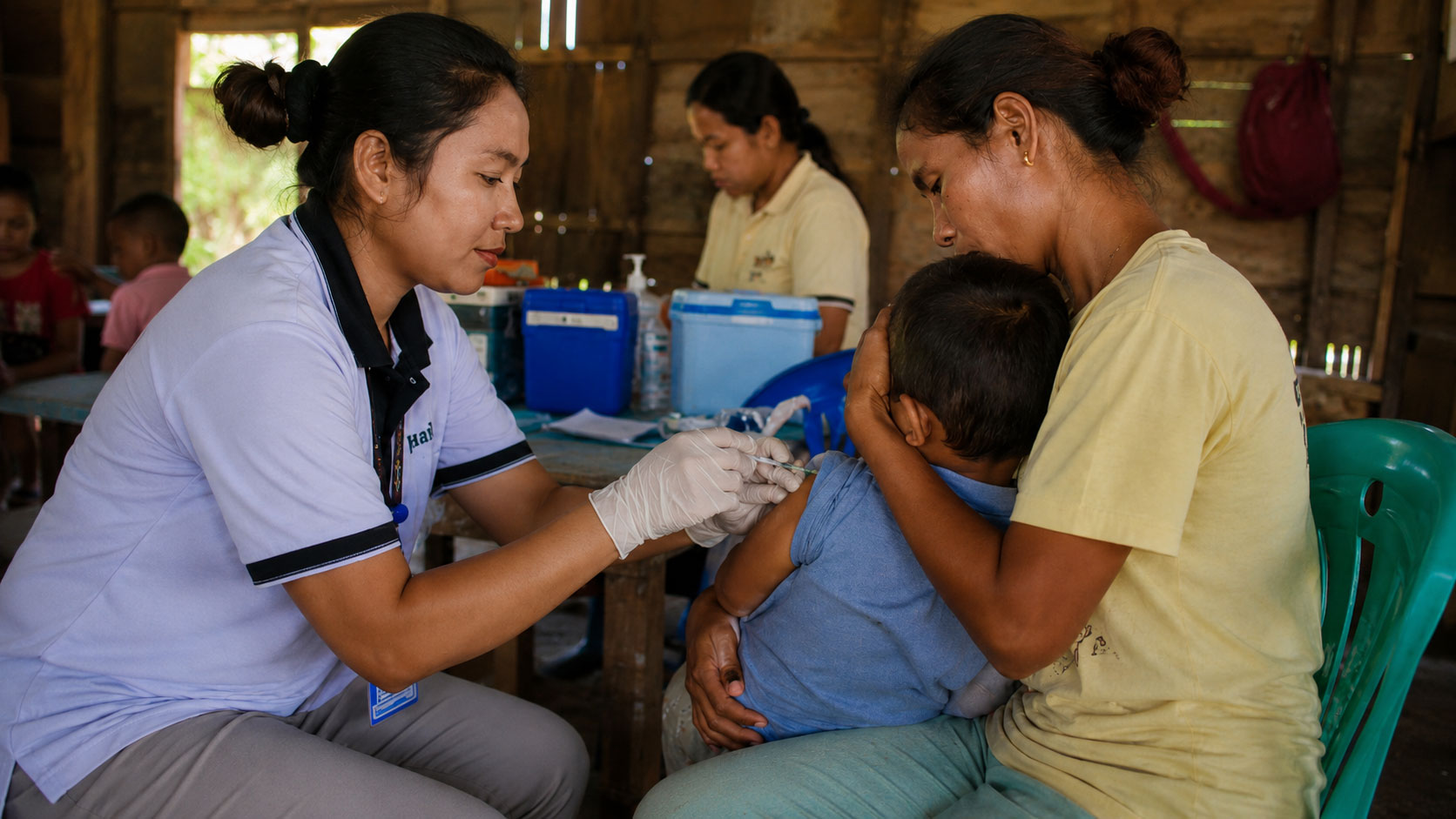
Protecting a child takes more than treating symptoms. It requires trusted information, vaccination access, clean water, adequate nutrition, follow-up and a route to formal care.
Care around the whole child
Clinical care and daily conditions belong together
A child’s recovery is shaped by the water they drink, the food available at home, indoor smoke, mosquito exposure, vaccination access and how quickly an adult recognises that something is wrong. Child Health connects these conditions instead of treating each one as a separate problem.
Family knowledge
Caregivers learn practical danger signs, safe medicine use, hydration and when waiting is no longer safe.
School prevention
Children learn about hygiene, infection, nutrition, malaria, waste and risks they can recognise in daily life.
Village follow-up
Local agents can return, observe recovery and identify children who repeatedly become ill or fail to improve.
Connected programmes
Clean water, malaria prevention, nutrition, Primary Medical Care and referral reinforce the same protective system.
Welche Änderungen in der Praxis
Earlier care protects more than the present illness
Less dangerous waiting
A caregiver has a known first contact before money, transport or uncertainty postpones a necessary decision.
Safer recognition of dehydration
Drinking, urine, alertness and other warning signs can be checked before fluid loss becomes critical.
Infection is taken seriously
A small wound, fever or skin infection is followed for change rather than dismissed until severe illness appears.
Prevention enters family life
Water, food, vaccination, smoke, mosquitoes and hygiene become part of one practical conversation about health.
PräventionPreventable childhood diseaseUnderstand vaccination gaps, trust, logistics and the work required to reconnect remote children with services.
Water and healthUnsafe water and childhood diarrhoeaSee how dehydration, infection and malnutrition reinforce each other when safe water is absent.
NahrungsergänzungMalnutrition and infectionExplore how inadequate nutrition weakens immunity and makes ordinary infections harder for a child to survive.
Care systemPrimary Medical CareSee the agents, medicines, supervision, records and referral system supporting children and their families.
Live FeldaufzeichnungFeldbesprechung aus OstindienFollow recent medical visits, prevention sessions and the daily conditions affecting children in remote villages.
Feldhandbuch & GlossarChild health terms explainedOpen practical explanations of infection, nutrition, prevention, referral and community-based care.
Medizinisches ReferenzmaterialChild health and integrated careRead the international framework linking survival, development, nutrition, prevention and access to quality care.
Live aus dem Feld
Child Health Field Notes, as the work happens
Two recent signals involving children, caregivers, school prevention, nutrition or medical care. These notes refresh when a relevant Field Note is published.
Direkt vom Feld
Latest Child Health reports
These reports document illness, prevention, vaccination access, nutrition, unsafe water, school health and the decisions families face when formal care remains far away.
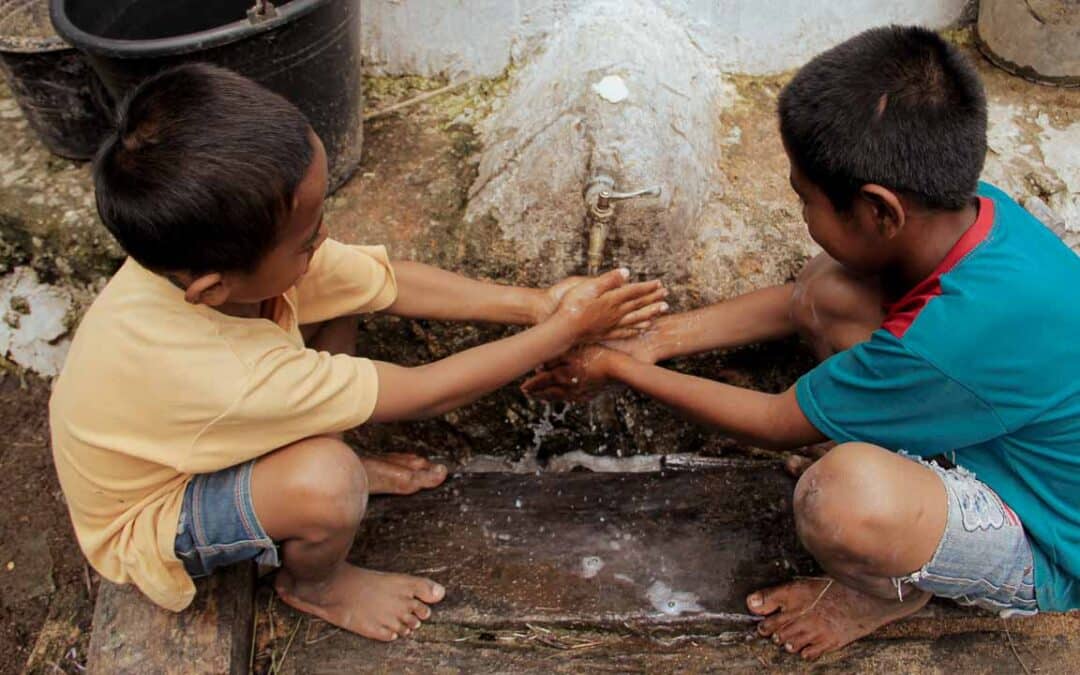
Handwäsche: eine lebensrettende Angewohnheit in ländlichen Gebieten
Das Händewaschen mit sauberem Wasser und Seife ist eine einfache Präventionsmaßnahme, die die Übertragung vieler gastrointestinaler und respiratorischer Infektionen reduziert, insbesondere dort, wo die sanitäre Ausstattung begrenzt ist.
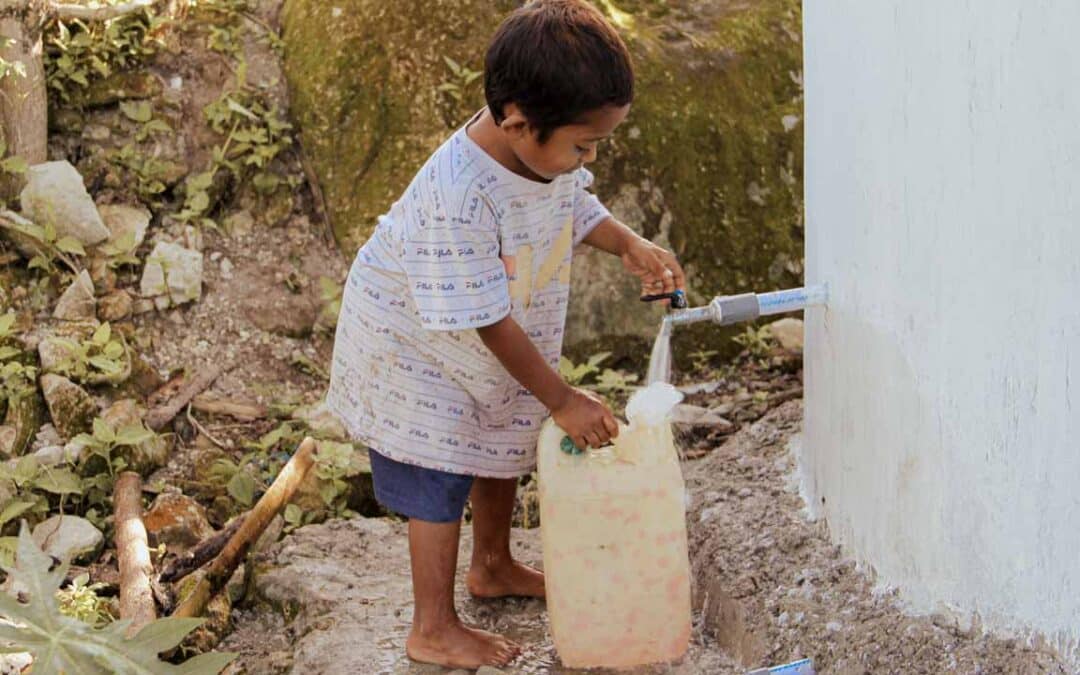
Sauberes Wasser: Eine bessere Zukunft für Kinder
Sauberes Wasser in der Nähe des Wohnortes verringert die Exposition gegenüber unsicheren Quellen, unterstützt die Hygiene und bietet Kindern sicherere Bedingungen für die Schule, die Gesundheit und das tägliche Familienleben.

Ein Kind hört zum ersten Mal sein Herzschlag
In einem abgelegenen Dorf in Ost-Sumba hört ein junges Mädchen zum ersten Mal ihr eigenes Herzschlag durch ein Stethoskop, wodurch ein einfaches medizinisches Instrument zu einem Moment von Neugier und Gesundheitsbildung wird.

Das Teilen lebensrettender medizinischer Ratschläge online und offline
Das Primary Medical Care Programm konzentriert sich auf die Verbreitung medizinischer Informationen. Wir bieten unkomplizierte und praktische Ratschläge an Kawan Sehat Agents, die anschließend von den Anwendern in ländlichen Gemeinden weitergegeben werden. Jetzt teilen wir diese Informationen auch auf Instagram (@fairfuturefoundation) und auf unserer Website. Diese Tipps haben das Potenzial, Leben zu retten – helfen Sie uns, die Botschaft zu verbreiten!

Der Anstieg der Mumpsfälle in Indonesien stellt eine zunehmende Bedrohung dar.
Die Zahl der Mumpsfälle steigt in Indonesien, insbesondere in ländlichen Gebieten. Erfahren Sie, wie das Virus sich ausbreitet, welche Symptome er verursacht und welche ernsthaften Risiken er mit sich bringt. Außerdem erfahren Sie, welche dringenden Maßnahmen zur Schutz der gefährdeten Bevölkerungsgruppen über Bildungsinitiativen und verbesserte Impfkampagnen ergriffen werden müssen.

Kawan Sehat Retter das Bein eines Jungen vor einer schweren Infektion
Im Lahiru Jahr 2009 behandelt die Kawan Sehat Ärztin Ibu Sarlota eine schwere Fußverletzung eines Jungen frühzeitig und zeigt damit, warum eine rechtzeitige Wundversorgung und die anschließende Betreuung in abgelegenen Dörfern von entscheidender Bedeutung sind.
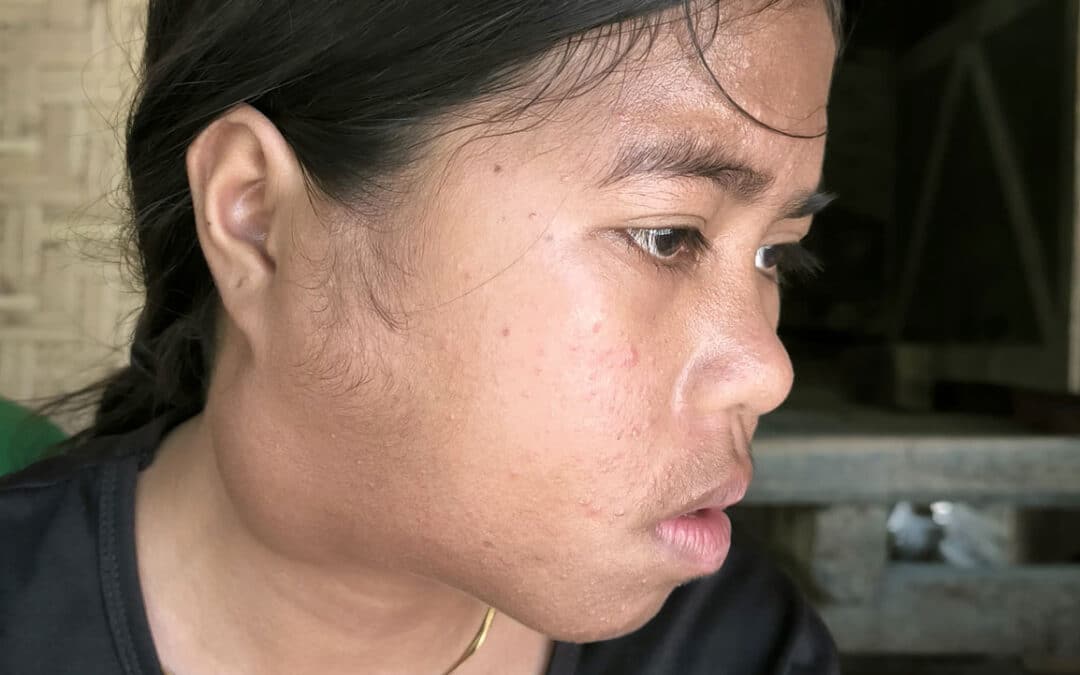
Die medizinische Behandlung einer 14-jährigen Mädchen beginnt
Ein 14-jähriges Mädchen aus dem Dorf Hudumburung, das aufgrund der Armut von ihrer Familie verlassen wurde, leidet seit Jahren unter schweren Krankheiten. Dank der Intervention von Kawan Sehat’s wird sie nun durch essentielle medizinische Tests und Behandlung begleitet – ihr erster Schritt auf dem Weg zu einer besseren Zukunft. Viele weitere Kinder in abgelegenen Regionen sind weiterhin ohne Hilfe.
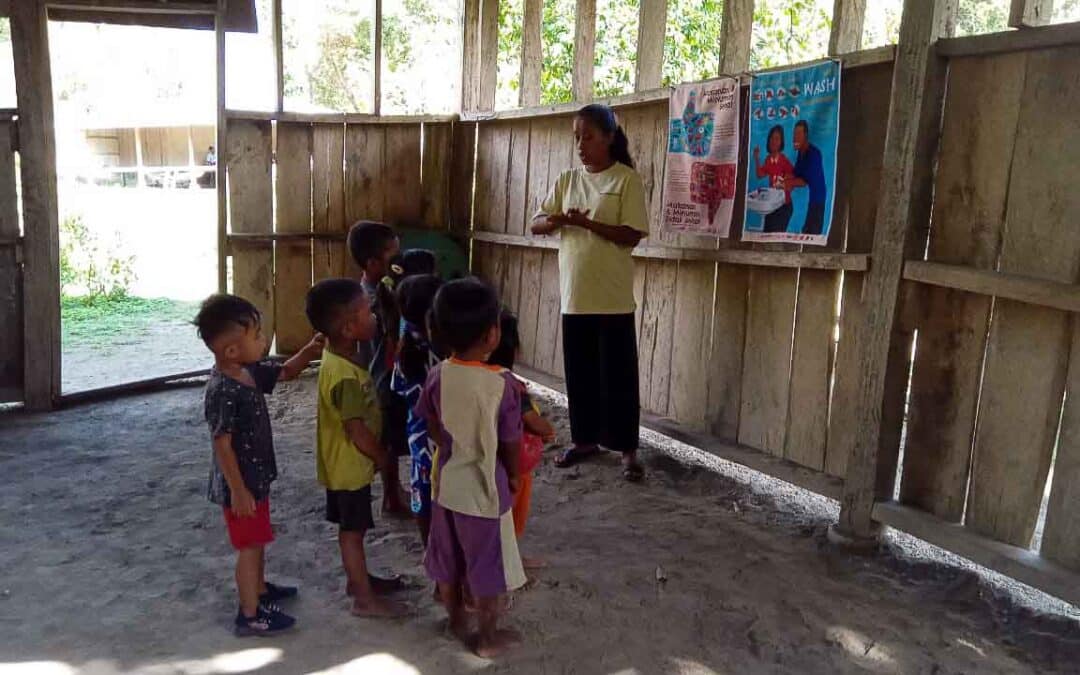
Kawan Sehat Gesundheitshelfer: Rettungsarbeit in ländlichen Gebieten
Kawan Sehat Gesundheitshelfer leisten in abgelegenen Regionen lebenswichtige medizinische Hilfe, wo sonst keine medizinische Versorgung verfügbar ist. Mit neuen Medikationskits ausgestattet, leisten sie lebensrettende Erste Hilfe, behandeln häufige Krankheiten und arbeiten daran, Infektionen in gefährdeten Gemeinden zu verhindern.
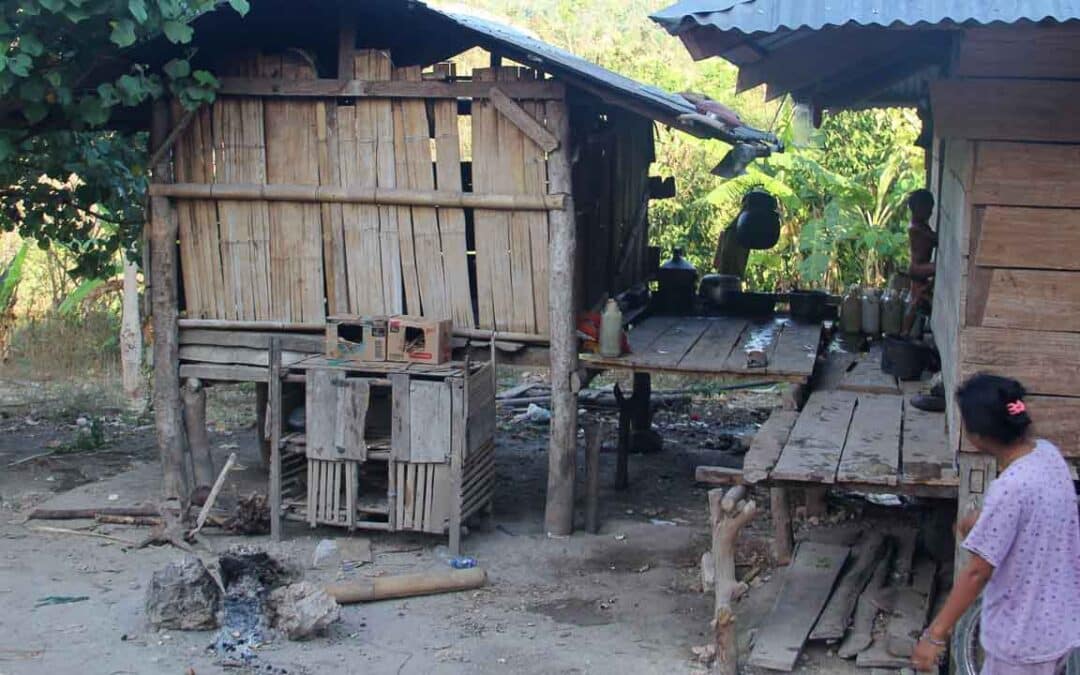
Wasser und Gesundheit: Eine Lebensader für Lapinu Dörfer
Im Jahr 2025 soll das Water Connections Projekt in Lapinu Village sauberes Wasser und sanitäre Einrichtungen bereitstellen, die Gesundheit verbessern und vermeidbare Krankheiten reduzieren. Die Initiative wird die Dorfbewohner in nachhaltige Lösungen einbeziehen und Familien dabei helfen, eine bessere Gesundheit, eine bessere Ernährung und ein würdiges Leben zu erreichen.
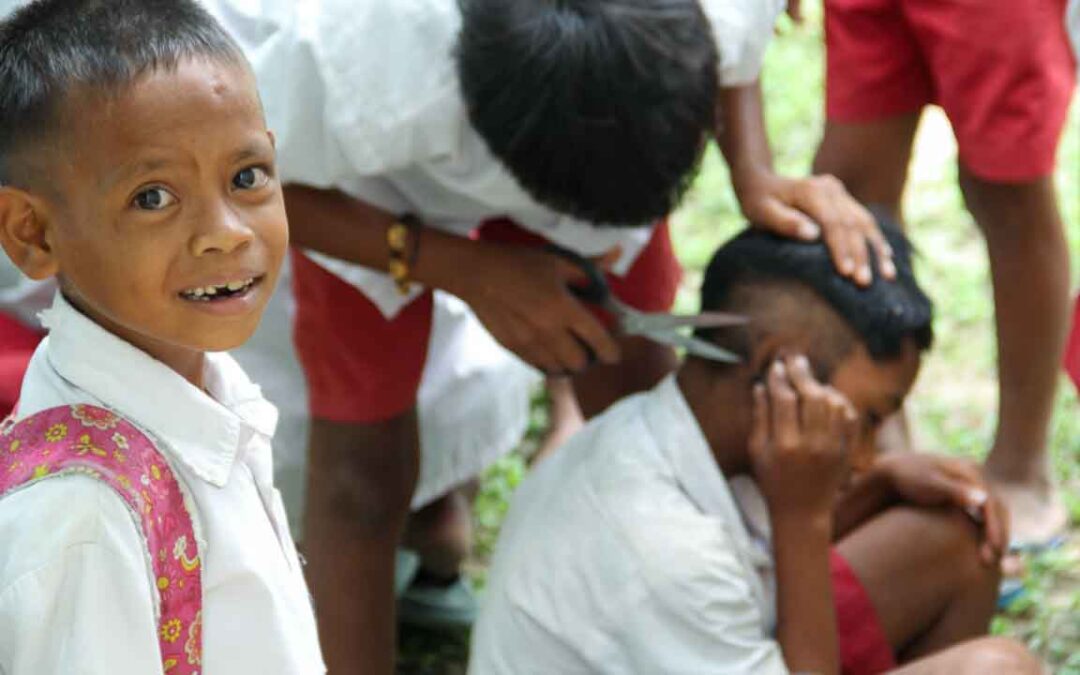
Haarschnitte und Hygiene: Kinder in ultra-ländlichen Regionen Laindatang
In the rural area of Laindatang, children use one pair of old scissors to cut each other’s hair as part of our hygiene initiative. This teaches them self-care skills and brings joy despite the challenging conditions.
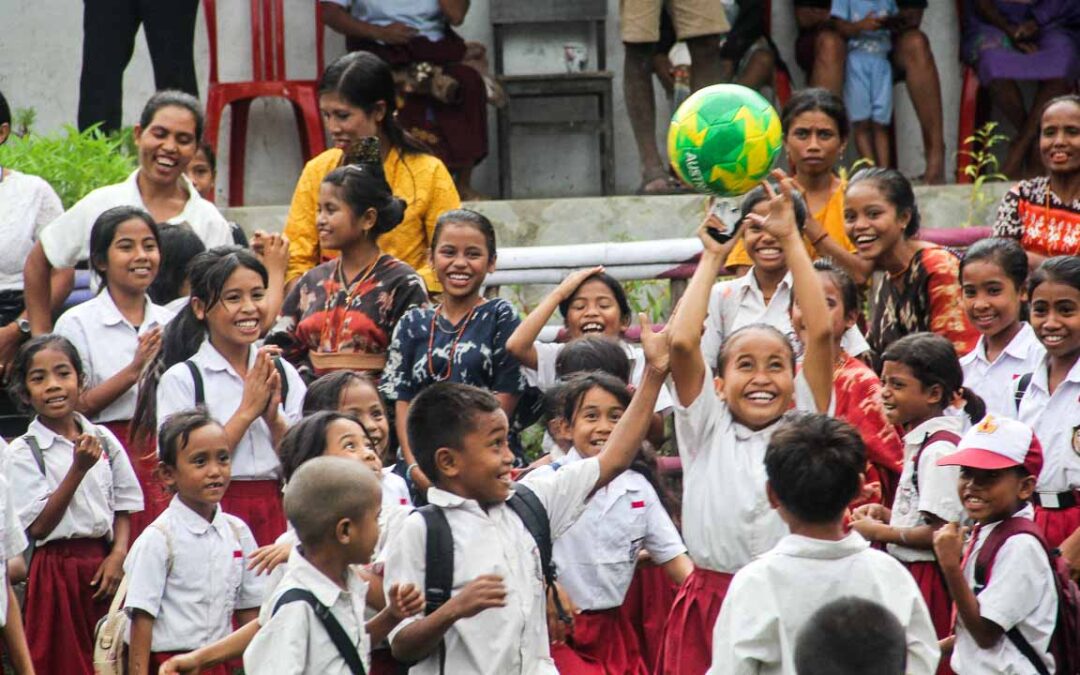
Pure Freude: Fußball bringt Lächeln auf die abgelegenen Sumba-Kinder
Children in Haray receive footballs donated through Rotary International while Fair Future teams also carry out health checks and malaria prevention activities in the village.
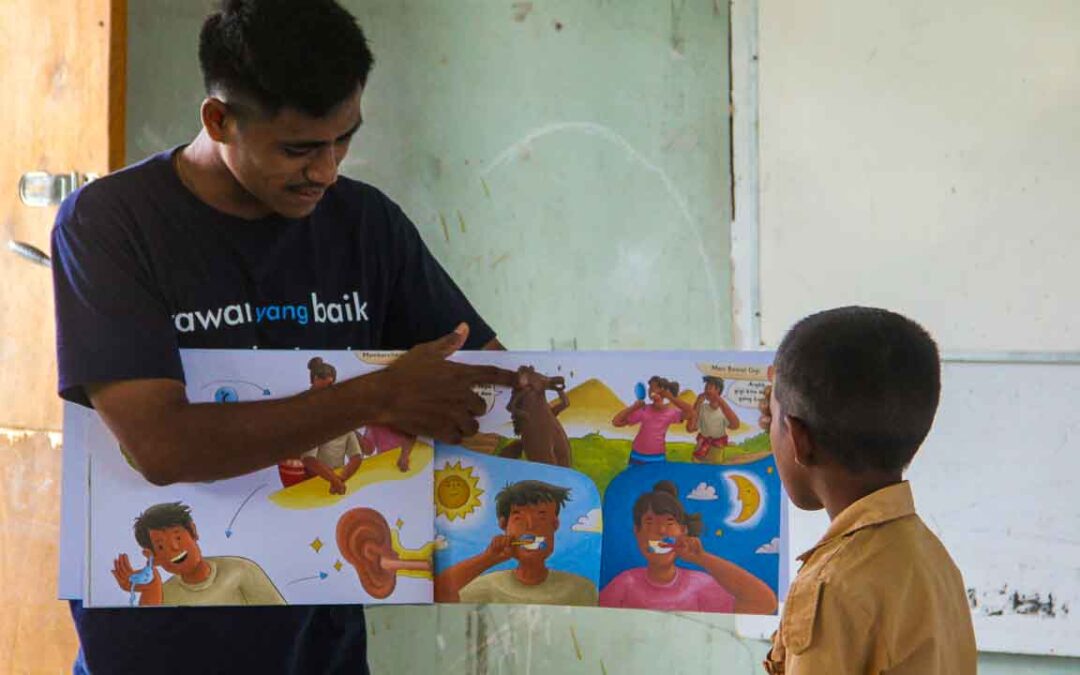
Bildungsmedien retten Leben
Our educational resources, including health and healthy living posters, the book “Kawan Sehat,” and a 14-module training guide for healthcare workers, are essential to our mission. These materials promote primary medical care initiatives and vital life skills, making a positive impact in rural Indonesian settlements.
Verantwortung
Children need continuity, not a single intervention
We document visits, referrals, medicines, prevention activities and the limits teams meet in the field. Child Health remains connected to public services and to the water, nutrition and infection risks that shape whether a child recovers and continues to grow.