


Argomenti relativi alla salute
Adolescent pregnancy
Understanding adolescent pregnancy, protecting a young person’s choices and safety, and connecting prevention, antenatal care and practical support in East Sumba.
La revisione clinica della traduzione è in corso. La revisione nella lingua di origine non approva questa traduzione.
Quando la cura non può aspettare
Seek urgent care for heavy bleeding, severe abdominal pain, fainting, seizures or difficulty breathing during pregnancy or after birth.
A young person who may be pregnant and feels unsafe needs a trusted professional and a safe route to care.
Vaginal bleeding in pregnancy · Urgent maternal warning signs
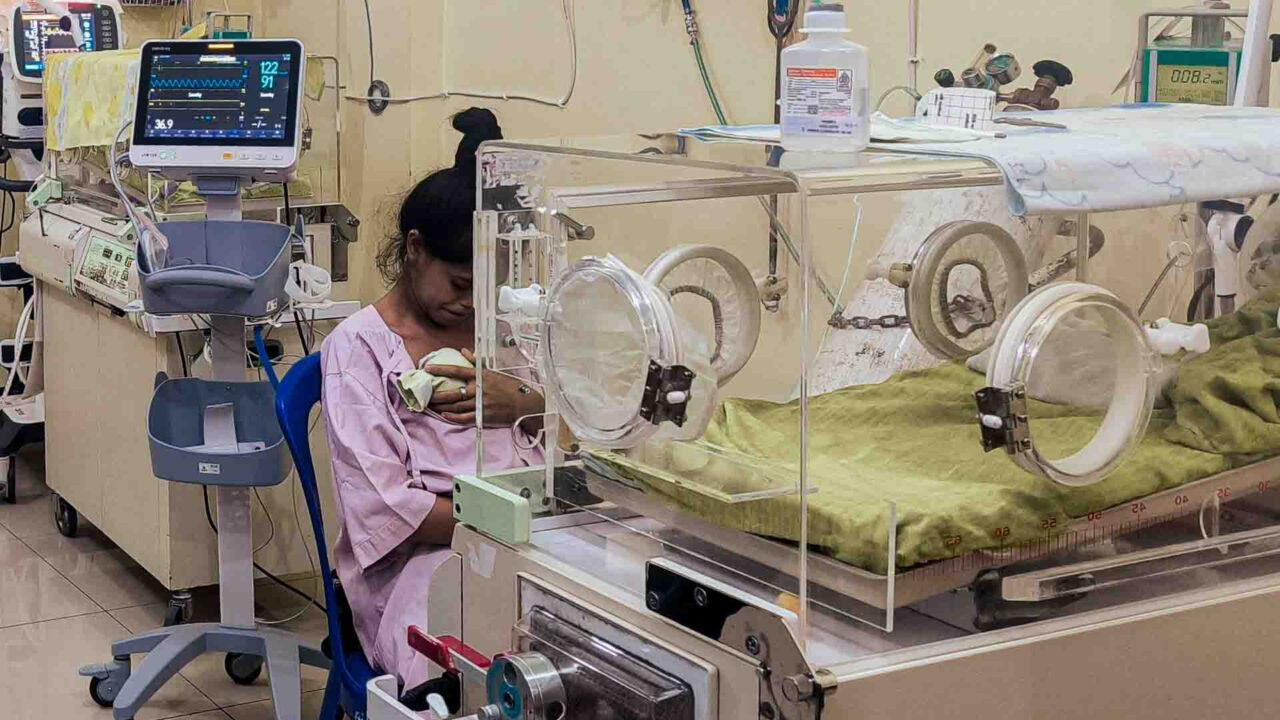
Understanding adolescent pregnancy
Adolescent pregnancy means pregnancy in a girl or young woman aged 10–19. It is a health and social issue, rather than an infection or a personal failure. A young person needs accurate information, respectful care and the chance to ask questions safely.
Pregnancy begins after sperm fertilises an egg. Ovulation can occur before a first recognised period. Irregular periods do not provide reliable protection against pregnancy.
Age alone does not describe someone’s situation. Schooling, nutrition, relationships, personal safety and the distance to a midwife can all influence what happens next.
Adolescent pregnancy · Family planning and contraception methods · Preventing early pregnancy and poor reproductive outcomes: WHO guideline, 2025
How the understanding of early pregnancy has changed
Early childbearing has existed across societies for centuries. There is no single discovery date: the important change has been recognising its medical risks alongside a young person’s rights and opportunities.
WHO published dedicated prevention guidance in 2011 and replaced it with an updated guideline in 2025. The newer approach connects education, prevention of child marriage and sexual coercion, access to contraception and appropriate maternal care.
This matters in practice. Asking a girl to avoid pregnancy achieves little if she cannot remain at school, refuse unwanted sex or reach a confidential service.
Preventing early pregnancy and poor reproductive outcomes: WHO guideline, 2025 · WHO’s updated approach to preventing adolescent pregnancy
Why early pregnancy happens
Pregnancy may be intended, unintended or the result of coercion or violence. Some adolescents face pressure to marry or prove fertility. Others lack understandable sexuality education, money, transport or access to contraception.
In our work in East Sumba, early marriage and expectations around childbearing are part of the context we encounter. These pressures differ between families and communities. Listening carefully is more useful than treating all traditions or all households as the same.
The responsibility for prevention belongs to adults, services and communities too. Boys and men need education about consent, contraception and shared responsibility.
Adolescent pregnancy · Preventing early pregnancy and poor reproductive outcomes: WHO guideline, 2025 · Child Marriage Indonesia | Crisi della gravidanza adolescenziale
Possible signs and confirming pregnancy
A missed period, nausea, breast tenderness, tiredness or needing to urinate more often may suggest pregnancy. These changes can have other causes, and some people have few symptoms.
A urine pregnancy test is usually most reliable from the first day of a missed period. If the next period date is unknown, testing at least 21 days after the last unprotected sex is a useful guide. Follow the kit instructions.
If a test is negative but a period does not arrive or symptoms continue, repeat it after a few days and seek advice. A positive test should lead to a clinical appointment. Pain or bleeding needs assessment even without a positive result.
Doing a pregnancy test · Vaginal bleeding in pregnancy
Health risks deserve attention, not fear
Compared with women in their early twenties, adolescent mothers face higher risks of serious pregnancy and childbirth complications, including eclampsia and infection. Their babies face greater risks of prematurity and low birth weight.
Poor nutrition, untreated illness and delayed attendance can add to these difficulties. A young person may still be growing while also supporting a pregnancy.
Risk is a reason to make care easier to reach. It is not a prediction that every pregnancy will have a poor outcome. Early assessment and continuing support give the clinical team opportunities to recognise problems.
Adolescent pregnancy · Antenatal care and appointments
When and where to seek care
Contact a midwife, health centre or qualified clinician as soon as pregnancy is suspected or confirmed. Do not wait until the abdomen becomes visible. Explain your age, medicines, previous health conditions and any difficulty reaching appointments.
Obtain urgent assessment for bleeding in pregnancy. Heavy bleeding, severe abdominal or shoulder pain, fainting or collapse may indicate an emergency, including a pregnancy outside the womb.
Severe headache with visual changes, seizures, difficulty breathing, fever with marked illness or reduced fetal movement once movements are established also require prompt medical assessment.
If someone threatens or hurts you, tell a trusted professional privately if it is safe. After unwanted sex, seek care promptly: assessment of injuries, infection prevention and emergency contraception can be time-sensitive.
Vaginal bleeding in pregnancy · Urgent maternal warning signs · Emergency contraception
What continuing pregnancy care can include
Antenatal care checks the health of the pregnant person and the baby. Visits may include blood pressure measurement, urine and blood tests, assessment for anaemia and infections, and discussion of nutrition and medicines.
The clinician establishes pregnancy dates and whether an ultrasound or referral is needed. Ask for a written appointment plan adapted to local services, rather than copying a timetable from another country.
Discuss iron and folic acid, vaccination and any supplements with the team. Tell them about traditional preparations and medicines bought without a prescription. Advice should account for your age, health and what is actually available.
Care can involve an obstetric team if complications or additional risks are identified. A community visit is a way into this care; it does not replace skilled pregnancy assessment.
Antenatal care and appointments · Primary Medical Care
A consultation should protect dignity
A young person should have an opportunity to speak and be heard. Ask the service how it handles consent, confidentiality and safeguarding for someone your age. Staff should explain any legal limits to privacy before sensitive details are shared.
A trusted adult can help with transport and appointments when their involvement is safe and wanted. The adolescent’s own questions, concerns and experience should remain central.
If there has been coercion or abuse, care should protect safety and avoid blame. A clinical team can explain appropriate local protection and support pathways.
Preventing early pregnancy and poor reproductive outcomes: WHO guideline, 2025
Preparing for birth before an emergency
Plan with the maternity team where birth should take place, who will attend, how to travel and which service can receive an urgent referral. Record contact details and a backup transport arrangement.
In a remote village, a long journey can turn an unexpected complication into a much greater danger. Discuss this distance while the person is well, including accommodation nearer a facility if the team advises it.
If the pregnancy is unwanted or the person is uncertain, arrange a private consultation about the options and care available under Indonesian law. Avoid unverified medicines or unsafe attempts to end a pregnancy.
Preventing early pregnancy and poor reproductive outcomes: WHO guideline, 2025 · Antenatal care and appointments
Care continues after the baby is born
Follow-up should consider physical recovery, feeding support, the baby’s health and the young parent’s emotional wellbeing. Pain, fever, unusual discharge or heavy bleeding after birth need clinical assessment.
Ask about contraception after pregnancy, a safe return to education and practical help at home. A baby’s needs should not make the young mother’s own health disappear from view.
Severe distress, confusion or thoughts of harming oneself or the baby require immediate professional help. Stay with the person and seek urgent care.
Urgent maternal warning signs · Preventing early pregnancy and poor reproductive outcomes: WHO guideline, 2025 · Antenatal care and appointments
Prevention that gives young people real choices
- Keep education accessible. Include accurate information about puberty, relationships, consent, pregnancy and contraception.
- Prevent forced sex and child marriage. Adults and community leaders have a role in protecting young people and supporting continued schooling.
- Make contraception understandable and reachable. A qualified service can explain suitable methods, side effects and local access arrangements.
- Use condoms correctly and consistently. They help prevent pregnancy and reduce the risk of Infezioni a trasmissione sessuale. Other contraceptive methods do not protect against these infections.
- Seek advice quickly after unprotected or forced sex. Emergency contraception works within a limited time and does not end an established pregnancy.
Preventing early pregnancy and poor reproductive outcomes: WHO guideline, 2025 · Family planning and contraception methods · Emergency contraception
Adolescent pregnancy and care in East Sumba
Il nostro article on child marriage and adolescent pregnancy describes why this concern belongs in everyday rural healthcare. Social pressure, financial dependence and a difficult journey can delay a first conversation.
Attraverso Primary Medical Care e Kawan Sehat Agenti sanitari, health education and first contact can help connect a young person with a midwife or clinical service. The agent’s role is to listen, explain, recognise concerns within her training and support referral under supervision.
A useful visit ends with an achievable next step: where to go, whom to contact and how to get there. No young person should have to navigate the entire route alone.
Child Marriage Indonesia | Crisi della gravidanza adolescenziale · Primary Medical Care · Kawan Sehat Agenti sanitari
Questions to bring to the health centre
- How can I confirm the pregnancy and arrange my first appointment?
- Which symptoms should make me seek care urgently?
- Who can I speak with privately, and how will my information be handled?
- Where should birth take place, and how will we organise transport?
- What support is available for school, nutrition and follow-up?
Programmi correlati e risorse del settore
programma
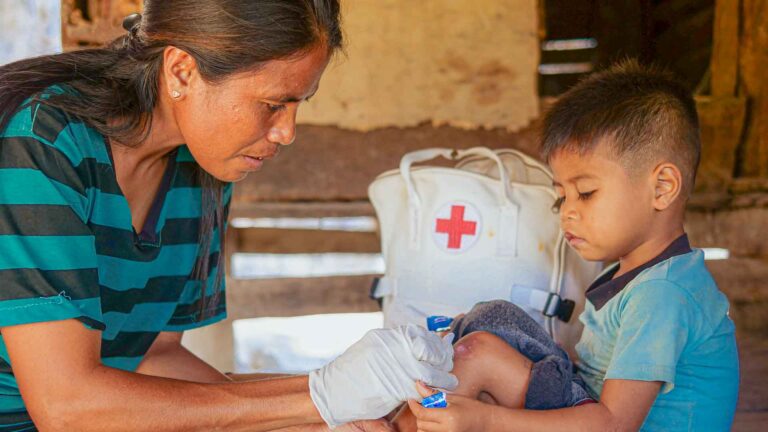
Primary Medical Care nelle zone remote
Connect first contact with clinical care and referral.
programma
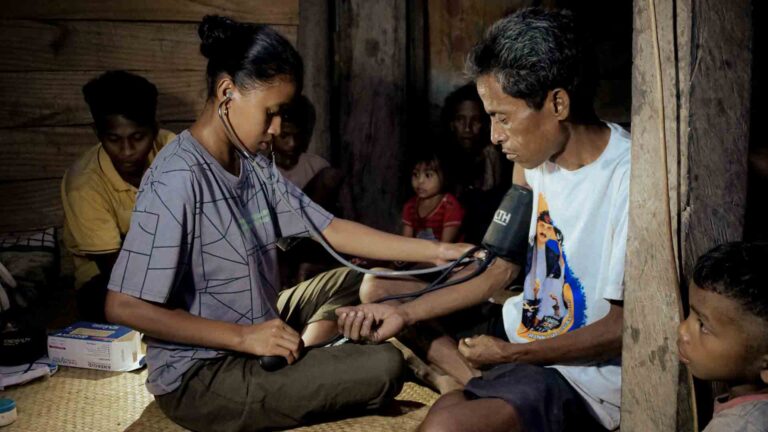
Agenti sanitari rurali Kawan Sehat
Learn how village agents support education and access to care.
article
Child Marriage Indonesia | Crisi della gravidanza adolescenziale
Read our field perspective on child marriage and adolescent pregnancy.
argomento
Infezioni sessualmente trasmissibili (IST)
Understand infection prevention, testing and sexual-health care.
Fonti di riferimento
- Adolescent pregnancyOrganizzazione Mondiale della SanitàConsultato
- Preventing early pregnancy and poor reproductive outcomes: WHO guideline, 2025Organizzazione Mondiale della SanitàConsultato
- Doing a pregnancy testServizio sanitario nazionaleConsultato
- Antenatal care and appointmentsServizio sanitario nazionaleConsultato
- Vaginal bleeding in pregnancyServizio sanitario nazionaleConsultato
- Urgent maternal warning signsCentri per il Controllo e la Prevenzione delle MalattieConsultato
- Family planning and contraception methodsOrganizzazione Mondiale della SanitàConsultato
- Emergency contraceptionOrganizzazione Mondiale della SanitàConsultato
- Child Marriage Indonesia | Crisi della gravidanza adolescenzialeFair Future FoundationConsultato
- WHO’s updated approach to preventing adolescent pregnancyOrganizzazione Mondiale della SanitàConsultato
- Primary Medical CareFair Future FoundationConsultato
- Kawan Sehat Agenti sanitariFair Future FoundationConsultato
Informazioni generali sulla salute, non una diagnosi o una prescrizione individuale.
