


Argomenti relativi alla salute
Polio (poliomyelitis)
Understanding poliovirus, recognising sudden weakness, and protecting children through vaccination, safe water and access to urgent assessment.
La revisione clinica della traduzione è in corso. La revisione nella lingua di origine non approva questa traduzione.
Quando la cura non può aspettare
New weakness, a floppy limb, inability to move normally, or difficulty breathing or swallowing needs urgent medical assessment. Do not wait for a routine vaccination visit or assume the child has simply strained a muscle.
Tell the health team when the change began, whether there was fever, recent travel or illness, and which vaccines are recorded. Several conditions can cause sudden weakness; each needs prompt assessment.
Understanding polio
Polio is an infectious disease caused by poliovirus. The virus multiplies in the intestine and, in some people, affects the nervous system. Damage to the nerves controlling muscles can cause weakness or paralysis.
Many infected people have no visible symptoms, while others have a short illness that resembles other viral infections. The absence of paralysis in a community does not by itself prove that the virus cannot circulate.
Vaccination protects against the disease. Children are an important focus, but people who are not adequately protected may be at risk at other ages too. Check actual vaccination records with the responsible health service.
From identifying a virus to preventing paralysis
In 1908, Karl Landsteiner and Erwin Popper’s research helped establish the viral cause of polio. Understanding the cause opened a path to laboratory investigation and prevention.
Jonas Salk developed an inactivated injectable vaccine, introduced in 1955. Albert Sabin’s live oral vaccine followed in 1961. These were different vaccine approaches developed through extensive scientific and public health work.
The Global Polio Eradication Initiative began in 1988. Its history shows why a vaccine needs a delivery system: records, trained teams, access to remote communities and surveillance all matter.
How poliovirus spreads
Poliovirus spreads mainly through the faecal–oral route. Hands, food or water contaminated with faecal material can carry the virus to another person’s mouth. People can spread it without knowing they are infected.
Safe sanitation, handwashing and protected drinking water reduce opportunities for transmission. They are essential daily protections, but they do not replace vaccination.
A household should receive clear advice from health services if polio is suspected or identified. Avoid rumours or blame; timely assessment, appropriate samples and coordinated vaccination are more useful.
Symptoms and sudden weakness
- Some infections cause fever, tiredness, headache, nausea, vomiting or muscle pain.
- Stiffness of the neck or back can occur.
- New weakness or floppiness, often affecting a limb, needs immediate assessment.
- Breathing or swallowing difficulty is an emergency.
A child who suddenly cannot stand, walk or use an arm normally needs assessment even if they have no pain or high fever. Other neurological illnesses can produce similar signs. A home observation cannot establish which cause is responsible.
About polio · Polio: symptoms and care
Diagnosis and treatment
The clinical team assesses strength, breathing, swallowing and other signs. Suspected cases need investigation through the appropriate public health system, including laboratory samples selected and collected by trained staff.
There is no medicine that reverses established polio nerve damage. Care can include hospital monitoring, support for breathing and swallowing, pain relief, fluids and prevention of complications.
Rehabilitation helps preserve movement and daily function. Some people need physiotherapy, assistive devices or specialist care. Recovery plans should include school, work and participation in community life rather than focusing only on the affected limb.
Poliomyelitis · Polio: symptoms and care
Vaccination and everyday prevention
- Check the complete vaccination record. Ask the local service which routine or catch-up doses are needed.
- Follow official advice about additional campaign doses. These may be needed alongside routine immunisation.
- Different polio vaccines are used according to the programme and local needs. Let the qualified vaccination service choose the appropriate product and schedule.
- Wash hands with soap after using the toilet or cleaning a child, and before preparing food.
- Protect drinking water and dispose of faeces safely, including children’s faeces.
If a record is missing or a visit was missed, ask how to catch up. Do not assume a child is fully protected because they received an injection for another illness.
Poliomyelitis · About polio · Polio vaccines
Care after the acute illness
Weakness can affect mobility, independence and access to education. Families may need practical support with transport, suitable exercises, assistive equipment and ongoing assessment.
Some survivors develop new weakness, fatigue or other problems many years later, known as post-polio syndrome. New symptoms should be assessed rather than automatically attributed to the old infection.
A disability does not reduce a person’s right to education, work and respectful care. Treatment goals should be discussed with the person and adapted to their circumstances.
About polio · Polio: symptoms and care
Reaching children in the rural east of Indonesia
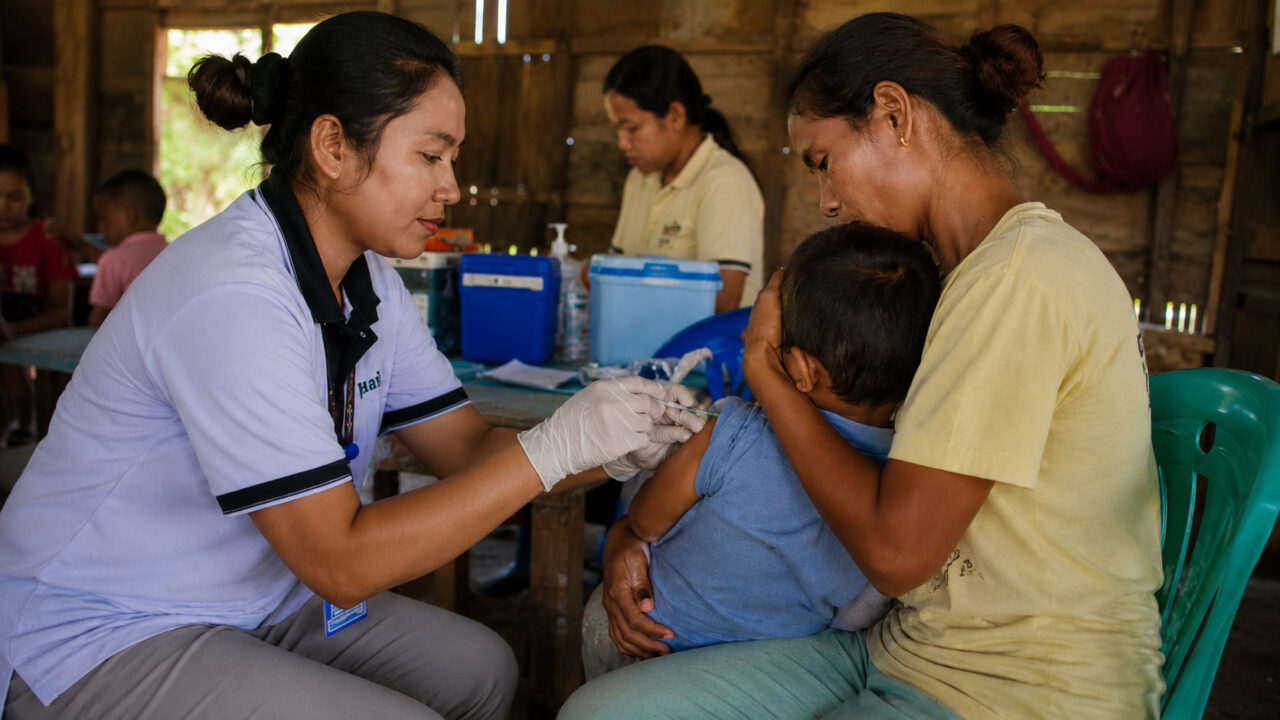
In East Sumba, distance and difficult roads can turn a missed appointment into a long gap in protection. Salute dei bambini, Primary Medical Care e Agenti Kawan Sehat connect health education with attention to vaccination records and appropriate public services.
The featured photograph illustrates a rural vaccination encounter. It does not identify the vaccine being administered or document a child with polio. The practical link is access to qualified vaccination services.
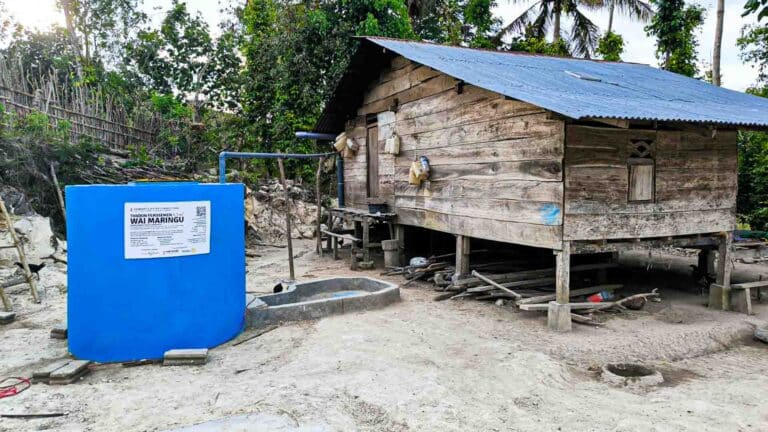
Water Connections supports safer water and hygiene around the same households. Prevention works better when vaccination and the conditions for daily hygiene are considered together.
Il Applicazione medica Kawan Sehat can support records and follow-up, while Field Mobility and Logistics helps explain why the route to care belongs in the health plan. A sudden change in movement requires referral, not a delay while a routine record is completed.
Salute dei bambini · Primary Medical Care · Water Connections
Questions for the vaccination or care team
- Are all routine polio doses recorded?
- Does this child need catch-up or campaign vaccination?
- Where should we go immediately if sudden weakness appears?
- What rehabilitation and follow-up are available if movement is affected?
Programmi correlati e risorse del settore
programma
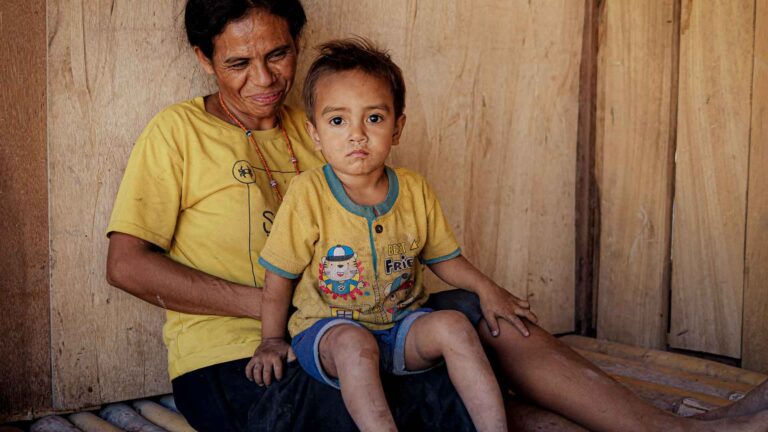
Salute infantile nella zona rurale di East Sumba
Connect vaccination access with child health.
programma
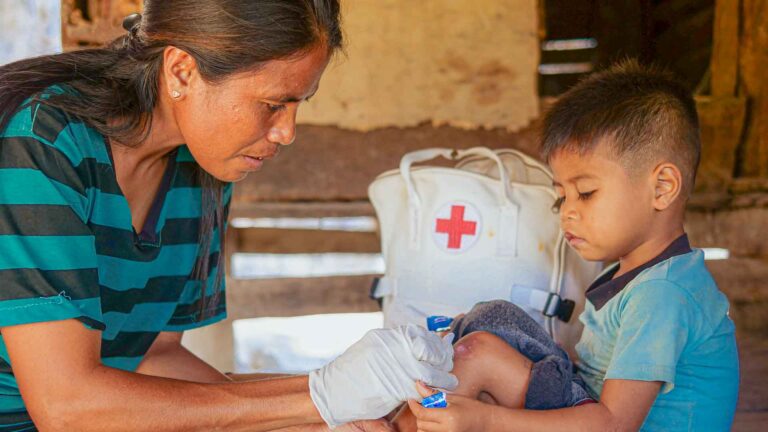
Primary Medical Care nelle zone remote
Explore assessment and referral in rural communities.
programma
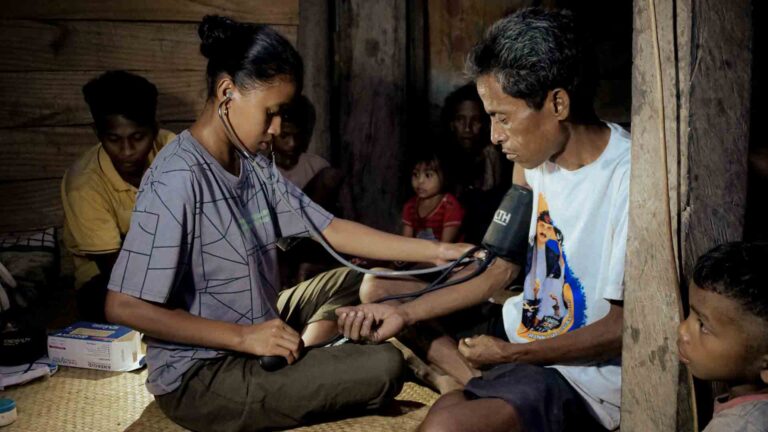
Water Connections per i Villaggi Rurali
Connect hygiene and safe water with infection prevention.
Fonti di riferimento
- PoliomyelitisOrganizzazione Mondiale della SanitàConsultato
- About polioCentri per il Controllo e la Prevenzione delle MalattieConsultato
- Polio: symptoms and careServizio sanitario nazionaleConsultato
- History of polioGlobal Polio Eradication InitiativeConsultato
- Polio vaccinesGlobal Polio Eradication InitiativeConsultato
- Salute dei bambiniFair Future FoundationConsultato
- Primary Medical CareFair Future FoundationConsultato
- Water ConnectionsFair Future FoundationConsultato
Informazioni generali sulla salute, non una diagnosi o una prescrizione individuale.
