|
Where Care Begins Long Before the Hospital
👋 Hello, this is Alex. How are you?
I am writing to you this morning from Rumah Kambera, our former base in Sumba. It is a place we care about deeply. Thousands of medicines have passed through it; important meetings have taken place there; training sessions have been held there; and many field decisions have been made there.
But Rumah Kambera is ageing badly. The building we rent is slowly falling into ruin and no longer matches the scale of what we are doing today. That is also why we must move forward with Rumah Kambera 2.0, a stronger, more useful, better-designed socio-medical centre for the years ahead.
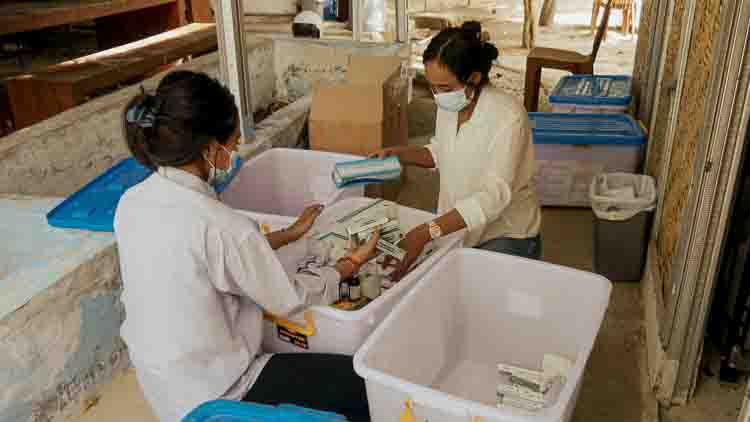
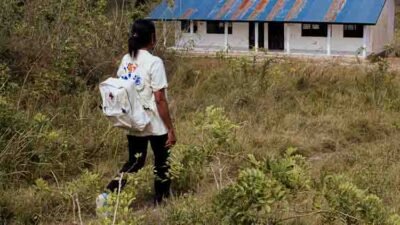
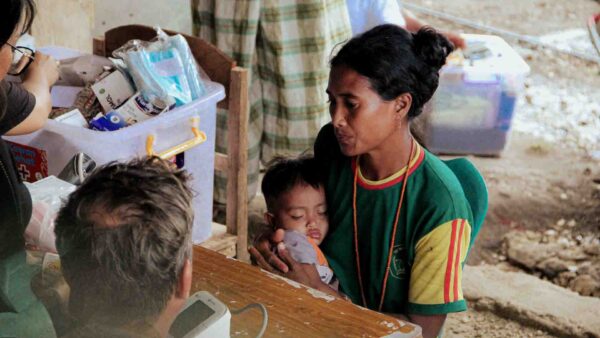
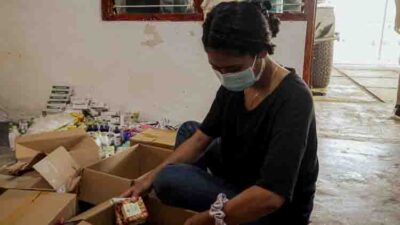
This week will, once again, be extremely busy. We are heading out to replenish the medicine stock for our health agents across about 15 areas. We will meet them where they live and work, review difficult cases, answer their questions, check on treatments, needs, and supplies, and meet with local leaders and the healthcare centres that coordinate part of this work. These centres often have almost nothing left to give their patients. So they increasingly rely on the Kawan Sehat health agents from our Primary Medical Care program. This is not how things should work, but it is the reality we face every day.
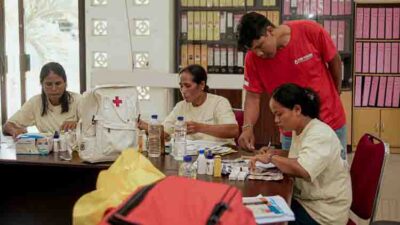 Here, the work never really stops. Even on a Sunday, we must answer, treat, advise, organise, and anticipate. Our weeks are long, sometimes exhausting, but also full of meaning. Behind every journey, every meeting, every box of medicines, families are waiting for something simple and essential: a presence, care, an explanation, a chance not to arrive too late. Here, the work never really stops. Even on a Sunday, we must answer, treat, advise, organise, and anticipate. Our weeks are long, sometimes exhausting, but also full of meaning. Behind every journey, every meeting, every box of medicines, families are waiting for something simple and essential: a presence, care, an explanation, a chance not to arrive too late.
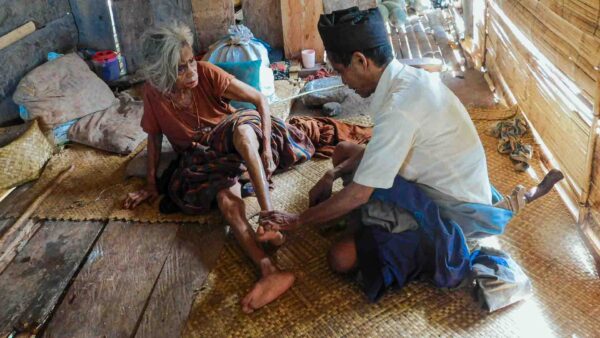
And the diseases do not slow down. We continue to see many cases of malaria, tuberculosis, polio, and infections linked to poverty, unsafe water, poor hygiene conditions, and lack of access to care. We are also speaking more about HIV, because the numbers are rising sharply in our region, and we must respond seriously through prevention, information, and testing. Our campaigns, our posters, our training sessions, and the daily work of our teams are all for that: to explain, to prevent, to act before it is too late.
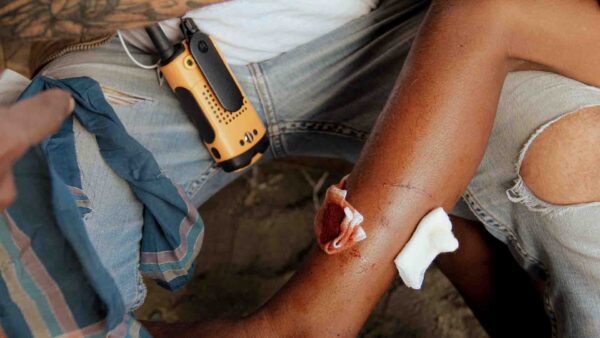
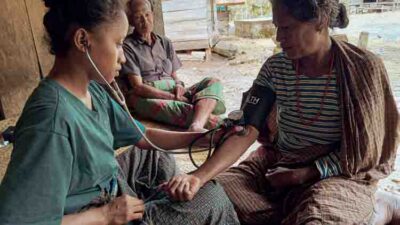 The latest articles published on our website speak directly to this reality. Leptospirosis, pain left untreated, the collapse of parts of global health funding, global health itself, and sepsis. None of this is theoretical for us. We see these situations in the field. A poorly treated infection, pain that is ignored, the lack of transport, safe water, or medicines, and suddenly,y a simple situation becomes a life-threatening emergency. That is also why our sepsis study is so important. It must help us understand more precisely how an ordinary infection becomes fatal, and how to act earlier, more accurately, and more effectively. The latest articles published on our website speak directly to this reality. Leptospirosis, pain left untreated, the collapse of parts of global health funding, global health itself, and sepsis. None of this is theoretical for us. We see these situations in the field. A poorly treated infection, pain that is ignored, the lack of transport, safe water, or medicines, and suddenly,y a simple situation becomes a life-threatening emergency. That is also why our sepsis study is so important. It must help us understand more precisely how an ordinary infection becomes fatal, and how to act earlier, more accurately, and more effectively.
At the same time, we are still building. Or at least, trying to. This year, we need to fund new water reservoirs.
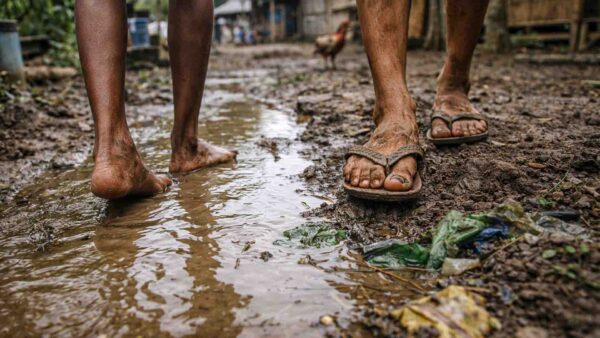
 At the moment, not a single one has yet been financed. It is terrible and, frankly, quite unprecedented for us. Yet here, clean water is not a comfort. It is the basis of everything: drinking, cooking, washing, cleaning a wound, and preventing disease. For Rumah Kambera 2.0, we have already raised 10,000 Swiss francs through a private donation, and we are deeply grateful. Truly, thank you. At the moment, not a single one has yet been financed. It is terrible and, frankly, quite unprecedented for us. Yet here, clean water is not a comfort. It is the basis of everything: drinking, cooking, washing, cleaning a wound, and preventing disease. For Rumah Kambera 2.0, we have already raised 10,000 Swiss francs through a private donation, and we are deeply grateful. Truly, thank you.
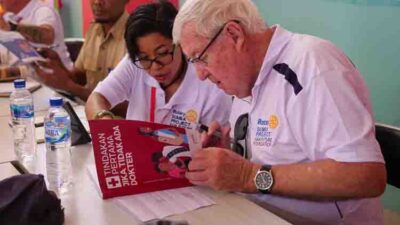
From April 17 to 23, we will also welcome our friends from Rotary International. They will come to work with us in the field, to see what has already been accomplished together and what remains to be built. These lasting relationships matter deeply. They allow us to move forward concretely, without empty speeches.
Thank you for being here, for reading us, and for continuing to care about this work. This letter is not here to beautify reality. It is here to share it as it is: demanding, sometimes harsh, but deeply useful, alive, and carried every day by women and men who refuse to give up.
Alex, for Fair Future - Sunday, April 12, 2026 |