Spenden
Support Care
Artikel & News
Feldgeschichten
Glossar
Feldführer
Kein Zugang zu ländlichen Gesundheitsdienstleistungen | Leben ohne medizinische Versorgung
No access to healthcare is itself a clinical risk. In remote East Sumba, the nearest functioning service may be hours away, transport may not be available, and the first medical assessment can occur only after a condition has already worsened. Distance, time, cost and continuity therefore become part of the prognosis.
No Access to Healthcare in Rural Communities
When distance, delay and missing services become clinical risks
Access is a chain, and every missing link can change the outcome
A health facility can exist on a map while effective access remains absent. A family may still face several hours of travel, damaged roads, no vehicle, fuel costs they cannot afford, limited opening hours, staff shortages, unavailable diagnostics or medicines, and no reliable way to return for follow-up.
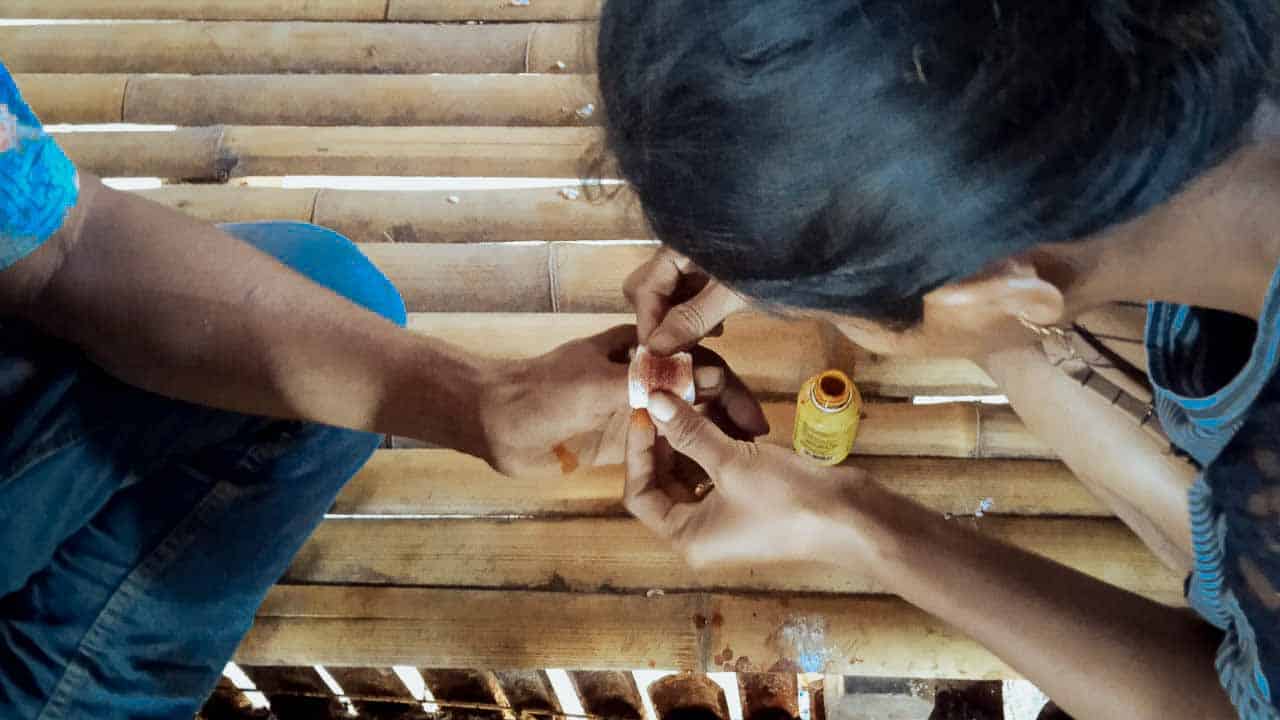
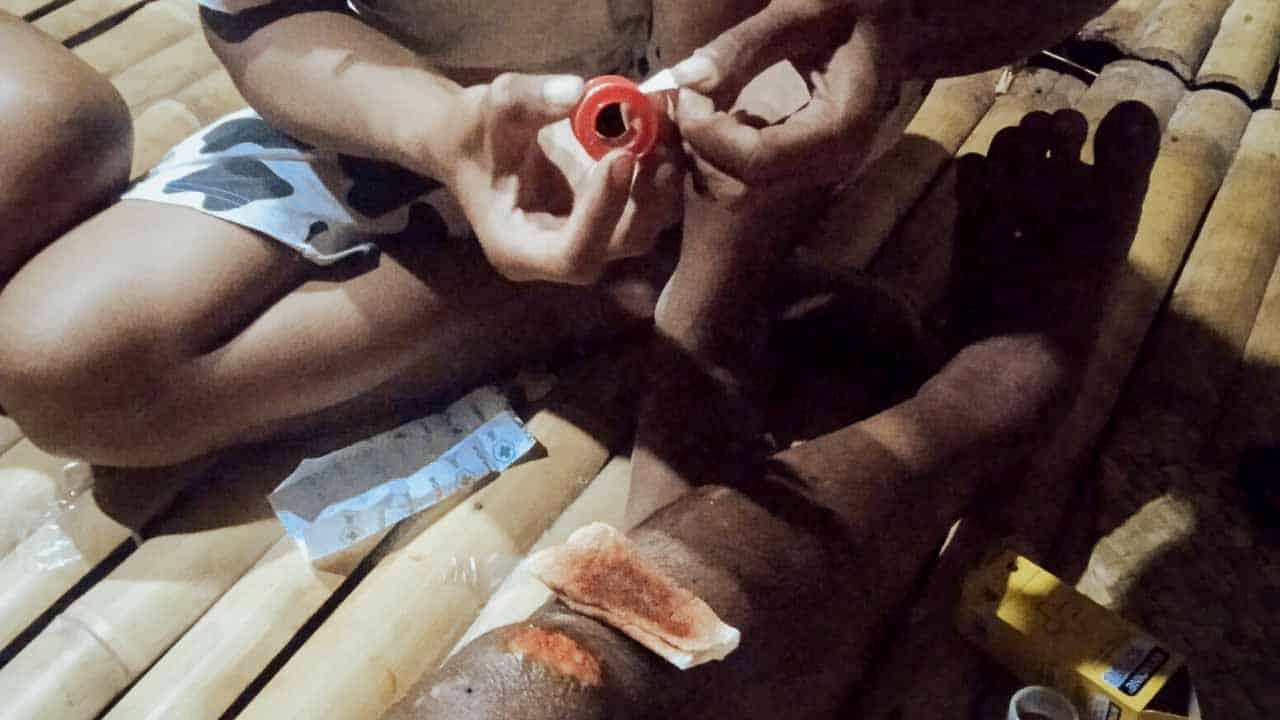
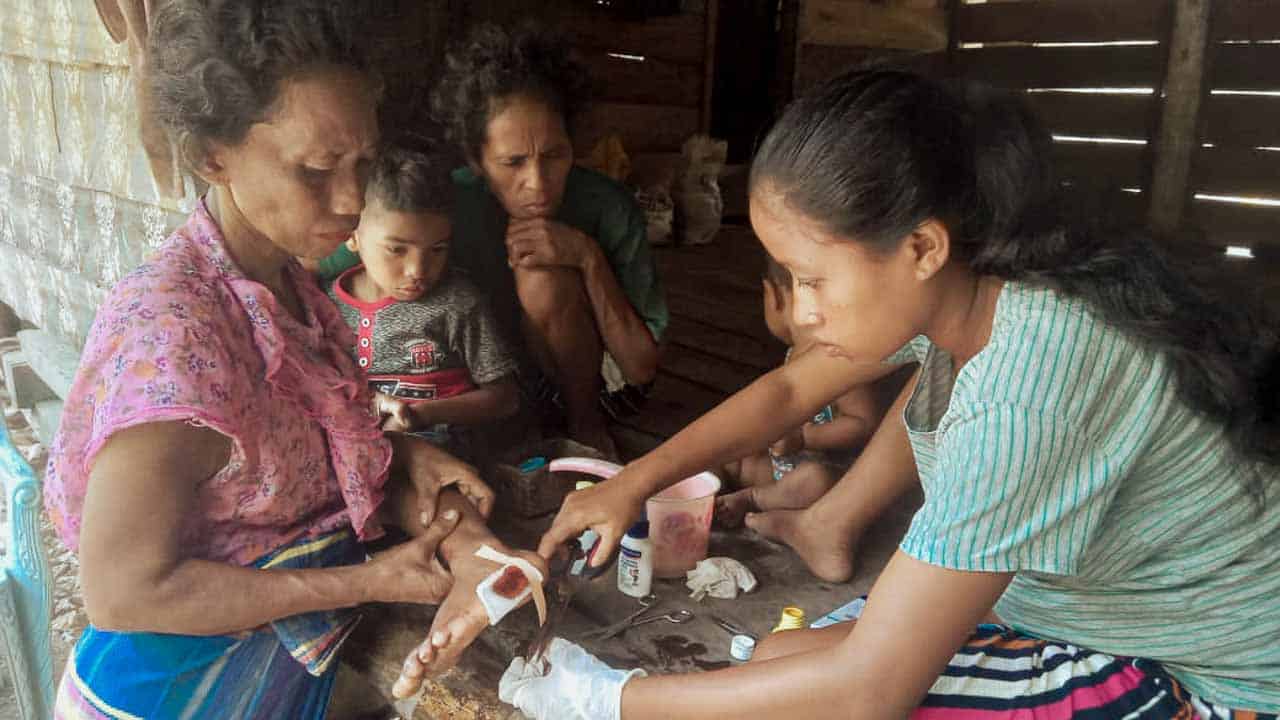
Clinically, these barriers matter because disease continues while the patient waits. Dehydration can worsen. A wound can become infected. Malaria or another febrile illness can progress without testing. Pregnancy complications can become emergencies. Chronic conditions can remain untreated because repeated travel is impossible.
The scale is global. The Weltgesundheitsorganisation and World Bank estimate that 4.6 billion people were not fully covered by essential health services in 2023. WHO also estimates that about two billion people living in rural and remote areas lack adequate access to essential services within their communities.
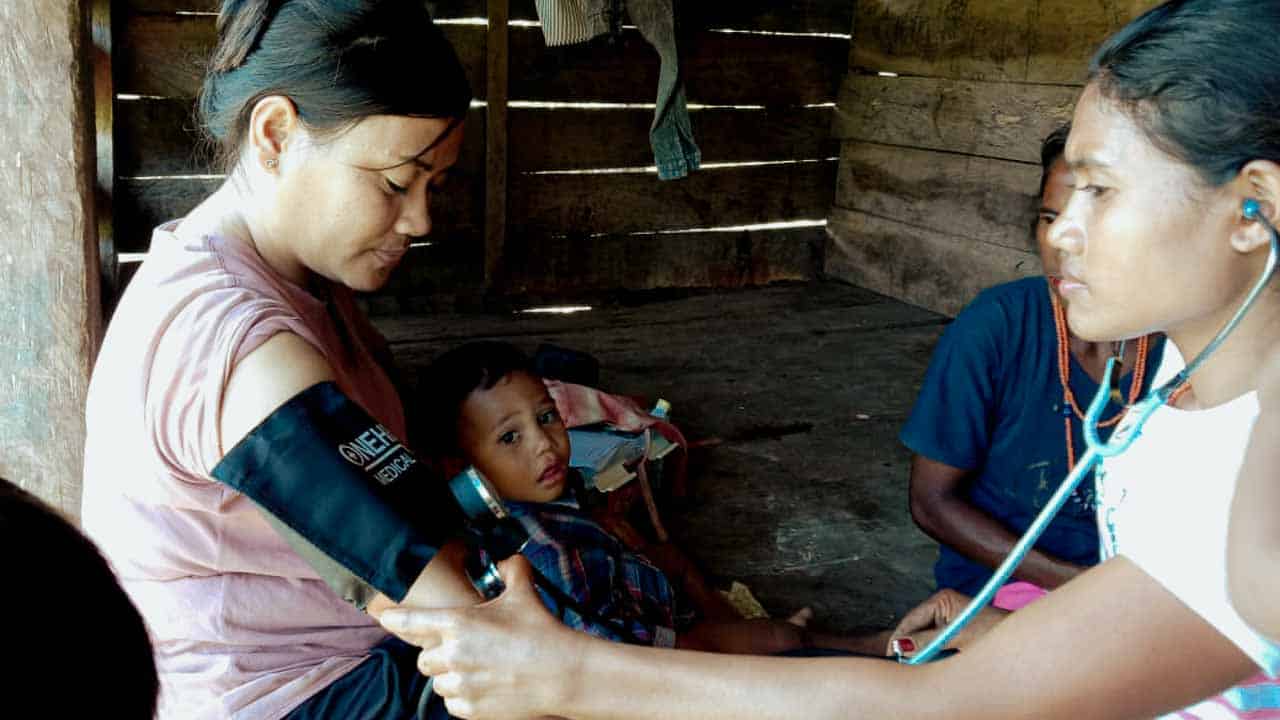
In East Sumba, our response is to shorten the distance between symptoms and useful care. Primary Medical Care, Kawan Sehat Gesundheitsbeauftragte, medicine supply, supervision, prevention and referral are organised as one continuous system. This does not replace hospitals or specialist care. It creates an earlier point of contact where otherwise there may be none.
- Life Without Care
- Delay & Referral
- Clinical Consequences
- Structural Barriers
- Primary Medical Care
- Kontinuität
Effective access can disappear long before the health system officially ends
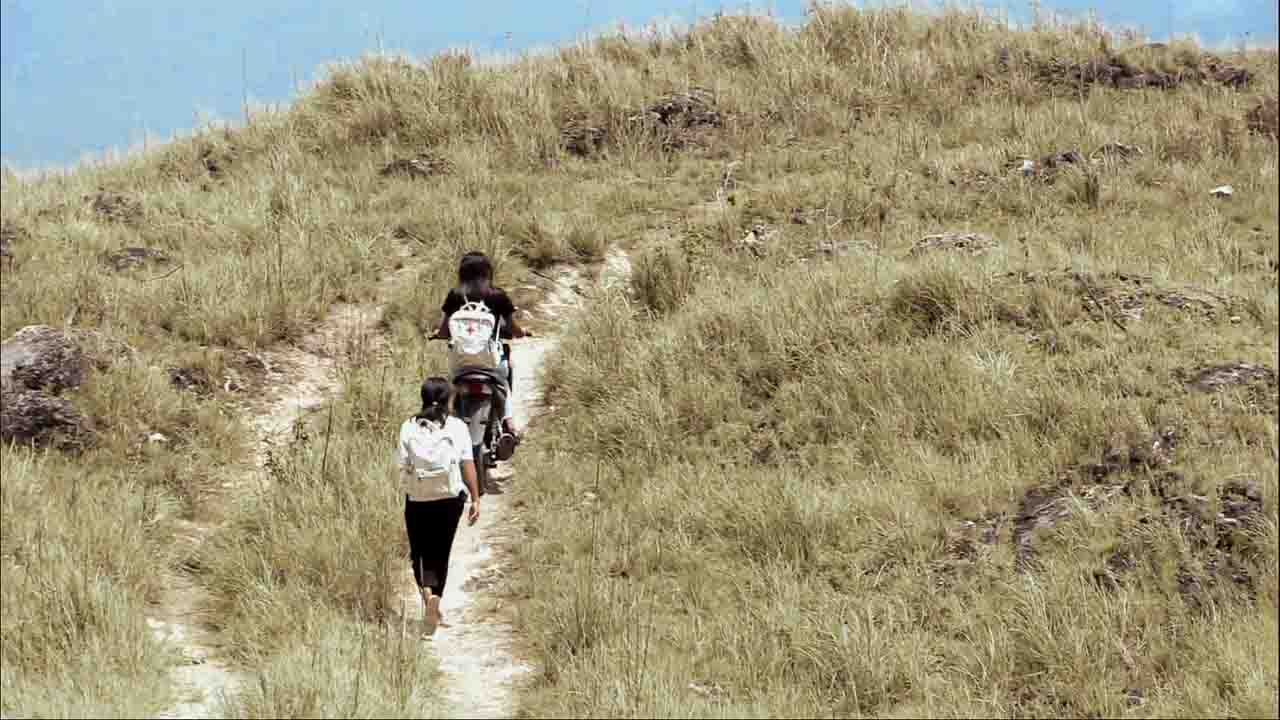
In remote villages, the problem is not always the complete absence of a health facility somewhere in the district. The problem is whether a sick person can actually reach competent care at the moment it is needed.
Distance, transport, cost, staffing, medicine availability and opening hours can together make a nominal service functionally inaccessible. Families then manage fever, wounds, pain or pregnancy problems at home until the condition improves or becomes impossible to ignore.
This gap between formal coverage and real access is described further in Health Systems Stop Before the Village.
Time between symptoms and first useful care is a clinical variable
A delay of one or several days can change the physiology of an otherwise treatable condition. Dehydration becomes severe, infection spreads, anaemia worsens, or an obstetric complication advances while transport is still being arranged.
Referral is equally important. Recognising danger signs is only the first step; a patient must then have a realistic way to reach a higher level of care. Roads, vehicles, fuel, weather and family finances all influence whether that referral actually happens.
We examine this mechanism in The Hidden Cost of Delay in Rural Medicine. Unsere Sumba-Sepsis-Studie 2026 also documents how delays and access barriers shape infection pathways in East Sumba.
Common conditions become dangerous when early care is missing
The diseases themselves are often familiar: diarrhoeal illness, malaria, respiratory infection, infected wounds, undernutrition and complications of pregnancy. What changes is the point at which a trained person first sees the patient.
Without early assessment, families may self-medicate, repeat old prescriptions or wait until symptoms become severe. Antibiotics may be taken when they are not indicated, while conditions that do require treatment may remain untreated.
See also Self-Medication in Rural Indonesia and our work on sepsis prevention in Sumba.
Healthcare depends on infrastructure outside the consultation room
Roads, transport, water, electricity, communications and functioning supply chains determine whether medicine can actually be delivered. A clinic without medicines or staff is not effective access. A referral system without transport is incomplete.
Water insecurity and climate pressure can worsen the same barriers by increasing disease risk while simultaneously making travel and logistics more difficult.
These links are why our medical work is connected to Water Connections and to our broader work on climate change and health.
Bring the first point of care closer to where people live
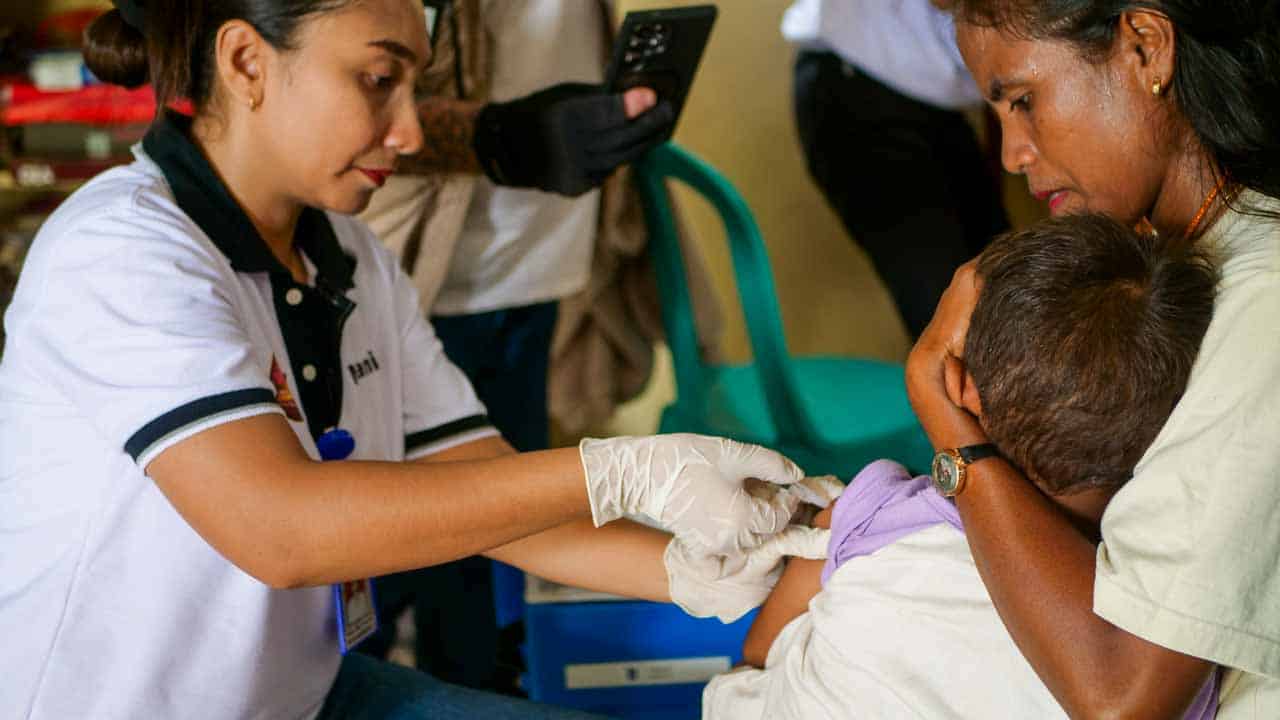
Fair Future’s Primary Medical Care programme places trained Kawan Sehat agents inside remote communities. They provide defined first-line assessment and care, prevention, health education and early identification of patients who need referral.
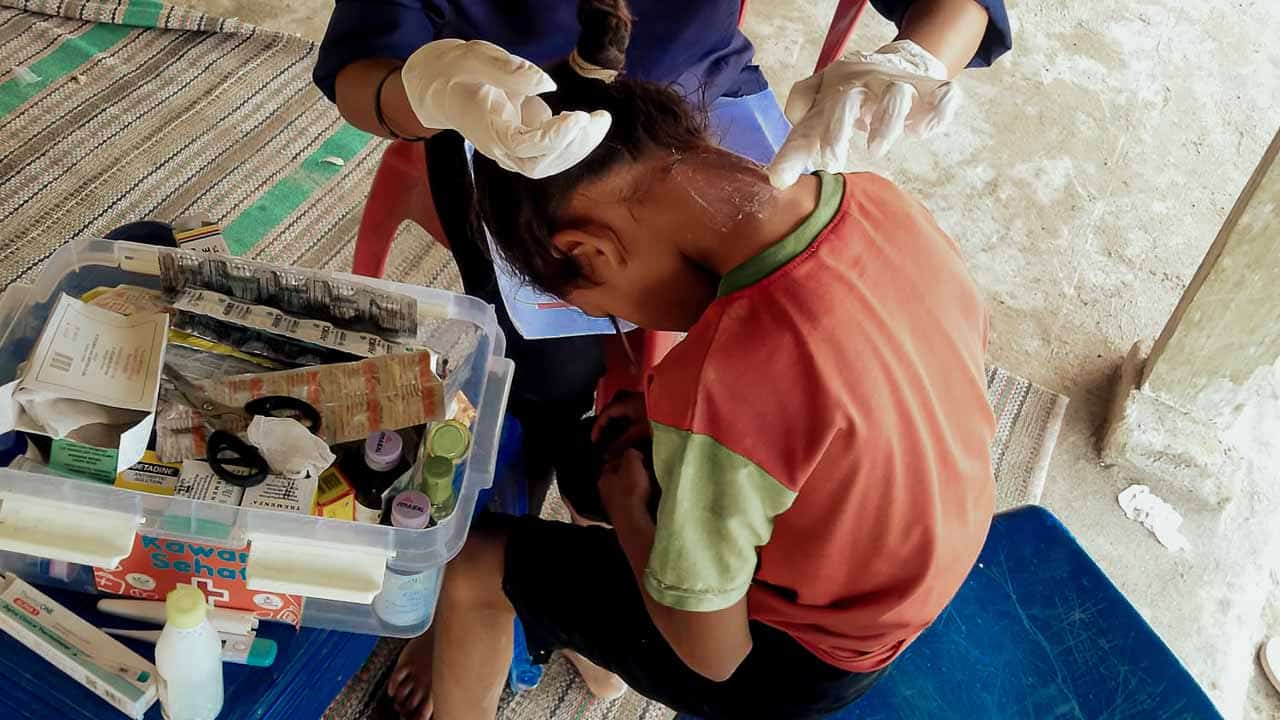
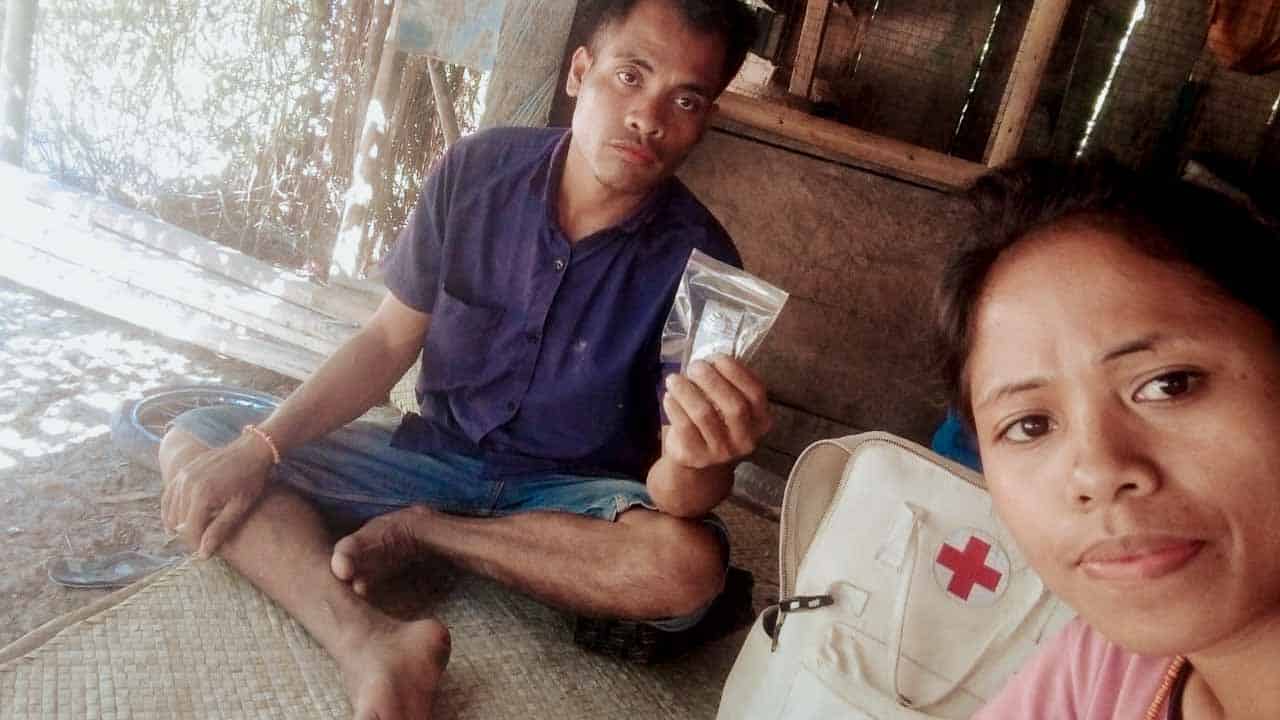
The agents are supplied with medicines, diagnostic tools and wound-care equipment and remain connected to medical supervision. The objective is not to replace doctors or hospitals. It is to reduce the dangerous interval before a patient reaches appropriate care.
Explore the Primary Medical Care programme, die Kawan Sehat Gesundheitsbeauftragte, and a recent community health worker field example.
Access is not restored by a single consultation
A patient may need reassessment, a medicine course may need review, a wound may need repeated care, and a referral may need confirmation. Health agents need replenishment, supervision and a reliable way to discuss difficult cases.
This is why continuity matters as much as first contact. A system that appears for one mission and disappears again does not solve structural access. Presence must be dependable enough for communities to know where to turn when the next problem begins.
Our approach is documented through our Swiss humanitarian medical framework and the programme records available in our documentation. The external guidance we use is collected in our trusted health sources and humanitarian references.
Care Where Distance Becomes a Clinical Risk