


What 1,001 homes in East Sumba showed us about smoke, illness and the absence of choice
During the Sumba-Sepsis-Studie 2026, our teams entered 1,001 homes across East Sumba. We came to listen: to understand infection, frightening illness, delayed care, water, sanitation, transport and the daily conditions that shape health long before a patient reaches a clinic.
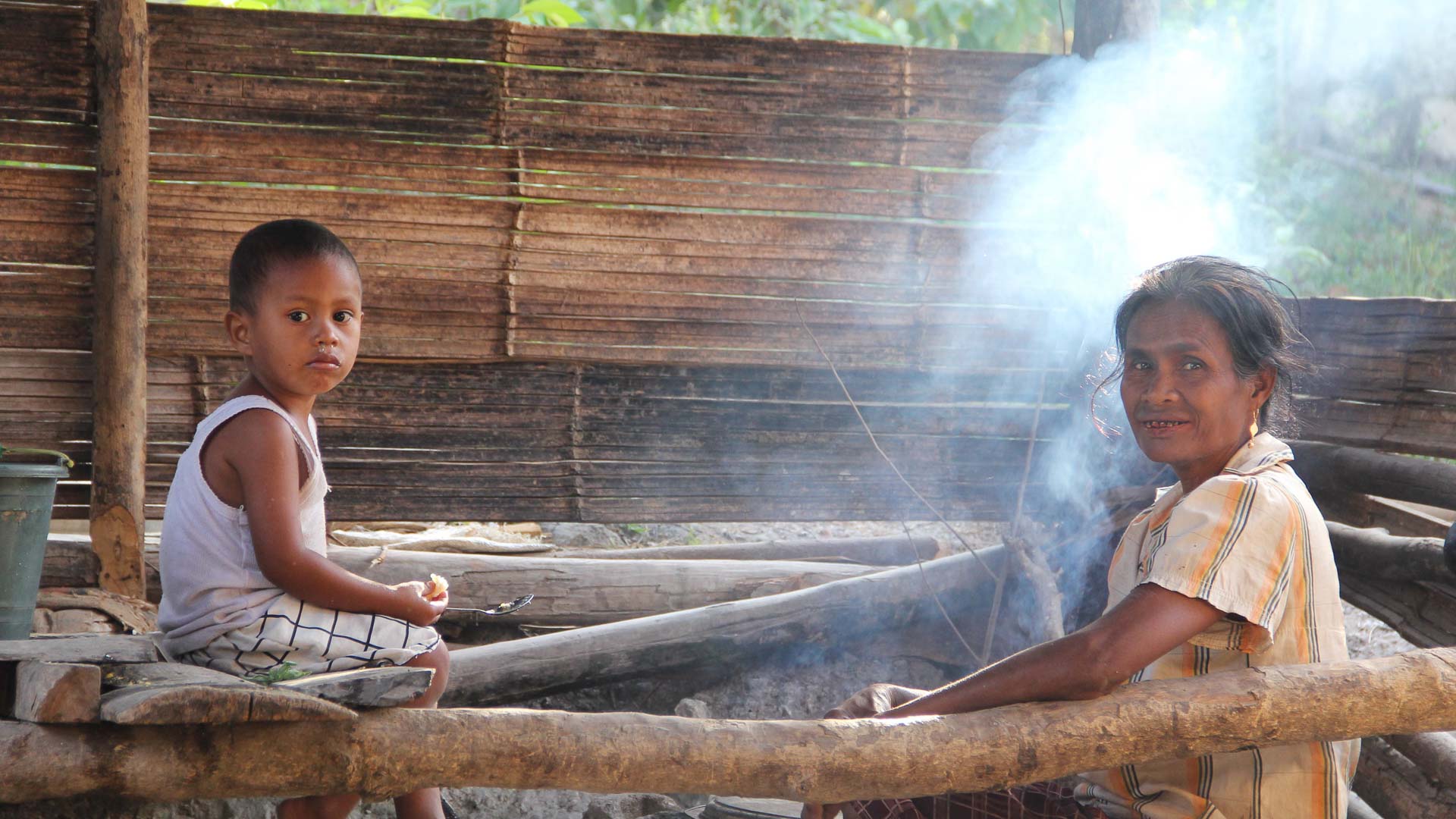
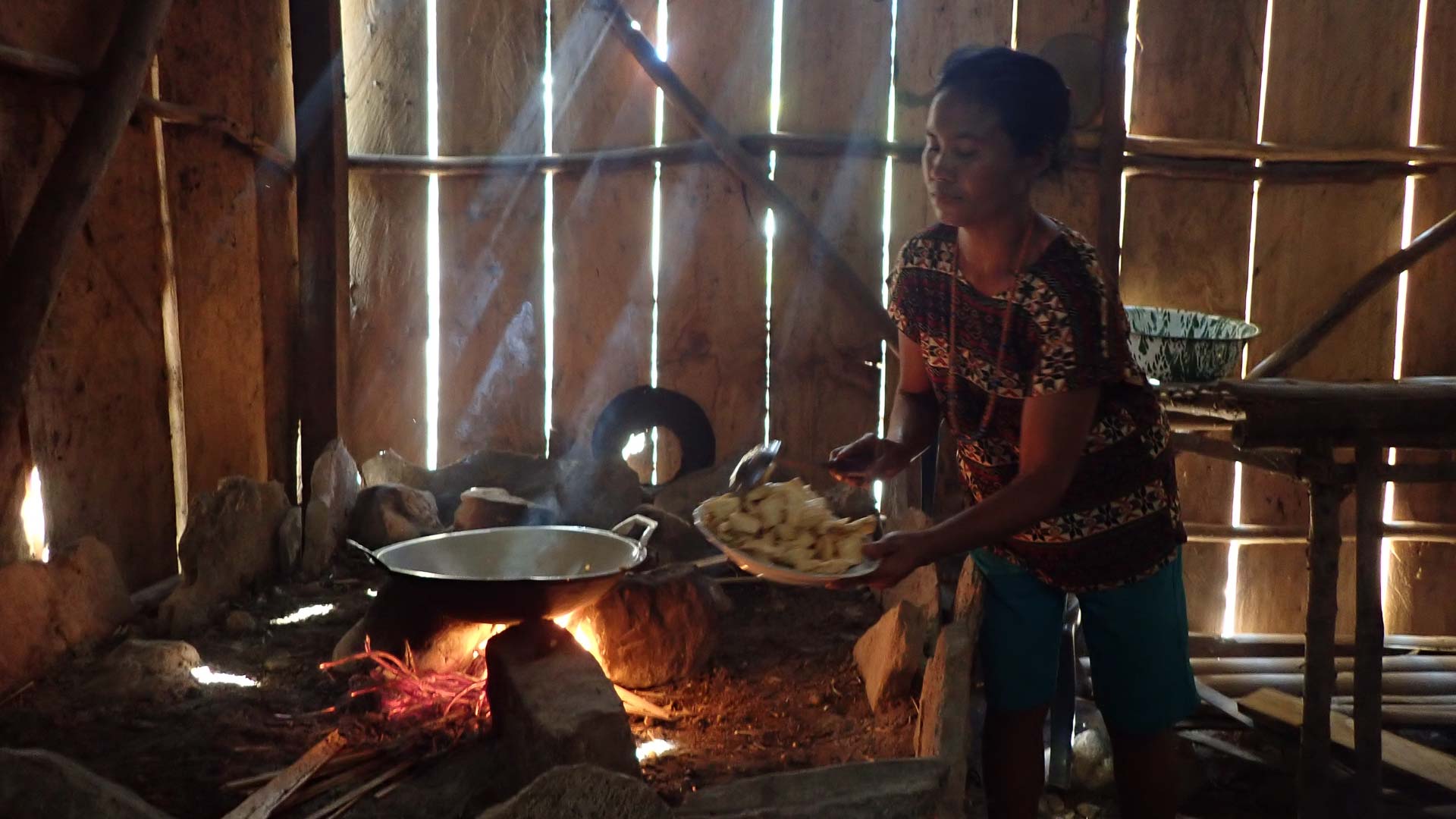
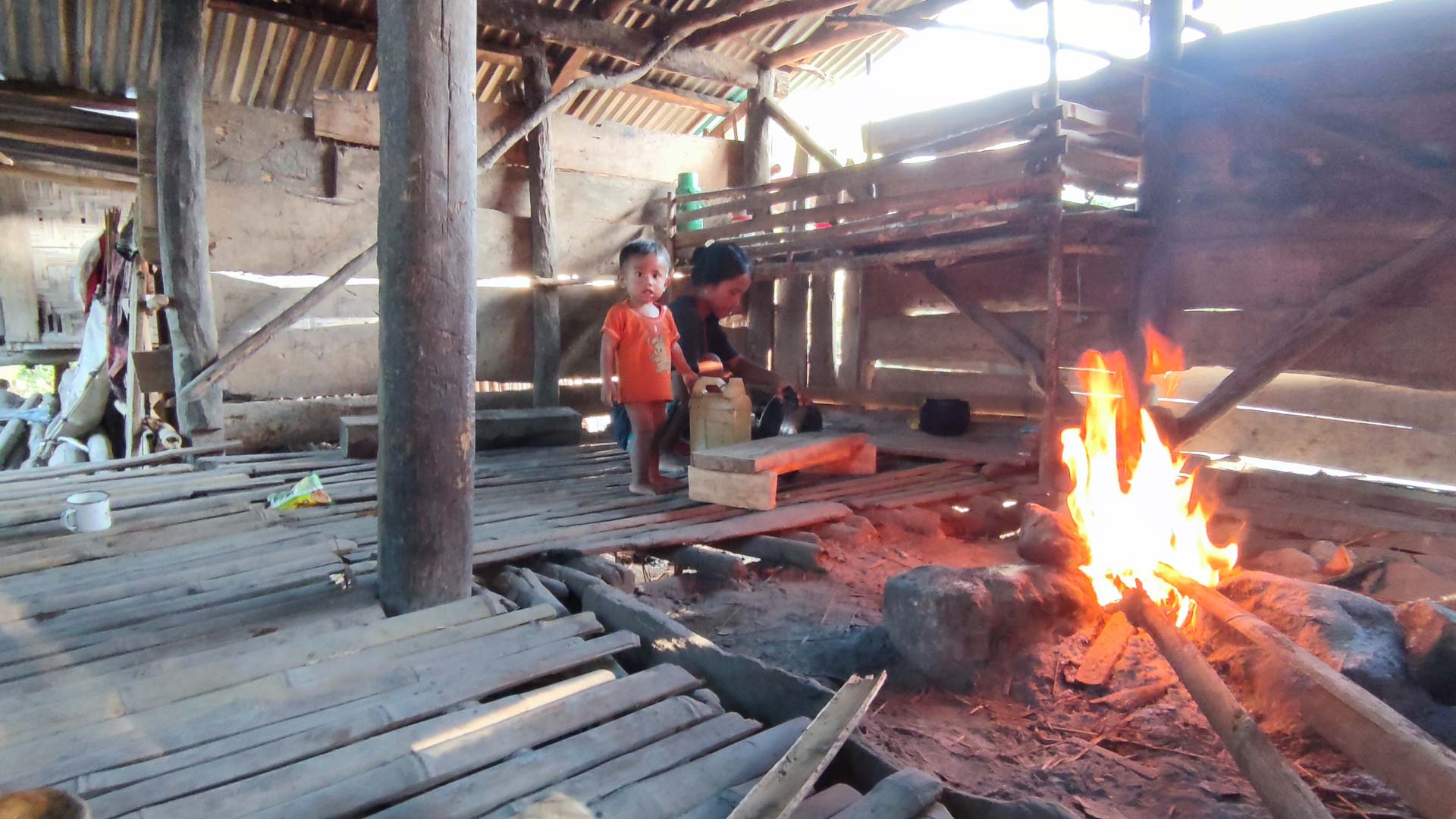
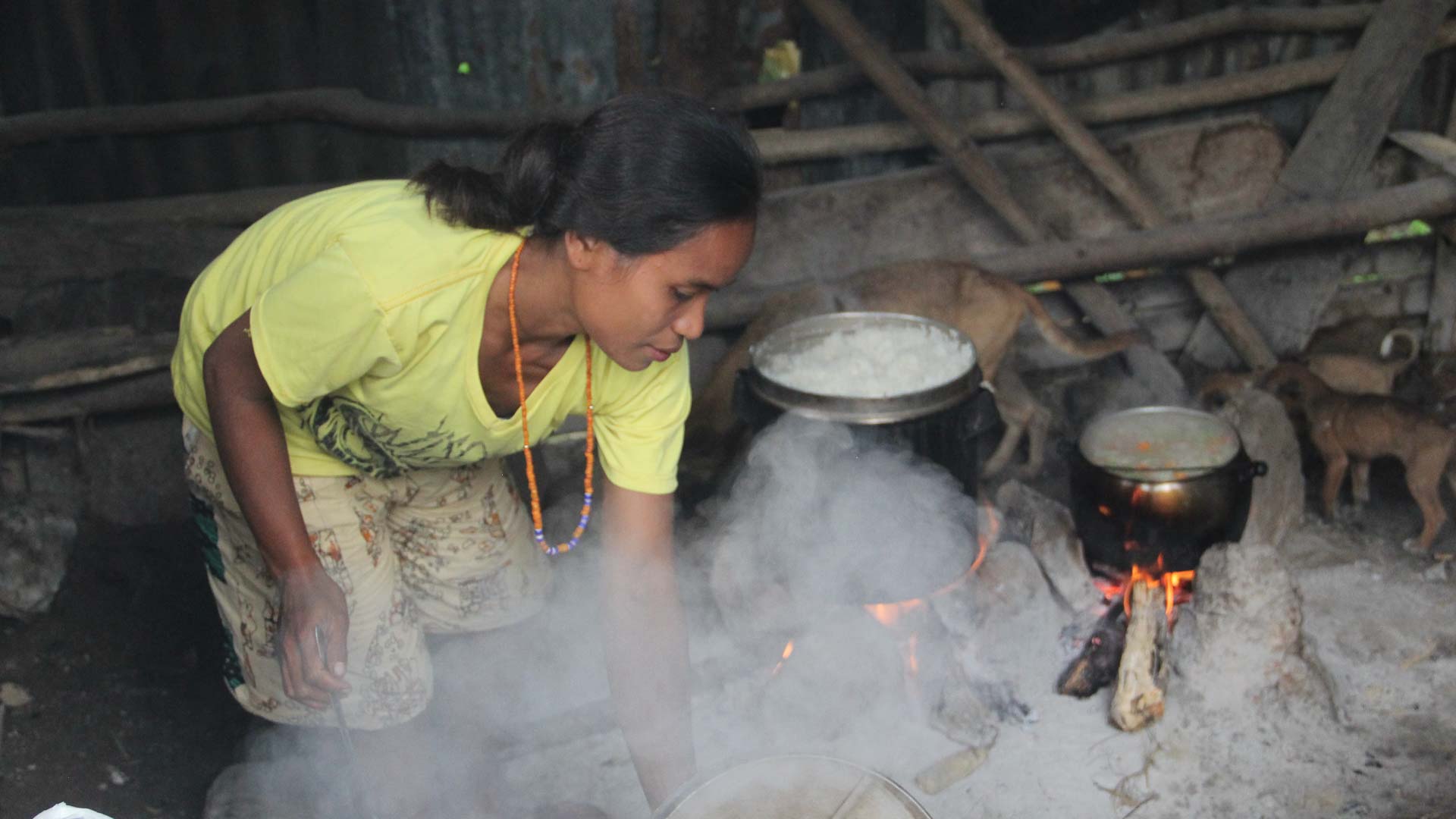
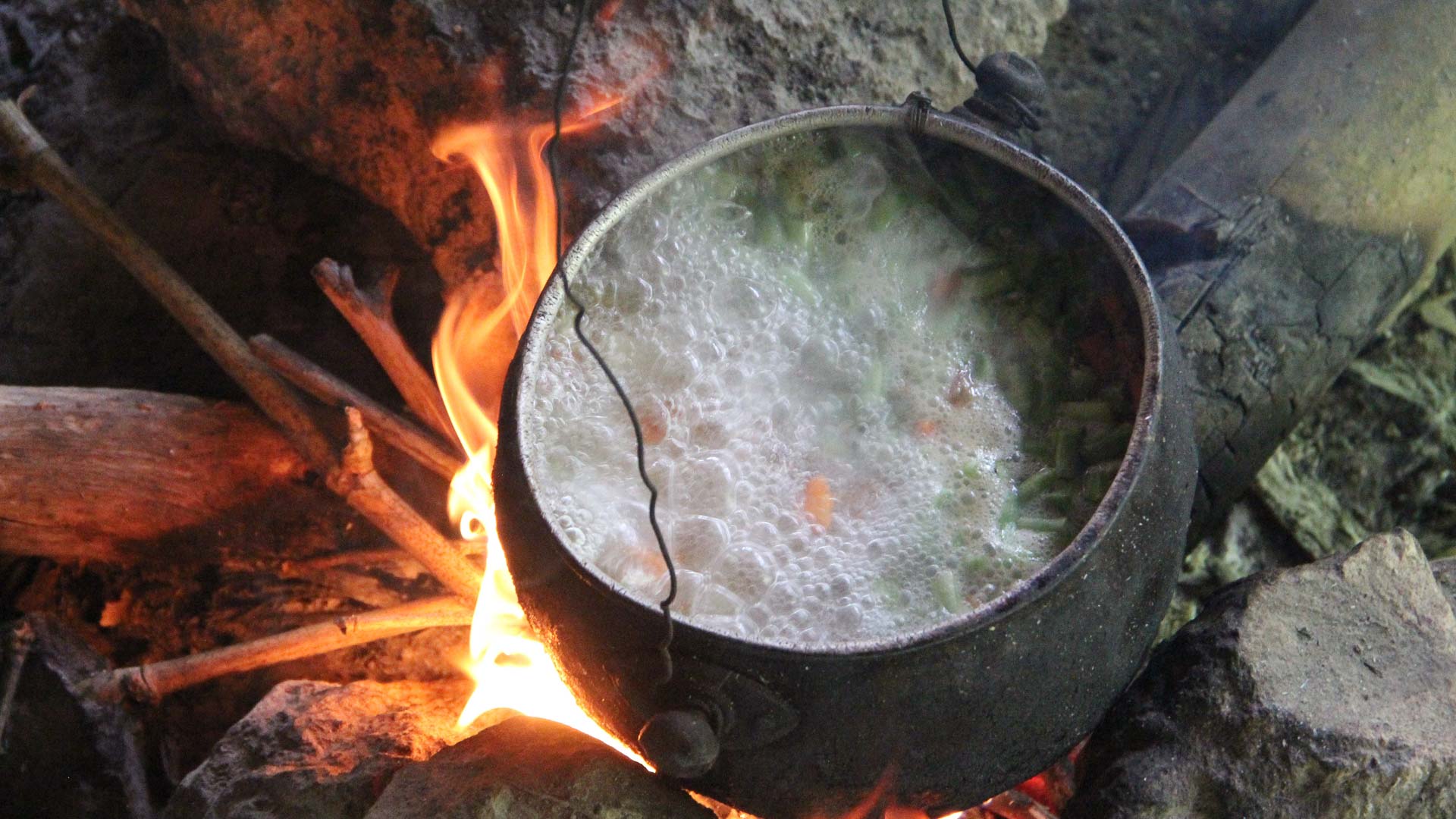
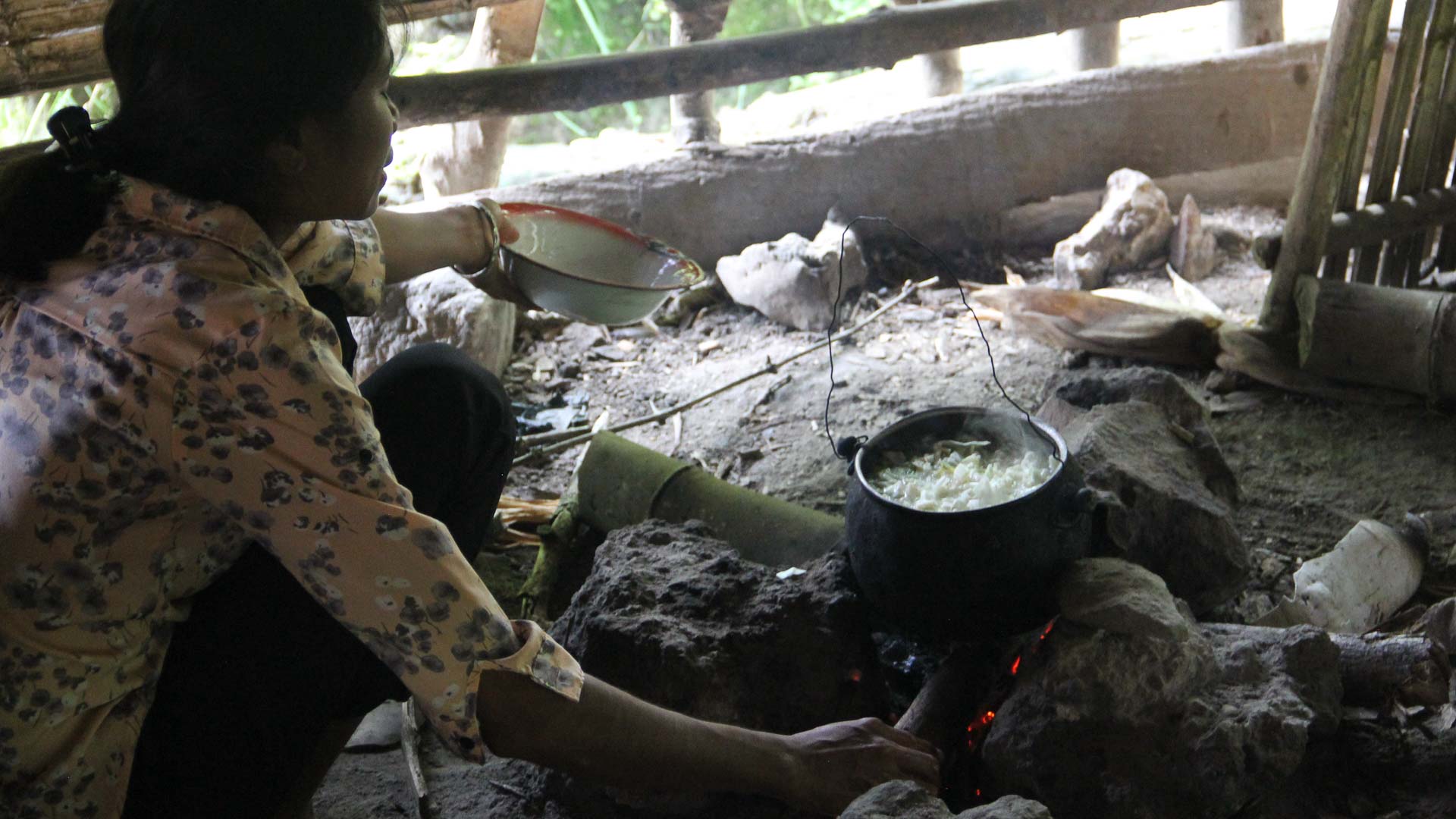
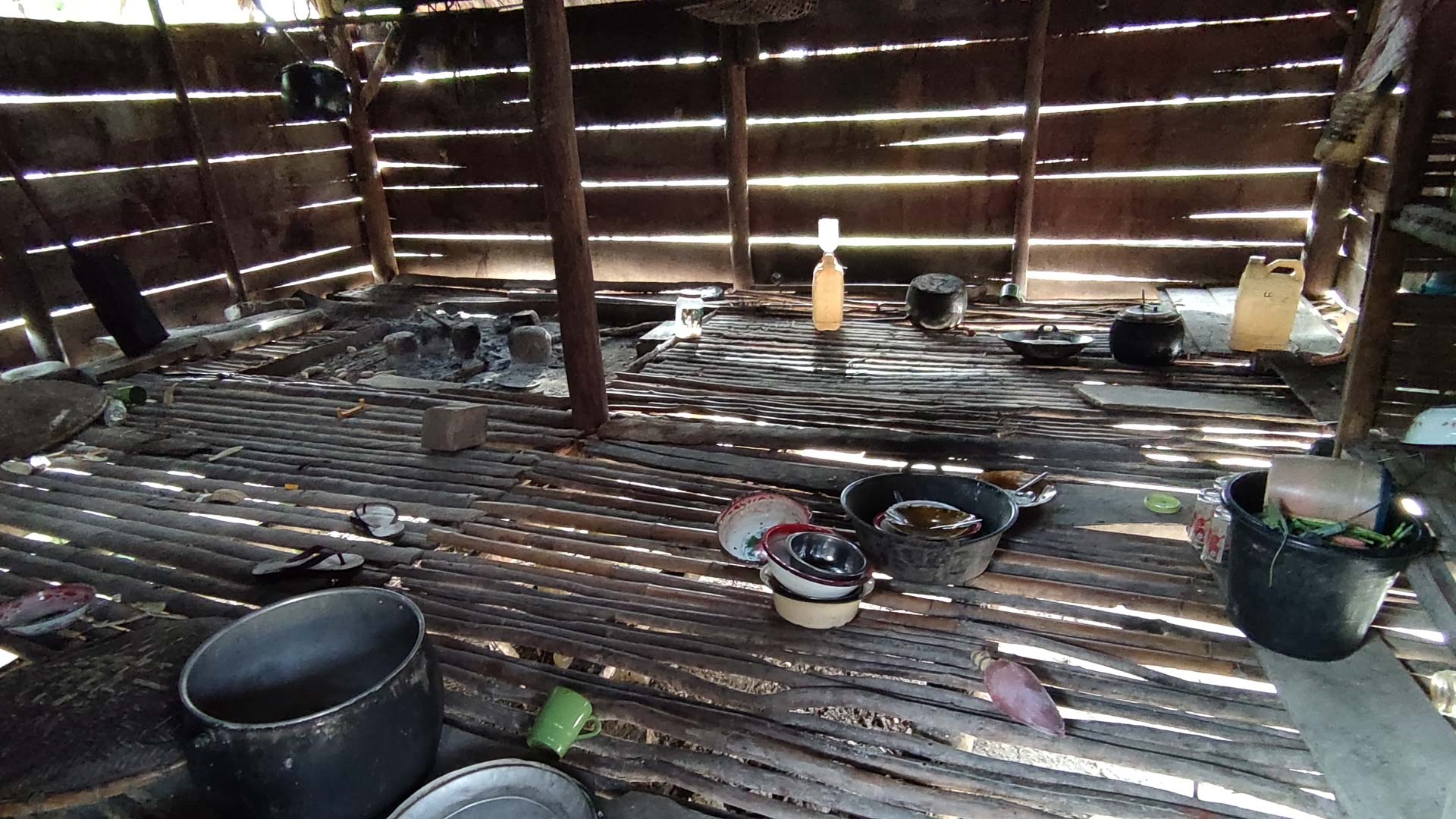
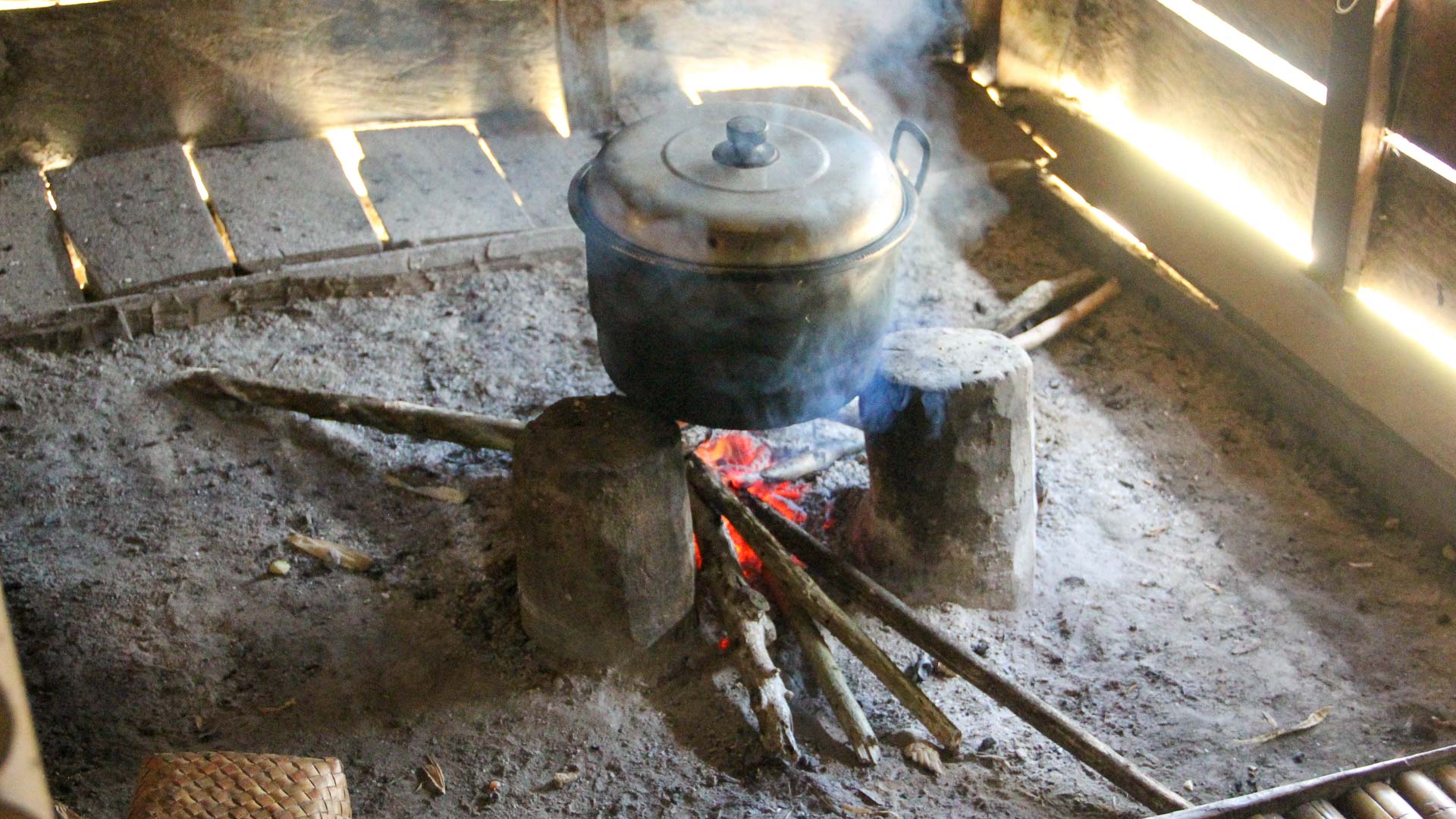
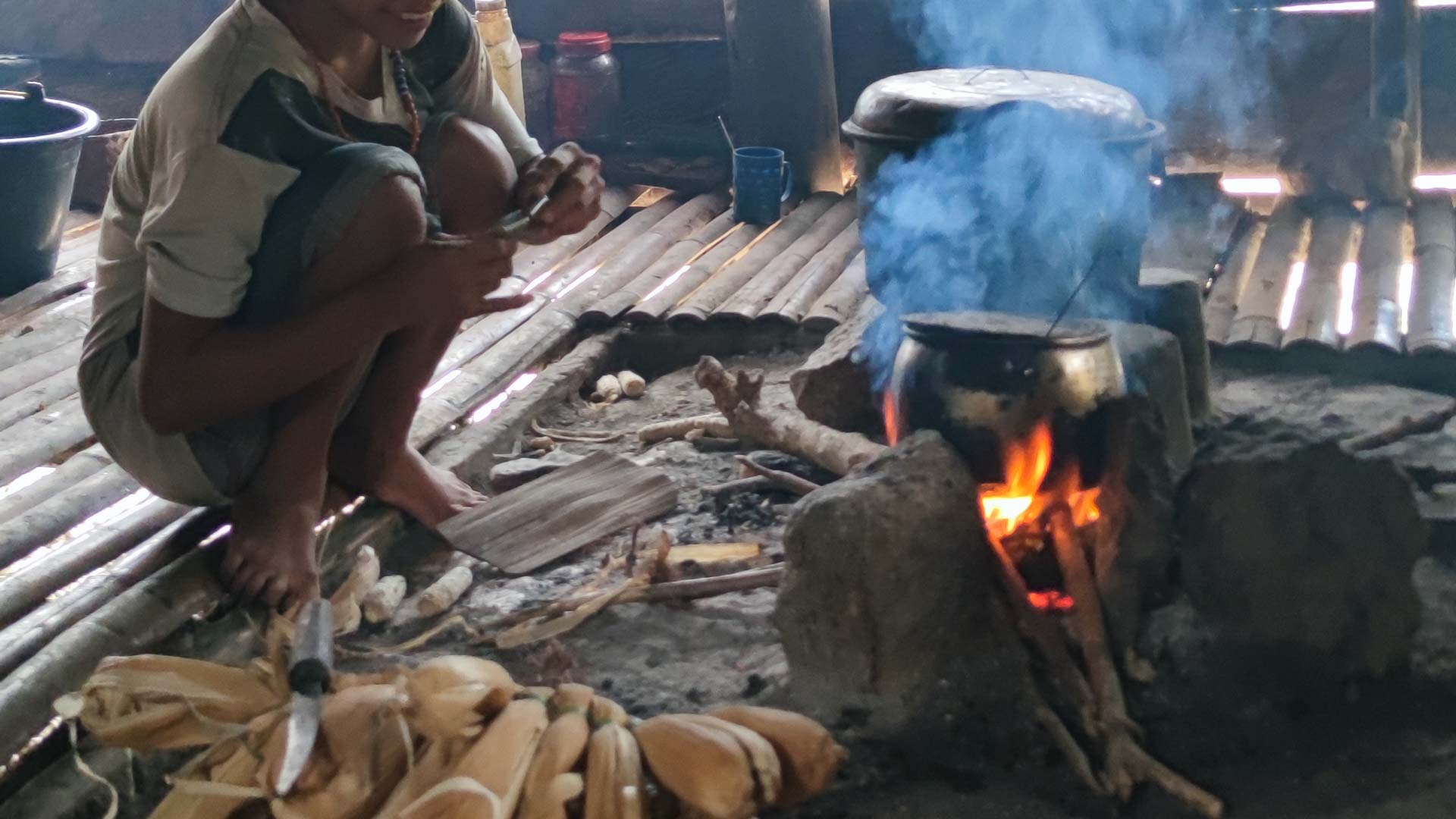
The questionnaire recorded the main cooking fuel and, where firewood was used, the location of the kitchen in relation to the home. The results are unequivocal. Firewood was nearly universal across the study villages: 71 of 72 households in Mbatakapidu, 98.6%; 88 of 90 in Kambatatana, 97.8%; 196 of 196 in Mbatapuhu; 101 of 101 in Mbinudita; 196 of 199 in Pulu Panjang; 97 of 98 in Napu; and 28 of 28 in Pambotanjara. In many of these homes, the cooking area was inside the main house or immediately beside it.
The proximity data are equally clear where available. In Mbatakapidu, every firewood user reported a kitchen in the main house or less than five metres away. The same was reported by 156 of 198 households in Mbatapuhu, 78.8%; 51 of 100 in Mbinudita, 51.0%; 127 of 199 in Pulu Panjang, 63.8%; and 27 of 28 in Pambotanjara, 96.4%. These are item-specific survey denominators, reported as such.
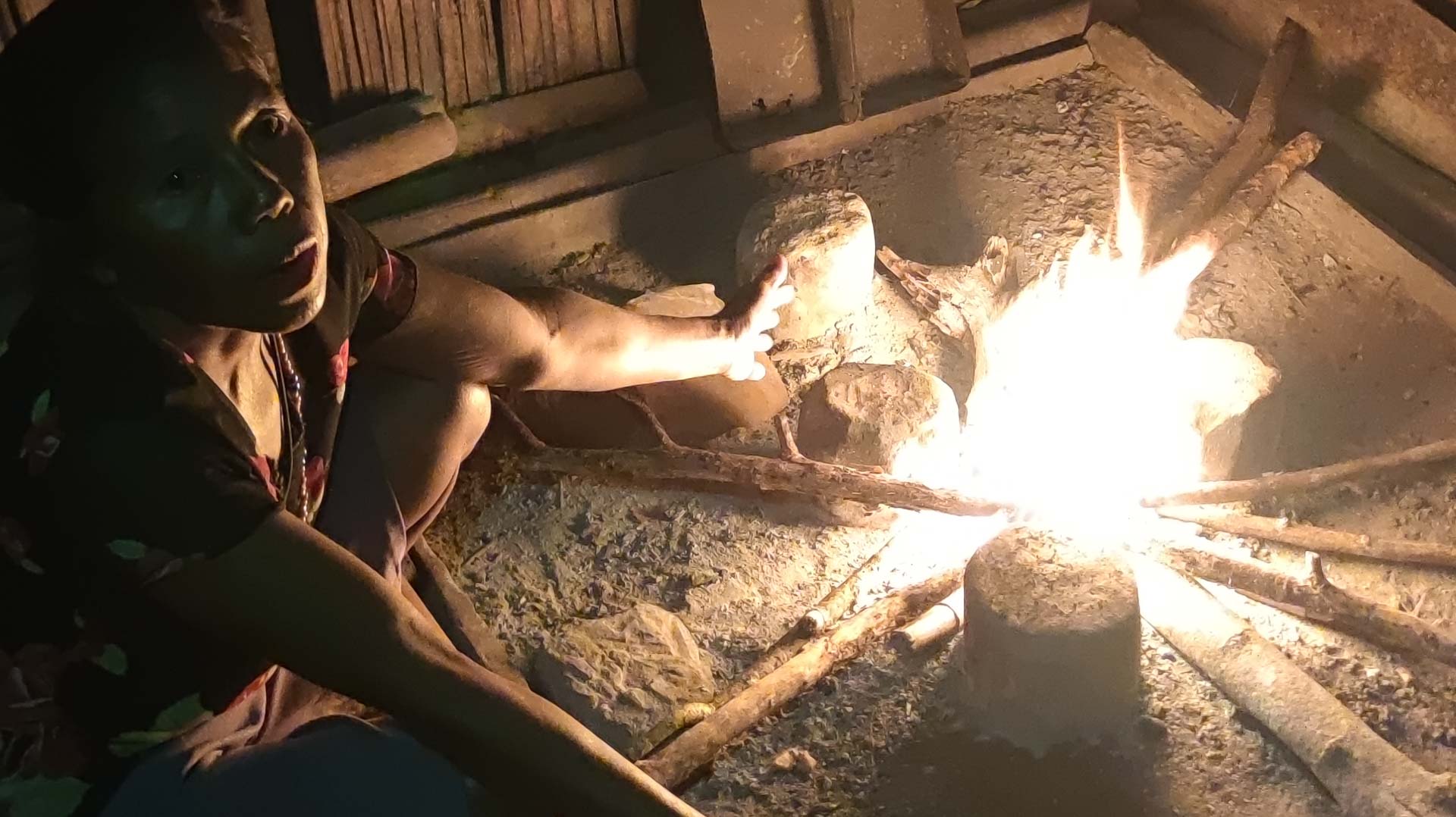
Again and again, the same scene was there. A meal prepared on a wood fire. Smoke hanging at eye level. Soot on the walls and clothes. A child sitting close to the person cooking because there is nowhere else to be. This is not an occasional exposure. For many families, it is part of every day.
A meal should not mean breathing smoke
Wood is used because it is available, familiar and affordable when other fuels are not. Some families also use minyak tanah, kerosene. Neither situation can be understood by judging people from a distance. Parents are preparing food with what they can obtain. The public-health failure is that a safer, practical alternative remains out of reach.
Burning wood releases a mixture of fine particles and toxic gases. When the cooking area is in the main house or immediately beside it, the people preparing food and the children nearby are directly exposed. The Weltgesundheitsorganisation links household air pollution to childhood pneumonia and to cardiovascular and respiratory disease. The person cooking bears a heavy part of the exposure. So do children, whose lungs are still developing and who often remain beside the fire.
Smoke does not diagnose an illness and it does not explain every cough or fever. But it is a real, preventable pressure on the airways. In a place where a serious infection may already meet long distances, limited transport and delayed access to treatment, that pressure matters.
What the Sepsis Study can say, and what it cannot
The study did measure household fuel use and the location of the kitchen for households using firewood. It did not measure indoor particle levels, the number of windows, chimneys, air flow or a standardised measure of ventilation. We will not claim that it did. Its purpose was to map the conditions that can allow infection to become dangerous before effective care is reached.
It documented 1,001 household interviews, representing 4,977 usual residents, und 162 healthcare-worker submissions. In 950 of 998 homes, 95.2%, families reported no handwashing place with both water and soap available together. In 401 of 996 homes, 40.3%, a toilet was absent or open defecation was reported. These are concrete conditions in which infection prevention becomes harder.
The kitchen belongs in the same conversation. It is where water is heated, food is made and small children spend time. In this study, the near-universal use of firewood and the documented proximity of many cooking areas to the home make household smoke an unavoidable public-health concern. The study gives us the wider pathway. The homes gave us the human reality.
Cleaner cooking is a health intervention
There is no single solution to impose from outside. A stove that cannot be repaired, a fuel that cannot be bought next month, or a ventilation design that ignores the house itself will not last. Practical change has to be built with families: safer and more efficient stoves, ventilation that truly carries smoke away, accessible clean fuels where possible, and immediate ways to keep babies and young children out of the smoke zone.
We also need to be clinically honest. Fast or difficult breathing, chest indrawing, blue lips, inability to drink, unusual sleepiness, confusion or a child becoming rapidly worse need urgent assessment. Prevention reduces risk. It never replaces access to care.
Fair Future Foundation and Kawan Baik Indonesia have worked on prevention for years through home visits, Kawan Sehat health agents and practical education. The Sepsis Study now helps us connect these observations to a documented care pathway: what happens in the home, on the road and at the first point of care. The aim is not to describe hardship more beautifully. It is to support solutions that families can use and sustain.
Today, 19 September 2026 | Alex Wettstein
In short
Across the study villages, firewood was used by 97.8% to 100% of households with available local data, and many cooking areas were documented inside the home or immediately beside it. The study did not measure ventilation or indoor particle levels. It records a daily field reality and explains why cleaner cooking, safer kitchen design and earlier access to care belong together.
Household wood cooking and smoke in East Sumba
Verified external resources
- Weltgesundheitsorganisation: Explains the health effects of household air pollution and why women and children carry a particularly high burden of exposure.
- Weltgesundheitsorganisation: Provides technical guidance on household energy, clean fuels and reducing harmful exposure from cooking.
- UNICEF Indonesien: Works with Indonesian partners on child survival, health, nutrition, water, sanitation and the conditions that protect children at home.
- Weltgesundheitsorganisation: Sets out the importance of prevention, early recognition and timely care for pneumonia in children.
- Weltgesundheitsorganisation: Defines sepsis and explains why preventing infection and reaching effective care without delay are essential.
