
Extreme heat risks in pregnancy and newborns
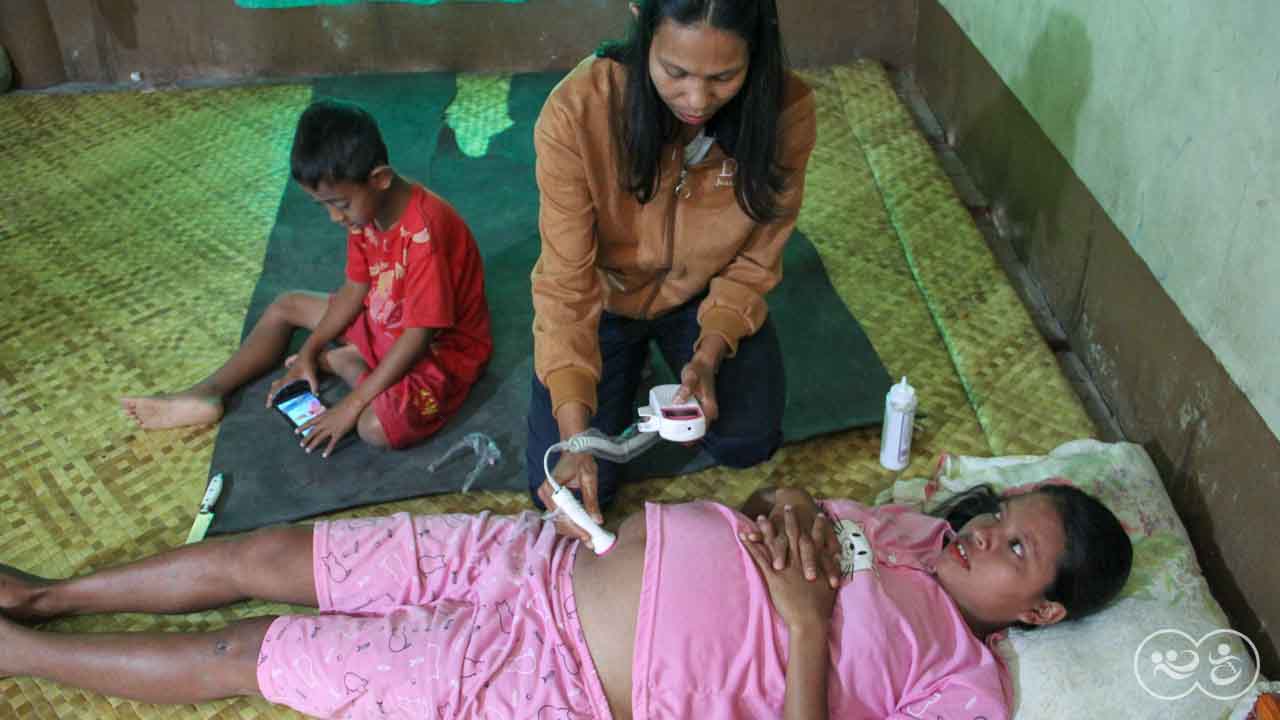
In remote East Sumba, scarce water and little shelter from heat and dust make it harder to stay cool and maintain hygiene before and after birth.
In remote East Sumba, rising temperatures add to the pressures families already face. When water is scarce and a home offers little shelter from heat and dust, it is harder to stay cool, wash hands, keep birth and recovery spaces clean, and care for a newborn.
On 21 October 2026, WHO announced a global framework to track how extreme heat affects pregnant women, newborns and children. Research links extreme heat during pregnancy to a higher risk of preterm birth.
For families living in poverty, advice to keep cool and maintain hygiene only goes so far. Reliable access to safe water, shaded and ventilated spaces, and clean places for maternity care matter before birth and in the first days of life.
Read more about climate change and health in rural Indonesia.