


Gesundheitsthemen
Dengue
Understanding dengue, watching for warning signs as fever falls, and connecting mosquito prevention with early assessment and reliable care.
Die klinische Überprüfung der Übersetzung steht noch aus. Die Genehmigung in der Ausgangssprache stimmt dieser Übersetzung nicht zu.
Wenn die Pflege nicht warten kann
Seek urgent medical care immediately for severe abdominal pain, persistent vomiting, bleeding, blood in vomit or stool, breathing difficulty, marked restlessness, faintness, unusual drowsiness, or cold and clammy skin.
A falling temperature does not always mean recovery. Warning signs can appear as fever settles. If the person cannot drink, passes very little urine or is rapidly getting worse, do not wait at home.
Understanding dengue
Dengue is caused by dengue viruses. It is usually passed to people by an infected Aedes mosquito. Some infections cause no symptoms or only mild illness. Others cause a significant fever illness, and some progress to severe dengue.
In severe disease, fluid can leak from blood vessels and circulation may fail. Serious bleeding or organ problems can also occur. Early recognition and appropriate monitoring make a substantial difference.
There are different dengue virus types. Having dengue once does not give reliable protection against all future dengue infections, and a subsequent infection can carry a higher risk of severe illness.
Dengue and severe dengue · Symptoms of dengue and testing
Origins and discovery of dengue
Illnesses resembling dengue were described long before laboratories could identify the virus. The scientific picture developed as researchers connected fever outbreaks, mosquito transmission and viruses that looked similar clinically but differed in the laboratory.
Dengue virus was first isolated in Japan in 1943. Laboratory work by Ren Kimura and Susumu Hotta helped establish its viral cause. Research by Albert Sabin and colleagues during the following years helped distinguish different dengue virus types.
These discoveries made more specific laboratory diagnosis and research possible. The distinction between virus types still matters when researchers study immunity, severe disease and vaccines.
Global spread of dengue virus types: mapping the 70-year history · Dengue virus: discovery and biology
How dengue is transmitted
A mosquito becomes infected after feeding on a person carrying dengue virus. After the virus develops inside the mosquito, another bite can pass it to someone else. Aedes mosquitoes commonly breed in water-holding containers near homes.
Bite protection matters during the day and at night. Containers used to store essential household water need proper covers and maintenance. Buckets, discarded packaging, tyres and other objects can also collect water.
Dengue does not usually spread through ordinary contact such as sharing a room, touching or coughing. Transmission around pregnancy and through infected blood can occur in particular circumstances. A clinician should assess suspected dengue during pregnancy promptly.
Symptoms of dengue
Dengue symptoms can resemble malaria and other fever illnesses. Common symptoms include:
- Fever with headache or pain behind the eyes.
- Muscle, joint or body pain.
- Nausea, vomiting or reduced appetite.
- A rash and substantial tiredness.
Symptoms alone cannot confirm dengue or reliably exclude another infection. Tell the health team where you live, any recent travel, when fever began and which medicines have been taken.
Continue watching the person as the fever settles. Severe abdominal pain, repeated vomiting, bleeding, breathing difficulty or a change in alertness requires immediate assessment. Severe dengue may develop after an initially ordinary-looking fever.
Symptoms of dengue and testing
When and where to seek care
Seek clinical assessment for possible dengue. Babies, pregnant women, older people, people with important underlying conditions and anyone unable to maintain drinking need particular attention. A remote household also needs a realistic plan for reassessment and transport.
The team assesses circulation, hydration, bleeding, breathing and overall condition. Testing may look for viral genetic material, dengue antigen or antibodies. The choice and interpretation depend partly on the day of illness and local laboratory capacity.
A negative result does not always exclude dengue. Clinicians may arrange repeat assessment, other tests or evaluation for another cause of fever. Warning signs take priority over reassurance from an earlier test.
Dengue and severe dengue · Symptoms of dengue and testing · Dengue clinical care
Treatment and monitoring
There is no routine specific antiviral treatment for dengue. Care focuses on the person’s condition, safe hydration, symptom relief and early recognition of complications. A clinician decides whether home monitoring or hospital care is appropriate.
For someone assessed as suitable for home care, rest and regular fluids are important. Use safe drinking water and the fluids recommended by the team. Ask how much is appropriate for the person’s age and any heart or kidney condition.
Paracetamol may be used for pain or fever when appropriate and according to professional advice or the product instructions. Avoid aspirin and ibuprofen for suspected dengue because they can increase bleeding risk. Check combination products to avoid taking the same medicine twice.
A person with severe dengue may need carefully monitored intravenous fluids and hospital treatment. Uncontrolled fluid administration can also cause harm, so this requires trained clinical care. Antibiotics do not treat dengue virus, although another diagnosed infection may need its own treatment.
Dengue and severe dengue · Managing dengue · Dengue clinical care
Keeping the recovery plan clear
Ask when the next assessment should happen, what changes need immediate return and whom to contact if drinking becomes difficult or the person deteriorates. Families should not have to guess whether a new symptom is important.
Tiredness can continue after the fever illness. Persistent or worsening symptoms need reassessment. During the illness, protect the patient from mosquito bites so mosquitoes are less likely to acquire the virus and pass it to someone else.
Symptoms of dengue and testing · Managing dengue
Preventing dengue
- Reduce mosquito breeding around the home. Empty, scrub or remove unnecessary water-holding containers and dispose of waste safely.
- Protect essential stored water. Cover containers well and follow local guidance for cleaning and maintenance.
- Prevent bites. Use suitable repellent as directed, covering clothing and screens where possible. A bed net can protect someone sleeping during the day.
- Support community action. Mosquito control works better when neighbouring homes, schools and public spaces take part.
- Ask about vaccination. Eligibility depends on the vaccine, age, transmission setting, medical history and national recommendations. Vaccination does not replace mosquito protection or assessment of fever.
Dengue and severe dengue · Preventing dengue
Dengue prevention in ultra-rural East Sumba
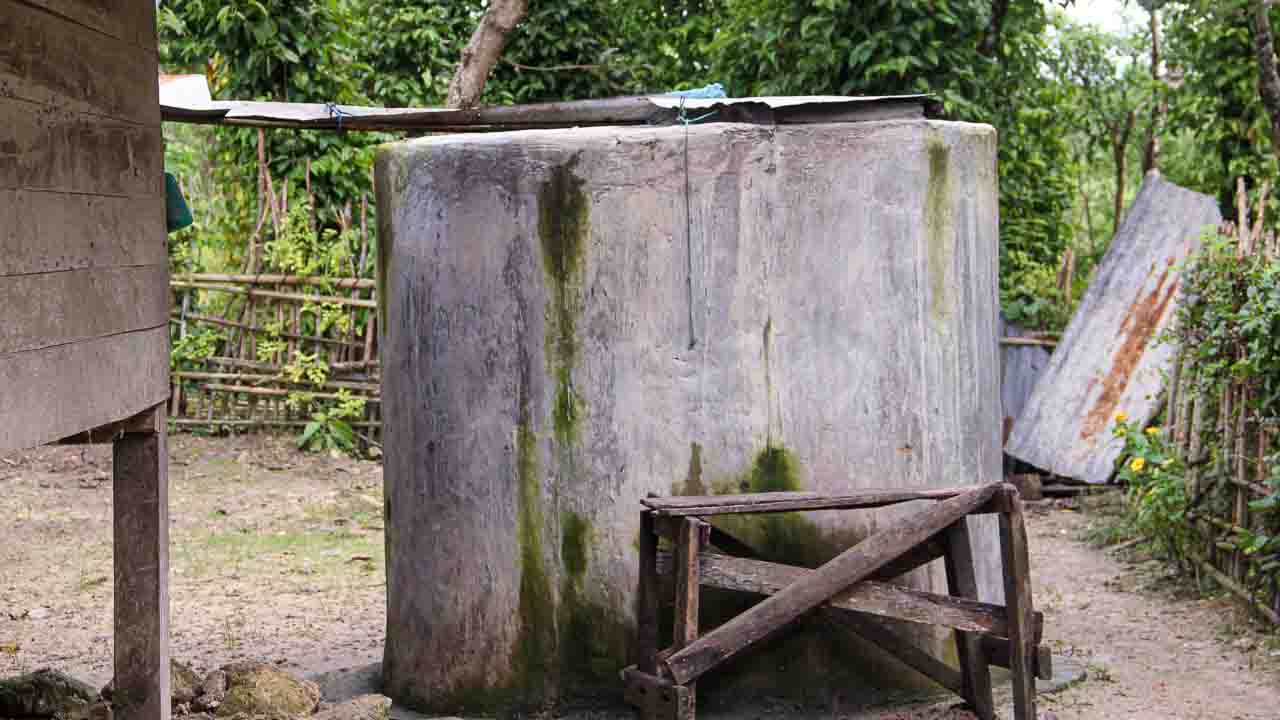
A family may need to store water because the next reliable source is far away. Prevention advice has to recognise that reality. Telling people to remove every container is not useful if those containers hold their drinking water.
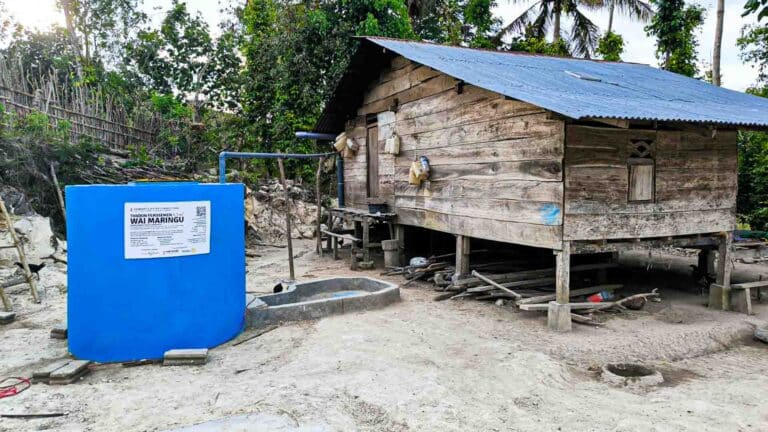
Unsere Water Connections work links reliable supply with protected storage, inspectable tanks and drainage that avoids standing water. Agenten von Kawan Sehat help explain prevention and recognise when fever needs assessment.
Kawan gegen Malaria brings experience in mosquito prevention and community follow-up. Dengue and Malaria need different diagnostic and treatment decisions: the mosquitoes, causes and medicines are not interchangeable.
Durch Primary Medical Care, medical supervision and referral remain part of the same response. In the ultra-rural east of Indonesia, a follow-up instruction needs a workable route back to care, including when weather or transport makes that difficult.
Water Connections · Primary Medical Care
Questions for the health centre
- Is dengue suspected, and which other causes of fever are being considered?
- Which test is appropriate at this stage of the illness?
- Can the person be monitored at home, and when is the next assessment?
- Which fluids and medicines are safe?
- Which changes mean immediate return, even if the fever has stopped?
Verwandte Programme und Feldressourcen
Programm
Water Connections für ländliche Dörfer
Connect reliable water, protected storage and environmental prevention.
Programm
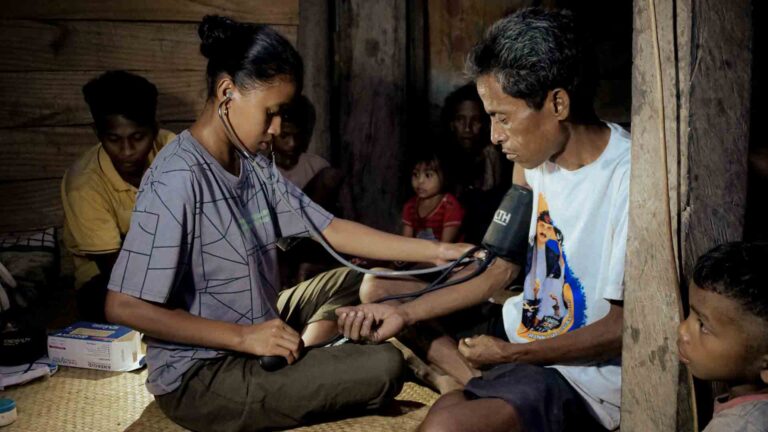
Kawan Sehat-Landesärzte
Learn how village agents support prevention, assessment and referral.
Programm
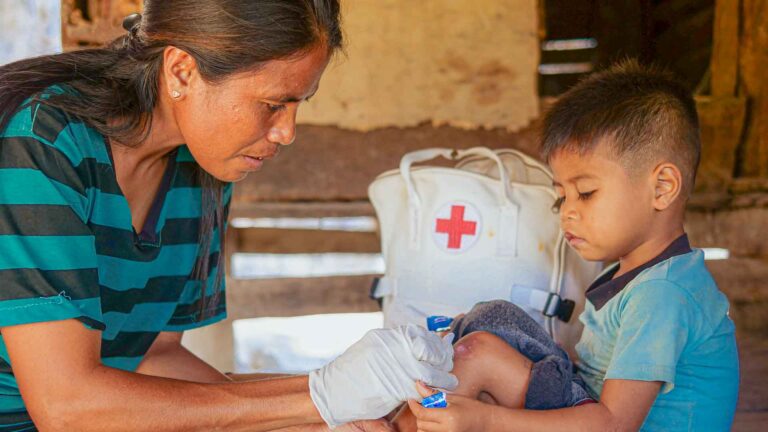
Primary Medical Care in abgelegenen Gebieten
Understand the pathway from fever assessment to appropriate medical care.
Referenzquellen
- Dengue and severe dengueWeltgesundheitsorganisationBefragt
- Symptoms of dengue and testingZentren für die Kontrolle und Prävention von KrankheitenBefragt
- Managing dengueZentren für die Kontrolle und Prävention von KrankheitenBefragt
- How dengue spreadsZentren für die Kontrolle und Prävention von KrankheitenBefragt
- Preventing dengueZentren für die Kontrolle und Prävention von KrankheitenBefragt
- Global spread of dengue virus types: mapping the 70-year historyMessina and colleagues, Trends in MicrobiologyBefragt
- Dengue virus: discovery and biologyResearch reference, NCBI PubMed CentralBefragt
- Dengue clinical careZentren für die Kontrolle und Prävention von KrankheitenBefragt
- Water ConnectionsFair Future FoundationBefragt
- Primary Medical CareFair Future FoundationBefragt
Allgemeine Gesundheitsinformationen, keine individuelle Diagnose oder Verschreibung.
