Antimikrobielle Resistenz
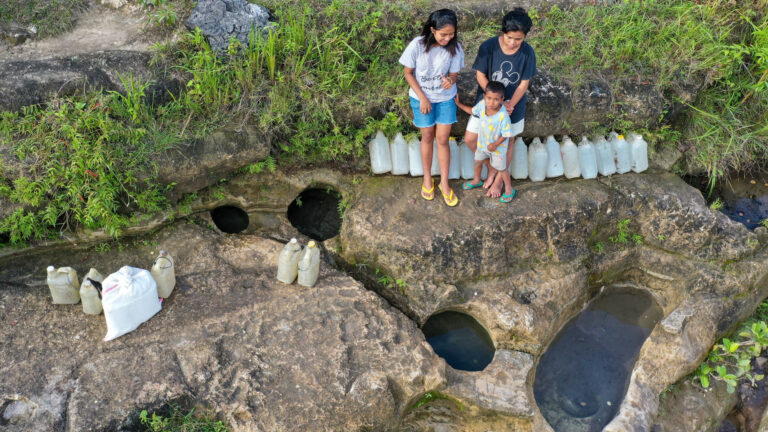
Understanding why some infections become harder to treat, using medicines carefully, and protecting access to effective care in remote communities.


HEALTH & COMMUNITY CARE
Klare Gesundheitsinformationen, basierend auf medizinischem Wissen und den alltäglichen Realitäten der Pflege in Ost-Sumba.
These health topics explain illnesses that affect the communities we work with: what causes them, how to recognise them, when to seek care, and how prevention and treatment can help.
They bring together reliable medical sources and practical experience from Primary Medical Care und unser Kawan Sehat Gesundheitsbeauftragte. Use these health sheets to understand a condition, prepare questions for the health centre and share clear information with others. They support health education and disease prevention at home, in schools and during community visits.
Find a condition. Understand the next step.
23 health sheets
Understanding why some infections become harder to treat, using medicines carefully, and protecting access to effective care in remote communities.
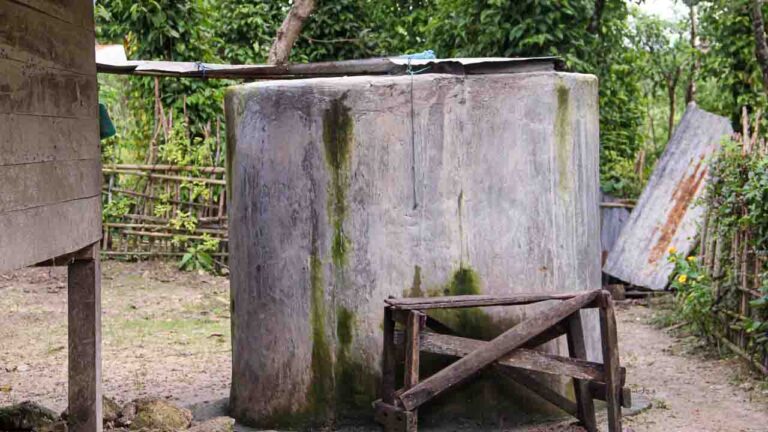
Understanding how a changing climate affects health, and how water, nutrition, prevention and access to care can protect rural families.
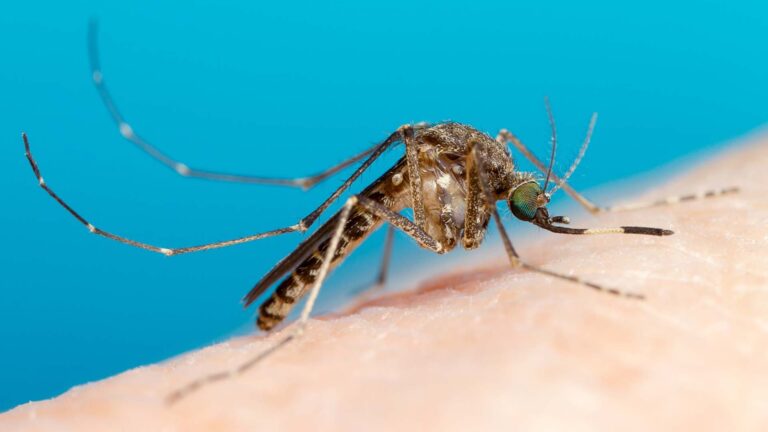
Understanding dengue, watching for warning signs as fever falls, and connecting mosquito prevention with early assessment and reliable care.
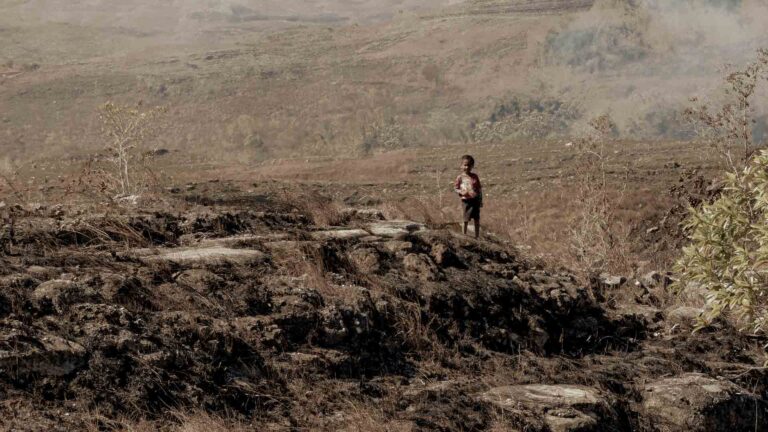
Recognising heat illness, cooling someone safely, and reducing the risks created by extreme heat, difficult work and limited access to water.
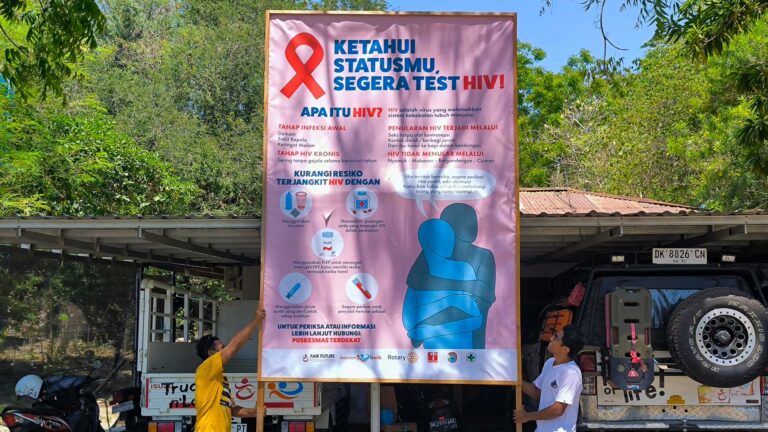
Understanding HIV and AIDS, recognising when to seek care, and making prevention, testing and lasting treatment accessible to everyone.
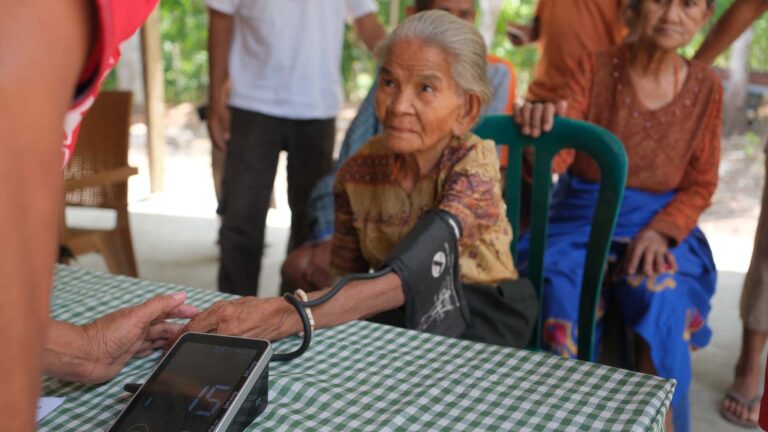
Understanding high blood pressure, why a person may feel well despite it, and how regular checks, treatment and follow-up protect long-term health.
Understanding a mosquito-borne infection that can affect the brain, recognising neurological warning signs, and protecting access to vaccination and urgent care.
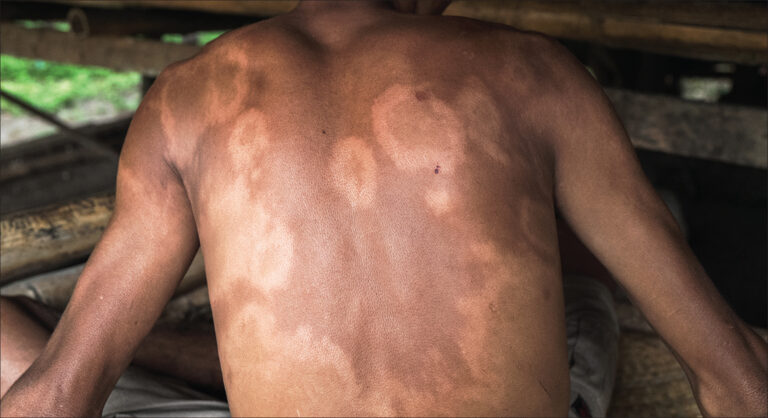
Understanding a curable infection of the skin and nerves, recognising early changes, and protecting function and dignity through treatment and follow-up.
Understanding malaria, recognising symptoms early, and connecting prevention, testing and effective treatment with care people can reach.
Understanding malnutrition, recognising changes in growth and health, and connecting appropriate treatment with food, safe water and continuing care.
Understanding menstruation, recognising symptoms that deserve care, and protecting comfort, privacy and participation in daily life.
Understanding the connections between people, animals and the environment, and turning shared risks into practical prevention and appropriate care.
General health information. For symptoms, urgent concerns or a treatment decision, seek assessment from a qualified healthcare professional.