


Gesundheitsthemen
Hypertension
Understanding high blood pressure, why a person may feel well despite it, and how regular checks, treatment and follow-up protect long-term health.
Die klinische Überprüfung der Übersetzung steht noch aus. Die Genehmigung in der Ausgangssprache stimmt dieser Übersetzung nicht zu.
Wenn die Pflege nicht warten kann
Seek emergency care immediately for new weakness of the face or an arm, speech difficulty, chest pain, severe breathlessness, confusion, seizures or sudden major changes in vision. These symptoms need care even if a blood pressure reading is unavailable.
During pregnancy or after childbirth, a severe headache, visual disturbance, severe upper abdominal pain or breathing difficulty needs urgent assessment. Do not wait for a routine follow-up appointment.
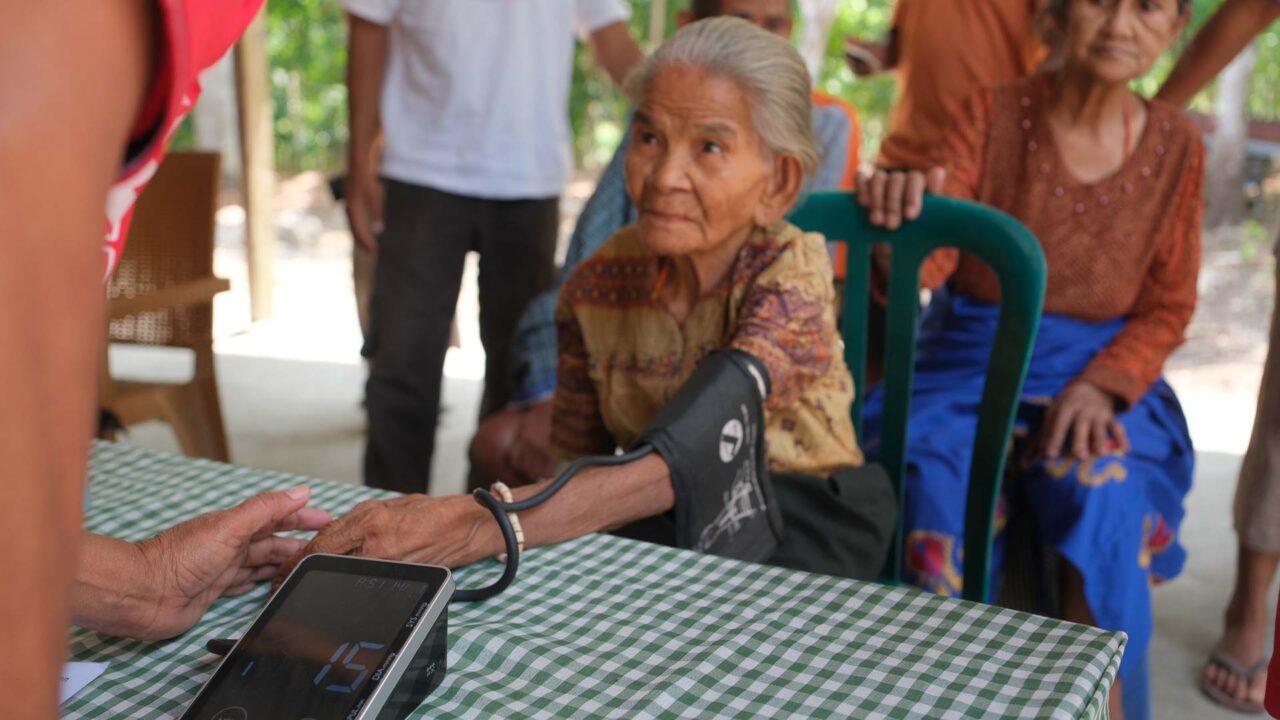
Understanding hypertension
Blood pressure is the force of circulating blood against artery walls. Hypertension means that this pressure remains too high over time. It makes the heart and blood vessels work under greater strain and can damage organs.
A reading has two values. The upper, systolic value relates to the heart pumping; the lower, diastolic value relates to the pressure between beats. A clinician interprets both values using the appropriate national guidance and the person’s circumstances.
Blood pressure varies during the day. Pain, stress, activity, caffeine and measurement technique can change a result. A diagnosis usually needs correctly taken repeat measurements, sometimes including measurements at home or over a longer period.
Hypertension fact sheet · About high blood pressure · Measuring your blood pressure
How doctors learned to measure blood pressure
Recognising hypertension became possible when blood pressure could be measured practically and repeatedly, rather than estimated from the pulse alone.
In 1896, Scipione Riva-Rocci introduced a practical inflatable arm-cuff method. In 1905, Nikolai Korotkoff described the sounds heard with a stethoscope as cuff pressure falls, helping clinicians determine systolic and diastolic pressure.
Later research connected persistent elevation with organ damage and showed that treatment could reduce risk. Modern automatic monitors use a different detection method, but correct cuff size and careful technique remain central to a useful reading.
Evolution of blood pressure clinical practice guidelines and measurement
Symptoms and risks to recognise
Most people with hypertension do not feel symptoms. A person may work, walk and feel entirely well while blood pressure remains elevated. Waiting for a headache is not a reliable way to detect or monitor it.
Over time, uncontrolled pressure can contribute to stroke, heart disease, heart failure and kidney damage. This is why routine checks and continued care matter before someone feels ill.
Very high pressure can sometimes occur with severe symptoms. New chest pain, breathing difficulty, confusion, weakness, speech or vision changes require urgent assessment. These signs can also have causes other than hypertension and should not be self-diagnosed.
Hypertension fact sheet · About high blood pressure · High blood pressure
Why blood pressure becomes high
Age, family history, a high-salt diet, insufficient physical activity, tobacco use, harmful alcohol use and excess body weight can contribute. Kidney disease, sleep problems, some hormonal conditions and certain medicines may also play a role.
Pregnancy-related hypertension needs its own assessment and treatment plan. Tell the team about pregnancy, plans for pregnancy and breastfeeding, as these affect which medicines are suitable.
Risk factors guide care; they are not a reason to blame a patient. Food choices, safe places to exercise, transport and medicine supplies are shaped by the circumstances in which a person lives.
Hypertension fact sheet · High blood pressure · Preventing high blood pressure
Getting a reliable blood pressure check
Ask for a check at a health centre or another service with trained staff and a suitable monitor. A properly sized cuff on the upper arm and a supported seated position help make the measurement reliable.
Before the measurement, rest quietly and avoid talking during the reading. Follow the team’s instructions about recent exercise, caffeine and smoking. A full bladder, unsupported arm or wrong cuff size can affect the result.
A single reading is part of an assessment, not the whole diagnosis. The clinician may repeat it, arrange home monitoring, assess heart and kidney health and discuss other cardiovascular risks. Bring previous readings and a list of medicines if available.
Treatment and long-term follow-up
Treatment combines appropriate daily habits with medicine when needed. The aim is to reduce the risk of future harm, rather than simply make a person feel different that day.
The clinician selects a treatment target and one or more medicines according to blood pressure, other illnesses, pregnancy, kidney function and other needs. Tests and follow-up may be needed to check effectiveness and safety.
Take medicines as currently prescribed and discuss side effects or supply problems promptly. Do not stop because the pressure has improved or because there are no symptoms. A good reading can mean the treatment is working.
If a refill will be difficult to obtain, tell the team before tablets run out. Ask what to do after a missed dose and when to return. Do not double a dose or take someone else’s medicine without appropriate advice.
High blood pressure · Managing high blood pressure
Prevention and everyday care
- Reduce salt where practical. Include salt added in cooking and salty packaged foods or seasonings in the discussion.
- Choose a varied diet with vegetables, fruit and other appropriate nutritious foods that are locally available.
- Keep physically active in a way suited to health and ability. Ask for guidance if symptoms or other disease limit activity.
- Avoid tobacco and reduce harmful alcohol use. Support is useful when changing an established habit.
- Keep follow-up appointments and a record of readings. Share concerns about medicines, affordability and access.
People with heart or kidney disease may need individual advice about food, fluids and salt substitutes. Check before using supplements or products advertised as a cure for blood pressure.
Preventing high blood pressure · Managing high blood pressure
Keeping follow-up possible in ultra-rural communities
In East Sumba, a blood pressure check can happen during a home visit or a community care day. The value of that check depends on what follows: a clear explanation, a confirmed assessment when needed, appropriate treatment and a reliable refill plan.
Durch Primary Medical Care und Agenten von Kawan Sehat, Fair Future connects village-level observation with medical supervision and referral. An agent works within the measurements, training and protocols they are authorised to use.
Unsere offline medical applications support records that can travel with the care pathway. A series of properly documented readings is more useful than an unexplained number remembered from a previous visit.
Die Verbindung mit Nahrungsergänzung and community health education matters too. Advice must be workable with the food, transport and time available to a family in the ultra-rural east of Indonesia.
Primary Medical Care · Kawan Sehat rural health agents
Questions for your next consultation
- What do these readings mean, and how will the diagnosis be confirmed?
- What is my treatment target and when should pressure be checked again?
- How should I take each medicine, and what side effects should I report?
- Do I need blood or urine tests?
- What is the plan if I cannot obtain a refill or reach the next appointment?
Verwandte Programme und Feldressourcen
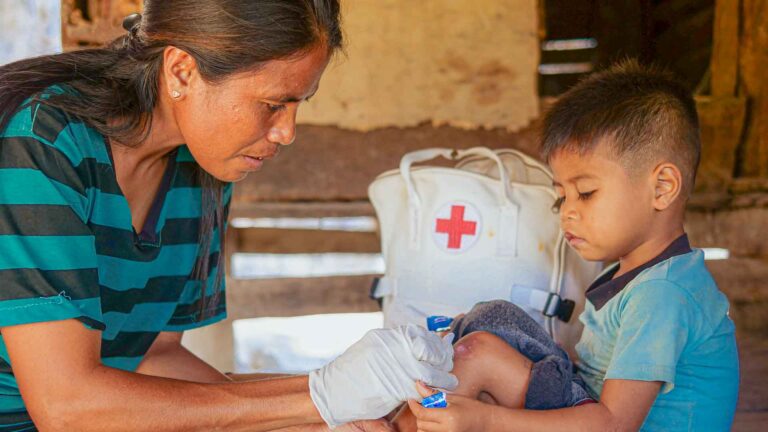
Programm
Primary Medical Care in abgelegenen Gebieten
Explore supervised primary care and follow-up for chronic conditions.
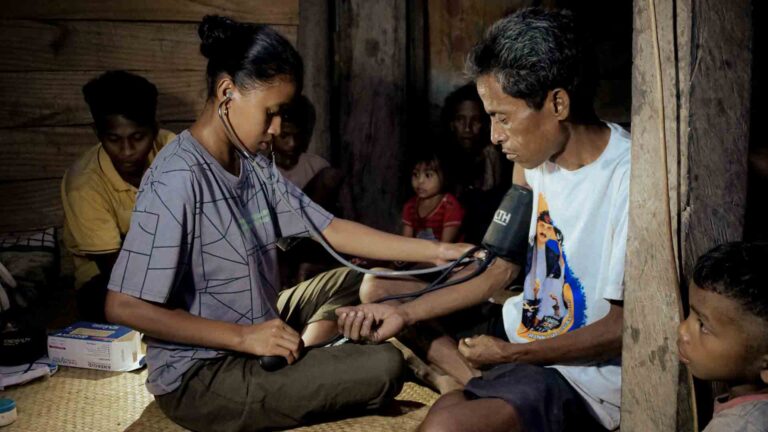

Programm
Nahrung und Lebensmittel für abgelegene Dörfer
Connect nutrition and practical daily habits with long-term health.
Artikel
Kawan Sehat Medizinische App – Offline-Betreuung in ländlichen Regionen
See how offline medical records support continuity between visits.
Referenzquellen
- Hypertension fact sheetWeltgesundheitsorganisationBefragt
- About high blood pressureZentren für die Kontrolle und Prävention von KrankheitenBefragt
- High blood pressureNationales GesundheitsdienstBefragt
- Measuring your blood pressureZentren für die Kontrolle und Prävention von KrankheitenBefragt
- Preventing high blood pressureZentren für die Kontrolle und Prävention von KrankheitenBefragt
- Managing high blood pressureZentren für die Kontrolle und Prävention von KrankheitenBefragt
- Evolution of blood pressure clinical practice guidelines and measurementResearch reference, NCBI PubMed CentralBefragt
- Primary Medical CareFair Future FoundationBefragt
- Kawan Sehat rural health agentsFair Future FoundationBefragt
- Pre-eclampsiaNationales GesundheitsdienstBefragt
Allgemeine Gesundheitsinformationen, keine individuelle Diagnose oder Verschreibung.
