


Gesundheitsthemen
Heat and health
Recognising heat illness, cooling someone safely, and reducing the risks created by extreme heat, difficult work and limited access to water.
Die klinische Überprüfung der Übersetzung steht noch aus. Die Genehmigung in der Ausgangssprache stimmt dieser Übersetzung nicht zu.
Wenn die Pflege nicht warten kann
Suspect heatstroke and seek emergency care immediately if a person exposed to heat becomes confused, has a seizure, collapses or loses consciousness. Sweating may still be present. Do not wait for a thermometer reading before acting.
Move the person to a cooler, shaded place, remove unnecessary clothing and start cooling with water and airflow while help is arranged. Follow emergency instructions. Give nothing by mouth to someone who is confused, drowsy or unable to swallow safely.
About heat and your health · Heat-related illnesses · Heat exhaustion and heatstroke

Understanding heat and health
Heat illness develops when the body cannot lose enough heat to remain safe. Physical work, hot surroundings, humidity, direct sun, heavy clothing and limited airflow can all contribute. Heat can also worsen heart, kidney, breathing and other long-term conditions.
Sweating and changes in circulation help the body release heat. They require enough fluid and place demands on the cardiovascular system. Humid air can make sweat less effective at cooling the skin.
Heat exhaustion can cause weakness, dizziness, nausea and heavy sweating. Heatstroke is a medical emergency in which excessive heat is associated with brain dysfunction, such as confusion, seizures or loss of consciousness. A person with heatstroke can still sweat.
Heat and health fact sheet · About heat and your health · Heat-related illnesses
Who needs particular protection?
Babies, older people, pregnant women, people with chronic disease and people taking certain medicines may be more vulnerable. So are people doing strenuous outdoor work, living in hot housing or travelling long distances without reliable water.
Illness, dehydration and an abrupt increase in physical effort can add risk. A person who is used to a hot climate can still become seriously unwell.
Some medicines affect fluid balance, sweating or the body’s response to heat. Ask the treating team whether an individual heat plan is needed. Do not stop a prescribed medicine without advice.
Heat and health fact sheet · About heat and your health
Symptoms to recognise
- Unusual thirst, weakness, dizziness or headache.
- Muscle cramps, nausea or vomiting.
- Heavy sweating, rapid pulse or difficulty continuing normal activity.
- Reduced urine output or other signs of dehydration.
- Confusion, unusual behaviour, seizures, collapse or loss of consciousness.
Move someone with early symptoms out of the heat and assess how they respond to cooling. If they remain unwell, cannot drink safely or worsen, seek urgent care.
Confusion, seizures or loss of consciousness require emergency action. Do not use dry skin as a required sign of heatstroke. Fever from an infection and other illnesses can also cause serious symptoms; clinicians need to consider the full situation.
Heat-related illnesses · Heat exhaustion and heatstroke
Immediate action and medical assessment
Start cooling and arrange urgent help at the same time when heatstroke is suspected. Move to shade or a cooler area, reduce excess clothing and use water with fanning or airflow. Follow the receiving team’s guidance on further cooling and safe transport.
For someone with milder symptoms who is fully alert and can swallow normally, a cool place, rest and suitable fluids can help. Persistent symptoms, repeated vomiting or inability to maintain drinking need medical assessment.
Stay with the person. Monitor whether they remain alert and breathe normally. If they become unresponsive or stop breathing normally, call for emergency instructions and provide first aid within your training.
Tell the healthcare team about heat exposure, work or exercise, medicines, fluids taken, vomiting, existing illness and any change in behaviour. Do not delay referral while trying to manage a seriously ill person with fever medicines.
Heat-related illnesses · Heat exhaustion and heatstroke · Dehydrierung
Treatment and recovery
Medical treatment depends on severity. It includes effective cooling, assessment of hydration and circulation, and monitoring for complications involving the kidneys, muscles, liver or other organs. Fluids need to match the person’s condition.
Heatstroke requires hospital care. Even after the temperature falls, organ injury may need monitoring. A person should not immediately return to strenuous work because they seem more comfortable.
After a heat-related illness, ask when activity can resume, how to increase it safely and whether medicines or working conditions need review. Ongoing weakness, reduced urine, severe muscle pain or renewed illness needs reassessment.
Heat-related illnesses · Heat exhaustion and heatstroke
Preventing heat illness
- Plan demanding activity for cooler parts of the day where possible. Provide shaded breaks, reduce intensity and allow recovery.
- Keep safe drinking water within reach. Drink regularly and follow individual advice if a heart or kidney condition limits fluids.
- Improve cooling and shade. Use suitable clothing, ventilation and a cooler resting place. A fan alone may be insufficient in extreme heat.
- Check on people who need help. Include babies, older neighbours, pregnant women and people living alone or with chronic illness.
- Protect medicines and supplies. Follow storage instructions and keep an access and transport plan for hot periods.
Alcohol and excessive exertion can worsen risk. Work planning must make prevention possible: a person cannot follow advice to rest and drink if no shade, breaks or water are available.
Heat and health fact sheet · About heat and your health · Dehydrierung
Children, travel and care at home
Children rely on adults to provide water, shade and an appropriate environment. Never leave a child or another dependent person in a parked vehicle. Watch for changes in feeding, activity, alertness and urination.
A house may remain hot after sunset, particularly when airflow is limited. Help vulnerable people spend time in the coolest available safe place. Arrange contact with someone who can assist if symptoms appear.
When diarrhoea, fever or vomiting occurs during hot weather, both illness and heat exposure need attention. Safe water and early assessment become even more important.
About heat and your health · Heat exhaustion and heatstroke · Dehydrierung
Heat, water and care in East Sumba
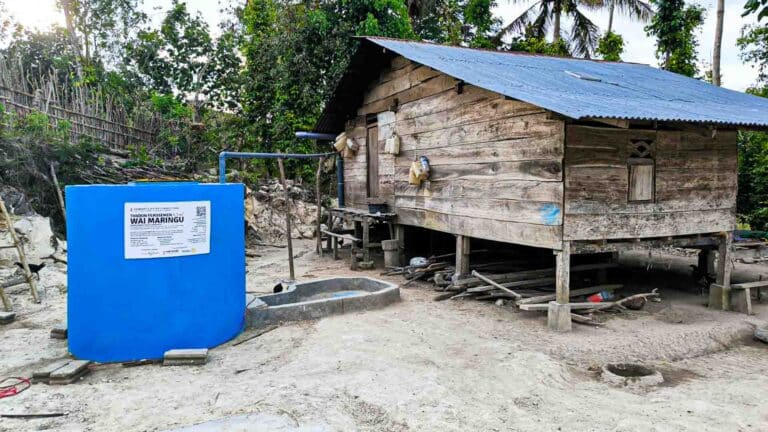
In the ultra-rural east of Indonesia, heat protection can involve the same questions our teams face every day: how far someone walks for water, where an older person can rest, and whether a patient can travel safely to the health centre.
Water Connections supports reliable access to water. Primary Medical Care und Agenten von Kawan Sehat connect prevention advice with assessment and referral when illness develops.
Our work on Klimawandel und Gesundheit considers heat alongside water insecurity, food supply, infections and the ability to reach care. These pressures often meet in the same household.
Practical prevention should fit daily work and the available resources. A heat plan can include an accessible water point, a shaded stopping place, an earlier work schedule and a clear contact for urgent medical help.
Water Connections · Primary Medical Care · Climate change and health in rural Indonesia
Questions to make a household or work plan
- Where is the nearest safe water and the coolest available resting place?
- Who is at particular risk and who will check on them?
- Can strenuous work or travel be moved to a cooler time?
- Do any medicines or conditions need individual heat advice?
- How will urgent care and transport be arranged if someone becomes confused or collapses?
Verwandte Programme und Feldressourcen
Programm
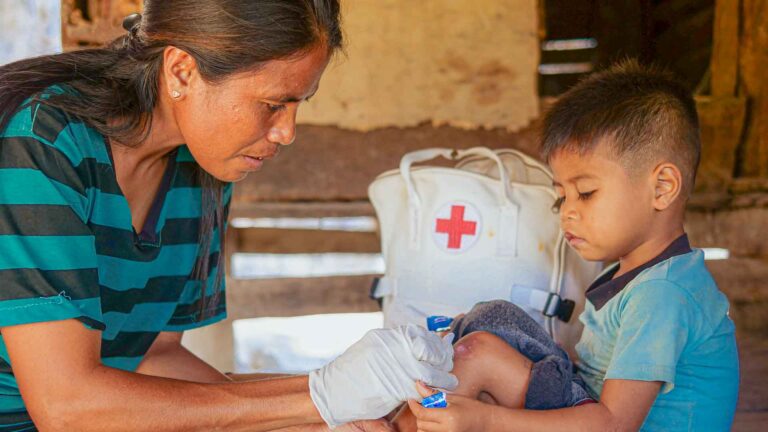
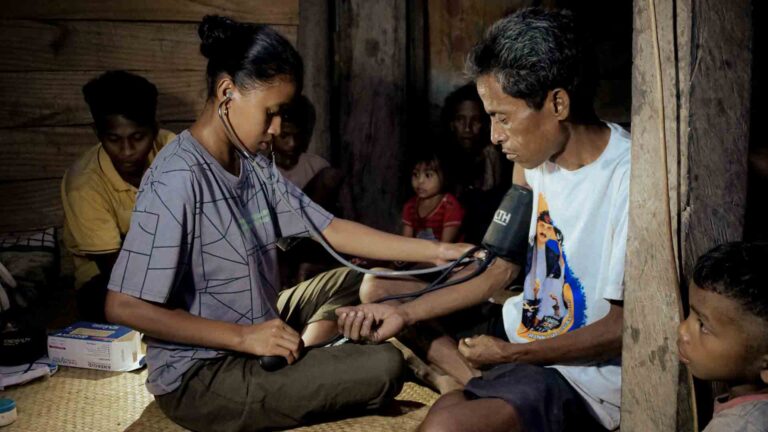
Primary Medical Care in abgelegenen Gebieten
Explore assessment, medical supervision and referral.
Referenzquellen
- Heat and health fact sheetWeltgesundheitsorganisationBefragt
- About heat and your healthZentren für die Kontrolle und Prävention von KrankheitenBefragt
- Heat-related illnessesCenters for Disease Control and Prevention, NIOSHBefragt
- Heat exhaustion and heatstrokeNationales GesundheitsdienstBefragt
- DehydrierungNationales GesundheitsdienstBefragt
- Water ConnectionsFair Future FoundationBefragt
- Primary Medical CareFair Future FoundationBefragt
- Climate change and health in rural IndonesiaFair Future FoundationBefragt
Allgemeine Gesundheitsinformationen, keine individuelle Diagnose oder Verschreibung.
