The foundation has initiated a crucial socio-medical program in one of the most malaria-affected regions of the world. The program aims to benefit the entire region and thousands of people by reducing the spread of malaria in ultra-rural and impoverished areas of East Sumba. The program includes screening, diagnosis, treatment, and prevention measures.
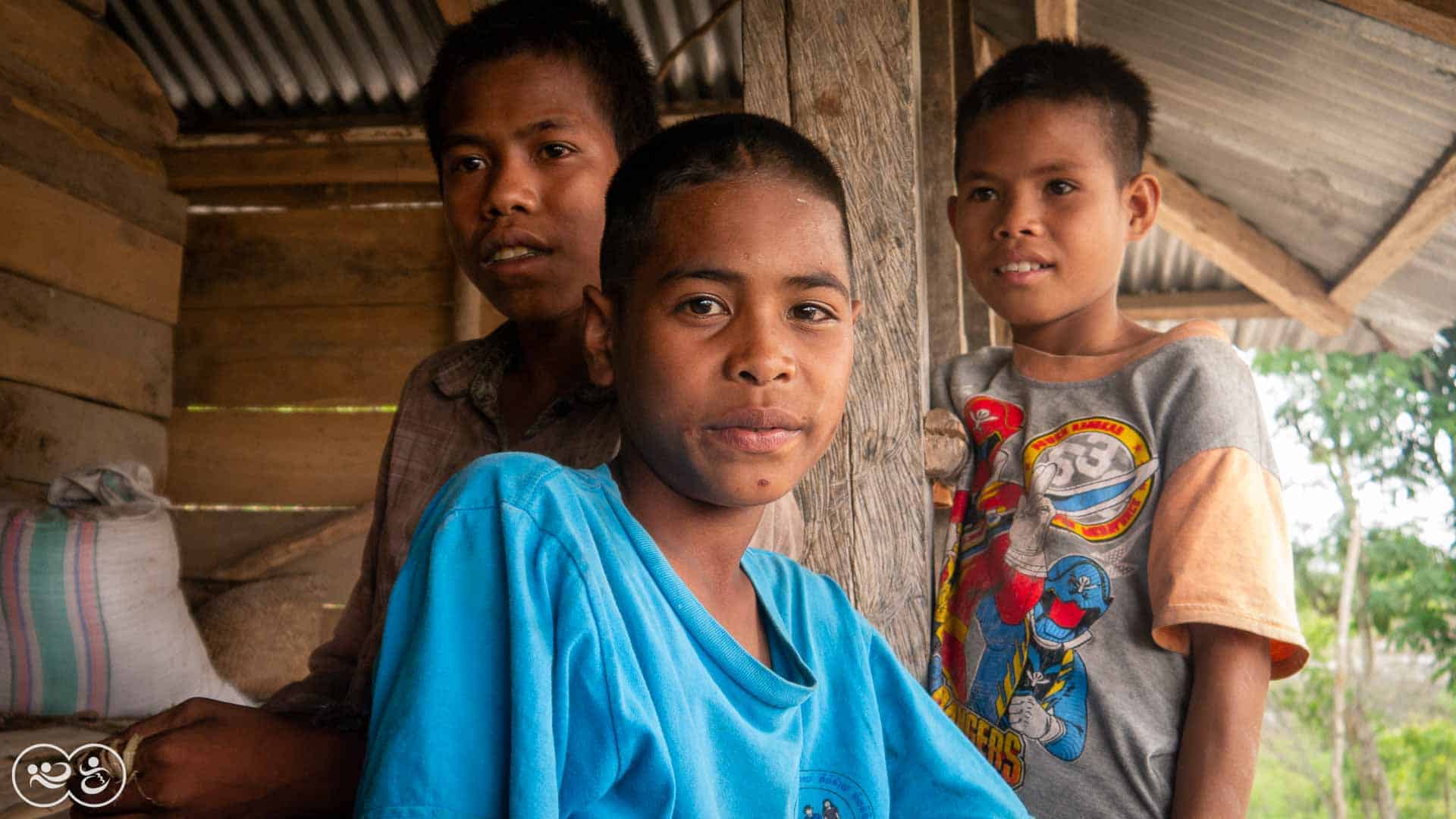
Jenseits der Grenzen: Kampf Malaria zusammen in Ostindien. Dies ist das neue "Bild des Tages" shows three kids between 8 and 12 years old. Children are among the most vulnerable Malaria victims in Indonesia, especially in the east of the country and of course here, where we work with Fair Future, Gute Freunde foundations and all our partners and friends.
The health and well-being of children in eastern Indonesia are threatened by Malaria, which hinders their growth, development, and quality of life. Our organizations have a deep understanding of the urgency to address this issue, and we are working hard on our disease control Programm, which is of utmost importance. We have a strong track record of working in these regions where the epidemic affects about 80% of children. Collaborative efforts are underway to combat malaria and prioritize the welfare of children in these areas.
Young children are at a higher risk of contracting malaria due to their underdeveloped immune systems. Living in rural and poor areas with limited access to preventive measures only exacerbates the severity of symptoms if infected. A contributing factor is that young children typically haven't been exposed to the Malaria parasite enough times to build up immunity* against it.
It can be challenging for young children in our regions to communicate or identify the symptoms of malaria, and their parents may not be familiar with them either. As a result, affected children may display non-specific symptoms like fever, tiredness, loss of appetite, irritability, and vomiting, which could easily be mistaken for other common childhood illnesses like drinking contaminated water. Consequently, this can cause delays in diagnosing and treating malaria accurately
*Some additional explanation: People living in malaria-endemic areas gradually develop acquired immunity, which reduces their susceptibility to severe infections in the future.
Vielen Dank für Ihr Interesse und Ihre Unterstützung, wir lieben Sie.