


Spenden
Support Care
Artikel & News
Feldgeschichten
Glossar
Feldführer
Alle Artikel & Neuigkeiten
This page gathers all news and field articles from Fair Future Foundation. Medical missions, clean water projects, malaria prevention, solar electrification, logistics and training in ultra-rural Indonesia. Transparent reports, real stories, measurable impact. Follow our work, step by step, from the field to long-term solutions.
Berichte aus der Praxis
Original articles from our teams in East Indonesia
The work behind each story
Our teams write these articles from the places where we work. They document medical care, access to water, prevention, education and the practical decisions made with communities. Each story connects an observation from the field with the work needed to respond.
Erfahren Sie mehr über unsere Geschichten und Ressourcen
Latest articles
Von unseren Teams · Neuheiten zuerst

Evaluation des PMC-Programms Lapinu
Diese Frauen, die an dem PMC-Programm beteiligt sind, widmen einen Teil ihres Lebens dem Schutz anderer. Diese ungesagten Heldininnen arbeiten unermüdlich daran, Menschen vor Gefahren durch Krankheiten und Verletzungen zu bewahren. Sie riskieren ihr Leben, um sicherzustellen, dass andere auch noch einen weiteren Tag erleben können.

Evaluation des PMC-Programms in Kabanda
Kabanda is genuinely one of the most isolated I have ever seen. Getting it is difficult, even dangerous, at times. No road leads to this village; only extremely steep or steep stony paths allow us to go there. It took us over six hours to get there, including four hours of absolute terrain with the Truck of Life, a 4×4 medical truck specially…

Blutdruckkontrolle in ländlichen Gebieten
In den ländlichen und armen Gebieten, in denen Fair Future Foundation die Kawan Baik Indonesia Arbeit stattfindet, ist die Prävalenz von Bluthochdruck bei der Bevölkerung tendenziell höher als in städtischen und wohlhabenderen Regionen. Dies ist hauptsächlich auf schlechte Ernährung, übermäßigen Tabakkonsum und mangelnde Hydratation zurückzuführen.
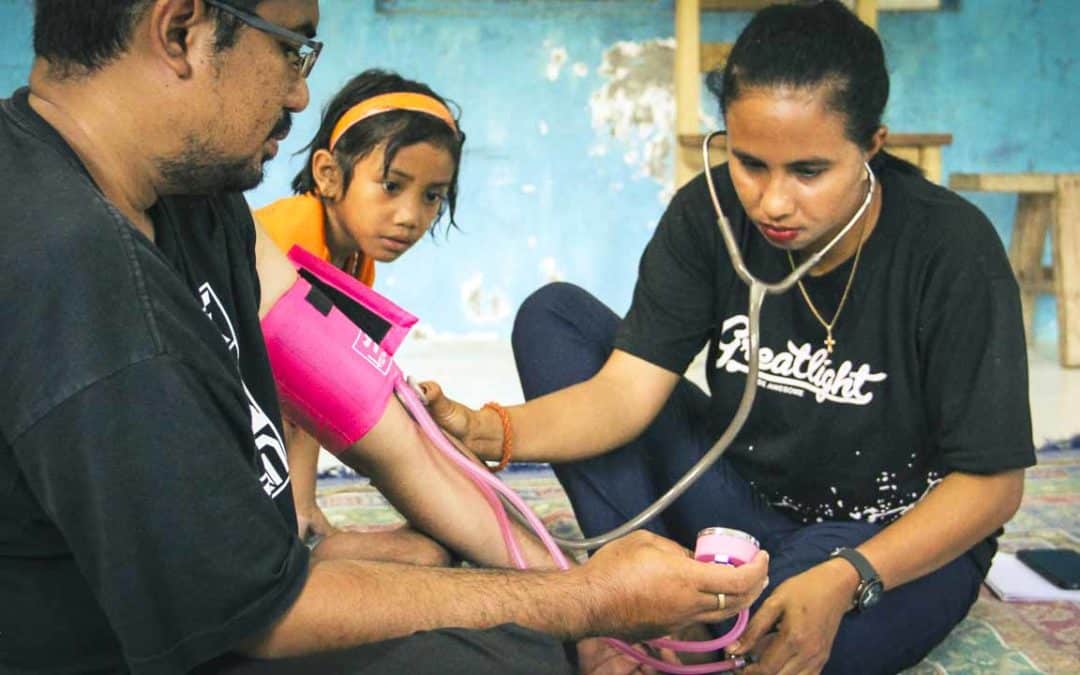
Blutdruckkontrolle im Rahmen des PMC-Programms
Diese neue "Bild des Tages" shows you Mama Katerina, from the village of Lapinu, who is learning to take blood pressure with Dr Aldo. She knows what a systole is or a diastole is and from when and under what conditions there is hyper or hypotension. She will also learn to give appropriate medical treatment (Captopril) for high blood pressure.
As part of the Primary Medical Care program, Katerina and eight other "Kawan Sehat" health workers participate in this unique pilot experience. These women teachers can measure a patient's blood pressure and give appropriate medical treatment in case of hypertension.
It is a social and medical revolution, in our opinion. The fight and prevention of hypertension and cardiovascular diseases are essential here in the ultra-rural regions of eastern Indonesia. To be active and efficient, our medical teams provide knowledge and equipment (manual blood pressure measuring device, stethoscope) in each pilot village. They are five out of the thirty-five in which the PMC project is implemented.
This, for example, has led us to talk about active and passive smoking. To make it clear, tobacco is dangerous for your health, and it is also the cause of high blood pressure and, consequently, strokes, heart attacks, respiratory problems and a host of other related diseases at the cigarette shop.

Evaluation des PMC-Programms in Mbatapuhu
Nicht-Berufsanwender, die Menschen, kranke Kinder und Verletzte medizinisch versorgen und Medikamente verabreichen. Sie leisten dies durch ein einzigartiges und innovatives medizinisches Versorgungsprogramm. Denn hier gibt es weder Ärzte noch Gesundheitszentren, und außerdem sind sie zu weit weg. Niemand besitzt ein Fahrzeug, und die Straßen, die zu diesen Dörfern führen, sind oft unbefahrbar.

Das Leben ins Dorf bringen Laindatang
Die derzeitige Priorität in diesem Dorf ist es, ihnen sauberes und sichereres Wasser und sanitäre Einrichtungen zu bieten. Hier müssen Familien Meilen zurücklegen, manchmal sogar mehr als 10 Stunden, um ein paar Liter sauberes Wasser nach Hause zu bringen. Die Menschen hier haben weniger als 2 Liter pro Tag und nur eine Person zur Trink-, Ess- und Toilettenspende. Deshalb müssen Sie Opfer bringen.
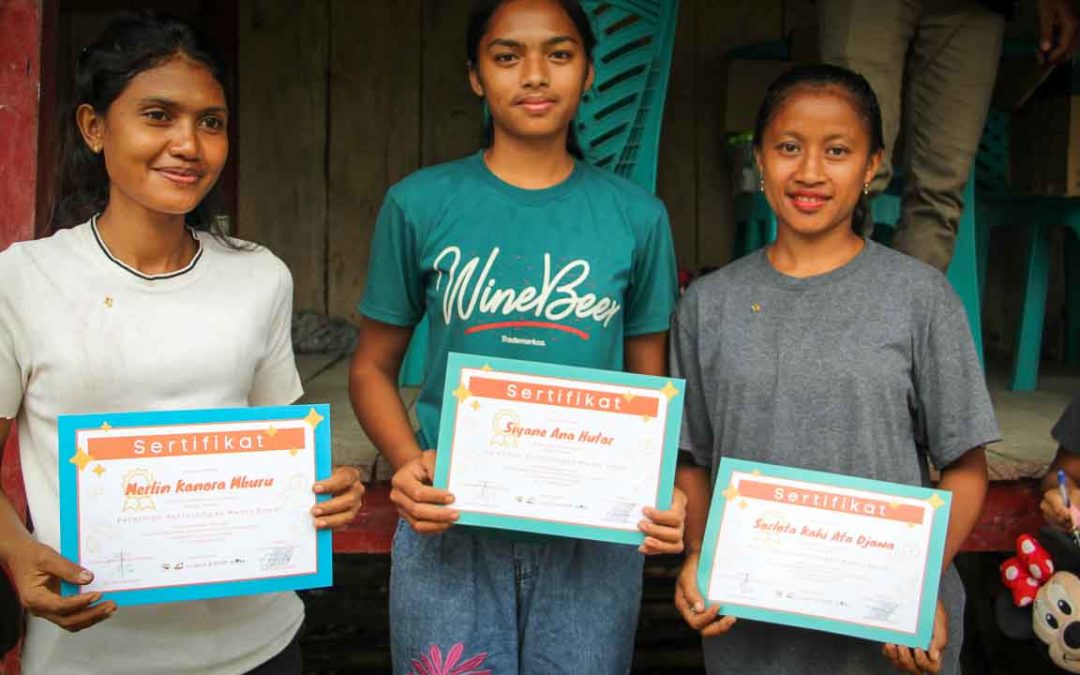
PMC – Lehrkräfte erhalten ihr Schulungspaket
Diese neue "Bild des Tages"zeigt drei echte Helden und drei unglaubliche Frauen“, Merlin, Siyane und Sarlota. In dem ultra-ländlichen und abgelegenen Dorf Kabanda, Die drei Teilnehmer und Lehrer des Projekts primary medical care Die Teilnehmer erhielten ihr erstes Arbeits- und Schulungspapier.
Dies folgt auf die Ausbildung, die sie von den Teams der Stiftung im Dezember 2022 erhalten haben. Eine vollständige medizinische Ausbildung auf der Grundlage fünfzehn Module, die erklären und zeigen, wie man mit einem kranken oder verletzten Patienten umgeht (Erwachsene oder Kinder) ). Dies geschieht in Dörfern, in denen weder ein Gesundheitszentrum, noch ein Arzt oder ein Gesundheitsfachmann vorhanden sind, nicht verfügbar oder nicht zugänglich, und meistens, wie hier in diesem Dorf, wo keine Straße verläuft.
Ihr müsst die Situation verstehen, Freunde.Diese Frauen stammen aus den ländlichsten Regionen Asiens und vielleicht sogar aus der ganzen Welt. Die meisten haben noch nie eine Schule besucht oder eine grundlegende Pflichtschulbildung erhalten. Sie wurden für drei Monate in der Lehre in den ultra-ländlichen Gebieten von einer Partnerorganisation namens Charis Sumba ausgebildet.
Man muss sich also ihre Stolz vorstellen, dass sie es geschafft haben, einer dieser Gesundheitshelfer zu werden, die Person im Dorf, die für die Bereitstellung von Dienstleistungen verantwortlich ist. Erste Hilfe In einer Notlage, bei einer Verletzung, bei Erwachsenen oder Kindern – die Möglichkeit einer Erkrankung. Als sie dieses Zertifikat bekamen, flossen Tränen. Ihre Tränen flossen auch in unsere, und es war ein Moment unglaublicher Stärke, vor allem aber sehr emotional.
Grundsätzlich kümmern sich hier, und in Bezug auf die lokale Kultur und Traditionen, Frauen um die Hausarbeit, Wasser holen, für die Kinder kochen und die Familie versorgen. Diese drei weiblichen Superheldinnen sind nicht nur Lehrerinnen im Rahmen von Charis Sumba, sondern sie sind nun auch – und schon seit mehr als vier Monaten – die Gesundheitsarbeiter des PMC-Programms. Sie sind diejenigen, die in Abwesenheit eines medizinischen Zentrums, medizinischer Versorgung oder eines Arztes im Dorf ein Leben retten können. Dies ist keine Verbesserung der Rolle der Frauen in ultra-ländlichen Dörfern; es ist ein immenser und wichtiger Fortschritt.

Bewertung von 8 Kawan Sehat Agents, in Mbinudita
Im Dorf, wo alles für uns begann: Das Wiederaufbauprogramm #binudita umfasst den Bau einer Schule und des Trinkwassernetzes für mehr als 2700 Menschen, von denen 60% Kinder unter 12 Jahren sind. Es ist wirklich die (Ne)Bauung eines ganzen Dorfes oder das Erlernen, gemeinsam gesünder zu leben, innerhalb…

Präskalibrierung des PMC-Programms Mbinudita
Die Teams von Fair Future untersuchen und erforschen mehr als zweihundert Fälle verschiedener Krankheiten oder Verletzungen, die von Gesundheitskräften im Rahmen des primary medical care Programms behandelt wurden. Außerdem bewerten wir, was in der kommenden Woche passieren wird, um die Versorgung mit neuen Geräten, Medikamenten und medizinischen Geräten genau zu bewerten.
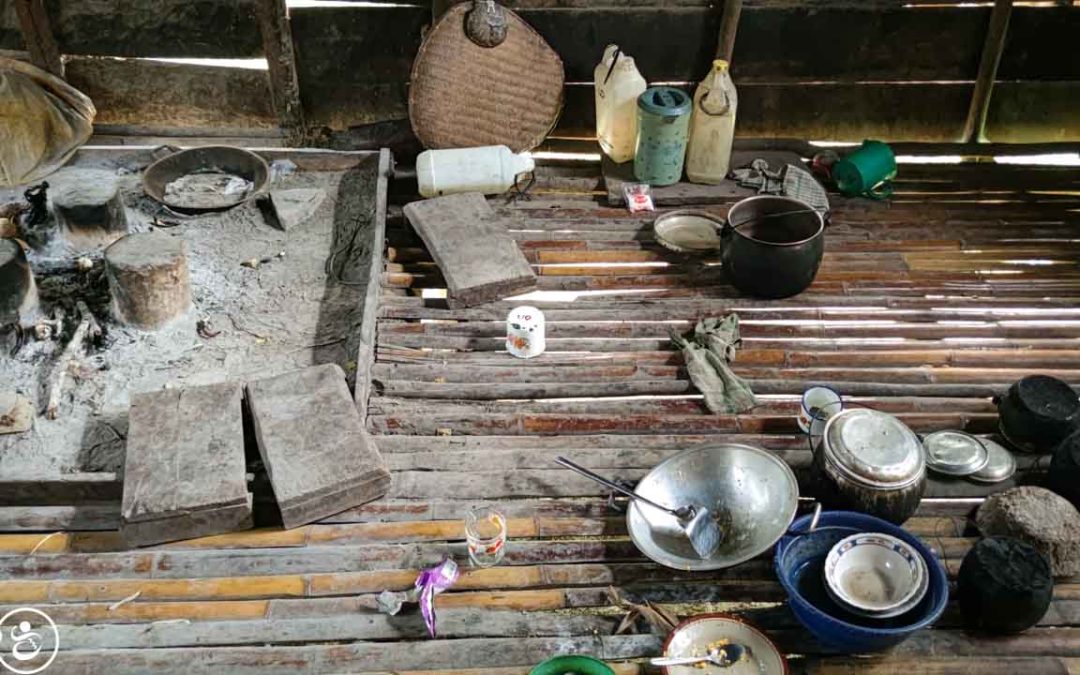
Wie sieht eine Küche ohne Essen und Wasser aus?
Diese neue "Bild des Tages" shows you what the kitchen of an East Sumba family is like. A kitchen like there are tens of thousands here. One of the elements we always see is the presence of five-litre jerry cans. They are the ones that serve as a container for the water that the girls and women have to fetch from afar. We also notice the absence of food, including no rice, only corn. Rice is expensive, and nobody can buy it here in Laindatang, East Sumba: No electricity, running water, and sink.
Just a hearth that will be used once a day only to prepare corn porridge mixed with vegetables and roots that the women have been looking for in the forest. Salt and red peppers. That will be all for the day and the whole family, including dogs and cats.
Families here live without clean or potable water, yet access to potable water is crucial for survival and maintaining good health. Without clean water, families in the areas where Fair Future and Gute Freunde work are forced to drink contaminated water, which leads to waterborne diseases such as cholera, typhoid fever and dysentery.
This has an immense impact on daily life and livelihoods. Women and children must walk long distances to fetch water, which takes up much time and interferes with other activities such as work or education.
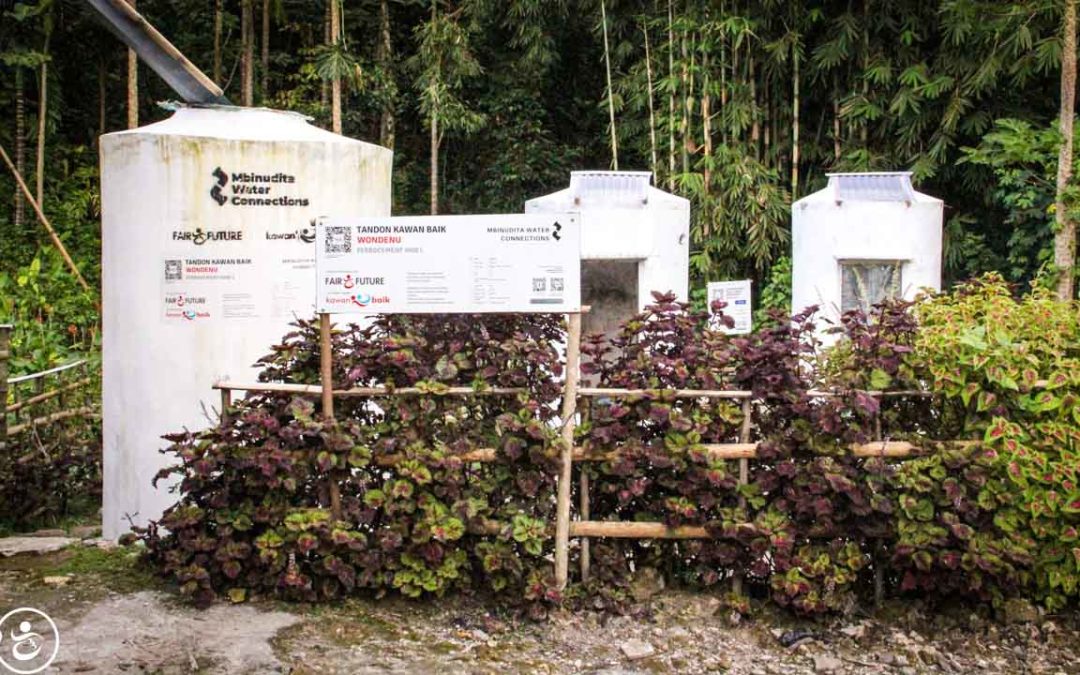
Wie sehen die Sanitäranlagen aus, die wir bauen?
Diese neue "Bild des Tages" shows you an example of construction that we carry out in the poorest villages of Indonesia and Asia. Here the families before did not have access to clean water and toilets. Fair Future and Gute Freunde Foundations have been changing this for years, and noticeable changes are being seen.
Access to drinking water and toilets is a fundamental human right. Still, unfortunately, in the regions where we are, nearly 90% of families in ultra-rural areas do not have access to these necessities. Here are some steps that can be taken to provide access to clean water and toilets in the regions that do not have access:
The first step is to identify the areas most needing these facilities. Fair Future and Gute Freunde proceed through research, surveys, and working with our local partners and authorities. Once regions that do not have access to clean water and toilets have been identified, we develop plans to provide these services. This takes into account the specific needs of each community. To do this, we have several ways to provide access to clean water, such as drilling deep wells, installing water filtration systems and collecting rainwater. The method used will depend on the specific needs of the community.
Access to toilets is also essential to reduce the rate of infectious diseases such as Cholera, Dengue, hepatitis A, and Malaria. In this photo, two sanitary facilities have been built using the Ferro-Cement method, with a tank for collecting dirty water and clean water for watering.
Fair Future also considers it essential to educate the community on the importance of hygiene and sanitation practices to prevent the spread of disease. We do this through the #waterconnections und #kawansehat und #primarymedicalcare programs.
One of our missions is also to monitor and maintain these new facilities. This requires the training of local community members who will carry out essential maintenance and repairs.
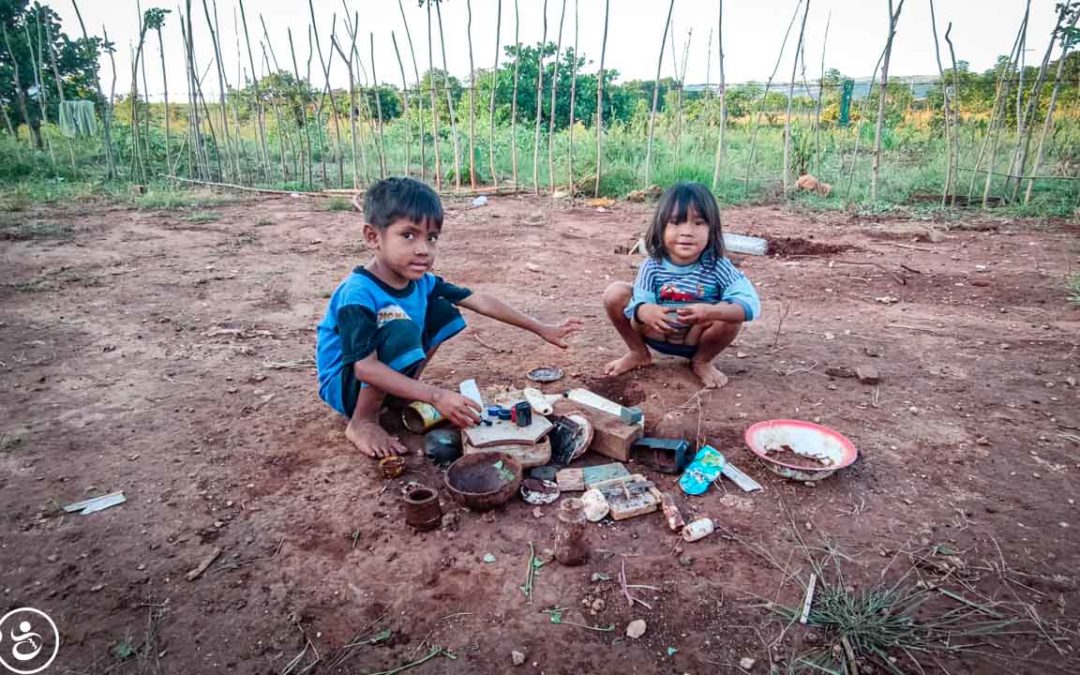
Spielzeuge erfinden, wenn man keine hat
Dies "Bild des Tages" shows two children from Tanah Mbanas, Sumba Tengah, who have created a kitchen with waste from the plastic they found around their houses made of earth and bamboo. They are playing cooking. Here, families do not have access to water and even less to clean water.
Here in Sumba, in these ultra-rural villages, it is not uncommon for children of all ages to invent toys and games from natural materials or objects from waste or old. In these areas, children rely on their creativity and ingenuity to find new forms of play and have fun.
For example, children can make their toys from natural materials such as sticks, pebbles and leaves. They can use these materials to create games like building forts or playing "tag" with modified rules. Likewise, old items like cans, tires, or ropes can be repurposed to create new toys, like a toy truck, makeshift soccer ball, or swing.
These types of imaginative play experiences are very beneficial for the development of children. They encourage creativity, problem-solving and social interaction as children work together to develop new ideas and adapt the rules of their games. Additionally, playing in nature can provide opportunities for physical activity and exploration, positively affecting physical and mental health.
