


Donare
Assistenza sanitaria
Articoli e News
Storie dal campo
Glossario
Guida escursionistica

Acqua, energia e infrastrutture
Water Connections
Safe water systems planned, built and maintained with rural communities where no public network exists.
- 5,300-litre ferrocement tanks
- 115 m³ reservoir built at Laindatang
- Rainwater, gravity and solar-pumped systems
Water must reach the home before disease does
In rural East Sumba, water may be several kilometres away, seasonal or visibly unsafe. A reservoir, protected source and working pipe change more than convenience. They change hydration, hygiene, food preparation and the daily exposure of children to preventable infection.
Il programma
Water infrastructure built around health
Without a public network, every litre depends on distance, rainfall, storage and the condition of the source. Those constraints become health risks long before a patient reaches a clinic.
Water Connections designs practical systems for the terrain and the people who will use them. Depending on the site, this may mean rooftop rainwater harvesting, a ferrocement tank, a reinforced reservoir, a deep well, a solar pump, gravity-fed piping or a protected distribution point.
The work is carried out with village leaders, families and local builders. Construction is only the beginning. Gutters, lids, filters, pipes, overflow areas and water quality must remain inspectable, repairable and understood by the community.
A compact rainwater system adapted to homes, small groups of families and rural schools.
Large reinforced storage designed for more than 200 people and a local school.
A recent Hudumburung connection carries stored water directly to two homes and around fifteen people.
A solar-powered pump lifts groundwater to a 10,000-litre elevated storage system.
From source to household
How a water system becomes reliable
The visible tank is only one part of the system. Reliability begins with understanding the source and continues through design, construction, protection, distribution and maintenance.
Assess
The team studies the source, rainfall, terrain, household demand, access and the risks around the proposed site.
Design
Storage volume, foundations, catchment area, pumping or gravity and distribution are adapted to local conditions.
Build together
Local builders and families take part so the structure, materials and repair needs are understood close to home.
Protect and connect
Roofs, gutters, filters, sealed storage, overflow and pipes are installed as one continuous water pathway.
Inspect and maintain
Leaks, cracks, contamination risks and damaged components are identified, corrected and followed over time.
Water safety is continuous
A full tank is not automatically a safe tank
Safe access depends on the complete pathway from catchment or source to storage, pipe and household container. A weakness at any point can reintroduce contamination or interrupt supply.
What the system must protect
- A source or roof catchment kept away from avoidable contamination
- Gutters and first-flow components aligned and clear of debris
- A sealed tank with a protected lid and controlled access
- Filtration appropriate to the source and intended use
- Clean pipes, taps and household collection containers
- Drainage and overflow that do not create stagnant water
When corrective action is needed
- Cracks, leaks, unstable foundations or damaged tank walls
- Rust, open inspection holes or a lid that no longer seals
- Broken gutters, blocked filters or unburied damaged pipes
- Visible contamination, unusual colour, odour or persistent turbidity
- Standing overflow water that increases mosquito or hygiene risks
- Concerning test results or a cluster of diarrhoeal illness after use
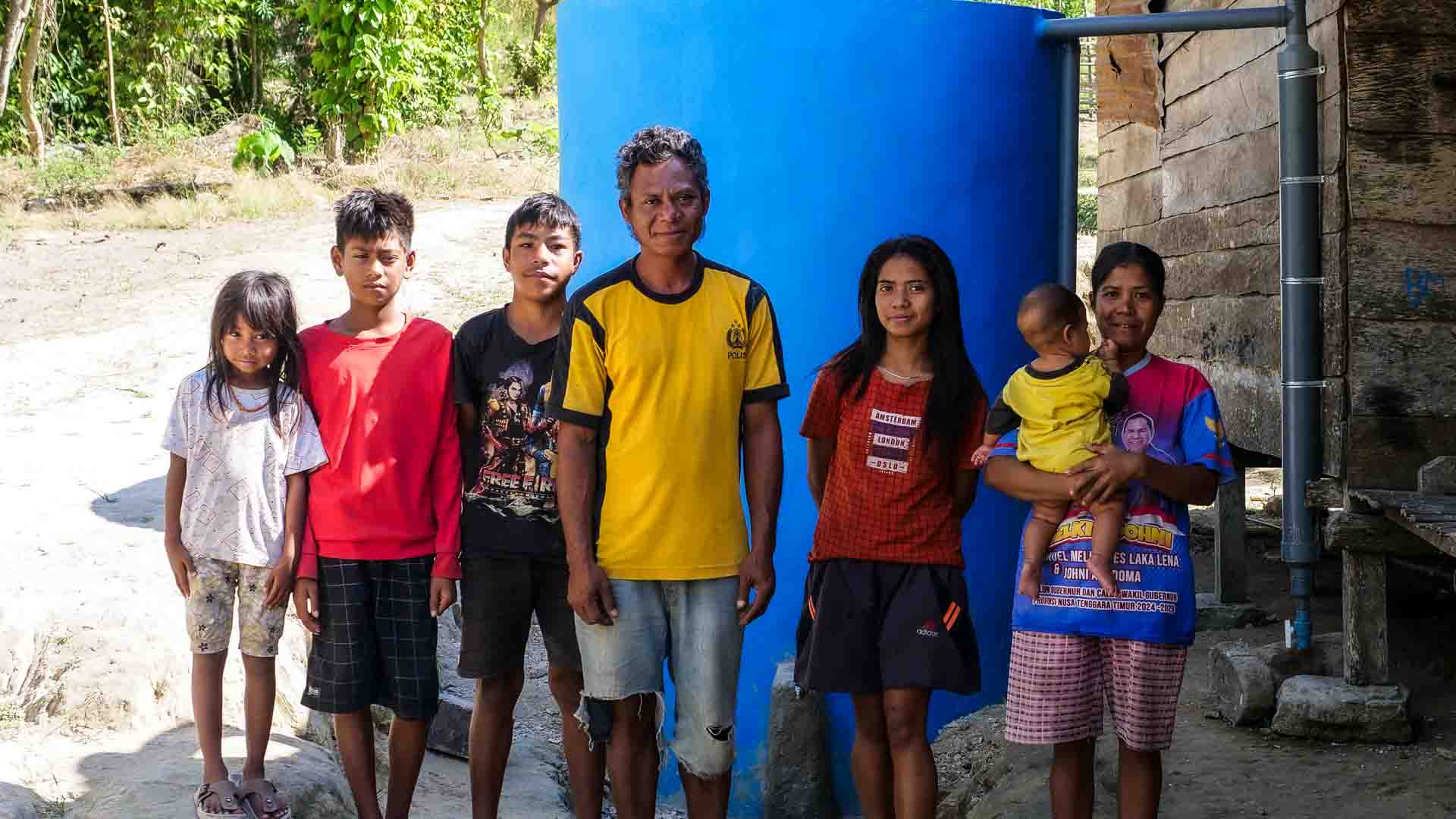
A reservoir is useful only when its catchment, filtration, structure, overflow and distribution remain safe and repairable.
See how a new reservoir brings water to schoolchildren in East Sumba, and why the daily journey to collect water remains a health concern for families.
The system behind every tap
Engineering that can be maintained locally
A tank alone is not water access. Each project combines source assessment, structural choices, protected storage, distribution and a maintenance plan. The aim is not technical complexity. It is a system that fits the terrain, can be inspected and can keep working after the construction team leaves.
Site assessment
Rainfall, groundwater, access, soil, terrain and household demand guide the design before materials arrive.
Reinforced storage
Ferrocement tanks and larger reinforced reservoirs are sized and built for the community and site conditions.
Protected distribution
Filters, pumps, gravity-fed HDPE pipe, taps, overflow and drainage move water without losing control of safety.
Water monitoring
Field checks and the Rumah Kambera laboratory support testing for microbial, physical and chemical indicators.
Quali cambiamenti nella pratica
Safe water changes the conditions in which illness begins
Less time collecting water
A household connection can return hours of walking, waiting and transport to families, especially women and children.
Safer daily hygiene
Water close to home makes handwashing, wound cleaning, food preparation and household cleaning more consistent.
Water where children learn
School storage supports drinking, toilets, cleaning and basic infection prevention throughout the day.
Stronger dry-season continuity
Storage, protected sources and planned distribution reduce dependence on a single distant or seasonal collection point.
Relazione finaleLaindatang 115 m³ reservoirRead the technical and field report for a large rainwater system serving more than 200 people and a school.
Project areaLaindatang & HambaritaExplore the linked reservoirs, filtration, construction and village water systems developed across these communities.
Child healthUnsafe water and childhood diarrhoeaUnderstand how contaminated water, dehydration and malnutrition reinforce one another in rural families.
Registrazione in campo in tempo realeNote di viaggio dall'Indonesia orientaleFollow dated updates on construction, repairs, water access, health and the realities encountered by field teams.
Guida pratica e glossarioWater and sanitation, explainedExplore practical terms and field guides related to water safety, storage, hygiene and public health.
Public health referenceDrinking-water and healthRead the international evidence connecting safe water, sanitation, infection prevention and health.
Water and sanitation referenceWater, sanitation and hygieneExplore the wider framework linking safe water access, hygiene, childhood health and dignity.
In diretta dal campo
Water Field Notes, as the work happens
Two recent updates from water construction, distribution or monitoring. These notes refresh when a new Water Connections Field Note is published.
Direttamente dal campo
Latest Water Connections reports
These reports document construction, water quality, household access, maintenance, failures, corrective work and the health conditions each system is built to change.
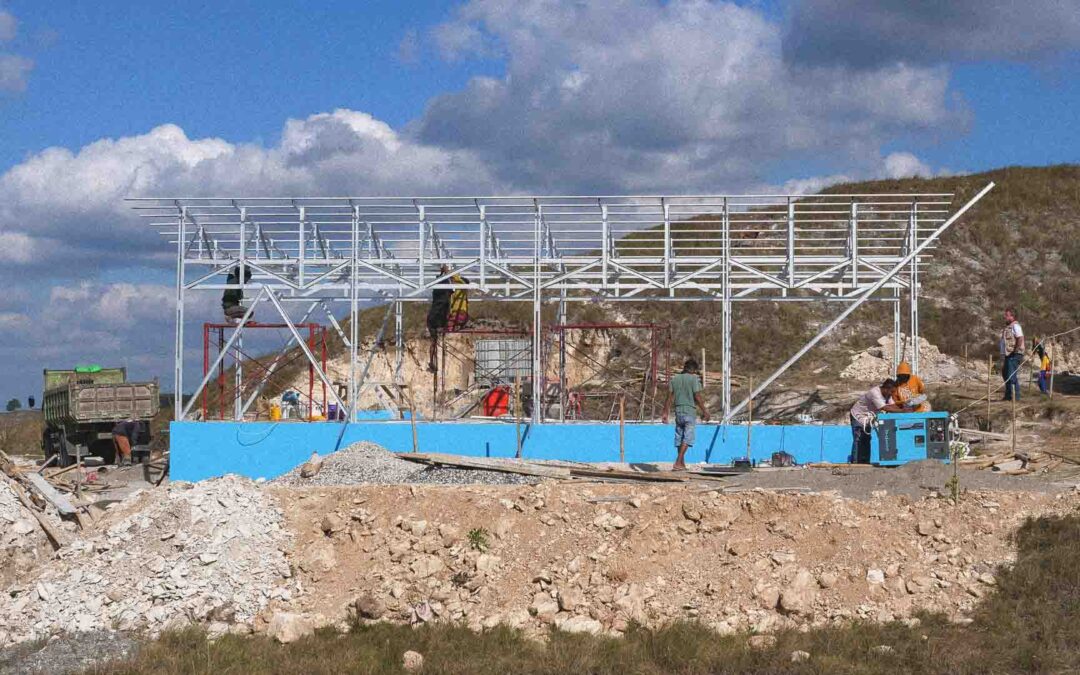
Clean Water Roof in Laindatang | Sicurezza dell'acqua per uso medico
Un tetto in acciaio leggero protegge ora il Laindatang serbatoio, schermando l’acqua piovana filtrata dal calore, dalla luce e dalla contaminazione. Costruito dai residenti del villaggio da Fair Future e Kawan Baik Indonesia, questa struttura trasforma la pioggia in acqua potabile sicura e previene malattie evitabili.
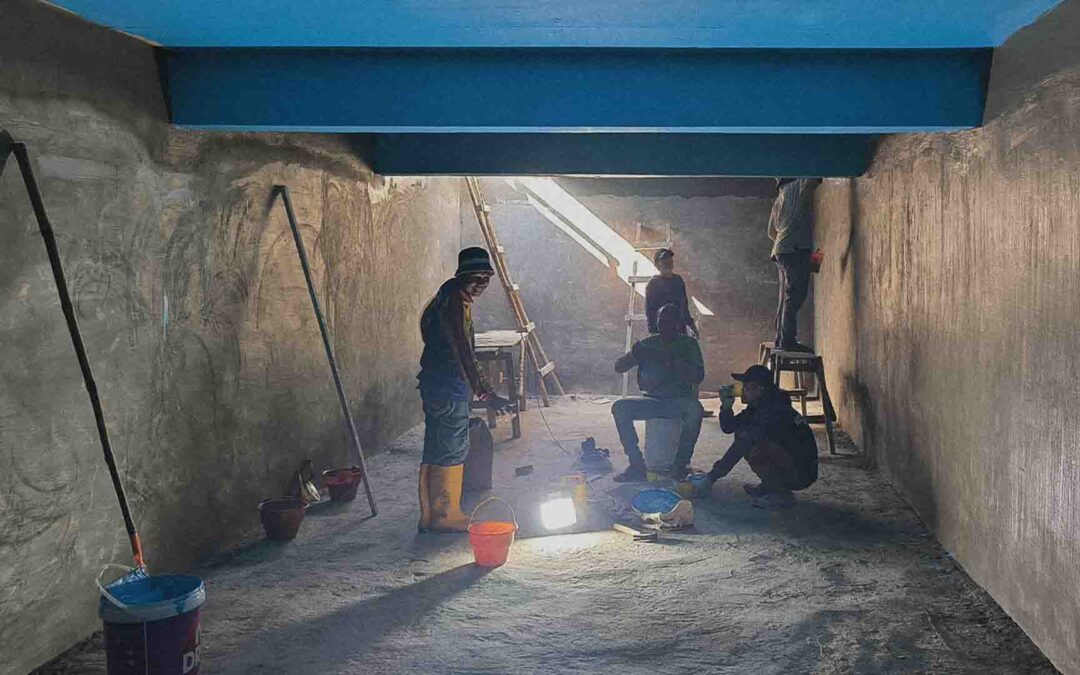
Laindatang Lavori su un serbatoio d’acqua – interno sigillato
Laindatang I lavori per il rifornimento idrico hanno richiesto la trasformazione del calcestruzzo greggio in una camera chiusa composta da sette strati protettivi. Ogni strato impedisce la contaminazione, stabilizza la struttura e protegge la salute delle famiglie. Questo processo tecnico è essenziale per garantire un'acqua sicura a lungo termine nell'East Sumba.
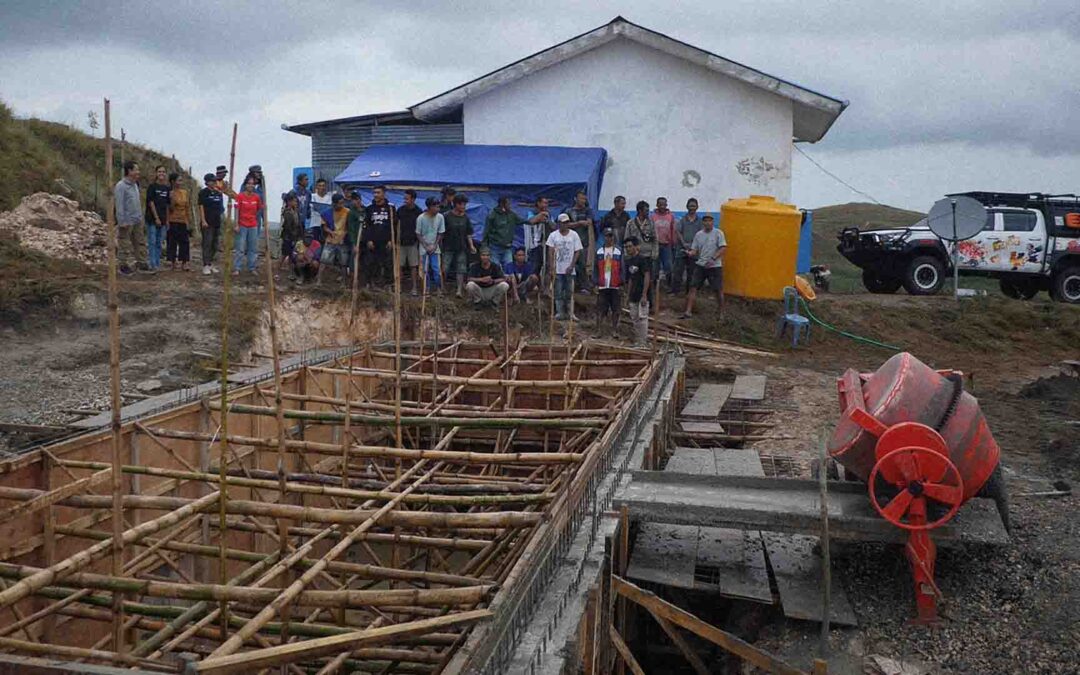
Laindatang La costruzione di un bacino idrico migliora l'accesso
Laindatang Insieme costruiamo un serbatoio da 115.000 litri a mano con i villanovoli, modellando acciaio, legno e cemento su un remoto altopiano. Questo lavoro fornisce acqua pulita alle famiglie che non ne avevano mai avuto accesso e rafforza la salute della comunità per gli anni a venire.
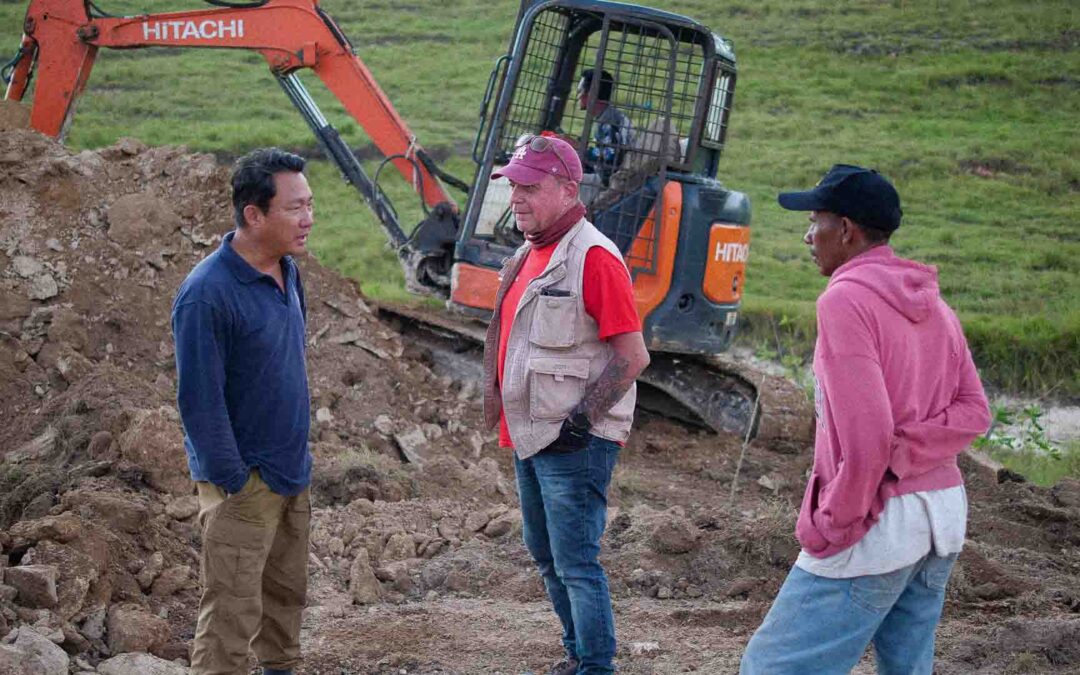
Laindatang Inizia l'accesso a valle per l'acqua
La ricostruzione Laindatang della strada di s Hill era essenziale per portare acqua pulita. Il pendio era scivoloso e pericoloso, ma ora le macchine potranno finalmente raggiungere il luogo. Un primo passo verso la riduzione delle malattie e il miglioramento della vita quotidiana.

Il serbatoio per le acque piovane di Wai La Padang protegge la salute del villaggio
Hambarita Nel serbatoio delle acque piovane Wai La Padang il modo in cui l’acqua e la salute iniziano ogni giorno cambia. Prima di questo progetto le famiglie percorrevano chilometri in scooter per recuperare pochi bidoni dell’acqua. Ora 5.300 litri di acqua piovana provenienti dal tetto si trovano accanto a tre piccole case, risparmiando denaro, energia e visite in clinica, proteggendo ogni bambino dall’acqua sporca.

Trituratore di acqua pulita Wai Pa Luri Wangu per il Hambarita villaggio
Nel Hambarita serbatoio di Wai Pa Luri Wangu si trova uno dei otto nuovi serbatoi che abbiamo costruito con la comunità. Questo cilindro blu da 5.300 litri si trova a pochi passi da tre case e sedici persone, trasformando le brevi piogge in acqua potabile per la vita quotidiana, l’igiene e le cure mediche di base, invece di pericolose escursioni in moto con pesanti bidoni per l’acqua.
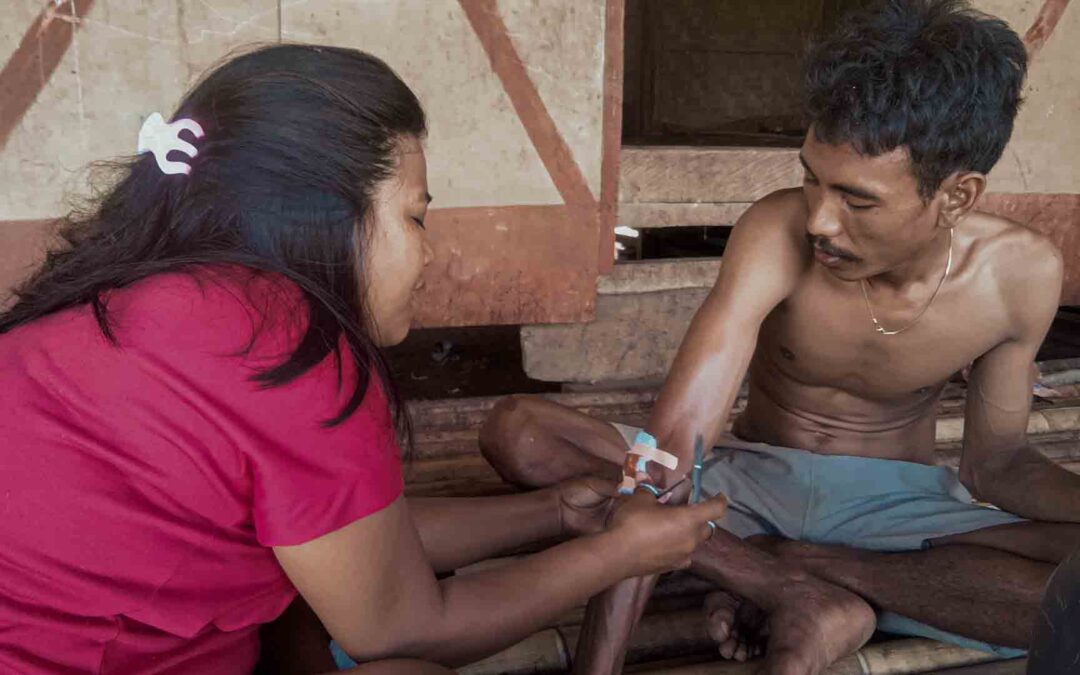
Kawan Sehat La cura delle ferite nei villaggi remoti salva vite
In questa immagine l’assistenza alle Kawan Sehat ferite avviene su un pavimento di bambù, a giorni di distanza dalle cliniche. L’agente irriga, se necessario, rimuove la secrezione e applica un bendaggio sterile, controlla la presenza di tetano e insegna i segnali di pericolo. L’assistenza precoce impedisce l’infezione prima che si diffonda nel sangue. In questo modo la medicina primaria impedisce i funerali.
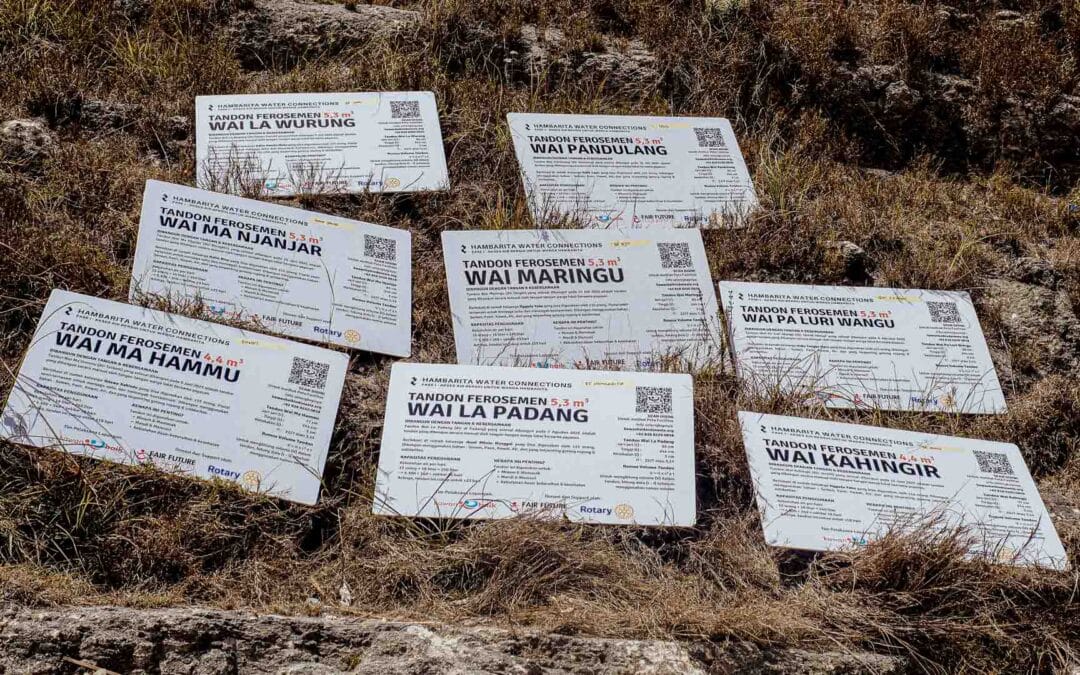
Hambarita placche dei serbatoi d’acqua – otto serbatoi con nomi
La foto mostra le targhe dei serbatoi d’ Hambarita acqua appoggiate sull’erba pochi istanti prima dell’installazione. Ogni targhetta riporta un nome locale perché l’acqua è trattata come una famiglia. Quando un serbatoio viene chiamato per nome, la gente lo mantiene, pulisce le grondaie e custodisce il coperchio. Otto nuovi serbatoi raccoglieranno la pioggia, combatteranno le malattie e restituiranno tempo alle famiglie.
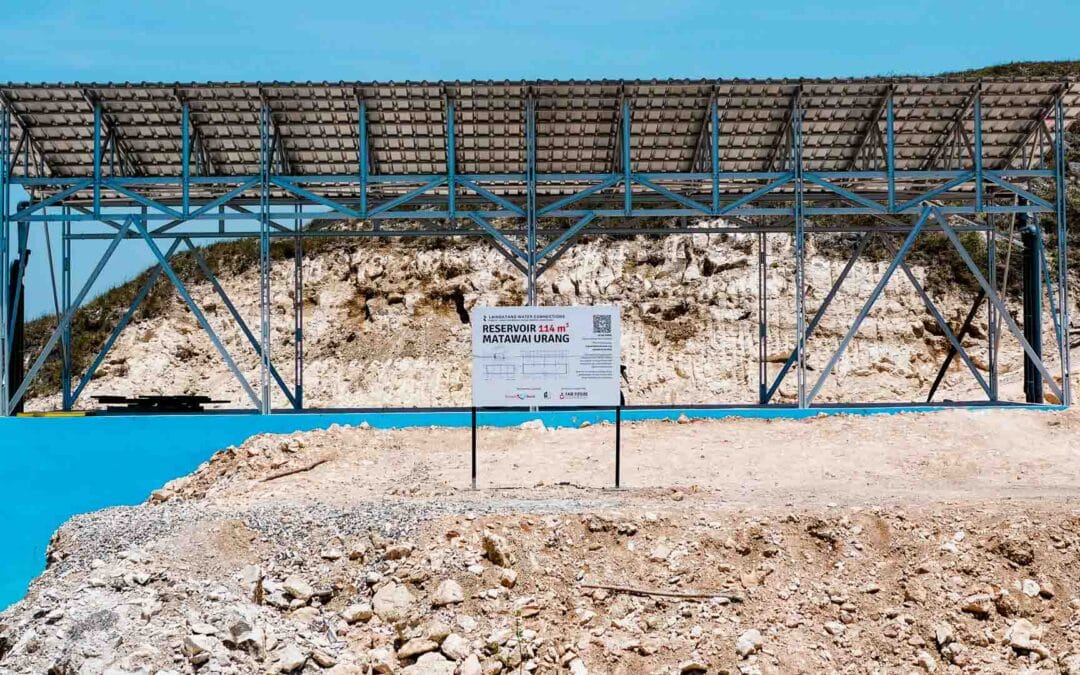
Serbatoio per l’acqua piovana collegato nell’ Laindatang Est di Sumba
Il serbatoio per acqua piovana di 114,7 m³ Laindatang, chiamato Matawai Urang, è ora completamente collegato alle grondaie e alla filtrazione, pronto a raccogliere acqua pulita per 300 residenti. Questo Laindatang progetto per il serbatoio per acqua piovana è inoltre dotato di un pannello informativo che racconta la storia dell’accesso all’acqua potabile per la comunità.
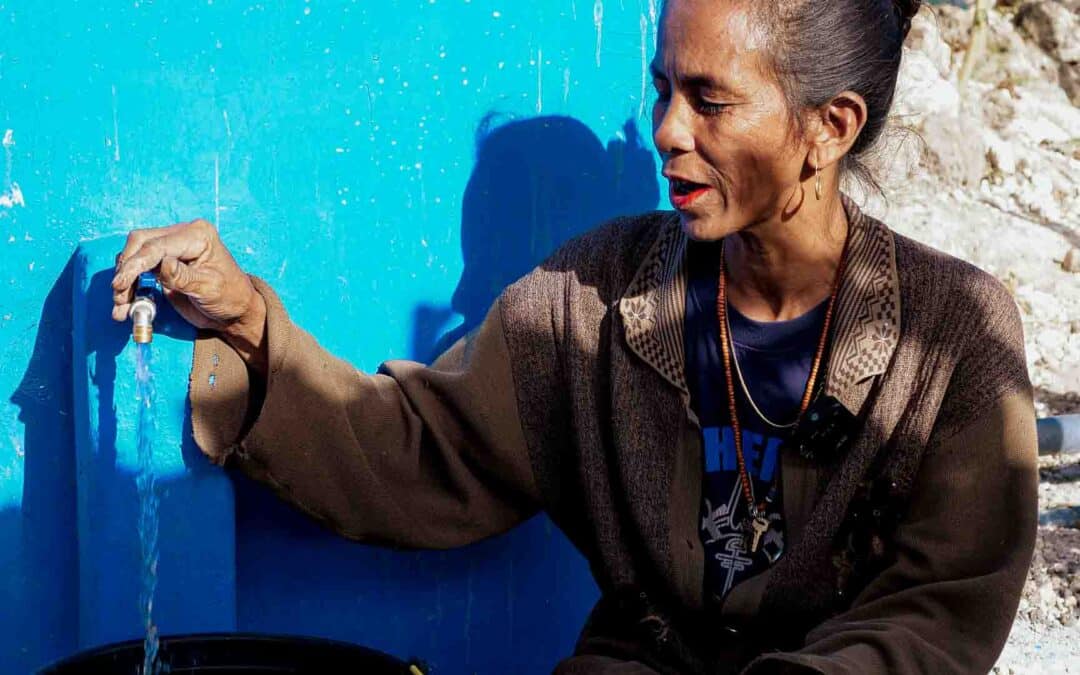
Report finale dei Hambarita bacini idrici
Fair Future è lieta di rilasciare il rapporto finale del Water Connections progetto Hambarita. Nel corso di diversi mesi sono stati costruiti otto serbatoi in cemento ferroso, fornendo acqua pulita a decine di famiglie. Un impegno serio, un vero impatto e vite trasformate grazie a tutti voi.
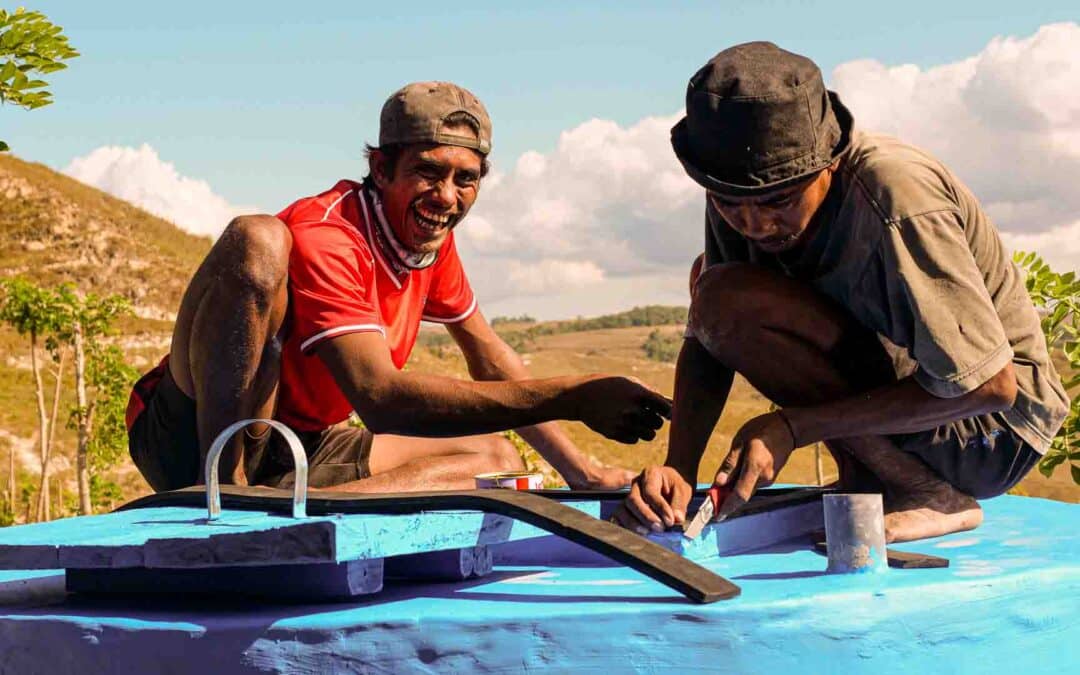
Otto serbatoi ferro-cementizi Hambarita
Otto serbatoi in ferro-cemento forniscono Hambarita ora acqua sicura e filtrata a 120 persone. Costruiti con competenze locali, migliorano la salute, l’igiene e la qualità della vita per decenni in una delle zone più remote di East Sumba.
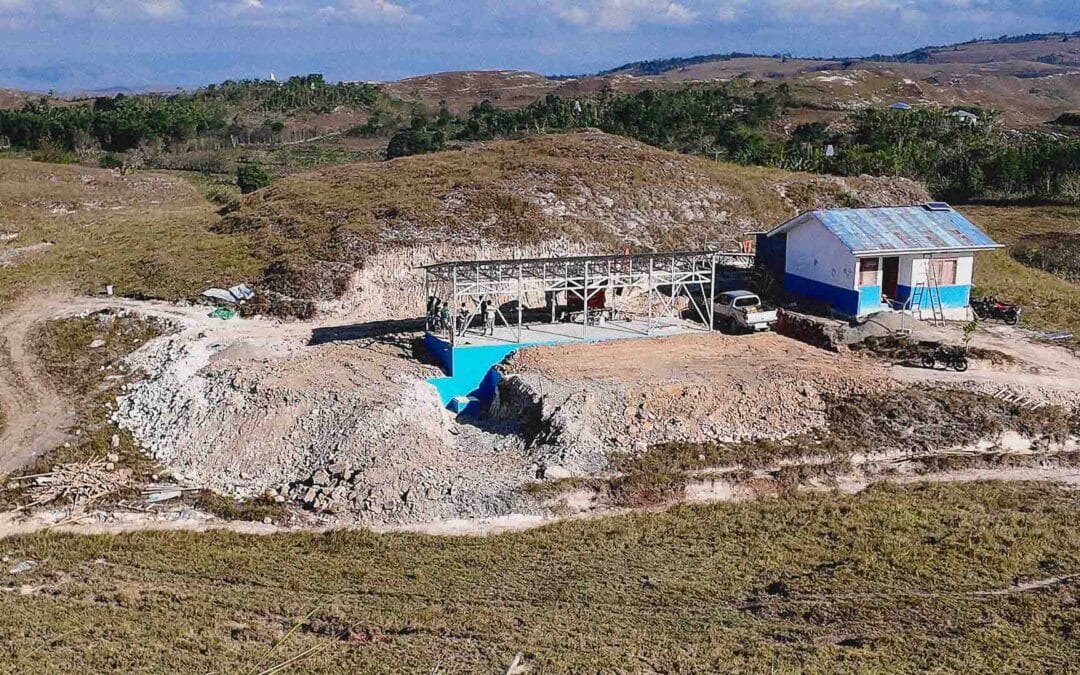
Unico bacino di raccolta delle acque Laindatang piovane
Fair Future ha costruito un serbatoio per l’acqua piovana a tre filtri da 115.000 litri nel remoto villagio Laindatang di East Sumba, superando le condizioni estreme per garantire acqua pulita e sicurezza sanitaria.
Responsabilità
Water systems must remain measurable, repairable and transparent
We document volumes, construction, materials, beneficiaries, site inspections, faults, corrective work and how funds are used. A completed structure is not the end of responsibility. Its condition and usefulness must continue to be checked.
