


Argomenti relativi alla salute
Campylobacter infection
Understanding Campylobacter infection, recognising dehydration early, and connecting safe water, safer food and timely treatment with care in rural East Sumba.
La revisione clinica della traduzione è in corso. La revisione nella lingua di origine non approva questa traduzione.
Quando la cura non può aspettare
Seek emergency care if someone is difficult to wake, confused, collapses, cannot drink, has breathing difficulty or passes very little urine. A baby who stops feeding or a child becoming unusually sleepy needs urgent assessment.
Blood in the stool, severe abdominal pain, persistent vomiting or signs of dehydration require prompt clinical advice. Start appropriate oral rehydration if the person can swallow safely, but do not let this delay referral.
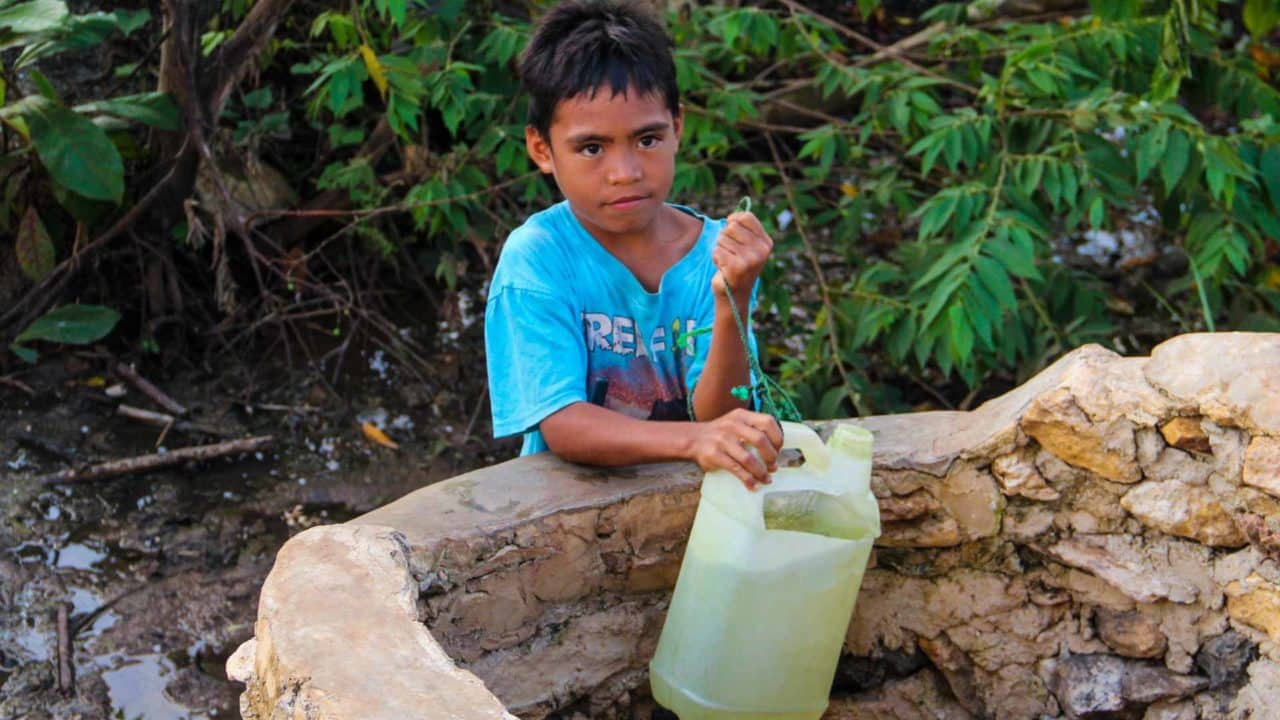
Understanding Campylobacter infection
Campylobacter is a group of bacteria that can infect the intestine. The illness is called campylobacteriosis. Campylobacter jejuni e Campylobacter coli are important causes of infection in people.
The bacteria irritate and inflame the bowel, causing diarrhoea, cramps and sometimes fever or blood in the stool. Many people recover with appropriate fluids and supportive care. For someone who becomes dehydrated or cannot reach care, an apparently ordinary stomach illness can become dangerous.
Diarrhoea is a symptom, not the name of one infection. Viruses, parasites and other bacteria can cause similar illness. Symptoms alone cannot confirm Campylobacter.
Campylobacter · About Campylobacter infection · Diarrhoeal disease
Origins and discovery: learning to identify an overlooked infection
The name Campylobacter comes from Greek words meaning curved rod, describing the bacterium’s shape. In 1886, Theodor Escherich described spiral organisms in the intestines of infants with diarrhoeal illness. He could not grow them using the methods available at the time.
In 1963, Sebald and Véron proposed the genus Campylobacter, separating these bacteria from organisms previously grouped with vibrios. A Belgian team including P. Dekeyser and Jean-Paul Butzler published successful cultures from human stool in 1972.
In 1977, M. B. Skirrow described a practical selective culture method that helped laboratories recognise Campylobacter as a common cause of enteritis. The infection had not suddenly appeared; improved testing made a longstanding cause of illness easier to see.
Etymologia: Campylobacter · Campylobacter enteritis: a new disease, 1977
How infection reaches people
Campylobacter can live in the intestines of poultry and other animals without making them look sick. Infection occurs when bacteria from faeces reach a person’s mouth, often through food, water or contaminated hands.
Undercooked poultry is an important source. Raw meat juices can also contaminate cooked food, vegetables, knives and cutting boards. Other routes include untreated drinking water, unsafe ice, unpasteurised milk and contact with animal faeces.
A small amount of contamination can be enough. A meal does not have to look spoiled to transmit infection. Person-to-person spread is less common, but careful handwashing after using the toilet or caring for someone with diarrhoea remains essential.
This connection between people, animals, food and water is part of Una salute globale. It explains why prevention begins before a patient reaches a clinic.
About Campylobacter infection · Preventing Campylobacter infection
Symptoms of Campylobacter infection
Symptoms usually begin two to five days after exposure. Many people recover within about a week, although illness can last longer. Do not use that expected recovery time as a reason to wait when warning signs appear.
- Diarrhoea, which may be watery or contain blood.
- Abdominal cramps or pain, sometimes marked.
- Fever and feeling generally unwell.
- Nausea, vomiting or reduced appetite.
Watch drinking, urine output and alertness as well as the number of stools. Children may become dehydrated quickly. Severe or localised abdominal pain needs assessment because other conditions can resemble an intestinal infection.
Signs of dehydration include marked thirst, a dry mouth, dark or reduced urine, dizziness and, in children, fewer wet nappies or crying without tears. A person who becomes unusually sleepy or cannot drink needs urgent help.
Symptoms of Campylobacter infection
Who needs particular attention?
Anyone can become infected. Young children, older adults and people with weakened immunity need particular attention. Pregnancy, significant underlying illness and difficulty maintaining fluids also justify early clinical advice.
A child with malnutrizione has less reserve when diarrhoea reduces food intake and causes fluid loss. People with HIV or another cause of impaired immunity may need additional investigation and closer follow-up.
Distance matters too. A person who lives hours from a health centre needs a clear plan before drinking becomes impossible or transport becomes difficult.
Campylobacter · Clinical overview of Campylobacter · Diarrhoeal disease · Primary Medical Care
When and where to seek care
Arrange urgent assessment for blood in the stool, signs of dehydration, significant fever, persistent vomiting or severe abdominal pain. Seek advice if diarrhoea or vomiting continues beyond two days, and earlier for a baby, a vulnerable person or someone getting worse.
Go immediately if the person is unusually drowsy or confused, collapses, cannot drink, passes very little urine, or has difficulty breathing. A rapidly worsening condition should not wait for a scheduled community visit.
The health team assesses hydration, circulation, temperature, abdominal symptoms and the person’s ability to drink. Explain when illness began, recent meals and water sources, contact with animals, medicines already taken, and whether others became ill after the same meal.
A stool test can identify Campylobacter. Depending on laboratory capacity, this may involve culture or a molecular test such as PCR. Culture can help guide antibiotic choices when resistance is a concern. In remote settings, tests may be unavailable or require referral. Rehydration and urgent care must not wait for laboratory confirmation.
Symptoms of Campylobacter infection · Diagnosis of Campylobacter infection · Treatment of Campylobacter infection · Primary Medical Care
Treatment: replace fluids and keep care within reach
Replacing lost water and salts is the first priority. Oral rehydration solution (ORS) is particularly useful when diarrhoea causes ongoing losses. If the person is awake and swallowing safely, offer small, frequent amounts while arranging advice or assessment.
Mix an ORS sachet with exactly the amount of safe water stated on its packet. Sachets can be designed for different volumes. Do not assume every packet makes one litre, add extra sugar or salt, or mix the powder into milk or juice. Ask the health team how much to give and how to store the prepared solution.
Continue breastfeeding. Offer suitable food as tolerated rather than routinely stopping meals. Children may also need zinc under the current clinical protocol. The health team should assess nutrition and explain the appropriate product and course.
Someone with severe dehydration, shock or an inability to drink may need monitored intravenous fluids and hospital care. A severely malnourished child needs a carefully adapted clinical plan. A family should not be expected to manage this alone at home.
Treatment of Campylobacter infection · Diarrhoeal disease · Oral rehydration and diarrhoea medicines
When antibiotics may be needed
Most uncomplicated Campylobacter infections do not need antibiotics. A clinician may prescribe them for severe or prolonged illness, infection beyond the intestine, or a person at increased risk of serious disease.
The choice depends on the clinical situation, local guidance and resistance patterns. Azithromycin is one possible treatment; the medicine and dose must be selected by a qualified prescriber. Do not use leftover antibiotics or assume that ciprofloxacin will work.
Some Campylobacter are resistant to commonly used medicines. If treatment is prescribed, follow the instructions and seek reassessment if symptoms worsen or recovery does not progress. Our resistenza antimicrobica health sheet explains why careful use protects future treatment.
Do not give a child medicine to stop diarrhoea without professional advice. Medicines that slow the bowel, such as loperamide, are unsuitable in some situations, particularly bloody diarrhoea or diarrhoea with fever. Ask before using them.
Clinical overview of Campylobacter · Treatment of Campylobacter infection · Diarrhoea and vomiting · Oral rehydration and diarrhoea medicines
Complications and recovery
Most people recover fully. Some develop continuing bowel symptoms or painful joint inflammation called reactive arthritis. Persistent pain, recurrent diarrhoea or difficulty returning to normal eating deserves reassessment.
Rarely, infection is followed by Guillain–Barré syndrome, in which the immune system damages nerves. New tingling or weakness, especially beginning in both legs, difficulty walking, swallowing problems or breathlessness needs urgent medical assessment.
Invasive infection can also occur, particularly in vulnerable people. Sepsi is a life-threatening response to infection, not another name for diarrhoea. Confusion, breathing difficulty, collapse or rapid deterioration requires emergency care.
Campylobacter · Symptoms of Campylobacter infection · Clinical overview of Campylobacter
Preventing Campylobacter and other foodborne infections
- Wash hands with soap and safe water. Do this before preparing food or eating, after using the toilet or changing a child, and after touching animals or their faeces.
- Keep raw meat separate. Prevent juices from reaching ready-to-eat food. Use separate utensils where possible and clean boards, knives and work surfaces thoroughly.
- Cook poultry and other meat thoroughly. Serve food freshly cooked and hot. Where a food thermometer is available, poultry should reach 74°C in the thickest part.
- Protect the cold chain. Keep perishable foods properly chilled during transport and storage. Refrigeration and freezing do not reliably eliminate Campylobacter. When reliable refrigeration is unavailable, plan small quantities for prompt cooking and eating rather than storing cooked meals for long periods.
- Use safe water throughout preparation. Drinking water, ice, washed produce, utensils and ORS preparation all matter. Treat water using an appropriate, reliable method and protect it from contamination after treatment.
- Avoid unpasteurised milk. Use pasteurised or properly boiled milk. Keep animals and their waste away from food preparation and drinking-water containers.
Do not prepare food for other people while you have diarrhoea or vomiting. Clean toilets and frequently touched surfaces, handle soiled clothing carefully, and ask the health team about returning to school, work or food handling. Local public-health advice takes priority.
Campylobacter · Preventing Campylobacter infection · Five keys to safer food
Campylobacter, diarrhoeal illness and daily life in East Sumba
Diarrhoeal illness is a recurrent concern in the communities where Fair Future works. In ultra-rural East Sumba and elsewhere in Nusa Tenggara Timur, unsafe water, limited sanitation, food preparation conditions and an unreliable cold chain can make prevention difficult.
Campylobacter has been identified in Indonesian patients with diarrhoea, including in hospital research involving children. This establishes its presence, but does not tell us how many episodes in a particular East Sumba village it causes. Without suitable testing, local diarrhoea should not automatically be labelled Campylobacter infection.
For a family, the immediate problem is often more practical: a sick child, little safe water, an empty medicine supply and a long journey to the health centre. A usually treatable illness becomes more dangerous when fluids and assessment arrive too late.
This is where Primary Medical Care matters. Care close to home can support early recognition, appropriate first measures and referral. Kawan Sehat Agenti sanitari help families understand warning signs and connect with the medical team. Their role depends on training, supervision and clear limits; they do not replace a laboratory or a doctor.
Enteropathogens in children with acute diarrhoea in an Indonesian hospital, 2024 · Primary Medical Care · Kawan Sehat Agenti sanitari
Connecting treatment, water, food and follow-up
Water Connections addresses the water pathway from source to household: protection, usable storage, distribution and maintenance. Nutrizione e alimentazione connects safer food preparation with adequate nutrition. These programmes support the conditions in which prevention advice can actually be followed.
Repeated training helps Kawan Sehat agents recognise dehydration, explain rehydration safely and know when referral is urgent. Our Applicazione medica Kawan Sehat supports records, medical supervision and follow-up when internet access is unreliable. It helps the team follow a patient over time; it does not by itself confirm which organism caused diarrhoea.
Related health sheets on safe drinking water, malnutrizione, Una salute globale e sepsi explain these connections. Prevention and treatment belong in the same plan, with a practical route back to care if the person worsens.
Water Connections · Nutrizione e alimentazione · Applicazione medica Kawan Sehat
Questions to ask the health team
- Is the person dehydrated, and can care safely continue at home?
- Which ORS packet should we use, how should we mix it, and how much should we give?
- Is a stool test or antibiotic needed, and what would change that decision?
- Which warning signs mean immediate return, and where can we go after hours?
- Could a shared meal or water source be involved, and should other cases be reported?
Programmi correlati e risorse del settore
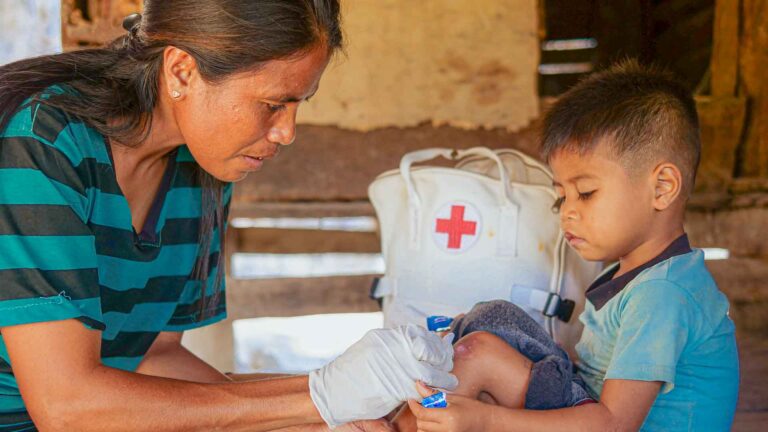
programma
Primary Medical Care nelle zone remote
Connect early assessment, treatment and referral with care in remote communities.
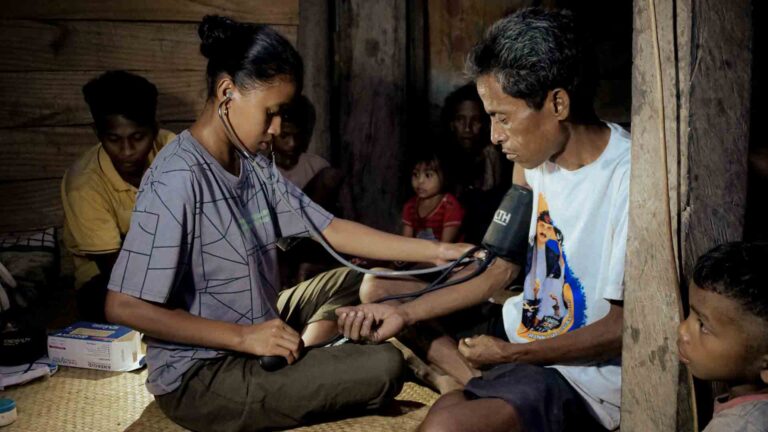
programma
Agenti sanitari rurali Kawan Sehat
Understand how trained village agents support prevention and follow-up.
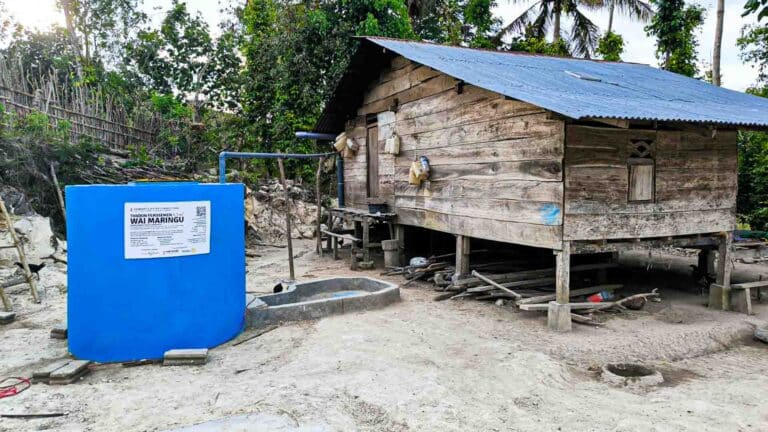
programma
Water Connections per i Villaggi Rurali
Follow the connection between reliable water, hygiene and infection prevention.
argomento
Safe drinking water and health
Learn how drinking-water safety supports prevention and rehydration.
Fonti di riferimento
- CampylobacterOrganizzazione Mondiale della SanitàConsultato
- About Campylobacter infectionCentri per il Controllo e la Prevenzione delle MalattieConsultato
- Symptoms of Campylobacter infectionCentri per il Controllo e la Prevenzione delle MalattieConsultato
- Clinical overview of CampylobacterCentri per il Controllo e la Prevenzione delle MalattieConsultato
- Diagnosis of Campylobacter infectionCentri per il Controllo e la Prevenzione delle MalattieConsultato
- Treatment of Campylobacter infectionCentri per il Controllo e la Prevenzione delle MalattieConsultato
- Preventing Campylobacter infectionCentri per il Controllo e la Prevenzione delle MalattieConsultato
- Diarrhoeal diseaseOrganizzazione Mondiale della SanitàConsultato
- Five keys to safer foodOrganizzazione Mondiale della SanitàConsultato
- Etymologia: CampylobacterEmerging Infectious Diseases, Centers for Disease Control and PreventionConsultato
- Campylobacter enteritis: a new disease, 1977M. B. Skirrow, British Medical JournalConsultato
- Enteropathogens in children with acute diarrhoea in an Indonesian hospital, 2024Wulandari and colleagues, Pediatric Gastroenterology, Hepatology & NutritionConsultato
- Primary Medical CareFair Future FoundationConsultato
- Kawan Sehat Agenti sanitariFair Future FoundationConsultato
- Water ConnectionsFair Future FoundationConsultato
- Nutrizione e alimentazioneFair Future FoundationConsultato
- Applicazione medica Kawan SehatFair Future FoundationConsultato
- Diarrhoea and vomitingServizio sanitario nazionaleConsultato
- Oral rehydration and diarrhoea medicinesCenters for Disease Control and Prevention, Yellow BookConsultato
Informazioni generali sulla salute, non una diagnosi o una prescrizione individuale.
