


Argomenti relativi alla salute
Diabetes
Understanding diabetes, recognising high and low blood glucose, and keeping treatment, foot care and follow-up within reach in rural East Sumba.
La revisione clinica della traduzione è in corso. La revisione nella lingua di origine non approva questa traduzione.
Quando la cura non può aspettare
Seek urgent care for vomiting with abdominal pain, deep breathing, confusion, severe drowsiness, seizures or collapse.
Give nothing by mouth to someone unconscious or unable to swallow safely. Tell the receiving team about diabetes, medicines and any glucose readings.
Understanding diabetes
Diabetes is a condition in which blood glucose stays too high because the body does not make enough insulin or cannot use it effectively. Insulin helps glucose move from the blood into cells for energy.
Diabetes is not contagious. It is not a measure of someone’s character or effort. Different forms have different causes and treatment needs.
A person can feel well while glucose remains high. Screening and continuing care help identify problems before symptoms become severe.
The discovery that made insulin treatment possible
Diabetes was recognised long before insulin could be used as a medicine. For people whose bodies produced very little insulin, effective long-term treatment was once unavailable.
In 1921, Frederick Banting, Charles Best, John Macleod and James Collip contributed to the development of insulin treatment in Toronto. Clinical use followed in 1922. Banting and Macleod received the 1923 Nobel Prize, sharing recognition with their colleagues.
The discovery changed survival for people with insulin deficiency. Its continuing lesson is practical: a treatment that must be taken every day needs a dependable supply, appropriate storage and someone who can help when problems arise.
The discovery of insulin and its worldwide impact · The discovery of insulin
Type 1, type 2 and diabetes during pregnancy
Type 1 diabetes usually involves immune destruction of insulin-producing cells. It can develop at different ages and requires insulin. It is not caused by a child eating sweets.
Type 2 diabetes involves reduced insulin effectiveness and, over time, inadequate insulin production. Family history, age and several health and environmental factors influence risk. It can affect people who are not overweight, as well as children and adolescents.
Gestational diabetes develops during pregnancy and is identified through antenatal testing. Follow-up matters after birth because future diabetes risk can remain increased.
Prediabetes describes glucose levels above the usual range but below the diabetes threshold. A clinician can explain what the result means and which follow-up is appropriate.
Symptoms that should lead to testing
Possible symptoms include:
- Unusual thirst and passing urine more often.
- Unexplained weight loss, tiredness or blurred vision.
- Slow-healing sores or repeated infections.
- In a child, new bedwetting alongside thirst, frequent urination or weight loss.
Type 2 diabetes can develop with few noticeable symptoms. Discuss testing if you have risk factors, previous gestational diabetes or concerning symptoms. A sudden illness in a child should not wait for routine screening.
Diabetes · What is diabetes? · Diabetic ketoacidosis
When high or low glucose needs urgent care
Seek urgent care for vomiting with abdominal pain, deep or rapid breathing, marked dehydration, drowsiness or confusion. These can be signs of diabetic ketoacidosis, sometimes the first presentation of diabetes.
Seizures, unconsciousness or inability to swallow safely are emergencies. Severe high glucose and severe low glucose can both affect consciousness; tell the team about diabetes and medicines.
A painful, infected or discoloured foot, spreading redness, fever or a rapidly worsening wound also needs prompt assessment. A person with nerve damage may have a serious wound without much pain.
Diabetic ketoacidosis · Low blood sugar: hypoglycaemia · Diabetes and foot problems
Testing and interpreting the result
Diagnosis uses blood tests, which may include fasting glucose, HbA1c or an oral glucose tolerance test. A clinician chooses the test and interprets the result alongside symptoms and health history.
A finger-prick glucose measurement can be useful for assessment and monitoring. A single reading does not always establish the diagnosis or identify the type of diabetes. Confirmation may be needed unless the clinical situation is clear or urgent.
Tell the team about pregnancy, anaemia, recent illness and medicines. Some conditions can affect how particular tests are interpreted. Ask for the result, its meaning and the next appointment in a form you can keep.
What is diabetes? · Managing diabetes
Treatment is individual, and may change
Type 1 diabetes requires insulin. Type 2 treatment may involve medicines taken by mouth or injection, including insulin, alongside food and activity advice. The plan depends on glucose levels, other conditions, pregnancy and access to medicines.
Needing insulin is not a failure. Ask how each medicine works, when to take it and what to do if a dose is missed, food is unavailable or illness prevents eating.
Do not stop or change prescribed treatment without advice. People who use insulin need a sick-day plan; insulin is especially important in type 1 diabetes even when appetite is poor.
Discuss traditional remedies and supplements openly. They can interact with treatment or delay effective care, and should not replace prescribed insulin.
Managing diabetes · Diabetes · Diabetic ketoacidosis
Recognising and responding to low blood glucose
Insulin and some other diabetes medicines can lower glucose too far. Warning signs can include shaking, sweating, hunger, a racing heart, irritability, dizziness or confusion.
If the person is awake and able to swallow, follow their agreed hypoglycaemia plan and give a fast-acting source of sugar. Check glucose if a meter is available, and recheck after the interval in the plan, commonly 10–15 minutes. Children need age-appropriate instructions from their team.
If the person is unconscious, having a seizure or cannot swallow, give nothing by mouth. Arrange emergency help. Use prescribed glucagon only if available and someone knows how to give it.
After recovery, the person may need longer-lasting food and a review of why the episode happened. Repeated episodes require clinical advice.
Low blood sugar: hypoglycaemia
Food, activity and everyday life
A sustainable food plan should fit the household, culture and budget. Discuss portions, meal timing, available vegetables, pulses and protein foods, and reducing sugary drinks. Rice does not need to become a source of blame; the overall eating pattern and treatment plan matter.
Physical activity can support health, but plans must account for illness, foot wounds, age and medicines that cause hypoglycaemia. Someone doing heavy farm work may need advice about food, fluids and glucose checks.
Nutrizione e alimentazione provides a natural link between health information and what a family can obtain. Restrictive advice that leaves someone hungry or unable to work needs review.
Avoid tobacco and discuss alcohol with the clinical team. Smoking adds cardiovascular risk; alcol can complicate glucose management and increase hypoglycaemia risk with some treatments.
Managing diabetes · Nutrizione e alimentazione · Diabetes
Protecting feet and noticing wounds early
Diabetes can damage nerves and reduce circulation. Check both feet regularly, including soles and between toes; use a mirror or ask someone you trust if needed.
Wear well-fitting footwear and avoid walking barefoot. Wash gently, dry carefully and ask for help with nails, thick skin or reduced sensation. Do not cut away calluses or use burning or caustic treatments on a wound.
Seek early advice for a blister, broken skin, swelling, warmth or colour change. Do not wait for pain. Ask where wound care and urgent referral are available.
Foot infection can become serious. Our sepsis sheet explains why rapidly worsening illness needs urgent care; it does not mean every wound will lead to sepsis.
Follow-up looks beyond a single glucose result
Continuing care includes reviewing glucose, blood pressure, medicines and cardiovascular risk. Kidney tests, eye assessment and foot checks can identify problems that may initially cause few symptoms.
Ask which checks are due, where they can be performed and how the results will reach you. Hypertension and diabetes often need care together.
Plan medicine refills before supplies run out. For insulin, follow the product-specific storage instructions and discuss heat, travel and any lack of refrigeration with the team; do not assume all preparations have identical limits.
Preventing type 2 diabetes and reducing complications
- Arrange risk-based testing. Ask about family history, previous gestational diabetes and other reasons to check glucose.
- Build realistic food and activity habits. Changes need to be affordable and suitable for the person’s health.
- Continue treatment and scheduled checks. Feeling well is a good time to prevent complications.
- Keep a written illness and low-glucose plan if your treatment can cause hypoglycaemia.
- Seek help with tobacco, wounds and medicine access. Small problems are easier to address before they become emergencies.
Type 2 diabetes can often be prevented or delayed. There is currently no established routine way to prevent type 1 diabetes; a person who develops it has not failed at prevention.
Diabetes · What is diabetes? · Managing diabetes
Keeping diabetes care within reach in East Sumba
WHO has highlighted gaps in diabetes detection and treatment in Indonesia. In remote communities, the practical question is often how a person will obtain the next test, refill or review when transport costs compete with household needs.
Attraverso Primary Medical Care e Kawan Sehat Agenti sanitari, education and first contact can help people recognise concerning symptoms, bring medicines to an appointment and seek advice about a wound. Monitoring and treatment decisions remain under appropriate clinical supervision.
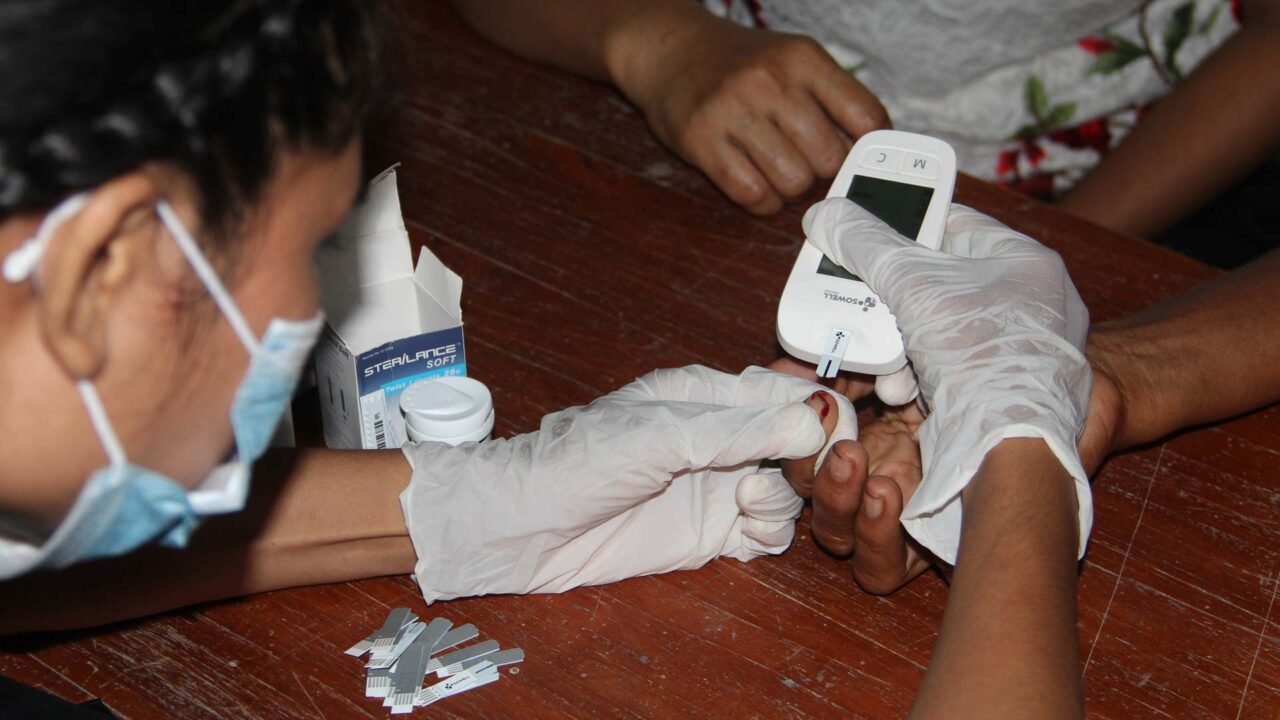
A health worker carries out finger-prick testing during a community care day organised by Fair Future. The photograph illustrates access to testing and care; it does not establish a diagnosis or reveal a result.
A useful plan names a reachable service, a refill date and an emergency contact. Regular care should be organised around the realities of the person’s life.
Indonesia: remaining gaps in detection and treatment of chronic disease · Primary Medical Care · Kawan Sehat Agenti sanitari
Questions for your next appointment
- Which type of diabetes do I have, and which tests confirm it?
- What are my treatment and glucose targets?
- Can these medicines cause low glucose, and what is my response plan?
- What should I do when ill, travelling or unable to eat?
- When are my next eye, kidney and foot checks, and where can I refill medicines?
Programmi correlati e risorse del settore
programma
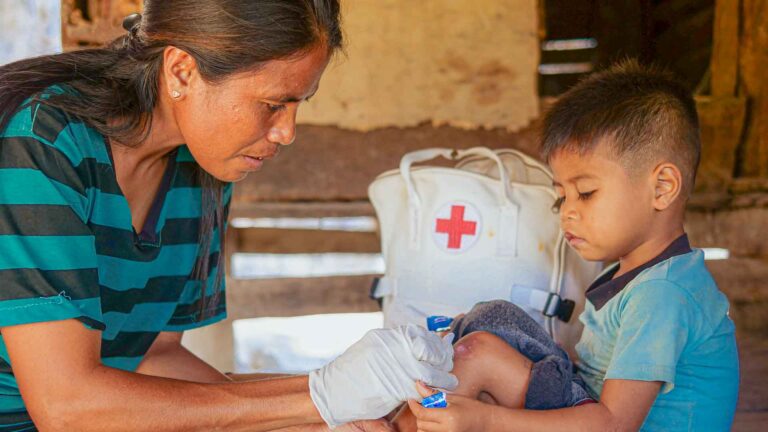
Primary Medical Care nelle zone remote
Connect early assessment with continuing clinical care.
programma
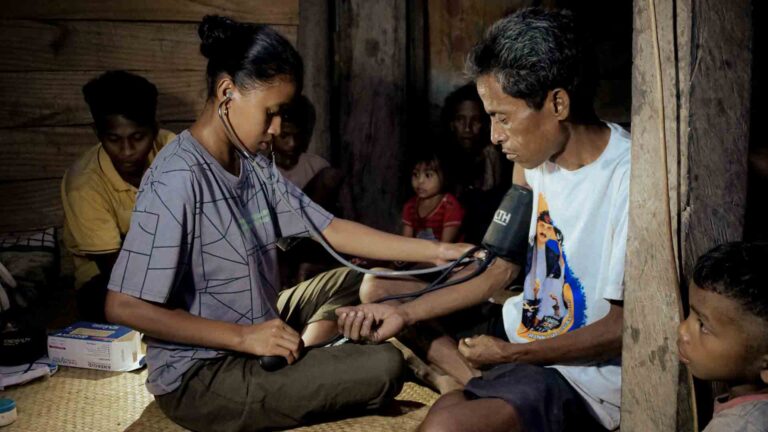
Agenti sanitari rurali Kawan Sehat
Explore community support for health education and follow-up.

programma
Nutrizione e alimentazione per i villaggi remoti
Connect nutrition advice with household realities.
Fonti di riferimento
- DiabetesOrganizzazione Mondiale della SanitàConsultato
- What is diabetes?National Institute of Diabetes and Digestive and Kidney DiseasesConsultato
- Managing diabetesNational Institute of Diabetes and Digestive and Kidney DiseasesConsultato
- Diabetes and foot problemsNational Institute of Diabetes and Digestive and Kidney DiseasesConsultato
- Low blood sugar: hypoglycaemiaServizio sanitario nazionaleConsultato
- Diabetic ketoacidosisServizio sanitario nazionaleConsultato
- The discovery of insulin and its worldwide impactUNESCO Memory of the WorldConsultato
- The discovery of insulinDiabetes UKConsultato
- Indonesia: remaining gaps in detection and treatment of chronic diseaseOrganizzazione Mondiale della SanitàConsultato
- Nutrizione e alimentazioneFair Future FoundationConsultato
- Primary Medical CareFair Future FoundationConsultato
- Kawan Sehat Agenti sanitariFair Future FoundationConsultato
Informazioni generali sulla salute, non una diagnosi o una prescrizione individuale.
