


Argomenti relativi alla salute
Malaria
Understanding malaria, recognising symptoms early, and connecting prevention, testing and effective treatment with care people can reach.
La revisione clinica della traduzione è in corso. La revisione nella lingua di origine non approva questa traduzione.
Quando la cura non può aspettare
Seek emergency care immediately for confusion, seizures, breathing difficulty, collapse, extreme weakness, inability to drink, repeated vomiting, jaundice, dark or bloody urine, or abnormal bleeding. Malaria can become severe quickly. Tell the healthcare team if the person lives in or has visited a malaria-affected area.
Fever during pregnancy or in a young child needs urgent assessment. Seek testing promptly even if symptoms seem mild or come and go. Contact the nearest available health centre or emergency service.
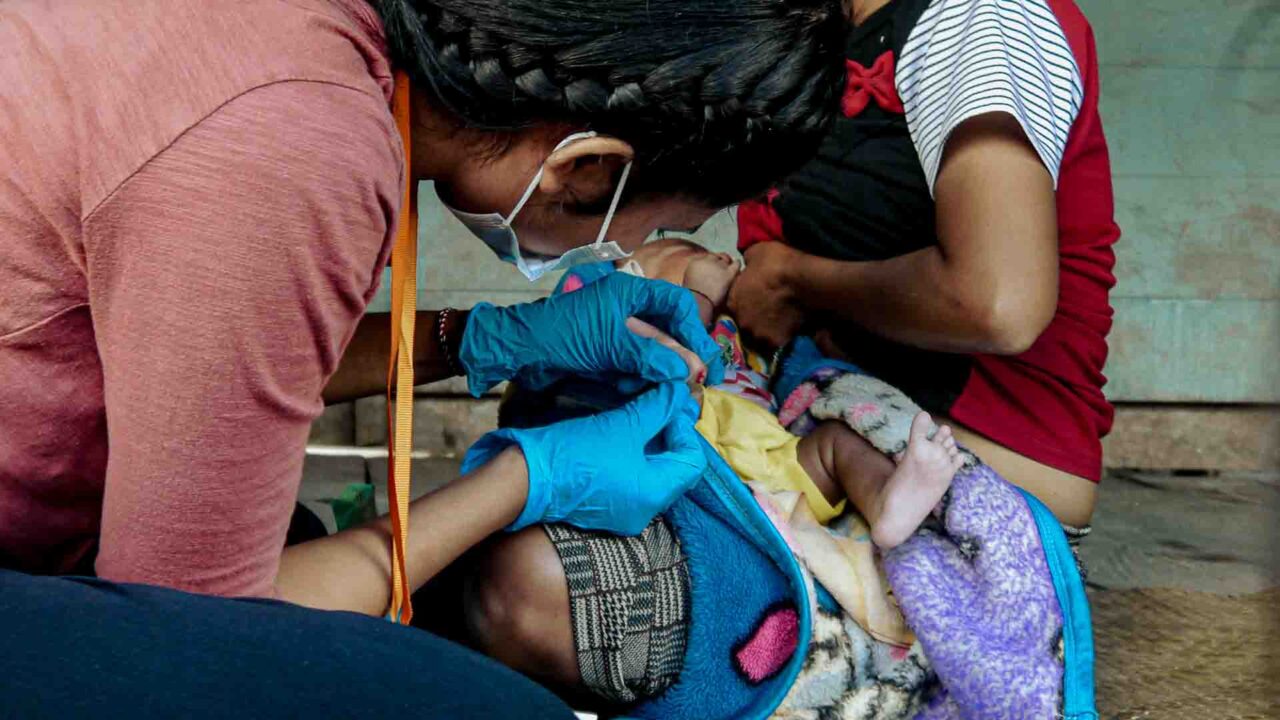
Understanding malaria
Malaria is an infection caused by Plasmodium parasites. It usually reaches people through the bite of an infected female Anopheles mosquito. The parasites first develop in the liver, then enter red blood cells. This blood stage causes the symptoms and can damage vital organs.
Plasmodium falciparum can cause rapidly progressive, life-threatening disease. Plasmodium vivax can also cause serious illness and may return after the first episode because some parasites remain dormant in the liver. Other Plasmodium species also cause malaria.
Malaria is curable with appropriate medicines. Early diagnosis and effective treatment help prevent severe illness. Having had malaria before gives no guarantee of protection against another infection.
Malaria fact sheet · Malaria questions and answers · Malaria parasite biology and life cycle
Origins and discovery of malaria
Malaria affected communities long before its cause was understood. Its scientific history connects careful observation at a patient’s bedside with the study of blood and mosquitoes.
In 1880, Alphonse Laveran identified the parasite in the blood of patients at Constantine hospital in Algeria. Observing organisms inside red blood cells helped establish malaria as a parasitic disease. His work was recognised with the Nobel Prize in Physiology or Medicine in 1907.
In 1897, Ronald Ross found developing malaria parasites in mosquitoes in India. He examined mosquitoes that had fed on a person with malaria, building on ideas investigated by Laveran and Patrick Manson. Further work clarified the parasite’s life cycle and the mosquito’s role in transmission. Ross received the Nobel Prize in 1902.
These discoveries gave prevention a biological basis. Protecting people from infected mosquitoes and treating the parasite became connected parts of malaria control.
Alphonse Laveran and the discovery of the malaria parasite · Ronald Ross and mosquito transmission of malaria
How malaria is transmitted
A mosquito can pick up malaria parasites when it feeds on someone carrying them. After the parasites develop inside the mosquito, another bite can pass them to someone else. This cycle links infection in people with the mosquitoes around them.
Malaria does not spread through ordinary contact, shared meals, hugs or coughing. Less commonly, infected blood, contaminated needles or transmission around birth can pass the parasite to another person.
Exposure changes with local mosquito behaviour, housing, seasons and access to protection. Some people carry parasites with few or no symptoms. Testing and organised local surveillance help health teams understand transmission.
Malaria questions and answers · Malaria parasite biology and life cycle
Symptoms of malaria
Early malaria can resemble other infections. Symptoms may include the following signs.
- Fever, chills and sweating.
- Headache and muscle or body aches.
- Unusual tiredness or weakness.
- Nausea, vomiting or diarrhoea.
- Poor feeding, irritability or reduced activity in a child.
Fever can be irregular, especially early in the illness. Symptoms may appear after someone has left the area where they were infected. Tell the healthcare team about recent travel and any previous malaria or treatment.
A blood test is needed to confirm malaria. Symptoms alone cannot reliably distinguish it from dengue, another infection or a different cause of fever. Severe malaria can affect the brain, kidneys and blood. The danger signs at the beginning of this sheet call for emergency care.
Clinical features of malaria · Clinical testing and diagnosis for malaria
Where to seek care and get tested
In Indonesia, a Puskesmas is a public primary health centre. Seek prompt assessment for fever or possible malaria, particularly after living in or visiting an affected area. If local testing or treatment is unavailable, ask for a clear referral and help to reach the next service.
Within Primary Medical Care e Kawan Against Malaria, trained Kawan Sehat Agenti sanitari help families recognise illness, reach testing, understand the next step and continue care. Tests and treatment must follow the team’s training, supervision and national protocols.
Primary Medical Care in remote areas · Kawan Against Malaria in East Sumba · Kawan Sehat rural health agents
Rapid tests and microscopy
WHO recommends parasite-based testing for suspected malaria. A rapid diagnostic test looks for malaria parasite proteins in a small blood sample. Microscopy examines blood films and can help identify the parasite species and assess the infection.
Correct sampling, test storage, timing, slide preparation and interpretation matter. Trained staff must connect the result with the person’s condition and a treatment or referral plan.
A negative test needs clinical interpretation when illness continues. A clinician may arrange repeat or additional testing and assess other causes of fever. Worsening illness or danger signs need urgent care regardless of an earlier result.
Clinical testing and diagnosis for malaria
Treatment and recovery
Malaria needs effective antimalarial medicine. The healthcare team selects treatment according to the parasite species, illness severity, likely drug resistance, age, weight, pregnancy and other health needs.
Artemisinin-based combination therapies, or ACTs, combine medicines that act against the parasite and are central to treating uncomplicated P. falciparum malaria. Severe malaria requires urgent hospital care and injectable treatment, followed by a full course of oral medicine when appropriate.
Complete the prescribed course even when fever improves. Tell the team about vomiting, difficulty taking a dose, side effects or trouble collecting medicines. Fever or weakness that returns needs reassessment. Use the medicines prescribed for this episode and ask a qualified clinician before changing treatment.
Malaria treatment · Treatment of malaria
Why some malaria infections return
Con P. vivax e P. ovale, dormant liver parasites can reactivate after the blood-stage illness has been treated. Preventing these relapses may require additional medicine.
Medicines such as primaquine need assessment of G6PD enzyme activity before an appropriate anti-relapse regimen is chosen. In people with G6PD deficiency, certain medicines can destroy red blood cells and cause dangerous anaemia. Pregnancy and breastfeeding also affect which medicines are safe. The treating team must plan this care.
Malaria parasite biology and life cycle · G6PD testing and safe treatment of relapsing malaria · Malaria treatment during pregnancy
Medicines and plant remedies
WHO advises against using Artemisia teas, plant preparations or capsules to prevent or treat malaria. These preparations provide an unreliable dose and can delay effective care. Licensed antimalarial medicines are selected and given in controlled regimens.
Children, pregnancy and people at greater risk
Young children, pregnant women and people with reduced immune protection need particular attention. People living with HIV and travellers with little immunity can also be more vulnerable. Malaria during pregnancy can harm both mother and baby, including through anaemia, premature birth and impaired fetal growth.
Seek assessment promptly when these people develop fever or become unwell. Tell the clinician about pregnancy, breastfeeding, medicines and relevant health conditions. Prevention and treatment must be adapted to the person.
Malaria fact sheet · Clinical features of malaria · Malaria treatment during pregnancy
Prevenire la malaria
Prevention combines protection from mosquito bites, appropriate public health measures and access to diagnosis and treatment. Practical protection has to work for the place where someone lives and sleeps.
- Sleep under an insecticide-treated mosquito net. Cover the sleeping space properly and follow instructions for hanging, care, repair and replacement. Children and pregnant women need reliable protection.
- Reduce bites in the evening and at night. Use suitable repellent as directed, wear clothing that covers exposed skin and use window or door screens where practical.
- Support organised vector control. Indoor residual spraying should be carried out by trained teams using approved products and safety procedures. Local teams can identify mosquito breeding habitats and choose appropriate environmental measures.
- Ask about preventive medicines before travel. A clinician considers the destination and individual health needs. Follow the prescribed schedule before, during and after travel, alongside bite prevention.
- Keep testing and treatment accessible. Early recognition, accurate diagnosis and complete treatment help protect patients and reduce the parasite reservoir.
Malaria fact sheet · Vector control for malaria prevention · Preventing malaria while travelling
Malaria vaccines
WHO recommends malaria vaccines for children in eligible malaria-endemic settings. They add protection alongside mosquito nets and other measures. Ask the health centre about national recommendations and local availability. Fever still needs assessment after vaccination.
Training, medical applications and field studies
Malaria care depends on people who can use tools safely and act on the results. Through Kawan Against Malaria, Fair Future connects prevention with diagnostic support, treatment pathways and follow-up.
Kawan Against Malaria in East Sumba
Training and supervision
Continuing training for Kawan Sehat agents reinforces assessment, danger signs, prevention, documentation and referral. Malaria microscopy training strengthens laboratory practice and the quality of parasite-based diagnosis. Supervision and review help teams improve decisions after each visit.
Kawan Against Malaria in East Sumba · Kawan Sehat rural health agents · Beyond medicines, the people who bring care closer in East Sumba
Medical applications that work offline
Fair Future develops medical applications for rural care, including tools supporting malaria work and the study of infectious disease transmission. The Kawan Sehat App records symptoms, clinical findings, care given, medicines and follow-up. It works offline and synchronises when a connection becomes available.
These records and practical medical references support supervision, continuity and the recognition of local patterns. Clinical assessment, reliable tests and qualified treatment decisions remain essential.
Kawan Sehat Medical App, offline care in rural regions
Imparando dalle famiglie di Umalulu
Il Umalulu Malaria Study examines household protection, housing, access to testing and the obstacles families meet when seeking care. Field teams collected information using an offline application.
Il study methods and findings help guide practical priorities for nets, training, diagnostic access and follow-up. Research becomes useful to a family when it improves the protection or care they can actually receive.
Umalulu Malaria Study, interactive results · Umalulu malaria baseline, methods and findings
Questions to take to the health centre
- Which malaria test do I need, and what does the result mean?
- If the test is negative and I remain unwell, what happens next?
- Which treatment is prescribed, and how should I take every dose?
- Does the parasite species require treatment to prevent relapse or a G6PD test?
- Which symptoms mean I should return immediately or go to hospital?
- Where can I get help if transport or medicine supplies interrupt care?
Malaria posters in English and Indonesian
Il nostro illustrated health posters support conversations about symptoms and prevention at home, in schools and during community visits. Open the full-size PDFs to read or print.
Programmi correlati e risorse del settore
programma
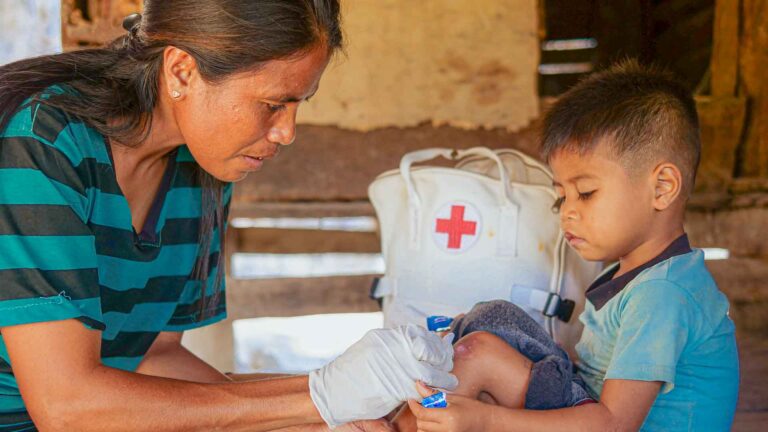
Primary Medical Care nelle zone remote
Connect prevention and treatment with primary care, medical supervision and referral in remote villages.
programma
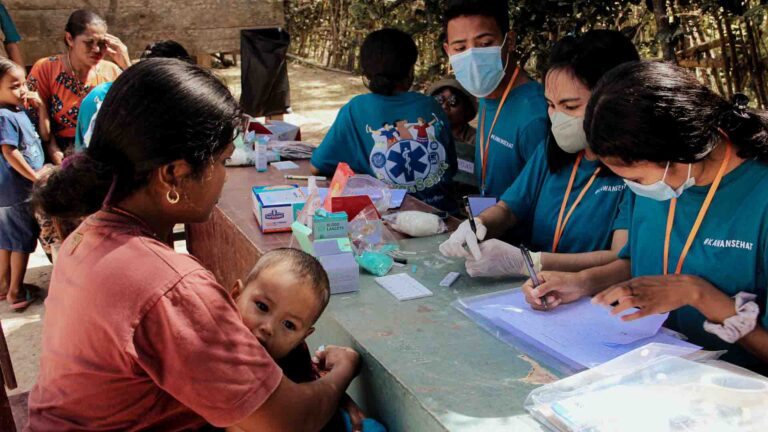
Kawan Against Malaria in East Sumba
Discover the malaria programme linking mosquito protection, testing, care and follow-up.
programma
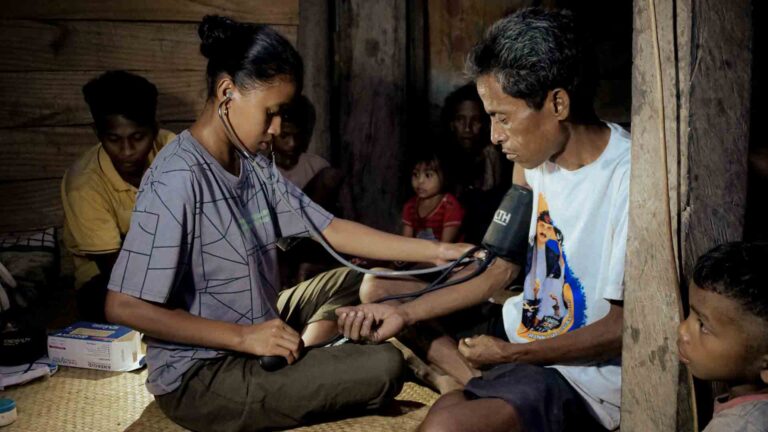
Agenti sanitari rurali Kawan Sehat
Meet the trained health agents supporting families with prevention, testing and access to care.
article
Kawan Sehat App medica – Cura offline nelle regioni rurali
Learn how offline medical applications support clinical records, supervision and continuity of care.
Fonti di riferimento
- Malaria fact sheetOrganizzazione Mondiale della SanitàConsultato
- Malaria questions and answersOrganizzazione Mondiale della SanitàConsultato
- Clinical features of malariaCentri per il Controllo e la Prevenzione delle MalattieConsultato
- Clinical testing and diagnosis for malariaCentri per il Controllo e la Prevenzione delle MalattieConsultato
- Malaria parasite biology and life cycleCenters for Disease Control and Prevention, DPDxConsultato
- Malaria treatmentWorld Health Organization, Global Malaria ProgrammeConsultato
- Treatment of malariaCentri per il Controllo e la Prevenzione delle MalattieConsultato
- G6PD testing and safe treatment of relapsing malariaWorld Health Organization, Global Malaria ProgrammeConsultato
- Malaria treatment during pregnancyCentri per il Controllo e la Prevenzione delle MalattieConsultato
- Alphonse Laveran and the discovery of the malaria parasiteInstitut PasteurConsultato
- Ronald Ross and mosquito transmission of malariaScience Museum GroupConsultato
- Primary Medical Care in remote areasFair Future FoundationConsultato
- Kawan Against Malaria in East SumbaFair Future FoundationConsultato
- Kawan Sehat rural health agentsFair Future FoundationConsultato
- Vector control for malaria preventionWorld Health Organization, Global Malaria ProgrammeConsultato
- Preventing malaria while travellingCentri per il Controllo e la Prevenzione delle MalattieConsultato
- Beyond medicines, the people who bring care closer in East SumbaFair Future FoundationConsultato
- Kawan Sehat Medical App, offline care in rural regionsFair Future FoundationConsultato
- Umalulu Malaria Study, interactive resultsFair Future FoundationConsultato
- Umalulu malaria baseline, methods and findingsFair Future FoundationConsultato
Informazioni generali sulla salute, non una diagnosi o una prescrizione individuale.
