
Climate pressures threaten child nutrition
Heat and erratic rainfall put child nutrition at risk in Indonesia. In East Sumba, we work on safe water and access to varied food together.
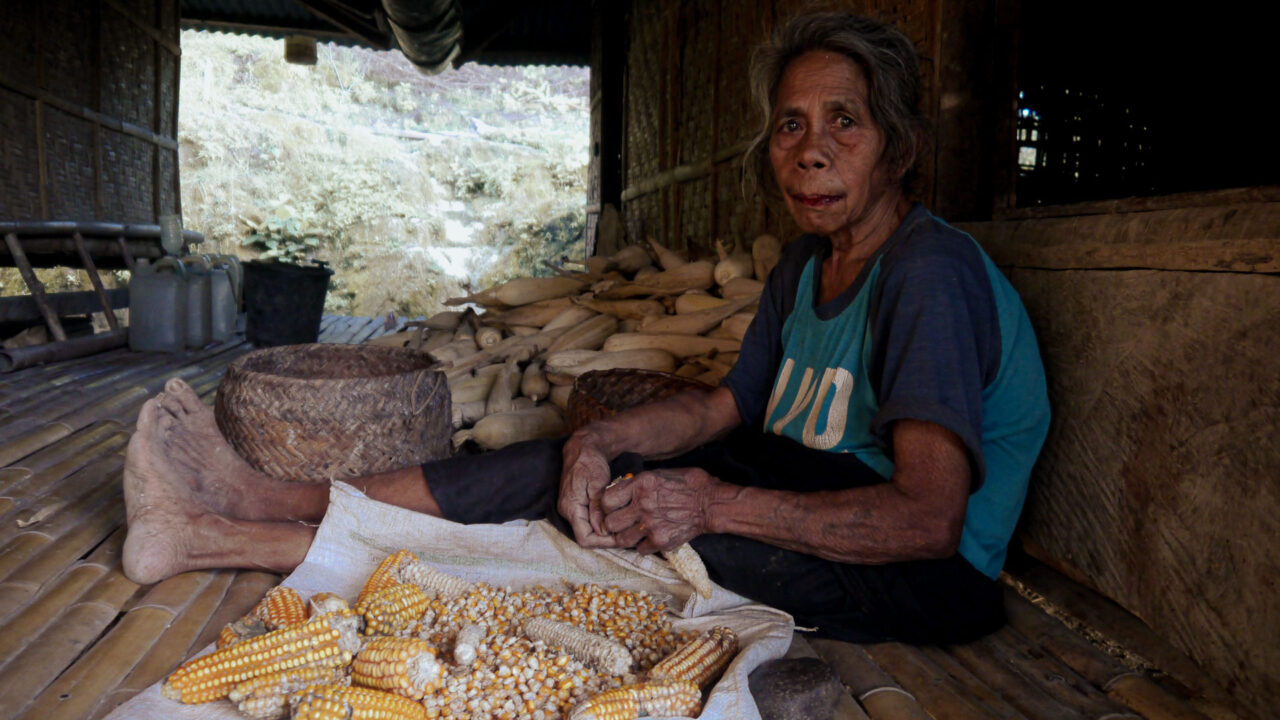
Child nutrition starts long before a meal reaches the table. In rural East Sumba, what a family can cook depends on what grew that season, what they can afford and whether there is safe water at home. When the rains arrive late or a spell of heat damages a crop, those choices narrow.
In an April 2026 analysis, UNICEF Indonesia describes how rising heat, irregular rainfall and extreme weather disrupt food supplies. Its review of the evidence also shows how climate shocks can disrupt water, sanitation and essential nutrition services. These reports describe risks across Indonesia. They do not measure how many children in East Sumba are affected.
What protects child nutrition in East Sumba
We have documented households that depend heavily on maize. It feeds families, but it cannot provide everything a growing child needs. Advice to add beans, leafy greens or eggs is useful only if a family can grow, buy or obtain them. Safe water is also needed to cook and wash hands and utensils.
Durch Water Connections, we work with communities to collect and store rainwater closer to homes and schools. Our Nutrition and Food programme ties practical food education to what families can actually find and afford. Where there is enough water, a household garden can be part of that work. Our Agenten von Kawan Sehat help families recognise when a child needs assessment and connect them with care.
A child cannot wait for the next good harvest. Bringing safe water closer, making varied food easier to obtain and keeping care within reach are three parts of protecting the same child.