Ein Wort von Alex: Der unerbittliche Kampf für medizinische Gleichberechtigung in East Sumba
Amid the absence of substantial international aid, the foundation stands as a beacon of medical equity. The article looks inside at the immense challenges and critical work involved in uplifting one of Southeast Asia’s most impoverished areas.
Hello to everyone, it’s Alex. How are you today?
In the remote regions of East Sumba, days and often nights are neither calm nor peaceful. The serenity is regularly pierced by sounds that offer no comfort—those of acute pain inflicted by infectious diseases like Malaria, dengue, tuberculosis, and polio, and Hunger und Durst. Often, too, it is the sound of death.
This is not a cinematic dramatization; it’s the terrifying and unbearable reality lived by tens of thousands of people. My name is Alex Wettstein, and as the founder of Fair Future Foundation, I feel compelled to break this silence, not with placating words but with deliberate and authentic indignation.
Die #ZeroMalaria Programm we initiated carries with it seeds of hope, just like our fight against other infectious Erkrankungen. I have both the pride and frustration to announce the availability of the interim report on this program. Yes, it’s in English, but I implore you to take the time to read it, reread it, understand it, and share it. This is not just a stack of papers; it’s the reflection of an ongoing battle—a battle upon which hundreds of thousands of families depend here in the most remote and impoverished regions of Indonesia and Southeast Asia.
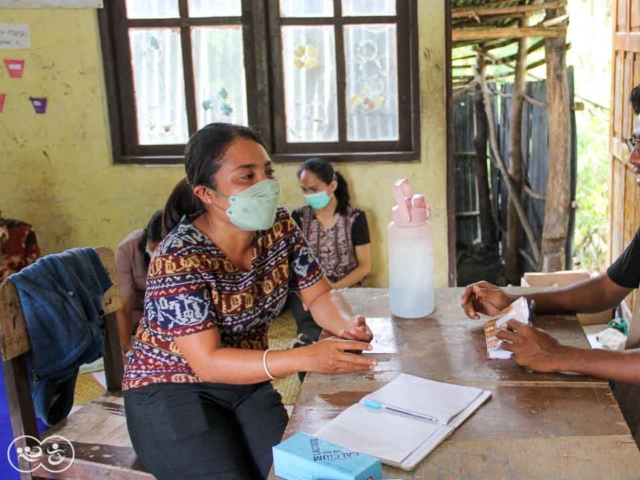
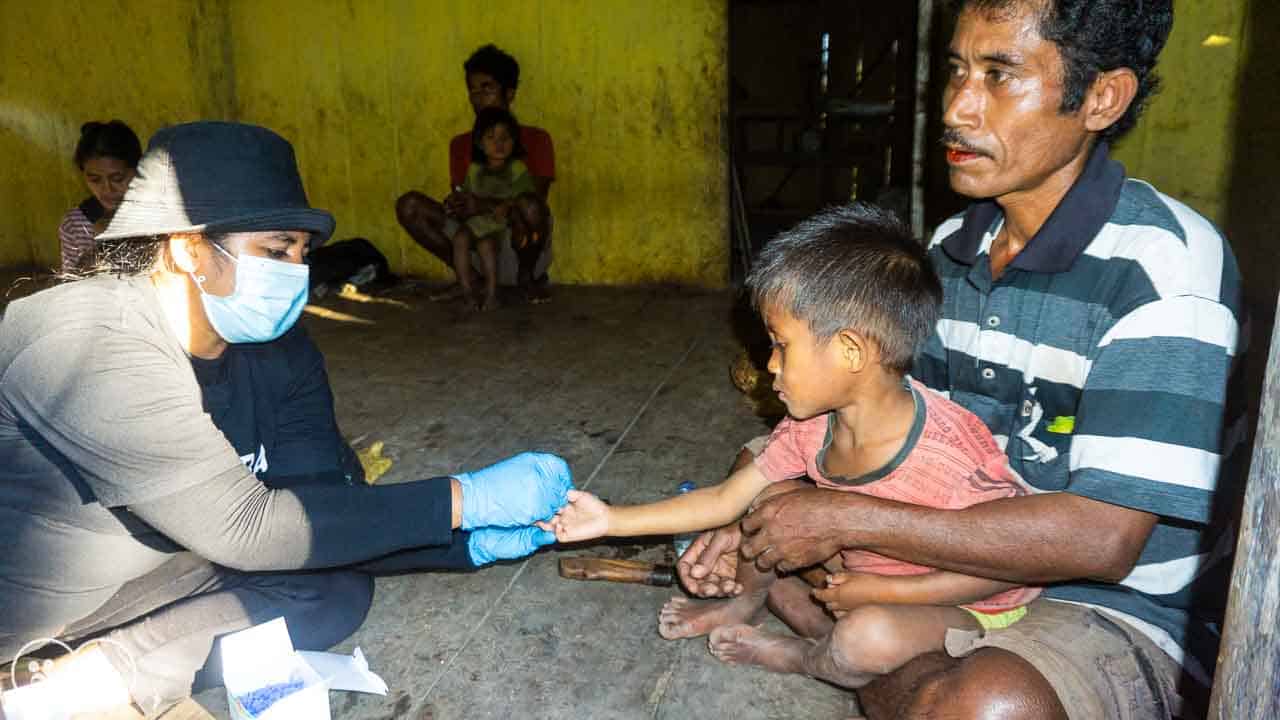
You might wonder why this battle is so long-winded. Even with more than a hundred people on the ground, committed to this war against diseases, Malaria does not just vanish. We fight house by house, door by door, to reduce mortality, identify positive cases, educate, and engage in proactive prevention.
For all of us, every life saved is a victory, but each death is a personal defeat. I can no longer bear to see Kinder, pregnant women, and chronically ill patients succumb to these largely preventable Erkrankungen, if only we are given the means to fight them. I can no longer accept watching kids die from hunger, thirst, lack of sanitation, or access to medicine, sufficient medication, clean water, or food.
The struggle is intense, and I must commend our team members’ courage, strength, and immense professionalism in the field. These individuals, nearly 70 of whom are volunteers, work under incredibly challenging conditions, yet their determination never wavers. They deserve more than applause; they deserve tangible and financial support that will help eradicate these Erkrankungen.
It’s no small feat for a small Swiss medical foundation, founded in 2008 by two idealistic individuals, to be the only organization battling these afflictions. Yes, you read that correctly: We are alone here in one of the poorest regions, where the aridity of the land resembles that of dry African regions.
Where, indeed are these large organizations? Despite our ongoing efforts to raise awareness and multiple invitations to witness our operations firsthand, the absence of support from the authorities of our home country, Switzerland, is a staggering disappointment. But it doesn’t stop there. Dear friends, it’s time to ask: Where are organizations like UNICEF –particularly its Indonesian branch-und das Weltgesundheitsorganisation? These entities amass millions in donations, yet we see no evidence of these resources being deployed here.
We work tirelessly in remote villages like Mahu, Lahiuru, Laindatang, Lulundilo, Haray, Mbinudita, etc. These are names you won’t often hear, but they are places of urgent need, deserving of attention and action. Yet these well-funded organizations are conspicuously absent from these critical landscapes. But, we are here!
So let this serve as a reminder and a call to accountability: Publications and posts on social networks have never saved a life, treated, fed, or operated on a child. I can tell you this first-hand. While social media can spread awareness, it is no substitute for on-the-ground, tangible interventions. The pressing issues we face require more than just clicks and shares; they demand committed action and meaningful allocation of resources.
Dies coming February marks a poignant moment for all of us at Fair Future—our 15th anniversary of unwavering commitment, work, and continual presence in these communities. While this milestone is symbolically significant, it also carries a weight that presses deeply on my heart. There are moments, days, even when the challenges feel insurmountable and the urge to give up is overwhelming. But then I remember the faces of these families, their eyes filled with a desperate need and a hope that we might be their lifeline.
This commitment is not just an intellectual choice; it’s visceral, it’s in my flesh and genes—I could no more abandon them than I could abandon myself.
We stand apart from other foundations. We are unique in how we operate and our unwavering commitment to where it matters most. You should know that each donation you make, each franc you contribute, goes directly to where it’s needed most—almost 93% is channelled into medical aid projects. There are no salaries and just a minor administrative overhead here; we are all volunteers. I, for one, am perpetually on the ground, shoulder-to-shoulder with those we aim to help.
It’s not just about money; it’s about impactful action. We require a range of resources to continue our work effectively. We need medications, microscopes for accurate diagnostics, rapid tests to identify diseases in their early stages, advanced laboratory equipment for thorough analyses, and logistical support to ensure that medical aid reaches the remotest corners of these regions.
So, I extend this heartfelt call to action: Make a Spende, dear friends. Your Beitrag is not just a financial transaction; it’s a commitment to humanity, a step towards levelling the playing field in medical equity, and, most crucially, a life-saving intervention.
I feel you, and it’s comforting to know that you are there with us for these hundreds of thousands of families who rely on Fair Future. Thank you for that, and together, let’s continue this indispensable fight.
Alex Wettstein – Fair Future Foundation Medizinsoziales Camp in Ost-Sumba – Rumah Kambera, Lambanapu, 15th of October, 2023
Gesichter und Orte des Wandels: Die #ZeroMalaria Reise dokumentieren
Malaria bleibt eine der verheerendsten Krankheiten in Ostindonesien, bei der jährlich Tausende Menschen sterben und die Familien, Gemeinden und Wirtschaftssysteme betroffen sind.
Wie wir es hier in Sumba Timur tun, trägt die Verbesserung des Zugangs zu sauberem Wasser und gesunder sanitärer Einrichtungen wesentlich dazu bei, die Ausbreitung der Malaria zu verringern, indem die Lebensräume von Mücken eingeschränkt werden. Mücken benötigen Wasser, um sich zu vermehren. Wenn es keine Staunässe gibt, wenn das Wasser kühl bleibt, nicht in die Sonne kommt und nicht zirkuliert, können sie sich nicht fortpflanzen. Darüber hinaus reduzieren ausreichende sanitäre Einrichtungen die Exposition von Personen gegenüber krankheitsübertragenden Mücken.
Clean Water #waterconnections beteiligt sich aktiv an der Prävention von Komplikationen durch Malaria. Menschen mit Malaria müssen viel Wasser trinken, um eine Dehydrierung zu vermeiden – was in Regionen mit begrenztem Zugang zu sauberem Wasser schwierig sein kann, wie es in den Regionen der @fairfuturefoundation und @kawanbaikindonesia-Teams der Fall ist.
Kurz gesagt: Die Verbesserung des Zugangs zu sanitären Einrichtungen und sauberem oder sicherem Wasser ist – im Rahmen unserer medizinischen Programme – ein wesentlicher Bestandteil des Kampfes gegen Malaria. Sie wird dazu beitragen, die Ausbreitung von Krankheitsüberträgern zu reduzieren, Komplikationen zu verhindern und die Genesung von Menschen mit Malaria zu verbessern. Wir bekämpfen die Ausbreitung von #Malaria, indem wir verstehen, wie sie übertragen wird, und indem wir Zugang zu sauberem und unversehrtem Wasser bereitstellen primary medical care und sicherstellen. Wir benötigen dringend Antimalariaminipräparate und schnelle Tests zur Erkennung der Krankheit. Sie können uns helfen, indem Sie über die Website der Stiftung spenden. @unicef und @unicefindonesia? Sind Sie bereit, diese Epidemie gemeinsam mit uns zu bekämpfen? Wir sind vor Ort und brauchen Sie.