


Spenden
Support Care
Artikel & News
Feldgeschichten
Glossar
Feldführer
Environment & Climate Program
The environment enters the body
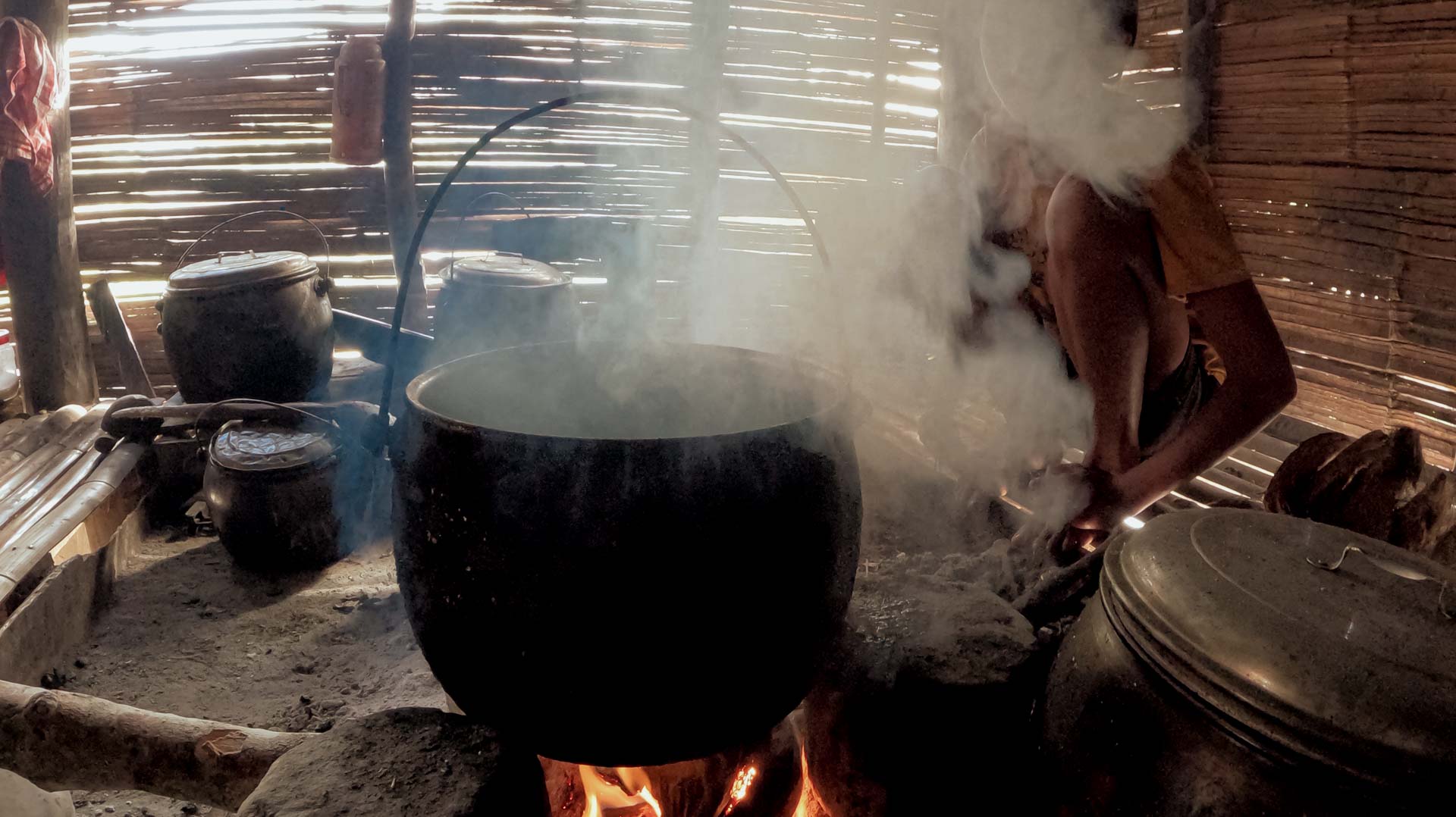
In East Sumba, climate and pollution are not distant issues. They are the water a child drinks, the smoke a mother breathes while cooking, the food a family can grow, and the infections that become dangerous when care is far away.
- Water, heat & food
- Smoke, waste & plastics
- Vectors, infection & care
Health begins before the clinic
A consultation can treat dehydration, pneumonia, diarrhoea or dengue. It cannot refill a dry well, remove smoke from a kitchen, collect a village’s waste or restore a failed harvest. This programme works further upstream: reducing exposure, building practical protection, sharing knowledge and documenting decisions that put health at risk.
Environment and health
Environmental health, lived at village level
A hotter climate does not create one disease. It changes the conditions in which many diseases become more likely, more severe or harder to treat.
Fair Future connects safer water, primary care, household air, waste, food, vector control and community education. We look at the whole pathway from exposure to illness, then work with families and local health agents on protection that can be used every day.
Economic activity is not progress when it consumes scarce water, degrades land or coasts, multiplies disposable packaging and leaves communities with the health costs. Large water-intensive projects, including industrial aquaculture in arid areas, require serious environmental and public-health scrutiny.
Four routes into illness
What we watch in every village
Drought, distant sources, unsafe storage and polluted water increase dehydration, diarrhoeal disease, skin infections and the pressure on hygiene.
Wood fires in poorly ventilated homes and the open burning of mixed waste expose families to smoke, fine particles and toxic emissions.
Heat, drought, unstable harvests and cheap ultra-processed food reduce dietary quality and weaken children’s resistance to infection.
Changing rainfall, heat, standing water and difficult access to diagnosis affect malaria, dengue and other infections that need early care.
From environment to disease
The pathway is rarely one cause
Clinical risk builds in stages. Seeing the chain makes prevention more precise and shows where local action, public services and regulation must meet.
Exposure begins at home
Smoke, unsafe water, heat, waste and low-quality food enter daily life long before a person reaches a health post.
The body loses margin
Dehydration, poor nutrition, repeated pollution exposure and exhausting work reduce the body’s ability to recover.
Disease finds an opening
Respiratory illness, diarrhoea, malaria, dengue, skin disease and other infections become more likely or more dangerous.
Distance adds severity
Transport costs, damaged roads, weak services and delayed recognition turn treatable illness into an emergency.
Local action interrupts the chain
Safer water, ventilation, waste prevention, mosquito control, nutrition, early assessment and referral reduce risk together.
Practical action, honest limits
What we can change, and what we cannot shift onto families
Environmental health fails when every responsibility is placed on the household. Communities need practical knowledge and local capacity, but they also need public systems, safer products and accountable decisions.
Work we carry with communities
- Build and maintain safer water systems
- Reduce smoke exposure and recognise respiratory danger signs
- Teach the health consequences of waste and open burning
- Strengthen food, nutrition and child-health practice
- Reduce mosquito exposure and connect testing, treatment and follow-up
- Train Kawan Sehat agents to observe, explain, act and refer
Responsibilities beyond the household
- Organised waste collection and safe disposal
- Access to cleaner and affordable household energy
- Environmental and health assessment of land, coastal and water-intensive development
- Producer responsibility for packaging and plastic pollution
- Public adaptation, surveillance, transport and healthcare
- Transparent decisions based on health, water and ecological limits
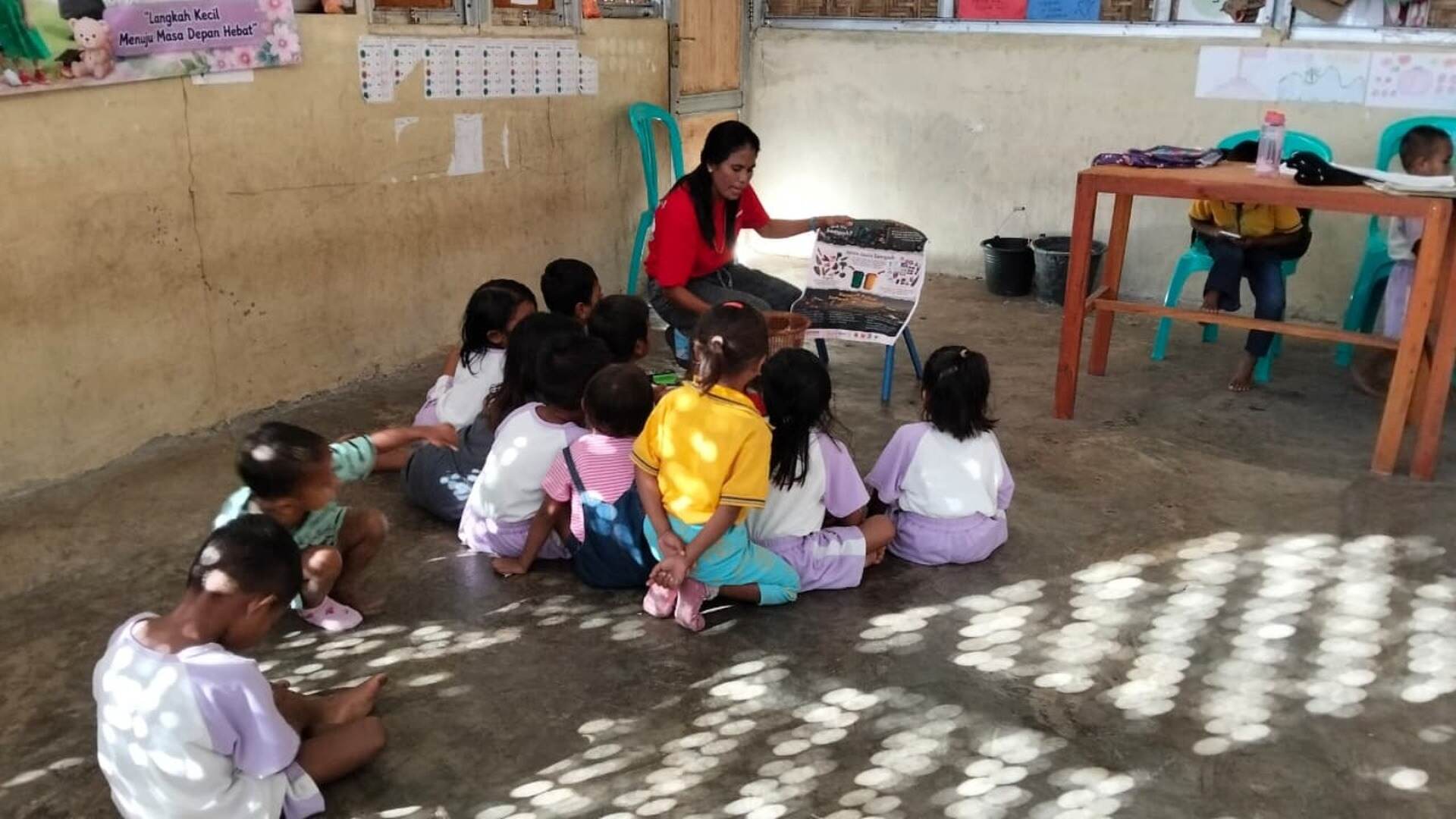
Environmental health education with children in East Sumba.
Wissen, das reisen kann
Children should not inherit the risk without the science
Education helps people connect what they see with what happens in the body. Posters, schools, local health agents and field data turn invisible exposure into practical understanding without pretending that information alone can replace public services.
Bilingual, illustrated teaching on water, hygiene, waste, malaria, nutrition and daily health choices.
A practical clinical and prevention reference for Kawan Sehat agents working far from professional care.
Structured observations reveal how housing, distance, exposure and delayed care combine in real households.
Quality checks and maintenance connect infrastructure with the health protection it is supposed to provide.
Welche Änderungen in der Praxis
Protection becomes part of daily life
Water is safer and closer
Reliable systems reduce unsafe sources, impossible journeys and the hygiene compromises created by scarcity.
Danger is recognised earlier
Families and local agents connect exposure with symptoms and know when observation must become clinical care.
Exposure becomes visible
Smoke, heat, waste, plastic, food and water are discussed as health conditions, not accepted as harmless background.
Evidence reaches public debate
Field observations and health data make it harder to ignore the costs transferred to remote communities.
HealthCooking should not cost your healthHousehold wood smoke, poor ventilation and respiratory exposure documented through field research.
GemeinschaftPlastic waste is a public-health failureWhy burning, dumping and microplastics cannot be solved by blaming households without services.
HealthWhen heat becomes a diagnosisExtreme heat as a medical risk for children, older people, pregnant women and outdoor workers.
WasserWater ConnectionsCommunity-built rainwater systems that protect health through long dry periods.
GemeinschaftMalnutrition and child healthFood quality, infection, growth and household conditions viewed as one clinical reality.
LernenTen community education campaignsIllustrated tools that make prevention understandable in homes, schools and village meetings.
ReferenceWHO climate change and healthGlobal health evidence and the actions needed to protect people from climate-related risk.
Live aus dem Feld
Environmental health, as conditions change
Two recent clinical and prevention notes from East Sumba. These notes refresh automatically when relevant Field Notes are published.
Direkt vom Feld
Latest Environment & Climate reports
Reporting from East Sumba connects heat, water, air, food, waste and climate-sensitive infections with the decisions that shape everyday health.
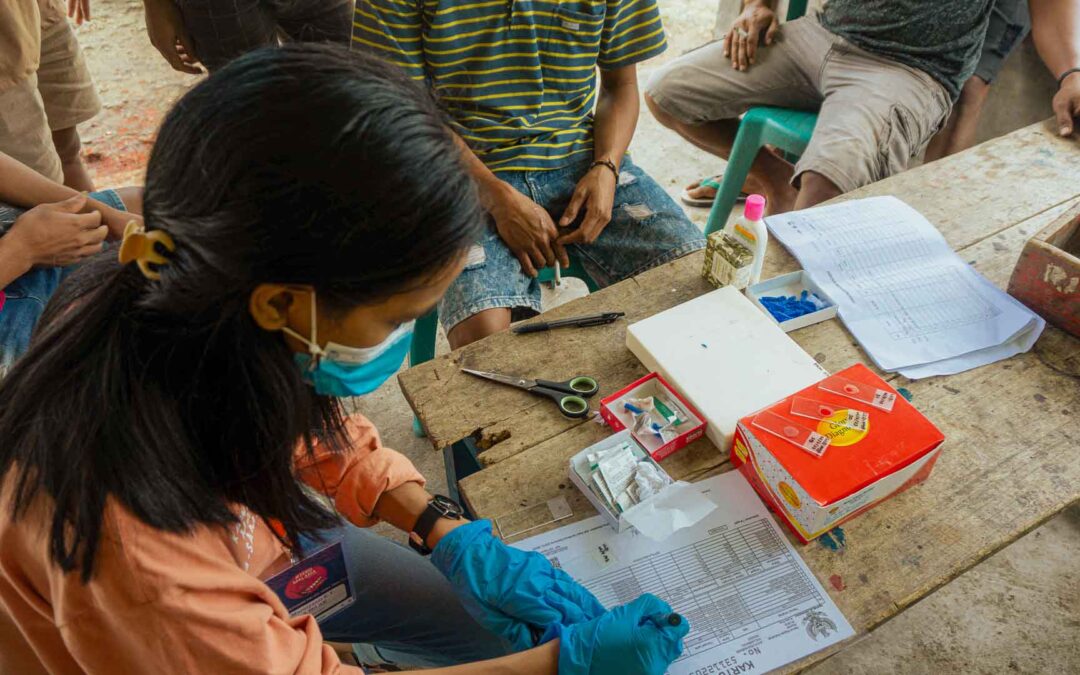
Was ist Malaria und wie kann man sie verhindern?
Malaria tritt unbemerkt ein und kann innerhalb weniger Tage tödlich sein. Aber sie ist vermeidbar. Erfahren Sie, was Malaria ist, wie sie sich ausbreitet, wer am meisten gefährdet ist und wie Fair Future täglich Maßnahmen ergreift, um diese Krankheit zu verhindern, bevor sie überhaupt auftritt.
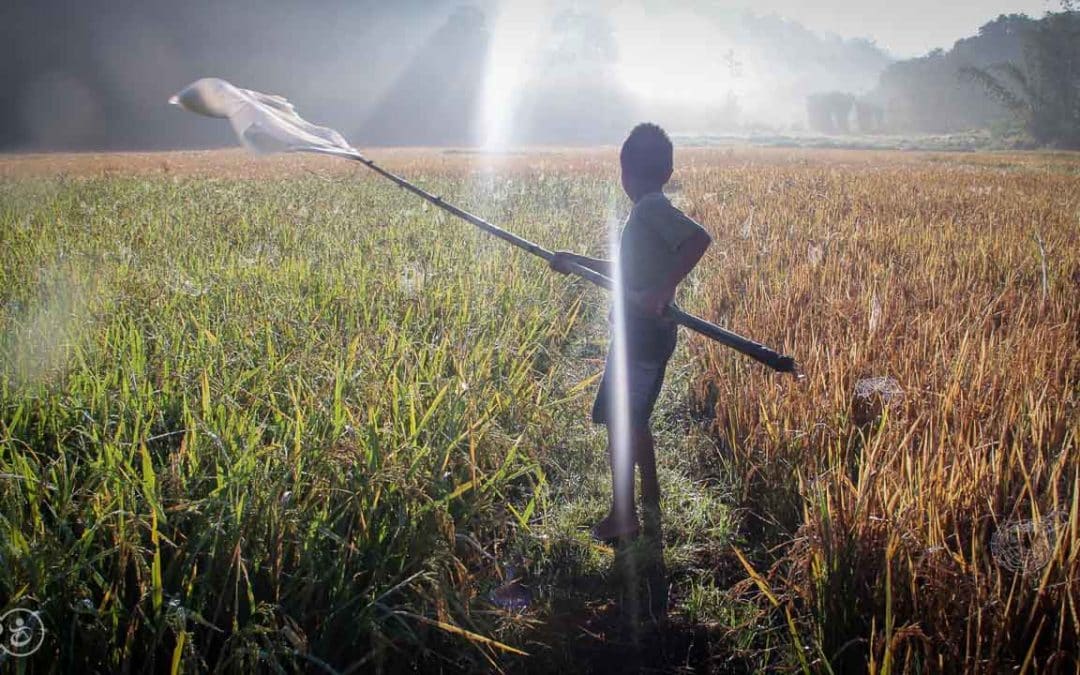
Die Pestkrise in Ost-Sumba bedroht Gesundheit und Umwelt
Seit über fünf Jahren kämpft Ost-Sumba mit einer unaufhörlichen Schädlingsbefall, der die Ernte zerstört und ernste Bedrohungen für die menschliche Gesundheit, das psychische Wohlbefinden und die Umweltgesundheit darstellt. Diese Krise erfordert sofortige und nachhaltige Lösungen, um die betroffenen Gemeinden zu schützen und das ökologische Gleichgewicht wiederherzustellen.

Die WMO bestätigt 2024 als das wärmste Jahr mit Auswirkungen auf den Wasserzugang
Die WMO hat 2024 als das wärmste Jahr in der Geschichte der Erwärmung eingestuft, wobei die Temperaturen um 1,55°C über den vorindustriellen Werten lagen. In den abgelegensten Regionen Indonesiens verschlimmert dies die Wasserknappheit und führt zu einer Verschlechterung der Gesundheitsprobleme, Unterernährung und Ausbrüchen von Krankheiten.

Luftverschmutzung erhöht die Gesundheitsrisiken für Millionen von Menschen
Luftverschmutzung stellt eine unsichtbare Bedrohung dar und betrifft weltweit Millionen von Menschen. Kleine Partikel gelangen in die Lunge und den Blutkreislauf und verursachen schwere Schäden an Herz, Gehirn und Atemwege. In Ländern wie Indonesien zählt die Luftverschmutzung zu den Hauptursachen für Todesfälle. Die Erkennung dieser Gefahren ist entscheidend für den Schutz der öffentlichen Gesundheit.
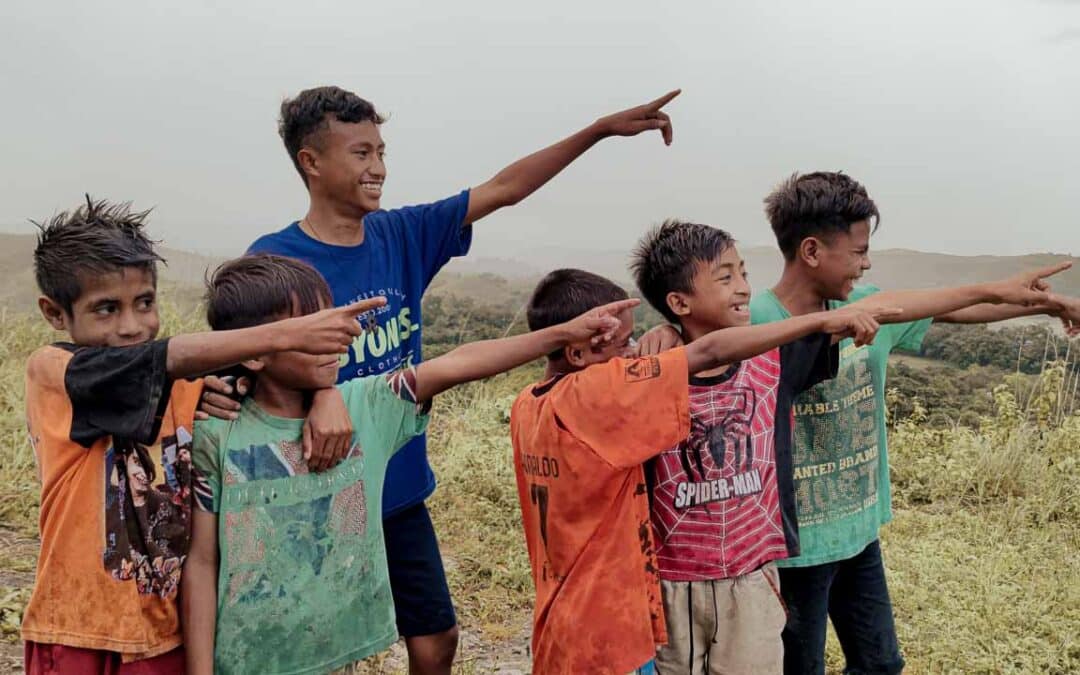
Bessere Kinder erziehen für eine nachhaltige Zukunft
Wenn wir Kinder zu empathischen, verantwortungsbewussten und umweltbewussten Menschen erziehen, können wir zu einer nachhaltigeren Zukunft beitragen. Entdecken Sie, wie diese Werte die Zukunft der Erde für kommende Generationen positiv beeinflussen können.

Die gesundheitlichen Vorteile des Lächelns in ländlichen Gemeinden
In den ultra-ländlichen Gemeinden, wo die Gesundheitsversorgung begrenzt ist und das Alltagsleben zahlreiche Herausforderungen mit sich bringt, dienen Lachen und Lächeln weiterhin als essentielle Überlebenshilfen. Lächeln lindert nicht nur Stress, stärkt auch die Immunität und fördert die Einheit der Menschen, und spielt damit eine entscheidende Rolle für die Aufrechterhaltung von Gesundheit und Widerstandsfähigkeit in einigen dieser Regionen…
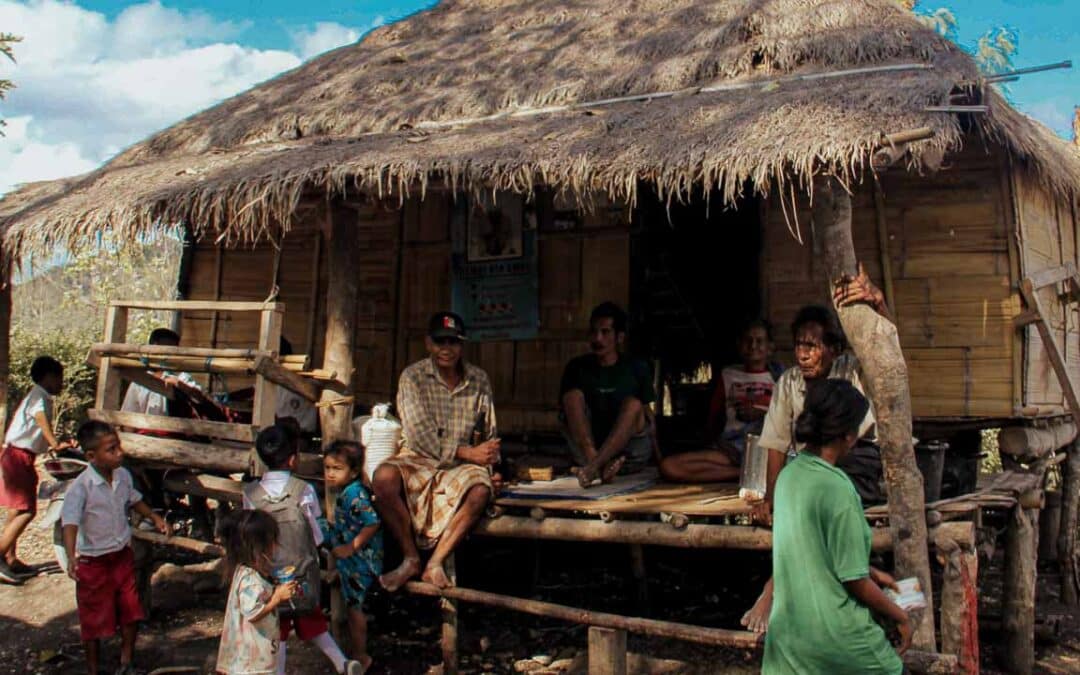
Lapinu Wasserkrise: Sehen Sie die emotionale Geschichte von Ibu Ester
Lapinu Sie kämpfen darum, ohne Strom, mangelnden Zugang zu sauberem Wasser und Kindern, die auf schwierige Routen für unsichere Vorräte wandern müssen, zu überleben. Hören Sie das herzliche Erleben von Ibu Ester über die täglichen Herausforderungen und Krankheiten, mit denen sie zu kämpfen haben. Die Initiatoren des Projekts „Sauberes Wasser“ Fair Future Foundation sind überzeugt, dass Handeln unerlässlich für ihr Überleben ist.
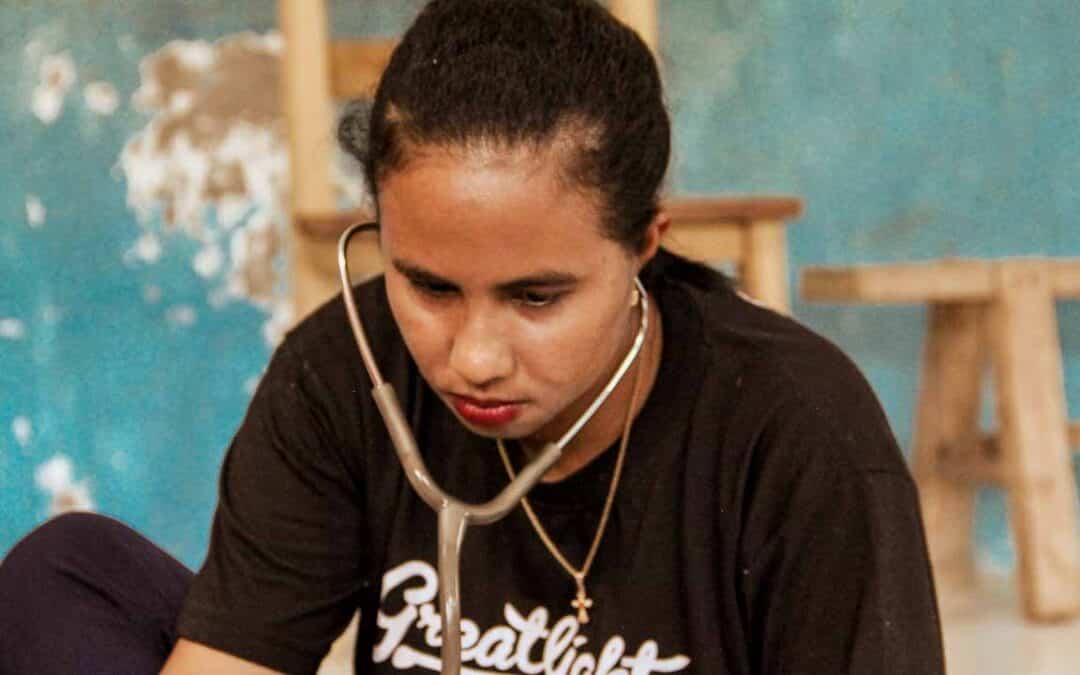
Katrinas 90-Sekunden-Appell für sauberes Wasser in Lapinu
Katrina hat drei Jahre lang als Kawan Sehat Gesundheitsbeauftragte in der Lapinu Region verbracht und dabei mit einer anhaltenden Wasserkrise zu kämpfen. Verunreinigtes Wasser fördert Krankheiten, die sanitäre Bedingungen sind katastrophal und Familien kämpfen täglich darum. In diesem 90-sekündigen Videobericht spricht sie über die dringende Notwendigkeit sauberer Wasser in ihrem Dorf. Machen Sie jetzt etwas!

Freudige Lernzeit mit Kawan Sehat Book
The Kawan Sehat book helps families in rural East Sumba learn practical habits around hygiene, nutrition, prevention and everyday health through simple shared lessons.

Steigende TB-Fälle: Ursachen und Lösungen
Die Zahl der Tuberkulosefälle steigt in ultra-ländlichen Gemeinden in Ostindonesien aufgrund unzureichender Lebensbedingungen, eingeschränkter Gesundheitsversorgung und Unterernährung. Erfahren Sie mehr über die Krankheit, deren Übertragung und die Bemühungen von Fair Future, Betroffenen Bildung, Früherkennung und Behandlung zu bieten.

Laindatang Tiefbrunnen-Tests – Hoffnung auf sauberes Wasser
Fair Future continues its groundbreaking work in Laindatang, one of the driest regions in the world. During this crucial test phase of deep well drilling, the goal is to provide access to vital water for over 600 people, including many children. Our team is dedicated to ensuring that these remote communities can flourish through improved health…

Kampf gegen Medikamentiennützung in Ost-Sumba: Ein Tag voller Hoffnung
In East Sumba, there is a shortage of medication which has reached a critical level, almost bordering on a crisis. However, there is hope in the form of Fair Future and Kawan Baik’s medical care day. This initiative provided treatment to almost 200 patients and gave them a chance at living healthier lives.
Verantwortung
Environmental work must be judged in daily life
A reservoir, a lesson, a clinic visit or a published report is an output, not the result. The result is safer water, less harmful exposure, earlier care, stronger local capacity and public decisions that stop exporting health costs to remote families.
