

Gesundheitsthemen
Cervical cancer
Understanding cervical cancer, recognising changes that need care, and connecting HPV vaccination, screening and timely treatment with women’s lives in East Sumba.
Die klinische Überprüfung der Übersetzung steht noch aus. Die Genehmigung in der Ausgangssprache stimmt dieser Übersetzung nicht zu.
Wenn die Pflege nicht warten kann
Seek urgent care for heavy vaginal bleeding, faintness, severe weakness, severe pelvic pain or difficulty breathing. If pregnancy is possible, tell the team immediately. These symptoms can have several causes and need prompt assessment.
Bleeding after sex, between periods or after menopause deserves a clinical appointment. Persistent unusual discharge or pelvic pain also needs assessment. Do not wait for the next routine screening invitation.
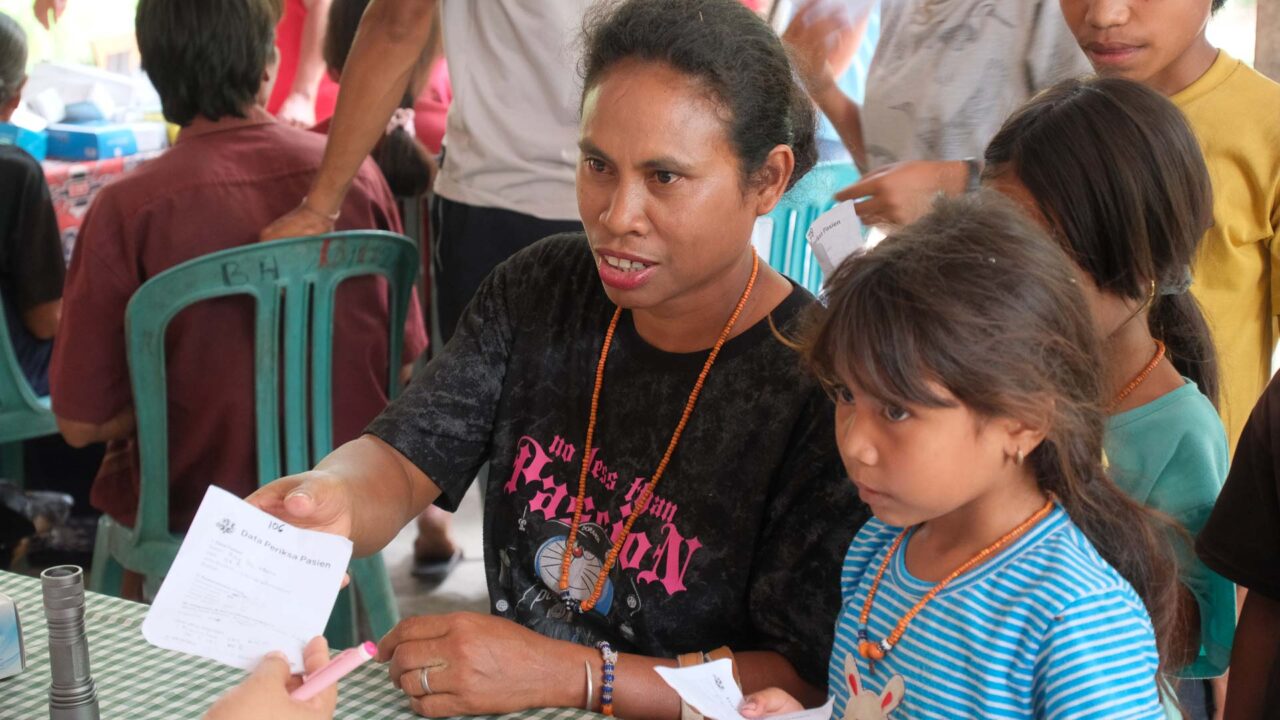
Understanding cervical cancer
The cervix is the lower part of the uterus, opening into the vagina. Cervical cancer begins when cells in this area change and grow in an uncontrolled way. Cancer of the lining of the uterus, called endometrial cancer, is a different condition.
Before invasive cancer develops, abnormal cells may remain in the surface layer of the cervix. These changes are called precancerous lesions. Finding and treating significant precancer can prevent cancer from developing.
The two main types are squamous cell carcinoma, arising from cells on the outer cervix, and adenocarcinoma, arising from glandular cells, often within the cervical canal. Tests and tissue examination help the team understand the particular disease.
Early cervical cancer can often be treated successfully. Prevention, timely diagnosis and access to treatment all matter. A woman who feels well can still benefit from screening.
Cervical cancer · Understanding cervical cancer · Cervical cancer screening
A history of looking earlier, then understanding the cause
Cervical cancer was recognised long before its viral cause was understood. A major change came when doctors learned to examine cells shed from the cervix and identify abnormal changes before an obvious tumour appeared.
In 1943, George Papanicolaou and Herbert Traut published their work on diagnosis through vaginal smears. The Pap test developed from this research. Its wider use depended on training people to collect samples and recognise cell changes under the microscope.
In the 1970s, the German virologist Harald zur Hausen pursued the idea that human papillomaviruses could cause cervical cancer. His team’s identification of high-risk HPV types in cervical tumours during the early 1980s helped establish the link. He received the Nobel Prize in Physiology or Medicine in 2008.
These discoveries opened two routes to prevention: detecting precancer through screening and preventing important HPV infections through vaccination. Making both available remains an everyday health-system task.
George Papanicolaou and the development of the Pap smear · Harald zur Hausen: HPV and cervical cancer
HPV: the main cause, without blame
Persistent infection with a high-risk type of human papillomavirus causes almost all cervical cancers. HPV is common and usually produces no symptoms. The immune system controls most infections; a persistent infection can gradually lead to harmful cell changes.
HPV can spread through intimate skin contact, including sexual contact. A person can acquire it from one partner. Condoms reduce exposure but do not cover every area where the virus can be present.
A positive test cannot establish when an infection began or who transmitted it. HPV can become detectable again after years of negative tests. A result should lead to appropriate follow-up, with respect for the person and her privacy.
High-risk HPV types associated with cancer differ from the types that usually cause genital warts. Visible warts are not a reliable guide to whether the cervix has precancerous changes.
Causes, risk factors and prevention · HPV and Pap test results: next steps · HPV and cancer
What can increase the risk?
Weakened immunity, including from HIV, makes persistent HPV infection and progression more likely. Women living with HIV need a screening plan adapted to their health, alongside continuing HIV care.
Smoking increases risk. Other factors associated with progression include some other sexually transmitted infections, having several full-term pregnancies, pregnancy at a young age and long-term oral contraceptive use.
These factors do not mean that a woman will develop cancer. They should support an individual conversation, without blame. If you use contraception, discuss benefits, risks and alternatives with a qualified clinician before changing it.
Being unable to reach screening or follow-up also changes the outcome. The route to care matters alongside the biology of the infection.
Cervical cancer · Causes, risk factors and prevention · HPV and cancer
Symptoms that deserve attention
Precancer and early cervical cancer may cause no noticeable symptoms. Waiting for pain or bleeding can miss an opportunity to find changes earlier. When symptoms occur, they can include:
- Bleeding after sex, between periods or after menopause.
- Periods that become unusually heavy or prolonged.
- Persistent watery, blood-stained or unusually strong-smelling vaginal discharge.
- Pelvic pain or pain during sex.
More advanced illness can cause ongoing back or pelvic pain, leg swelling, urinary or bowel problems, unexplained weight loss and marked tiredness.
These changes can have other causes, including infections or non-cancerous conditions. A clinical assessment can find the cause. Seek advice even if the symptoms are intermittent, you were vaccinated, or an earlier screening result was normal.
When and where to seek care
Arrange a prompt appointment for unusual vaginal bleeding, persistent discharge or pelvic pain. Bleeding after menopause always deserves assessment. Tell the clinician about pregnancy or the possibility of pregnancy, medicines and previous screening or treatment.
Go urgently if bleeding is heavy, you feel faint or very weak, or you have severe pain, fever with significant illness, or difficulty breathing. These symptoms require assessment for several possible emergencies, including conditions unrelated to cancer.
Start with the health centre or a qualified clinician. Through Primary Medical Care, Kawan Sehat Gesundheitsbeauftragte can help explain where to seek assessment and support referral. Community agents work within their training and supervision; cervical examination, diagnosis and treatment require appropriately qualified professionals.
If transport is difficult, explain that early. Ask who can arrange the next appointment, which service will receive the referral and how you will obtain your results. A referral needs an achievable next step.
Symptoms of cervical cancer · Unusual vaginal bleeding · Primary Medical Care · Kawan Sehat Gesundheitsbeauftragte
Screening while you feel well
Screening looks for HPV or abnormal cervical cells before symptoms appear. A screening result helps determine the next step. It does not replace an examination when a woman has symptoms.
An HPV test looks for high-risk virus types. A Pap test, or cervical cytology, examines cervical cells for changes. Some services use visual inspection with acetic acid, often called IVA in Indonesia. These methods have different roles and follow-up pathways; ask which test is offered.
WHO recommends screening from age 30 in the general population and from age 25 for women living with HIV. Your local service should apply the current Indonesian protocol and consider previous results, treatment history and immune status. Ask when to start and when to return rather than assuming a single timetable suits everyone.
Where a validated programme offers it, a woman may be able to collect her own vaginal sample for HPV testing. This still needs appropriate laboratory processing and a plan for results. Availability should be checked with the local service.
Continue recommended screening after vaccination. Tell the team if you have had a hysterectomy: whether the cervix was removed and any previous cervical abnormalities affect the advice.
Cervical cancer · Cervical cancer screening · Cervical cancer prevention and screening in Indonesia
A screening visit should protect dignity
Before an examination, the clinician should explain the procedure, obtain your agreement and provide privacy. Tell the team about pain, anxiety, a previous difficult examination or an experience that could make the visit distressing. You can ask for a pause or for the examination to stop.
When a cervical sample is taken by a clinician, a speculum gently opens the vagina so the cervix can be seen. A small brush collects cells. The examination can feel uncomfortable; significant pain should be discussed immediately.
Ask whether a female clinician, chaperone or trusted support person can be present, according to your preference and the service’s arrangements. Ask how results will be communicated privately, particularly if several people share a phone.
What happens at a cervical screening appointment
Understanding a positive or abnormal result
A positive HPV test means high-risk HPV was detected. It does not mean you have cervical cancer. An abnormal Pap result also needs interpretation: some changes resolve, while others need closer assessment or treatment.
The next step depends on the test, the degree of cell change, previous results and personal risk. It may involve further testing, repeat testing after an agreed interval, or colposcopy, an examination that looks more closely at the cervix.
If cancer is suspected, a biopsy takes tissue for examination by a pathologist. Imaging and other investigations may then help establish how far the disease has spread. Keep the follow-up appointment even if you feel well.
A negative screening result does not explain ongoing bleeding, discharge or pain. Return for assessment of symptoms rather than waiting until the next routine screening round.
HPV and Pap test results: next steps · Diagnosis of cervical cancer
Treating precancer before cancer develops
Treatment depends on the type and extent of the lesion and whether cancer is suspected. Suitable precancerous lesions may be treated by thermal ablation or cryotherapy, which destroy abnormal tissue. Other lesions need removal, for example with a loop excision procedure or a cone biopsy.
Some services can assess and treat eligible women in one visit. Others require further investigation or referral. A clinician must check that the chosen procedure is appropriate; a lesion suspicious for invasive cancer needs the relevant diagnostic pathway.
After treatment, follow instructions about recovery, symptoms that need urgent review and repeat testing. Treatment does not remove the need for later follow-up. Tell the team about pregnancy or future pregnancy plans before the procedure.
Diagnosis of cervical cancer · Screening and treatment of cervical precancer
Treatment when cervical cancer is confirmed
The cancer team chooses treatment according to the stage, tumour features, general health and the woman’s preferences. Options can include surgery, radiotherapy and chemotherapy. Radiotherapy may include brachytherapy, which delivers radiation close to the tumour. Selected advanced or recurrent cancers may be treated with immunotherapy or targeted medicines.
Some early cancers can be managed with treatments that preserve fertility, while others require removal of the uterus or treatments that affect fertility. If future pregnancy matters to you, raise it before treatment begins so the specialist can explain realistic options.
Ask what the proposed treatment aims to achieve, where each part takes place, its possible side effects and how the team will help manage them. Treatment availability varies between services; referral to a specialist centre may be necessary.
Care through treatment and beyond
Pain, bleeding, fatigue, changes in bladder or bowel function and difficulties with sexual health deserve care. Ask for help with symptoms, emotional distress and practical problems. Follow-up also checks recovery and possible recurrence.
Palliative and supportive care can be provided alongside other cancer treatment. It addresses comfort, symptoms and the needs of the woman and those she wishes to involve. Families may need help with transport, accommodation, childcare and repeated journeys.
A diagnosis can affect relationships and the way a woman sees her body. She should be able to choose who knows her diagnosis and who joins discussions. Clear explanations and someone who answers questions are part of good clinical care.
Treatment of cervical cancer · Palliative care in cancer
Prevention: vaccination, screening and follow-through
- Ask about HPV vaccination. It prevents important HPV infections and works best before exposure. WHO prioritises girls aged 9–14. Eligibility and the number of doses depend on the national programme, age and immune status.
- Keep vaccination and screening connected. Vaccination does not treat an existing HPV infection or cervical cancer, and it does not replace recommended screening.
- Avoid tobacco and seek support to stop smoking. Reducing exposure supports cervical health and general health.
- Use condoms and access sexual-health care. Condoms reduce HPV exposure but do not provide complete protection. Discuss other Sexuell übertragbare Infektionen when relevant.
- Complete the next step after screening. Keep results, confirm the referral and agree when to return. Seek assessment for symptoms at any age.
HPV and cancer · HPV vaccines · Human papillomavirus and cancer
Cervical cancer and access to care in eastern Indonesia
Cervical cancer remains a major cause of illness and loss among women in Indonesia. WHO and UNFPA have highlighted late diagnosis and the need to connect vaccination, screening and treatment. National prevention efforts include HPV vaccination and expansion of HPV DNA testing.
In ultra-rural East Sumba and elsewhere in Nusa Tenggara Timur, a screening invitation has to fit everyday life. A woman may need time away from work, someone to care for her children, money for transport and a private place to ask questions. A later referral may require another long journey.
Durch Primary Medical Care und Kawan Sehat Gesundheitsbeauftragte, Fair Future connects health information with care people can reach. A trusted conversation can help someone ask about bleeding she has kept to herself, understand a test result and prepare for referral. Respect and confidentiality matter at every step.
Cervical cancer prevention and screening in Indonesia · Primary Medical Care · Kawan Sehat Gesundheitsbeauftragte
A screening project in preparation with local partners
Fair Future is working with local partners on a cervical cancer screening project. The project is in preparation. Arrangements for the clinical team, screening method, participation and follow-up need to be confirmed before activities are announced.
Our work with Primary Medical Care und Kawan Sehat Gesundheitsbeauftragte gives this preparation a practical foundation: explaining the purpose of screening, listening to concerns, helping women find the appropriate service and supporting continuity under medical supervision.
Preparation must include a plan for abnormal results: who will explain them, where further examination or biopsy can take place, and how a woman can reach treatment. A test becomes useful when the next step remains within reach.
Related sheets on HIV und AIDS, STIs, menstrual health und Tabak offer further information. Unusual bleeding should always be discussed on its own clinical merits.
Primary Medical Care · Kawan Sehat Gesundheitsbeauftragte
Questions to take to the health centre
- Do my symptoms need an examination now, rather than routine screening?
- Which screening test is available, and am I eligible?
- How will I receive my result privately, and whom can I contact if it does not arrive?
- What does this result mean, and what is the next appointment?
- Where would I go for biopsy or treatment, and what support is available for the journey?
- Which HPV vaccination schedule applies to me or my child?
Verwandte Programme und Feldressourcen
Programm
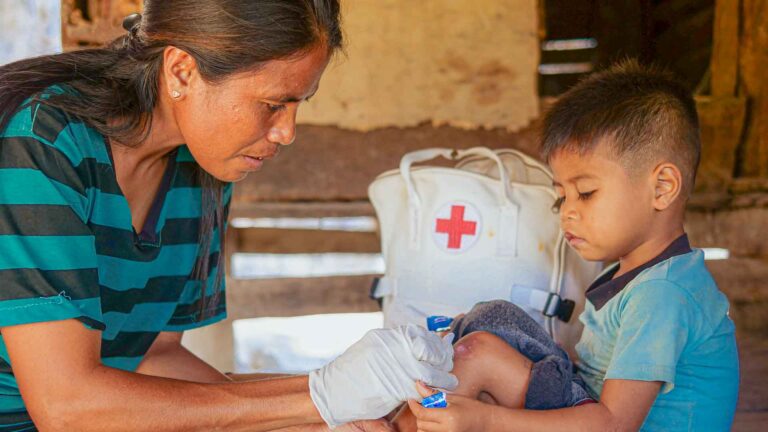
Primary Medical Care in abgelegenen Gebieten
Connect prevention, clinical assessment and referral with care in remote communities.
Programm
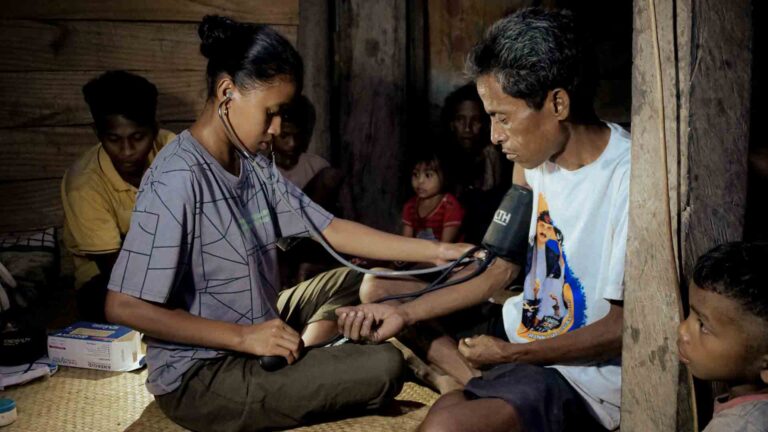
Kawan Sehat-Landesärzte
Understand how village health agents support health education and continuity of care.
Thema
Sexuell übertragbare Infektionen (STI)
Explore sexual-health information, testing and confidential care.
Referenzquellen
- Cervical cancerWeltgesundheitsorganisationBefragt
- Understanding cervical cancerNational Cancer InstituteBefragt
- Causes, risk factors and preventionNational Cancer InstituteBefragt
- Symptoms of cervical cancerNational Cancer InstituteBefragt
- Cervical cancer screeningNational Cancer InstituteBefragt
- HPV and Pap test results: next stepsNational Cancer InstituteBefragt
- Diagnosis of cervical cancerNational Cancer InstituteBefragt
- Treatment of cervical cancerNational Cancer InstituteBefragt
- HPV and cancerNational Cancer InstituteBefragt
- HPV vaccinesNational Cancer InstituteBefragt
- What happens at a cervical screening appointmentNationales GesundheitsdienstBefragt
- George Papanicolaou and the development of the Pap smearWeill Cornell Medicine ArchivesBefragt
- Harald zur Hausen: HPV and cervical cancerNational Cancer InstituteBefragt
- Cervical cancer prevention and screening in IndonesiaWHO and UNFPABefragt
- Primary Medical CareFair Future FoundationBefragt
- Kawan Sehat GesundheitsbeauftragteFair Future FoundationBefragt
- Human papillomavirus and cancerWeltgesundheitsorganisationBefragt
- Screening and treatment of cervical precancerWeltgesundheitsorganisationBefragt
- Palliative care in cancerNational Cancer InstituteBefragt
- Unusual vaginal bleedingNationales GesundheitsdienstBefragt
Allgemeine Gesundheitsinformationen, keine individuelle Diagnose oder Verschreibung.