


Handwashing with soap needs water within reach
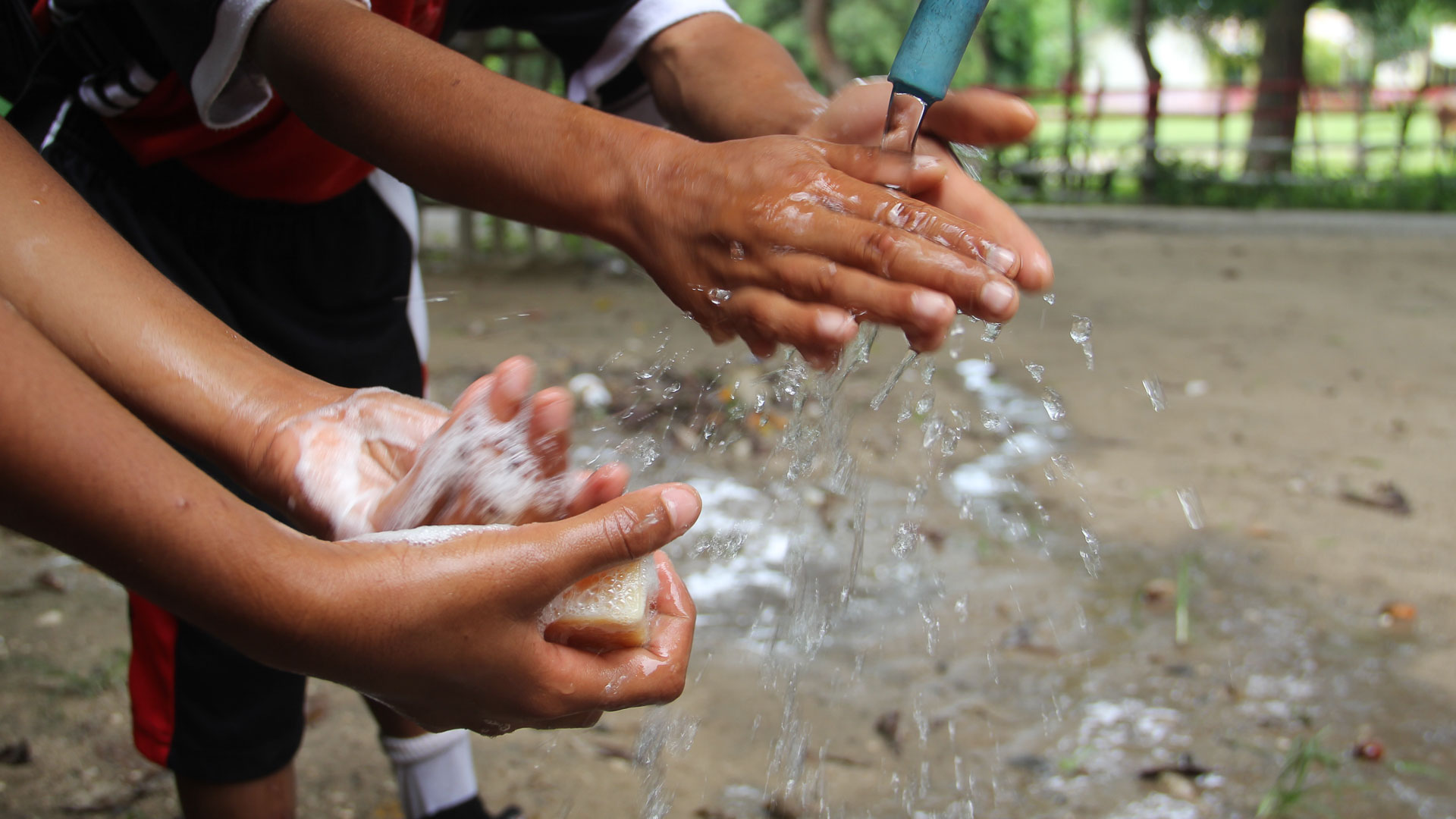
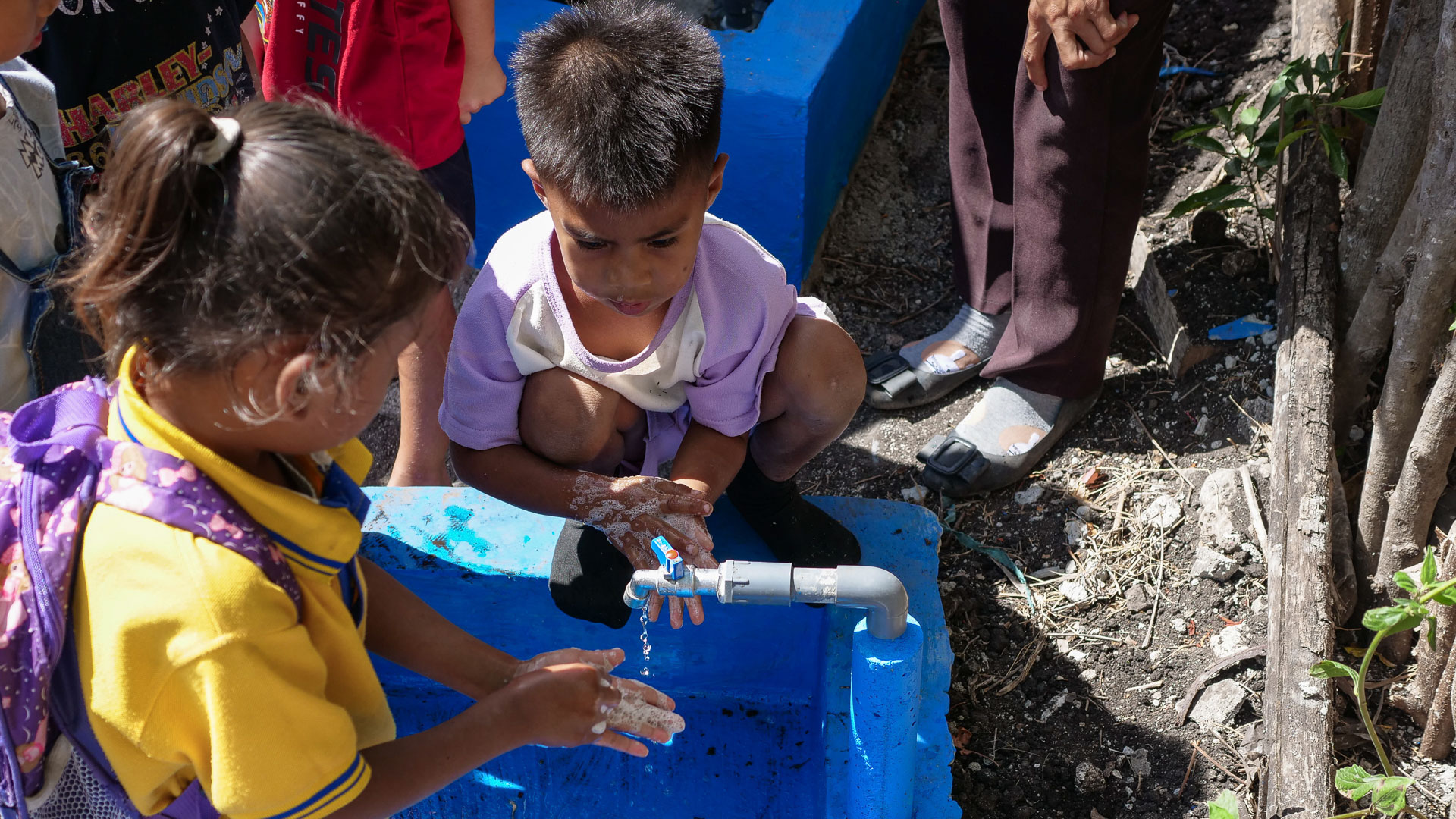
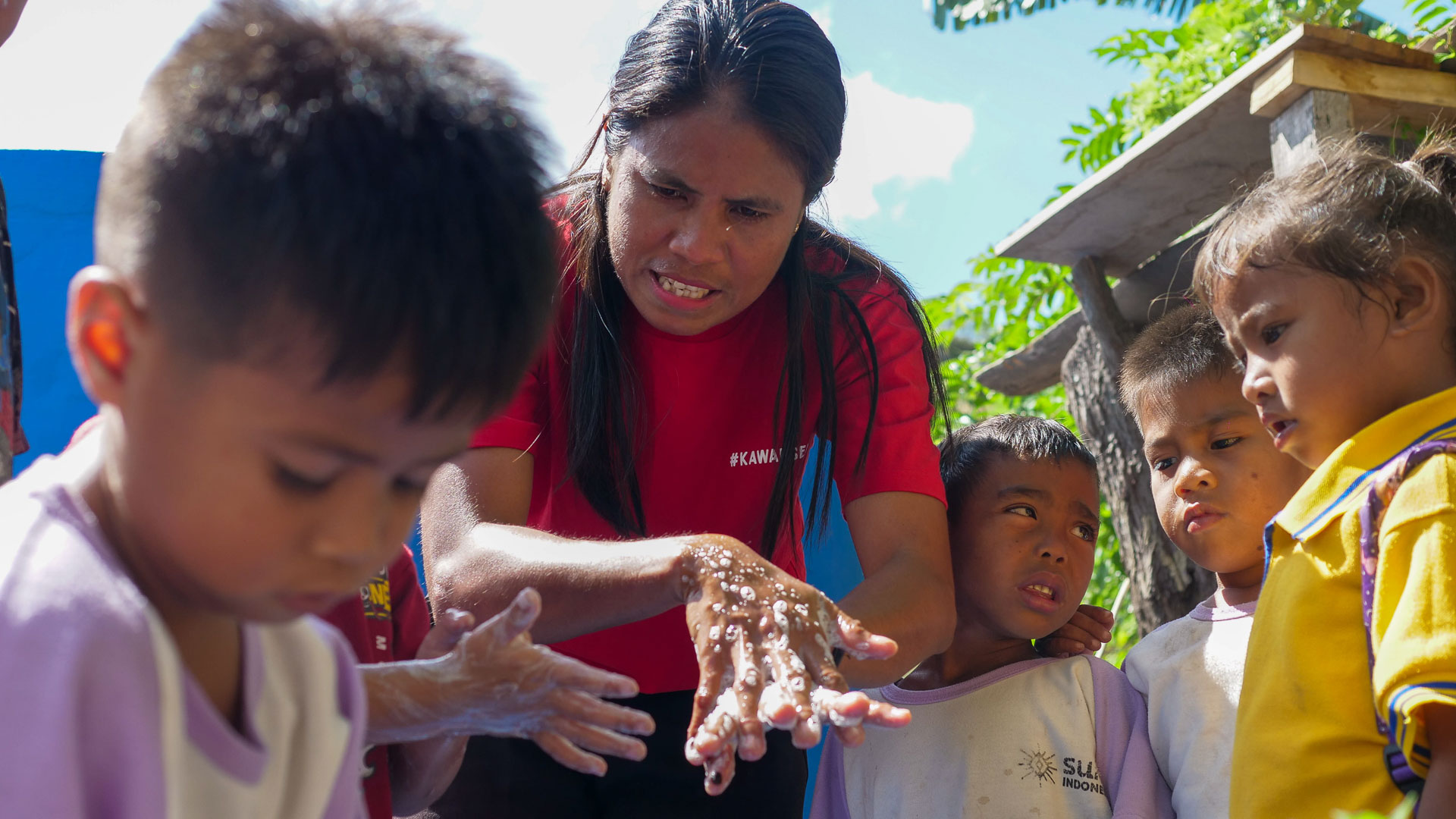
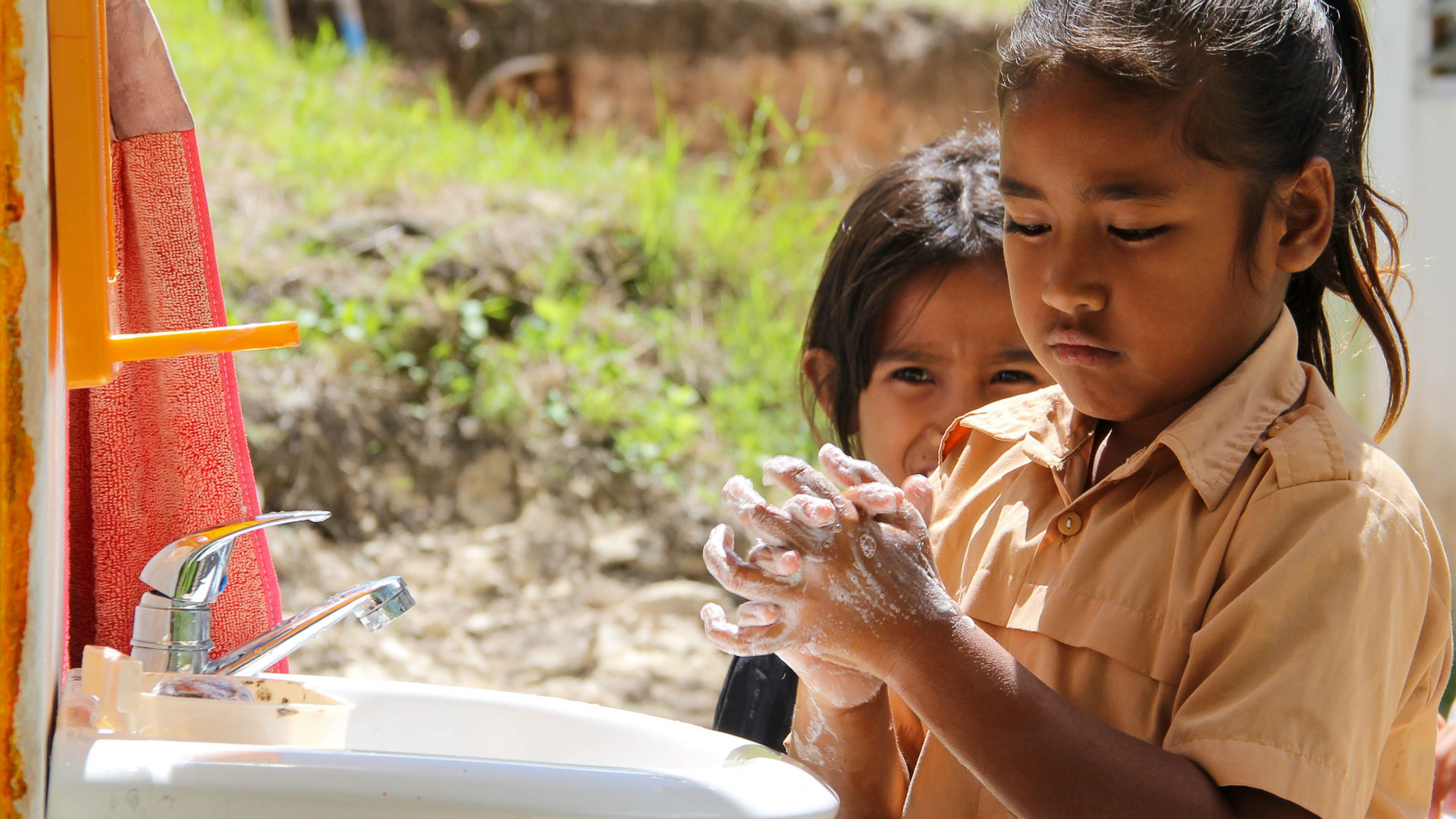
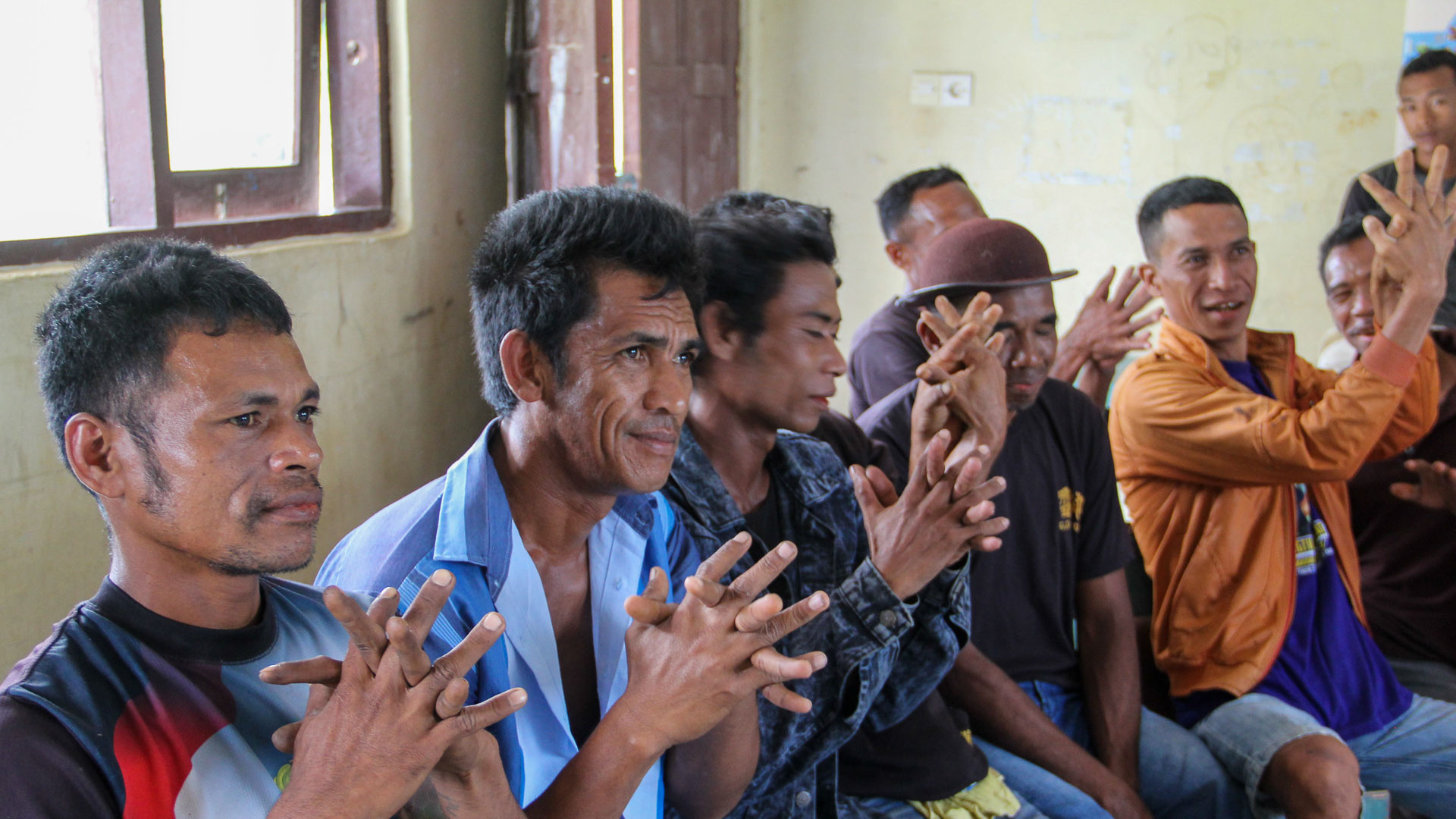
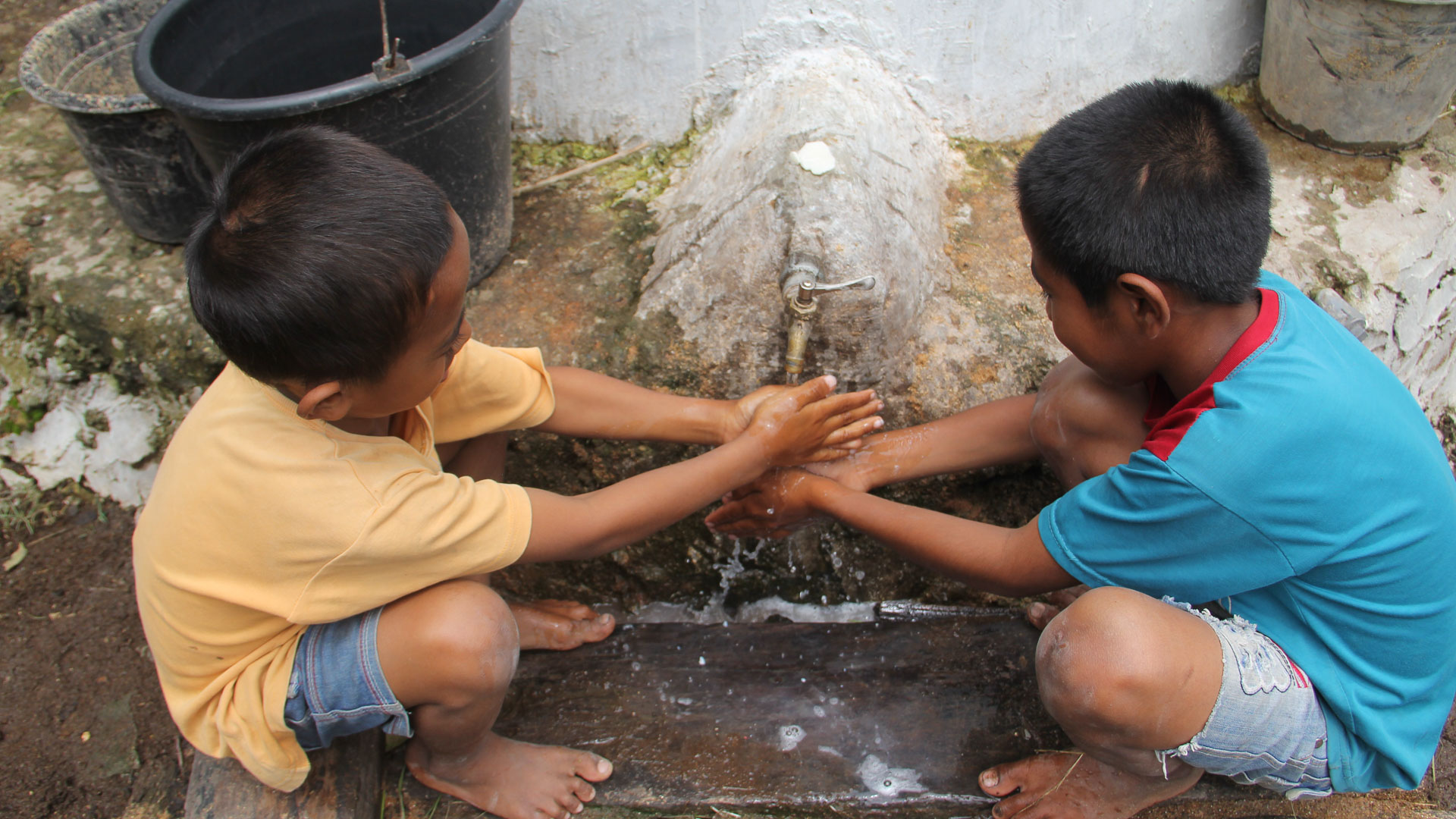
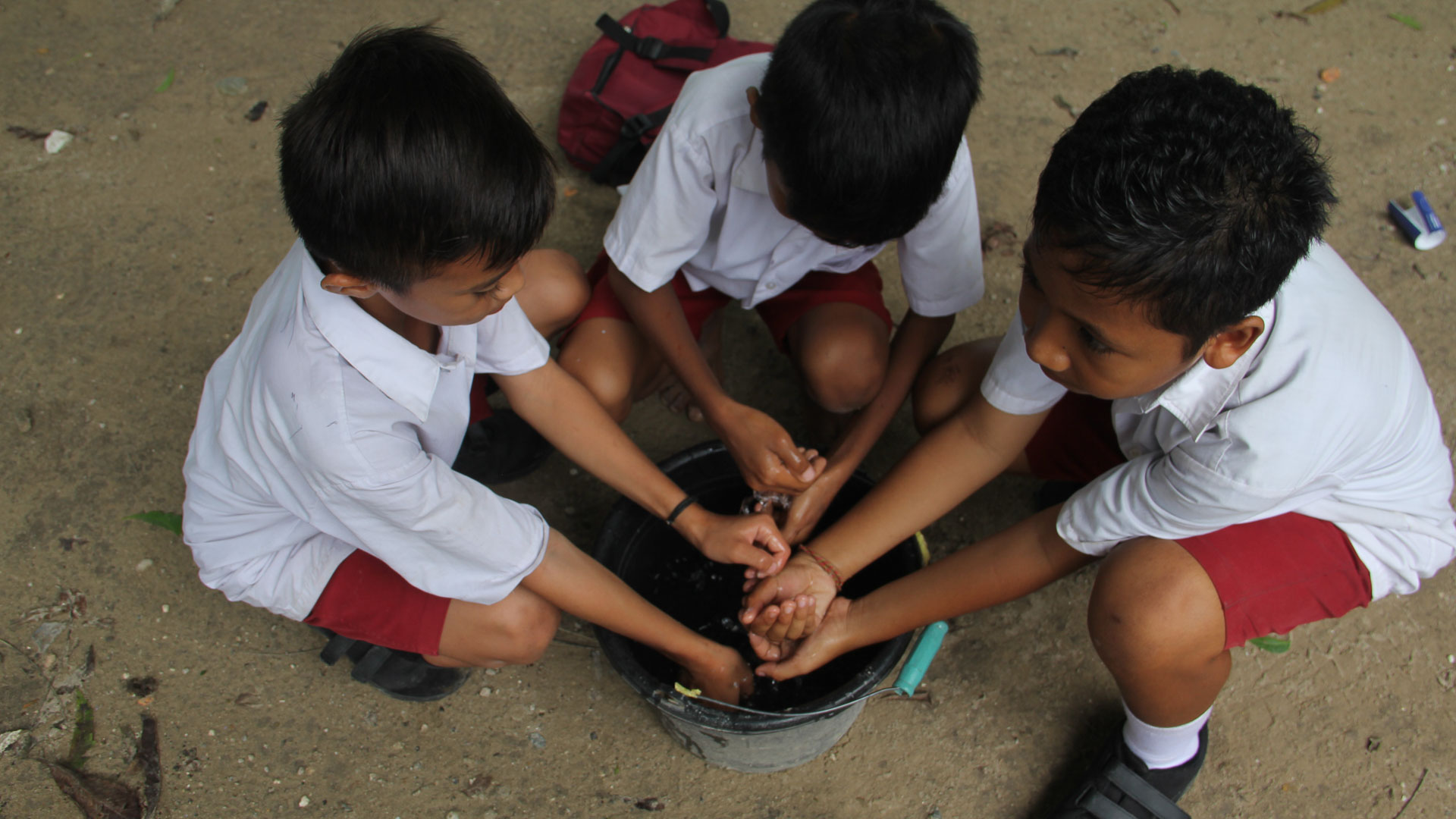
Children rub soapy hands above a blue basin under an outdoor tap. In another photograph, adults practise the movements together. In East Sumba, handwashing with soap connects these ordinary gestures to the work of Fair Future Foundation and Kawan Baik Indonesia. Global Handwashing Day, on 15 October, brings a daily question into view. Can people wash when they need to?
Where infection can be interrupted
Hands can carry germs from faeces, contaminated surfaces or respiratory secretions to food and to the mouth, nose or eyes. Washing with plain soap and water helps remove them and can reduce diarrhoeal and some respiratory infections. For a young child, diarrhoea can mean dehydration; for a family far from care, illness can also mean a difficult journey for treatment. The community hand-hygiene guidance supports prevention as part of everyday life. It does not promise protection from every infection or replace medical care when someone is ill.
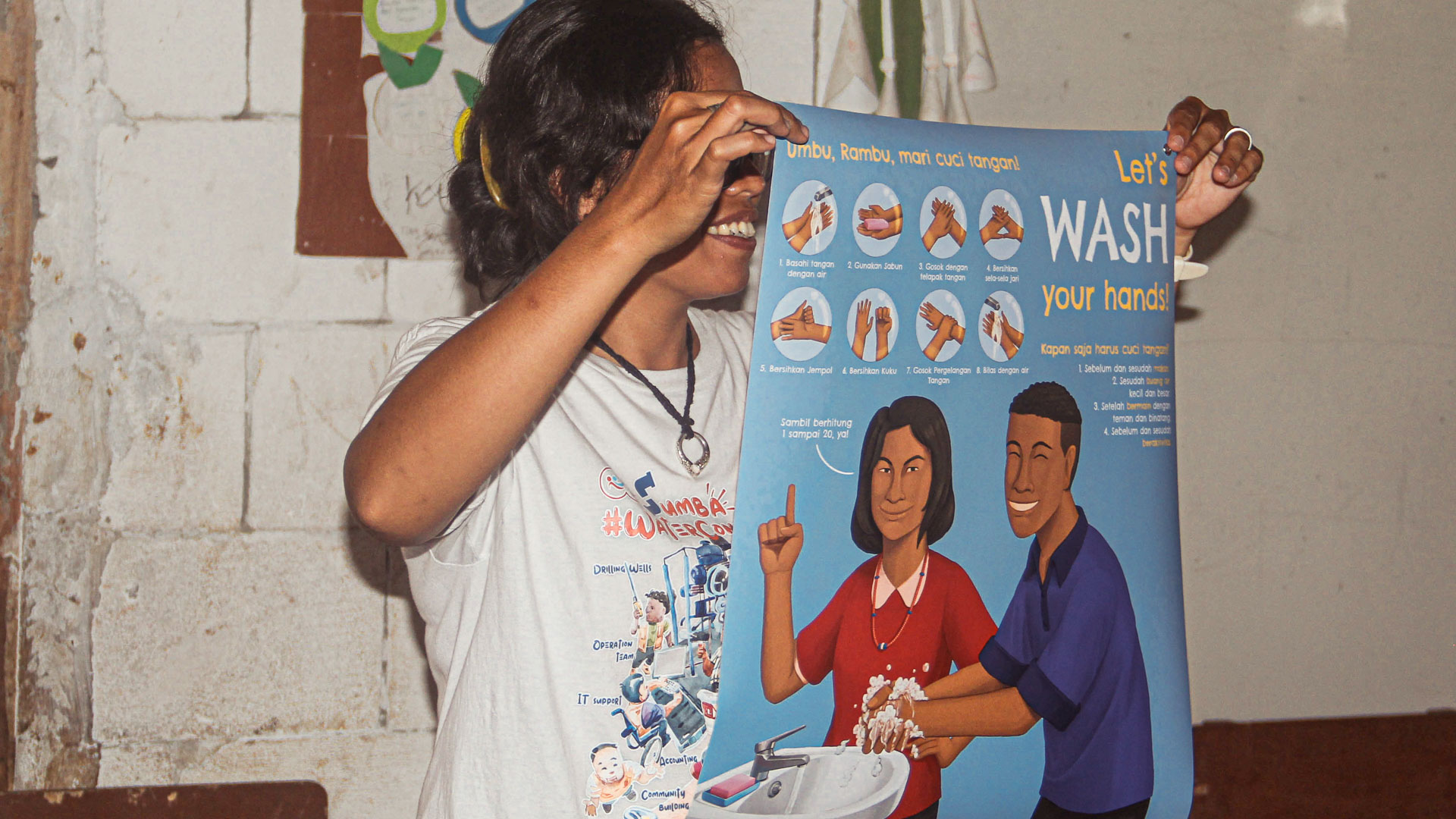
The timing matters. Wash before preparing food or eating, after using the toilet or cleaning up a child’s faeces, and when hands are visibly dirty. Caring for someone with vomiting or diarrhoea also calls for handwashing before and after care. Wet hands, apply soap and rub all surfaces, then rinse with clean running or poured water and dry with a clean towel or air-dry. Pay attention to fingertips, thumbs and between the fingers. Practical handwashing steps include scrubbing for at least 20 seconds. A hurried rinse without soap misses an important part of this protection.
A working tap changes what is possible
In ultra-rural East Sumba, washing instructions must account for the water a household can actually reach. Water carried home must serve drinking, cooking and washing. Distance, an empty tank, a broken tap or the cost of soap can make a familiar recommendation difficult to follow. Access and understanding belong together. People need a place to wash, water and soap available there, and explanations that make sense in daily life. A family may understand the advice well and still have to decide how to use the water they have carried home.
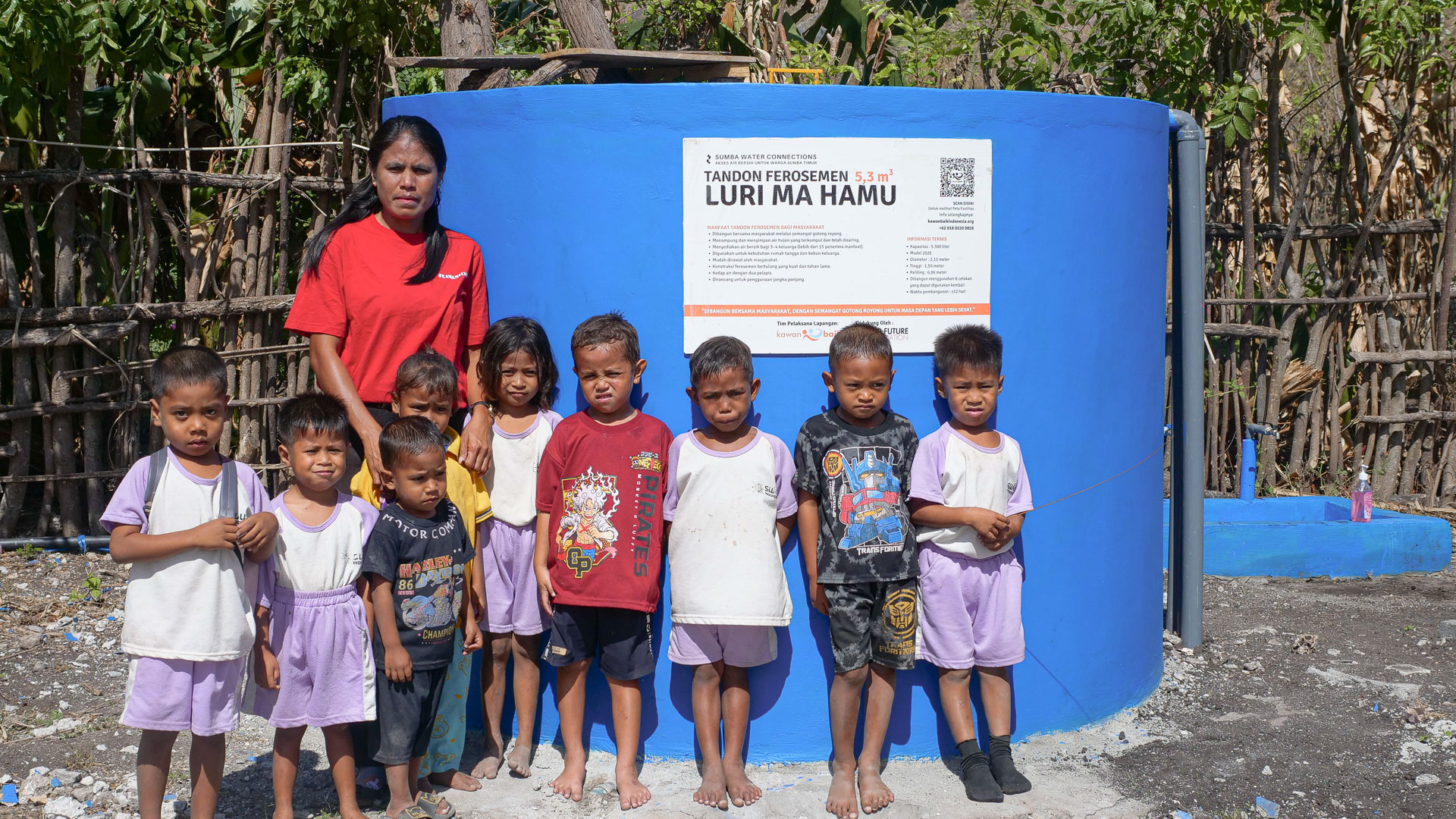
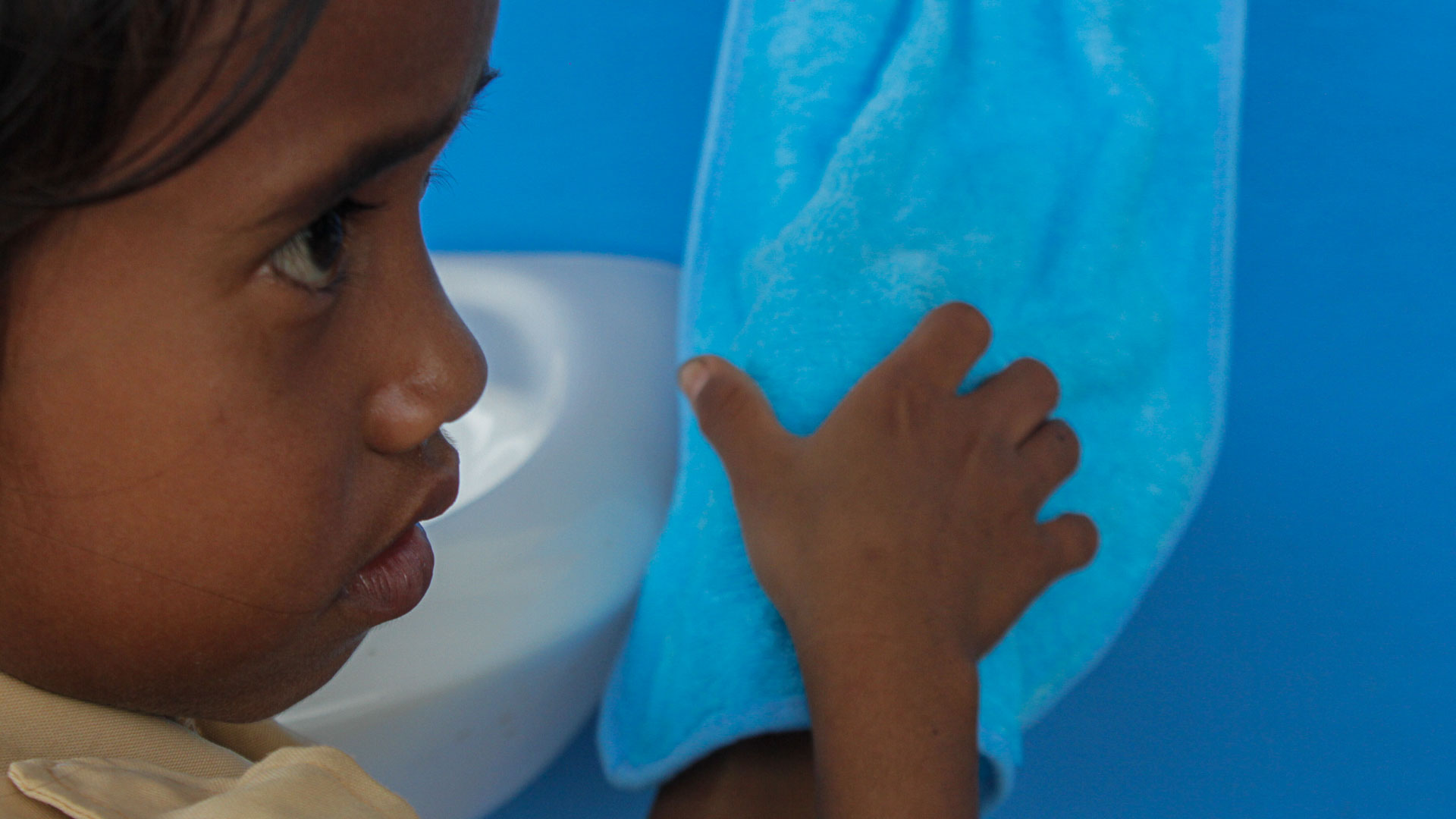
For more than ten years, through Water Connections, we have brought water infrastructure and training into this work. Tanks, taps, sinks, showers and sanitation serve different needs, from preparing food to washing and using a toilet. A tank needs filling, a damaged tap needs repair, and soap needs replacing before it runs out. A basin must be reachable for everyone who uses it, including children and people with limited mobility. Maintenance and replenishing soap are part of prevention. A useful follow-up checks what works, what is missing, and what families find difficult to use.
Learning a practice that can be repeated
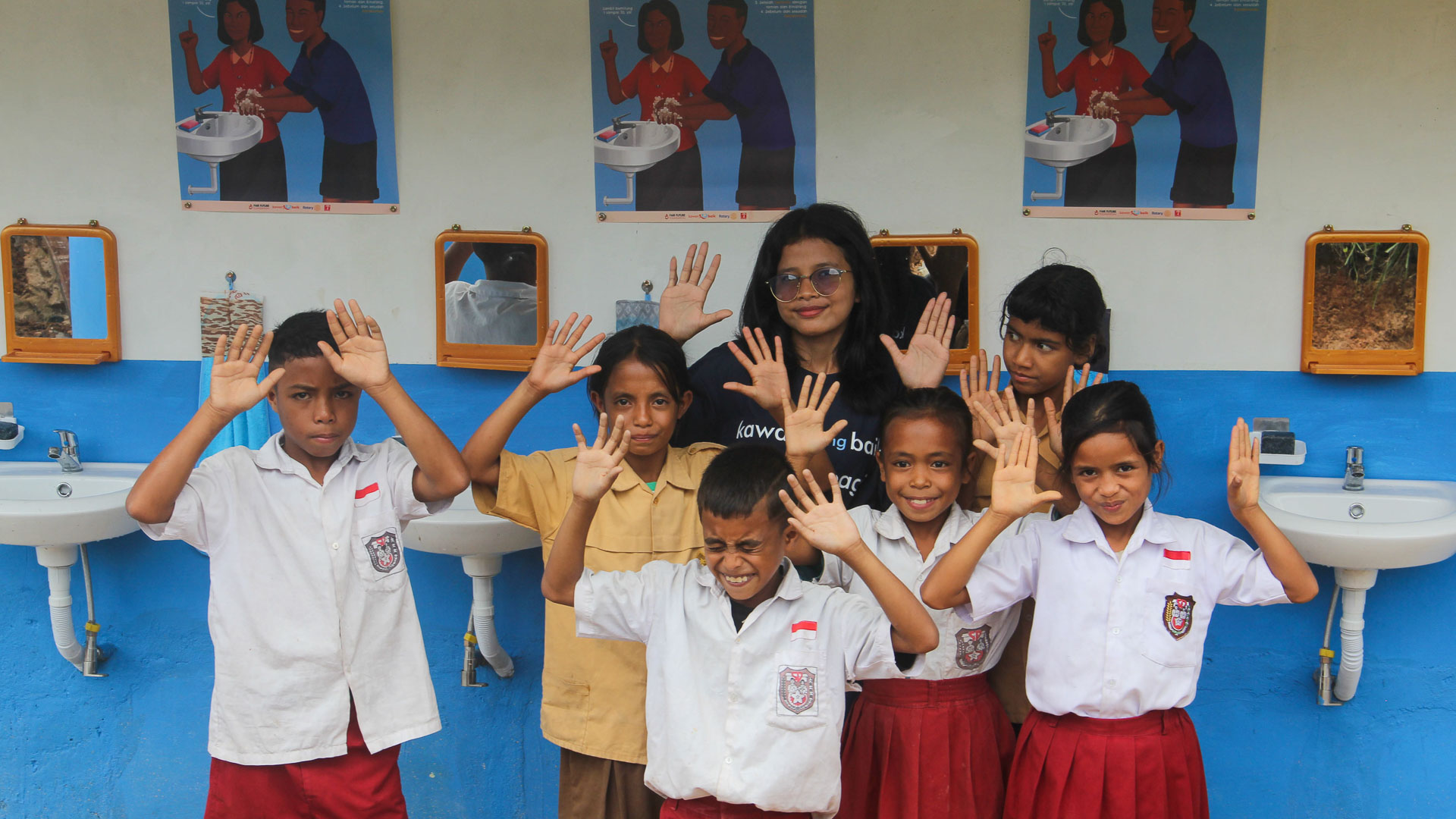
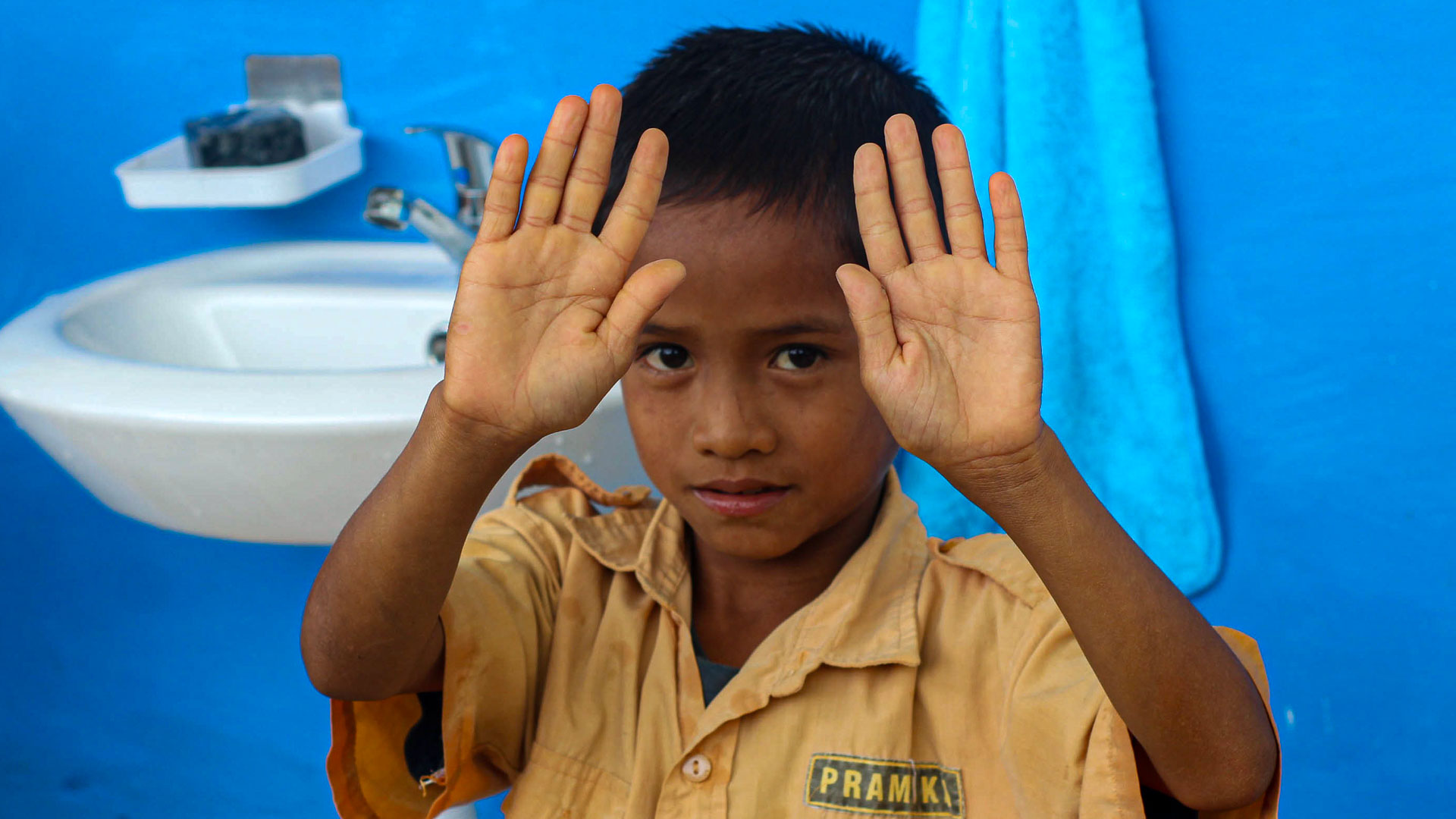
Through Primary Medical Care und Agenten von Kawan Sehat, we connect practical education with everyday care. Our illustrated Wash Your Hands poster supports demonstrations and discussion. Asking someone to show the movements back helps us check how clearly we explained them, especially when written information is hard to use. In homes, schools and workplaces everywhere, clear advice needs the means to act on it. This is where our water programmes, education and medical care meet. On 15 October, we return to the everyday work of helping people wash when it matters most.
14 October 2026 | Alex Wettstein
In short
Handwashing can reduce the spread of diarrhoeal and some respiratory infections when water, soap and daily practice come together. In ultra-rural East Sumba, Water Connections, Primary Medical Care and Kawan Sehat link working facilities with practical education. Global Handwashing Day is a reminder to check whether people can wash when they need to.
Handwashing in East Sumba through water access and practical learning
Verified external resources
- World Health Organization and UNICEF: WHO and UNICEF guidance on hand hygiene at home, school and in public spaces, including key times, soap, water and accessible facilities.
- Centers for Disease Control and Prevention: Practical CDC guidance on when to wash hands, how to scrub for at least 20 seconds, and when an alcohol-based hand sanitiser can be used.
- UNICEF: UNICEF explains how families can teach children handwashing through demonstration, repeated practice and safe, age-appropriate routines.
- Weltgesundheitsorganisation: WHO explains how safe, sufficient water and sanitation support hygiene and reduce exposure to infections transmitted through contaminated water.
- Global Handwashing Partnership: Explains the annual 15 October observance and why handwashing with soap matters, linking public awareness with practical local action.
