


Spenden
Support Care
Artikel & News
Feldgeschichten
Glossar
Feldführer

Wasser, Energie und Infrastruktur
Solarenergie & Elektrifizierung
Reliable power for children, schools, water systems and community services in places the grid does not reach.
- 2,224 Junior and 24 Student lights in 2025
- 24 schools reached in the planned distribution
- Solar systems designed for remote maintenance
When the sun sets, essential work should not stop
In an off-grid village, darkness affects study, safety, communication, water and the ability to prepare for tomorrow. Solar & Electrification turns available sunlight into practical hours that children, teachers and communities can use.
Das Programm
Energy designed around what people need to do
Electricity matters when it keeps a child reading, a teacher preparing, a water pump moving or a remote team connected. The technology is only useful if it serves that daily purpose reliably.
Our report from Mahu shows a small solar panel powering one lamp beyond the grid, and why dependable electricity matters in daily life.
Solar & Electrification works at several scales. Personal SolarBuddy lights give children safer light for reading and movement after dark. Larger photovoltaic systems support schools, water infrastructure, internet access, printing, charging and the buildings where essential services operate.
Each project begins with the use, not the equipment. Load, autonomy, location, security, maintenance and local responsibility are considered before installation. Teams return to inspect what was built, listen to users and correct problems because equipment placed far from technicians must remain understandable and repairable.
2,224 Junior and 24 Student lights prepared with education and school coordination.
Teachers, families and local leaders help verify recipients and explain responsible use.
A 6 kW inverter and 14 kWh lithium battery support learning, internet, printing and teachers living on site.
The Mbajik system was inspected nearly a year after installation, with users consulted and equipment checked.
From need to maintained power
How a remote energy system is built to last
The installation day is one moment in a longer responsibility. A useful system must be sized correctly, installed safely, understood locally and inspected after people begin using it.
Identify the use
The team records who needs power, for which activities, at what hours and what currently stops them.
Measure and design
Loads, solar exposure, battery autonomy, wiring routes, structure, security and future maintenance shape the system.
Transport and install
Panels, batteries, inverters, protection and tools travel across difficult routes before careful testing on site.
Teach responsibility
Users learn charging, safe operation, panel cleaning, fault reporting and the limits of available power.
Return and inspect
Connections, supports, batteries, inverters and actual use are reviewed so problems are found before service fails.
Reliability is part of the intervention
Power must remain safe after the team leaves
Off-grid equipment cannot depend on frequent specialist visits. Clear design, protected components, realistic loads and local knowledge are essential to continuity.
What a durable system includes
- Load assessment based on real daily use rather than equipment alone
- Correctly sized panels, inverter, battery storage and electrical protection
- Safe wiring, secure mounting and components protected from weather and misuse
- Simple operating guidance understood by teachers, families or local supervisors
- Routine cleaning, visual checks and a clear way to report faults
- Documented follow-up that compares technical performance with user experience
What puts continuity at risk
- Adding loads that exceed the system’s designed capacity
- Damaged cables, loose connections, water entry or unsafe alterations
- Batteries left without monitoring or used outside safe operating limits
- Panels shaded, dirty, unsecured or installed without access for inspection
- No person locally responsible for basic checks and fault reporting
- Equipment donated without training, spare planning or a return visit
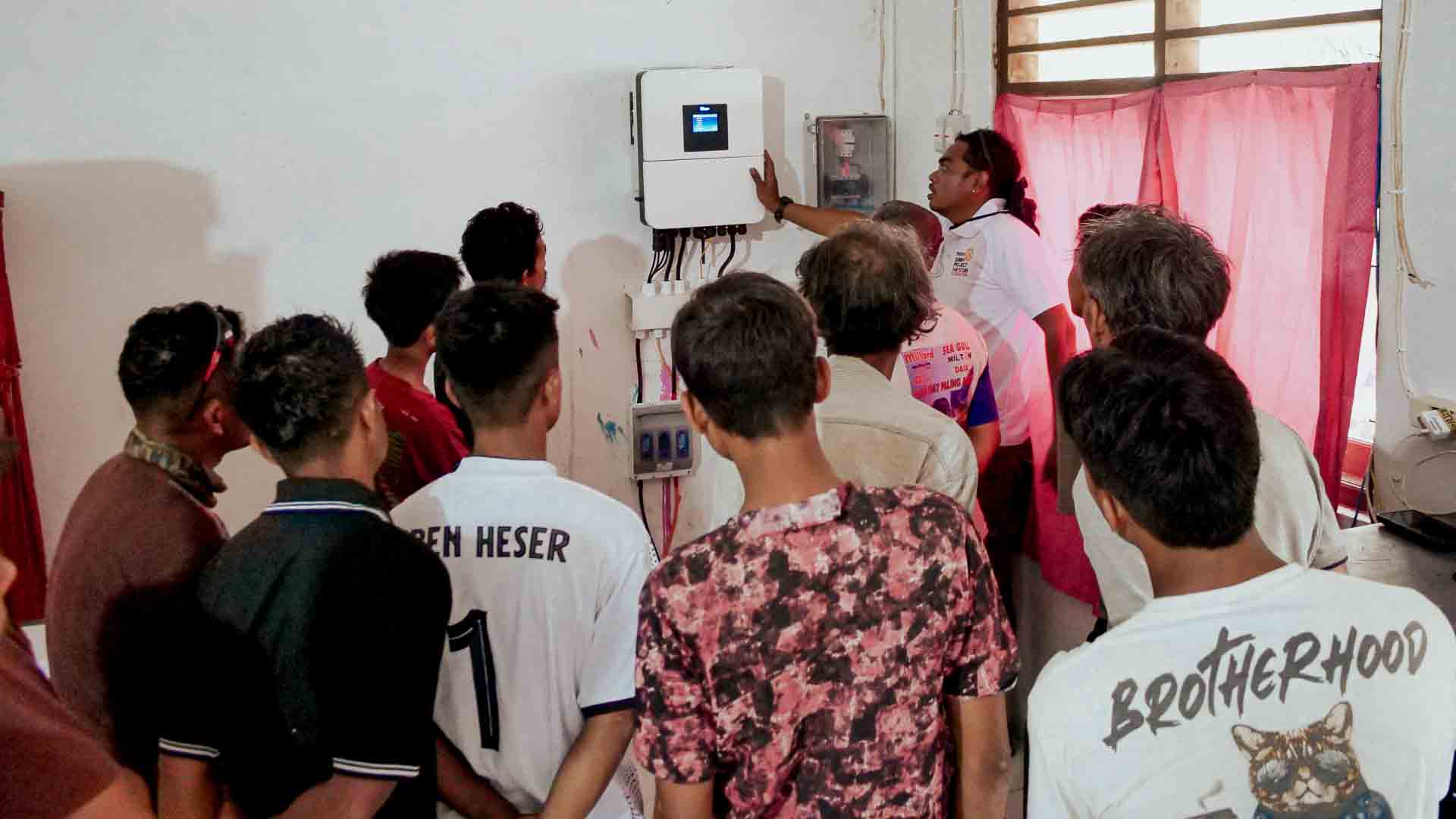
At SDN Mbajik, power now supports classrooms, teachers living on site, internet, printing and evening study. Returning after installation is part of the work.
Energy in daily life
Electricity connects services that used to stop at dusk
At SDN Mbajik in Haray, six teachers sleep on site because the school is hours from town. The solar system serves 55 pupils and supports lesson preparation, computer use, printing, internet access and lighting after sunset. Its value appears in ordinary tasks that can now continue.
Study and teaching
Children can read after dark while teachers prepare and print lessons without travelling to town.
Water systems
Solar pumping can move water where gravity or a public electricity connection is unavailable.
Communication
Charging and internet access connect remote schools and teams to information, coordination and support.
Safer evenings
Personal lights reduce dependence on darkness and polluting flame-based lighting for study and movement.
Welche Änderungen in der Praxis
Reliable energy returns usable time to a community
Children can keep learning
Reading and homework no longer have to end simply because daylight has disappeared.
Teachers can work on site
Preparation, printing, charging and online resources become possible at the school where they live.
Water and communication become more resilient
Correctly designed solar power can support pumps, connectivity and field equipment beyond grid reach.
Responsibility continues after installation
Training and return inspections make users part of keeping the system safe and useful.
School systemSolar electrification at SDN MbajikFollow the transport, installation, testing and local training behind a remote photovoltaic system.
Programme evidenceSolarBuddy distribution reportsOpen the reporting behind lamp preparation, routes, school coordination, funding and delivery.
Energy educationA light arrives with knowledgeSee how children learn to charge, protect, share and use a personal solar light responsibly.
Connected infrastructureWater ConnectionsUnderstand where solar pumping and reliable energy support safe water beyond public networks.
Live FeldaufzeichnungFeldbesprechung aus OstindienFollow recent inspections, distributions, school visits, water systems and infrastructure work.
Feldhandbuch & GlossarEnergy and infrastructure explainedOpen practical terms and field guides related to solar power, batteries, access and maintenance.
Health referenceHousehold energy and healthRead why replacing polluting household fuels and lighting matters for respiratory health and safety.
Live aus dem Feld
Solar & Electrification Field Notes, as the work happens
Two recent signals involving solar power, schools, lighting, batteries or infrastructure. These notes refresh when a relevant Field Note is published.
Direkt vom Feld
Latest Solar & Electrification reports
These reports document installations, school use, lamp distributions, inspections, maintenance, energy education and what reliable power changes in remote communities.
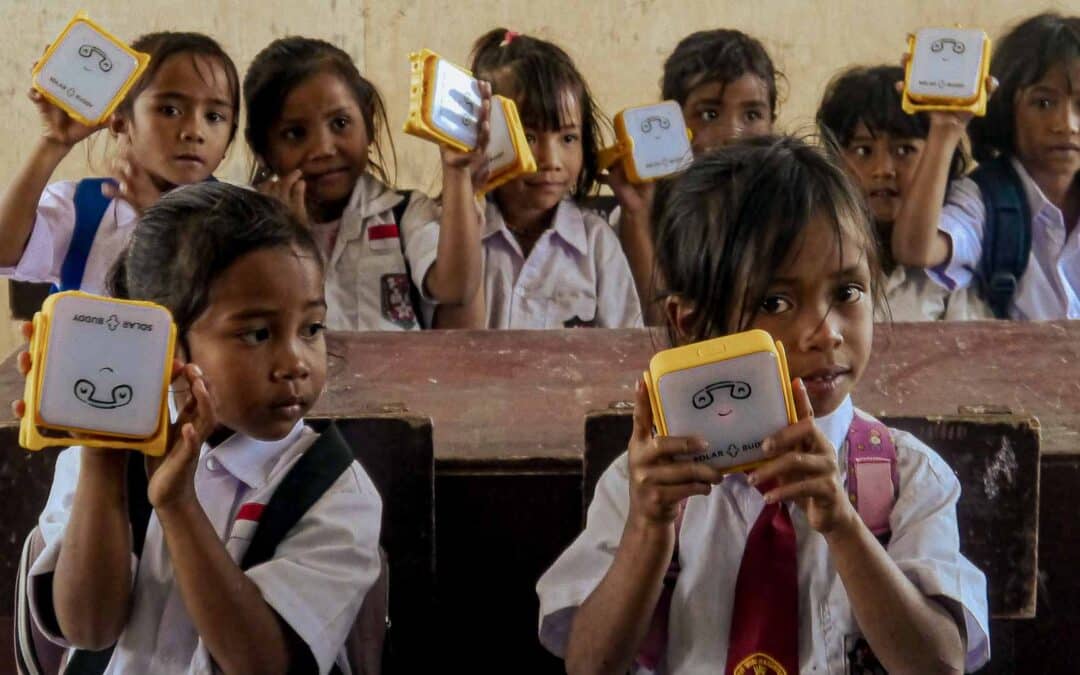
Die Verzögerung bei der Inbetriebnahme der Solarlampen hat Auswirkungen auf die Fernschulen
Eine Verspätung bei der Lieferung hat die Ankunft von 2.224 SolarBuddy Lampen in Ost-Sumba um etwa 15 Tage verschoben. Diese Verzögerung stört unsere Pläne – aber das hält uns nicht auf. Wir passen uns an, planen neu und kämpfen weiter für diejenigen, die keinen Strom, keine Elektrizität oder keinen Zugang zu Gesundheitsversorgung haben. Bis zum 10. Juni sind wir bereit.
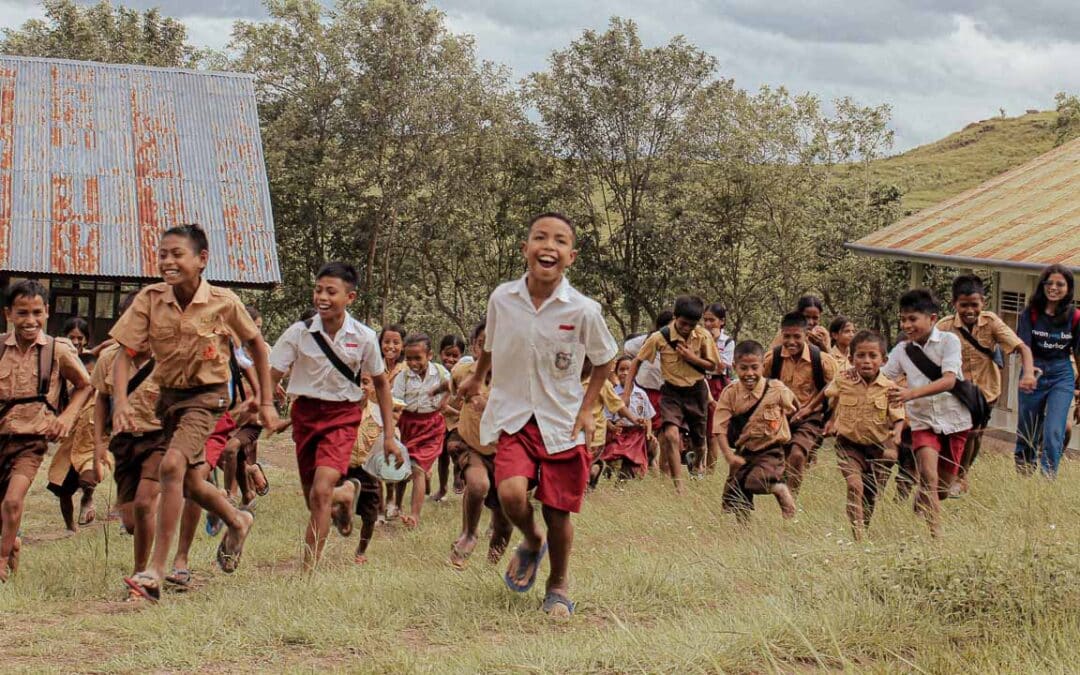
Massive humanitäre Mission beginnt in Ostindonesien
Eine fünfmonatige humanitäre Mission beginnt in Sumba und bringt medizinische Versorgung, Zugang zu Wasser und Solarenergie in abgelegene Gemeinden. Fair Future liefert 3 Tonnen Hilfsgüter, startet eine Malaria-Studie und errichtet lebenswichtige Infrastrukturen, um Leben zu verbessern dort, wo Hilfe am dringendsten benötigt wird.
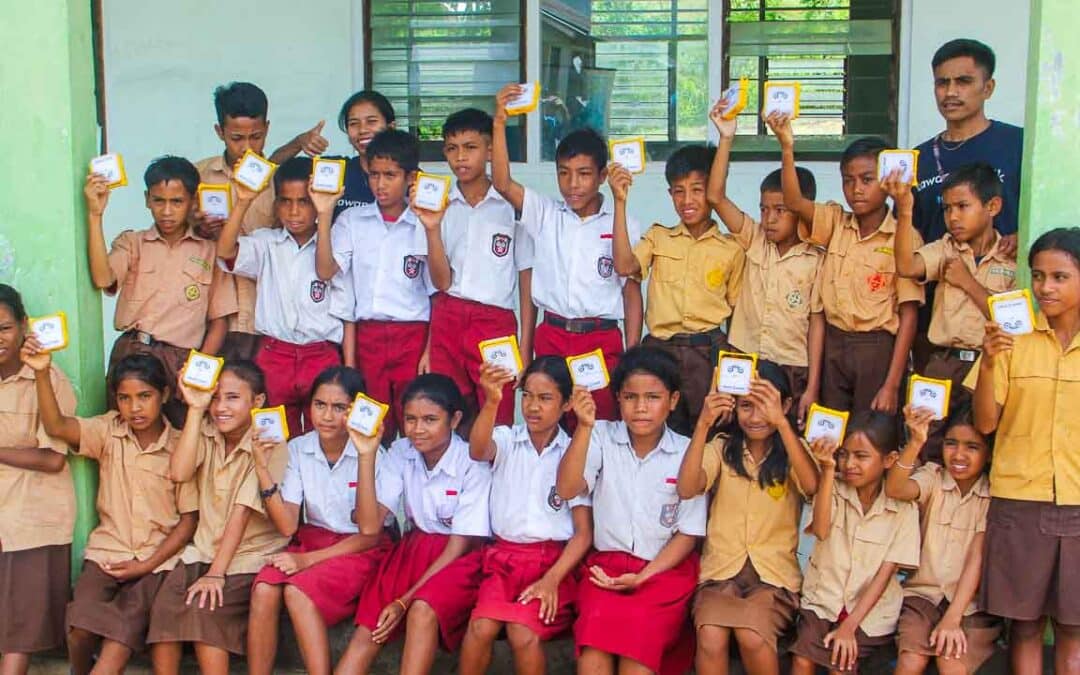
Solarlicht in 24 abgelegenen Schulen in Ost-Sumba
In Ost-Sumba stehen fast 12.000 Schüler vor der Herausforderung, ohne Strom zu lernen. Mithilfe von Fair Future Foundation Light Up the Future werden 2.224 Solarlampen an über 2.000 Kinder in 24 abgelegenen Schulen verteilt, um eine sichere und erneuerbare Beleuchtung zu schaffen, die die Bildung, Gesundheit und den Alltag verbessert.
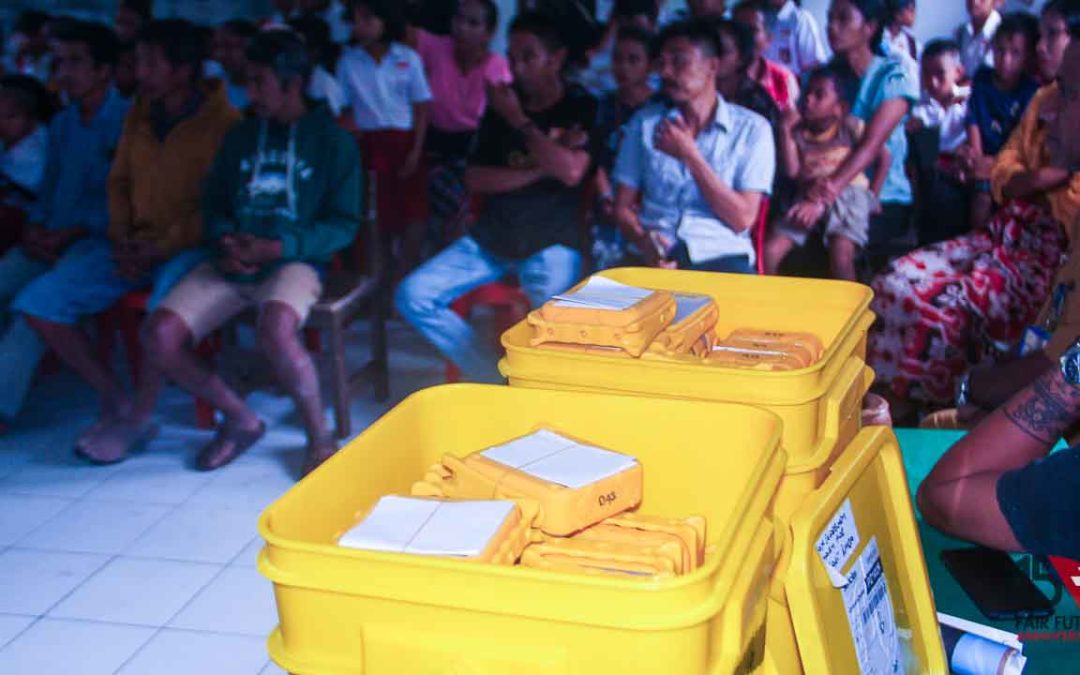
KBI und Fair Future sichern die SolarBuddy Einfuhr ohne Zölle
Fantastische Neuigkeiten! Wir haben offiziell die Steuerbefreiung für die Einfuhr von 2.224 SolarBuddy Lampen aus Australien gesichert. Dieser historische Meilenstein macht Fair Future zur ersten NGO, die dutzendfreie humanitäre Importe in Indonesien ermöglicht hat. Diese Lampen werden bald Dörfer in East Sumba erhellen. Große Dank an Rotary, SolarBuddy, und unsere Teams dafür, dass dies möglich gemacht wurde!
SolarBuddy 2025-Karte: Beleuchtung der Schulen
Schauen Sie sich unsere interaktive Karte zur SolarBuddy Lampenverteilung für 2025 an! Gelbe Markierungen zeigen Schulen an, die 2.224 Lampen erhalten haben, während grau angedeutet wird, dass über 100 Schulen immer noch keinen Strom haben – was 10.000+ Kinder betreffen würde. Es ist eine lange Reise vor uns, aber ein Schritt näher an eine bessere Zukunft. Klicken Sie auf die Karte, um sie zu erkunden!
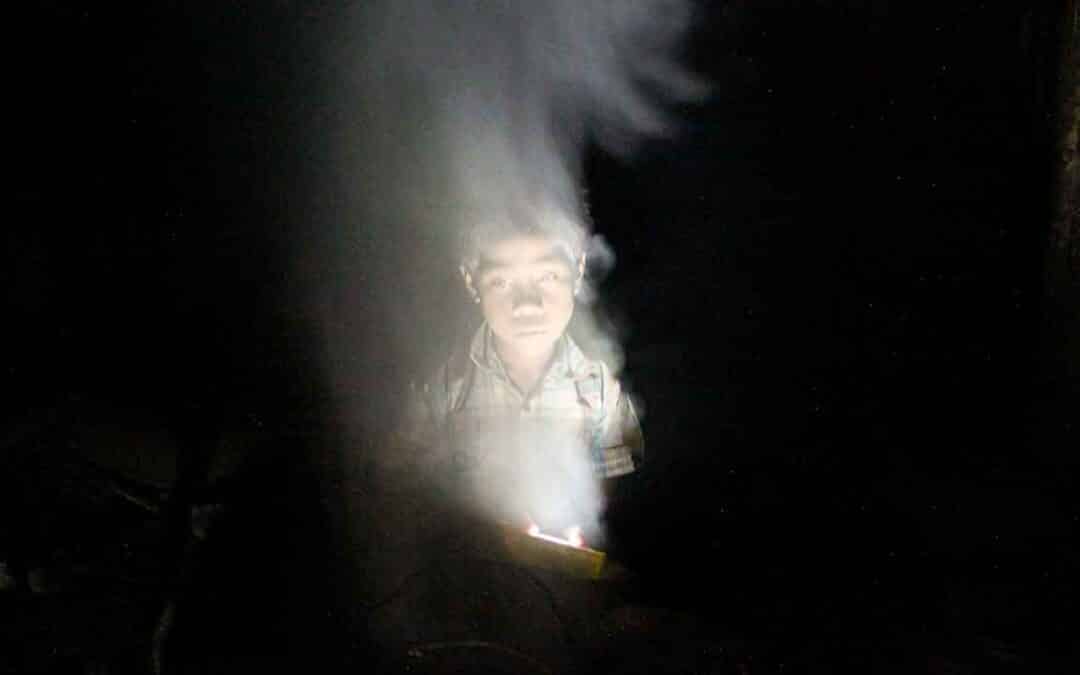
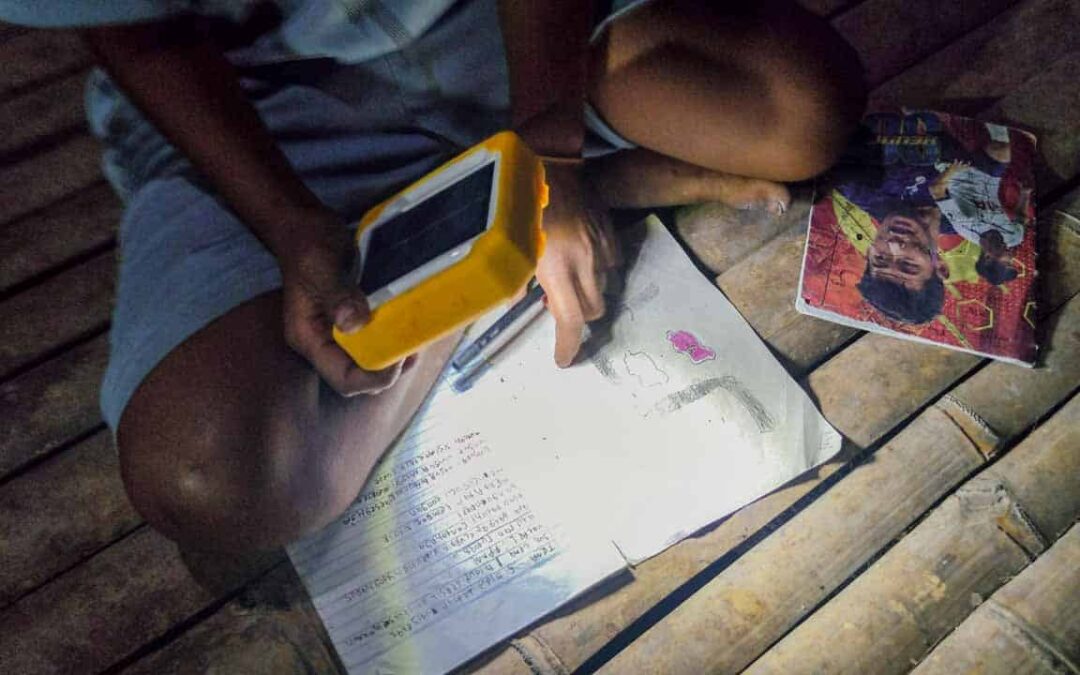
Solarlichter verändern das Leben in ländlicher Ost-Sumba
In Ost-Sumba gibt es unzählige Familien ohne Stromquelle. Das Fehlen von Strom zwingt Kinder, früh am Morgen auf lange Wege zur Schule zu gehen, Einzelpersonen kochen unter gefährlichen Bedingungen und das Nachtstudium stellt eine große Herausforderung dar.
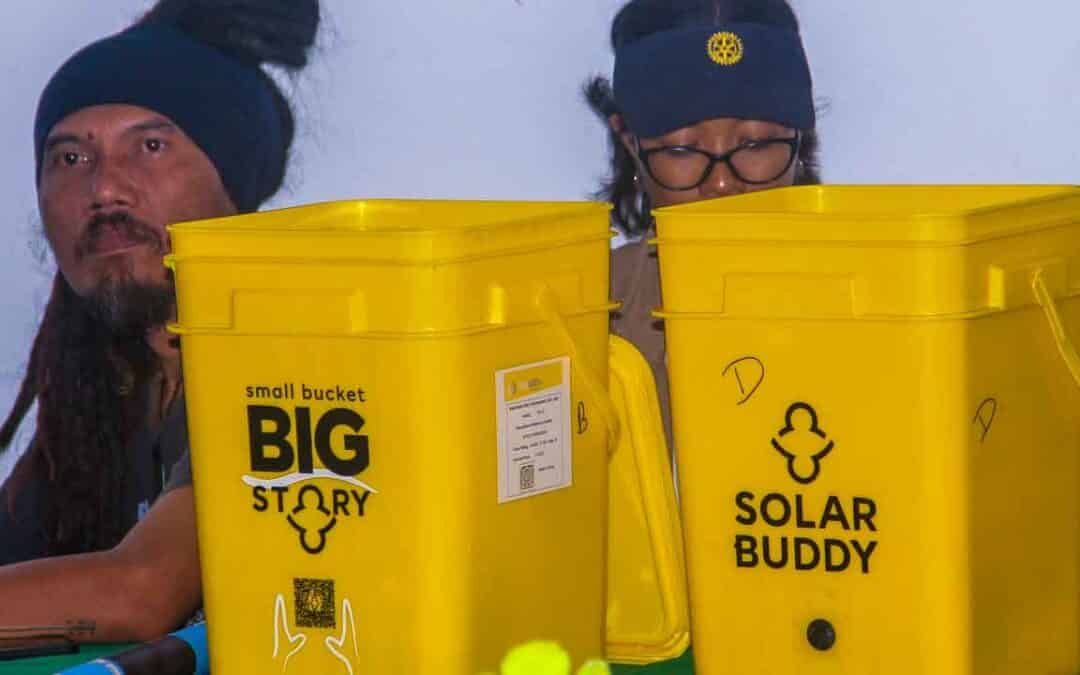
SolarBuddy Lampen werden nach einem langen Importkampf angekommen sein
Wir sind kurz davor, die Importe von 2.224 SolarBuddy Lampen aus Australien nach Indonesien abzuschließen – eine beispiellose Anstrengung, um Kindern in Ost-Sumba Licht zu bringen. Nach drei Monaten, mehr als 15 Treffen und unzähligen Briefen warten wir nun auf die endgültige Genehmigung in Jakarta am 3. Februar. Dieser Meilenstein ebnet den Weg für zukünftige humanitäre Importe ohne Zölle.
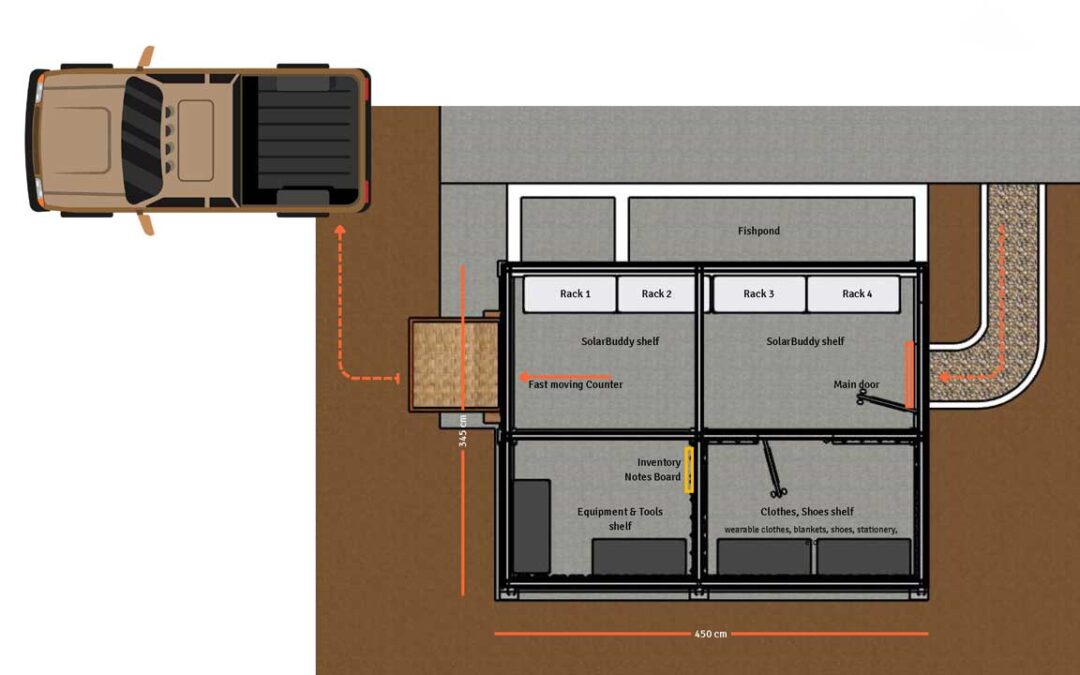
Ausbau des Lagers soll die Versorgung mit medizinischen Geräten und Laboreinrichtungen verbessern
Wir erweitern unser Lager in Rumah Kambera! Zunächst soll es medizinische Vorräte und 2.200 SolarBuddy Lampen von Rotary und SolarBuddy. Aufnehmen soll es auch ein kleines Laboreprojekt im Jahr 2025. Klicken Sie hier, um die Pläne anzuzeigen und zu sehen, wie dieses neue Gebäude unsere Mission unterstützen wird. Vielen Dank!

2.024 SolarBuddy Lampen aus Australien werden bald ausgeliefert
Die 2024-Modelle von SolarBuddy Lights sind aus Canberra, Australien, unterwegs! 2000 Kinderschmuck und 24 größere Leuchten für Schulen werden innerhalb eines Monats in Surabaya eintreffen. Wir bearbeiten die Zollformalitäten und werden unsere Truck and Roll nutzen, um sie abzuholen. Diese umfangreiche Operation wird fast 2500 Menschen Licht in ihr Leben bringen und ihr Leben verändern.

SolarBuddy Lampen erhellen abgelegene Dörfer nachts
In ultra-ländlichen Dörfern ohne Strom sorgen SolarBuddy Lampen von Fair Future und Rotary für Licht in den Küchen und Gängen nachts. Tagsüber werden diese Lampen wieder aufgeladen, wenn sie an Bäumen oder Zäunen aufgehängt werden und bereiten so abends die Wohnungen und Wege vor. Diese einfache Lösung bietet Sicherheit und Licht für Familien, die es am dringendsten benötigen.
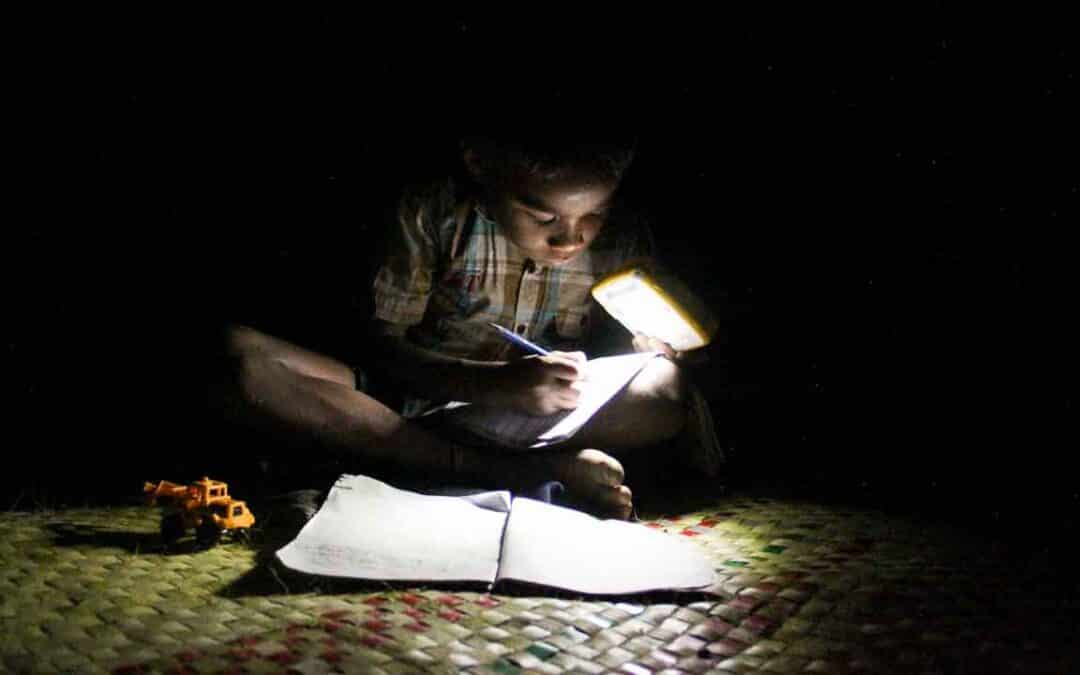
2.000 Familien mit Solarleuchten in Ost-Sumba ausgestattet
In 2024, we’re working on distributing 2,000 SolarBuddy solar lamps to 2,000 children and families, and 2,000 homes across East Sumba. These villages and schools have no electricity. This project, in collaboration with SolarBuddy, Kawan Baik and Rotary International, will bring light to homes and schools.
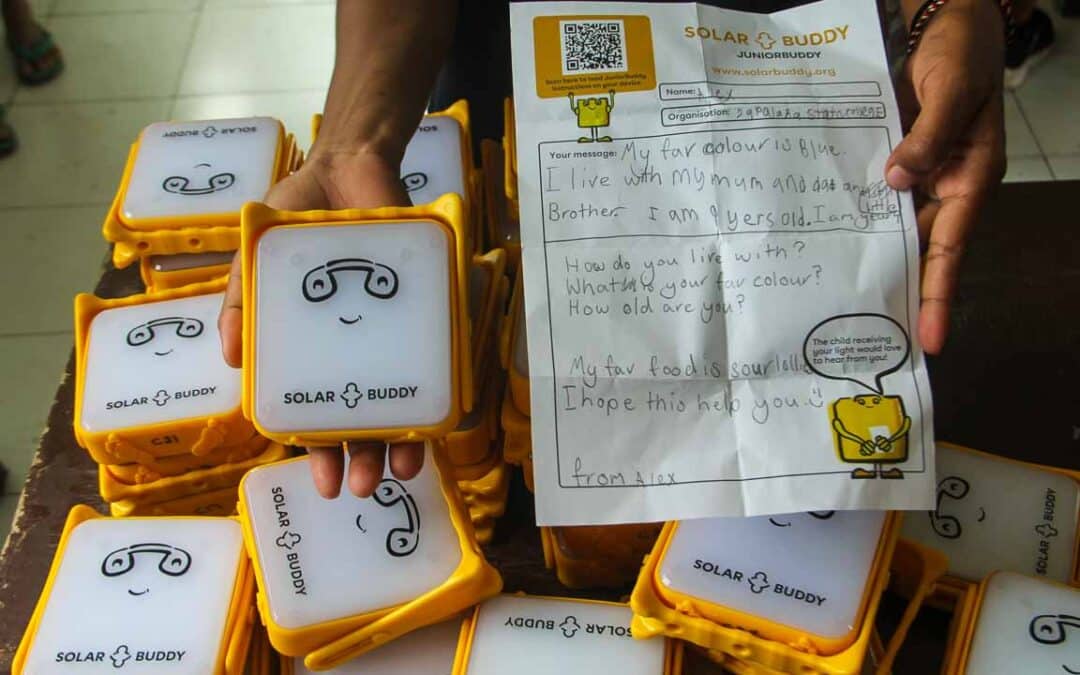
SolarBuddy Lampen und Buchstaben verbinden zwei Welten
SolarBuddy lamps assembled by children overseas arrive with personal letters for children in rural Indonesia, connecting two communities through practical access to safe light.
Verantwortung
Installed equipment creates a continuing responsibility
We document specifications, costs, locations, recipients, training, inspections and faults. Energy projects are judged by safe performance and daily usefulness over time, not by the moment equipment is handed over or switched on.
