
Donner
Support Care
Articles et News
Contes de la campagne
Glossaire
Guides de terrain

Eau, énergie et infrastructures
Éolien et électrification
Reliable power for children, schools, water systems and community services in places the grid does not reach.
- 2,224 Junior and 24 Student lights in 2025
- 24 schools reached in the planned distribution
- Solar systems designed for remote maintenance
When the sun sets, essential work should not stop
In an off-grid village, darkness affects study, safety, communication, water and the ability to prepare for tomorrow. Solar & Electrification turns available sunlight into practical hours that children, teachers and communities can use.
Le programme
Energy designed around what people need to do
Electricity matters when it keeps a child reading, a teacher preparing, a water pump moving or a remote team connected. The technology is only useful if it serves that daily purpose reliably.
Our report from Mahu shows a small solar panel powering one lamp beyond the grid, and why dependable electricity matters in daily life.
Solar & Electrification works at several scales. Personal SolarBuddy lights give children safer light for reading and movement after dark. Larger photovoltaic systems support schools, water infrastructure, internet access, printing, charging and the buildings where essential services operate.
Each project begins with the use, not the equipment. Load, autonomy, location, security, maintenance and local responsibility are considered before installation. Teams return to inspect what was built, listen to users and correct problems because equipment placed far from technicians must remain understandable and repairable.
2,224 Junior and 24 Student lights prepared with education and school coordination.
Teachers, families and local leaders help verify recipients and explain responsible use.
A 6 kW inverter and 14 kWh lithium battery support learning, internet, printing and teachers living on site.
The Mbajik system was inspected nearly a year after installation, with users consulted and equipment checked.
From need to maintained power
How a remote energy system is built to last
The installation day is one moment in a longer responsibility. A useful system must be sized correctly, installed safely, understood locally and inspected after people begin using it.
Identify the use
The team records who needs power, for which activities, at what hours and what currently stops them.
Measure and design
Loads, solar exposure, battery autonomy, wiring routes, structure, security and future maintenance shape the system.
Transport and install
Panels, batteries, inverters, protection and tools travel across difficult routes before careful testing on site.
Teach responsibility
Users learn charging, safe operation, panel cleaning, fault reporting and the limits of available power.
Return and inspect
Connections, supports, batteries, inverters and actual use are reviewed so problems are found before service fails.
Reliability is part of the intervention
Power must remain safe after the team leaves
Off-grid equipment cannot depend on frequent specialist visits. Clear design, protected components, realistic loads and local knowledge are essential to continuity.
What a durable system includes
- Load assessment based on real daily use rather than equipment alone
- Correctly sized panels, inverter, battery storage and electrical protection
- Safe wiring, secure mounting and components protected from weather and misuse
- Simple operating guidance understood by teachers, families or local supervisors
- Routine cleaning, visual checks and a clear way to report faults
- Documented follow-up that compares technical performance with user experience
What puts continuity at risk
- Adding loads that exceed the system’s designed capacity
- Damaged cables, loose connections, water entry or unsafe alterations
- Batteries left without monitoring or used outside safe operating limits
- Panels shaded, dirty, unsecured or installed without access for inspection
- No person locally responsible for basic checks and fault reporting
- Equipment donated without training, spare planning or a return visit
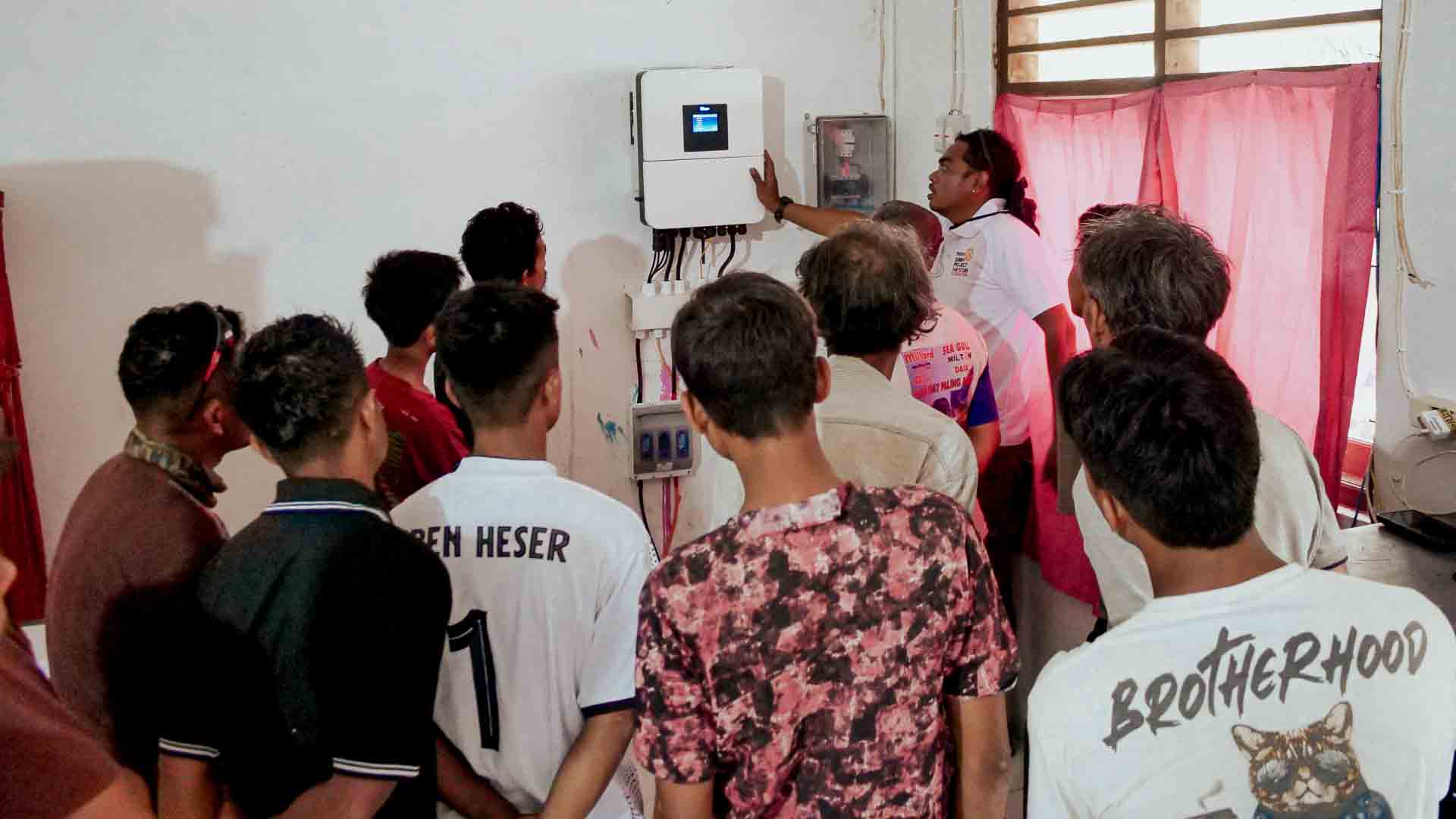
At SDN Mbajik, power now supports classrooms, teachers living on site, internet, printing and evening study. Returning after installation is part of the work.
Energy in daily life
Electricity connects services that used to stop at dusk
At SDN Mbajik in Haray, six teachers sleep on site because the school is hours from town. The solar system serves 55 pupils and supports lesson preparation, computer use, printing, internet access and lighting after sunset. Its value appears in ordinary tasks that can now continue.
Study and teaching
Children can read after dark while teachers prepare and print lessons without travelling to town.
Water systems
Solar pumping can move water where gravity or a public electricity connection is unavailable.
Communication
Charging and internet access connect remote schools and teams to information, coordination and support.
Safer evenings
Personal lights reduce dependence on darkness and polluting flame-based lighting for study and movement.
Quels changements dans la pratique
Reliable energy returns usable time to a community
Children can keep learning
Reading and homework no longer have to end simply because daylight has disappeared.
Teachers can work on site
Preparation, printing, charging and online resources become possible at the school where they live.
Water and communication become more resilient
Correctly designed solar power can support pumps, connectivity and field equipment beyond grid reach.
Responsibility continues after installation
Training and return inspections make users part of keeping the system safe and useful.
School systemSolar electrification at SDN MbajikFollow the transport, installation, testing and local training behind a remote photovoltaic system.
Evidences du programmeSolarBuddy distribution reportsOpen the reporting behind lamp preparation, routes, school coordination, funding and delivery.
Energy educationA light arrives with knowledgeSee how children learn to charge, protect, share and use a personal solar light responsibly.
Connected infrastructureWater ConnectionsUnderstand where solar pumping and reliable energy support safe water beyond public networks.
Récord en direct du terrainNotes de terrain de l’Indonésie orientaleFollow recent inspections, distributions, school visits, water systems and infrastructure work.
Guide de terrain & glossaireEnergy and infrastructure explainedOpen practical terms and field guides related to solar power, batteries, access and maintenance.
Health referenceHousehold energy and healthRead why replacing polluting household fuels and lighting matters for respiratory health and safety.
En direct du terrain
Solar & Electrification Field Notes, as the work happens
Two recent signals involving solar power, schools, lighting, batteries or infrastructure. These notes refresh when a relevant Field Note is published.
Directement du terrain
Latest Solar & Electrification reports
These reports document installations, school use, lamp distributions, inspections, maintenance, energy education and what reliable power changes in remote communities.
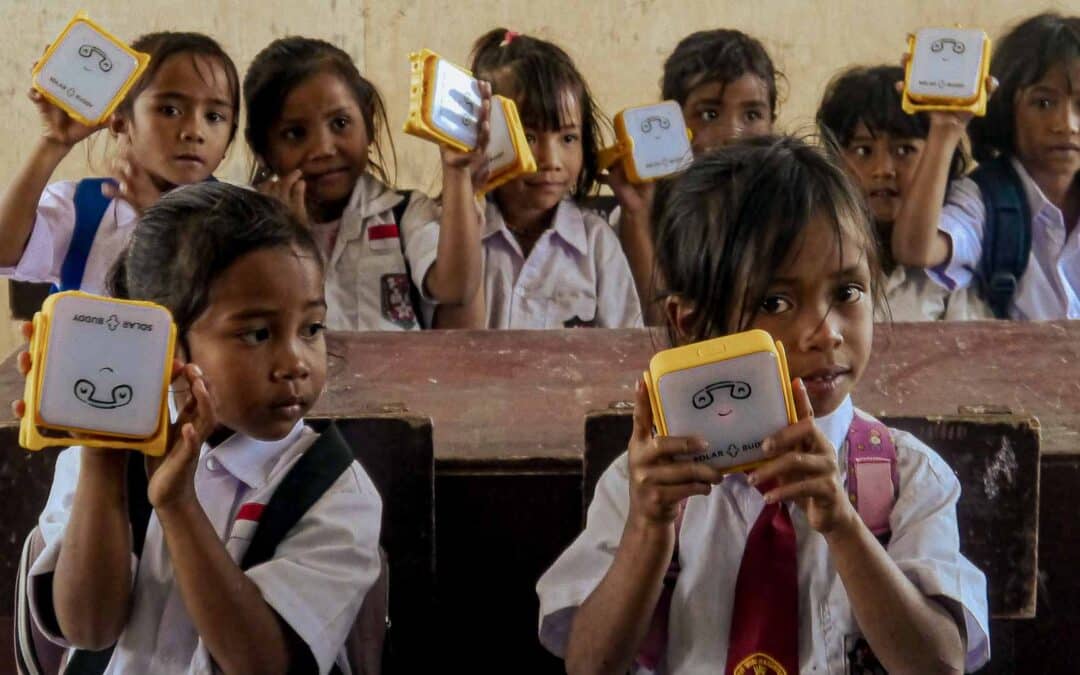
Le retard de la mise en place des lampes solaires affecte les écoles éloignées
Une retards dans la livraison a reporté l’arrivée de 2 224 SolarBuddy lampes à East Sumba d’environ 15 jours. Cette interruption perturbe nos plans, mais cela ne nous empêchera pas. Nous nous adaptons, reprogrammons et continuons à lutter pour ceux qui n’ont ni lumière, ni électricité, ni accès aux soins de santé. Nous serons prêts le 10 juin.
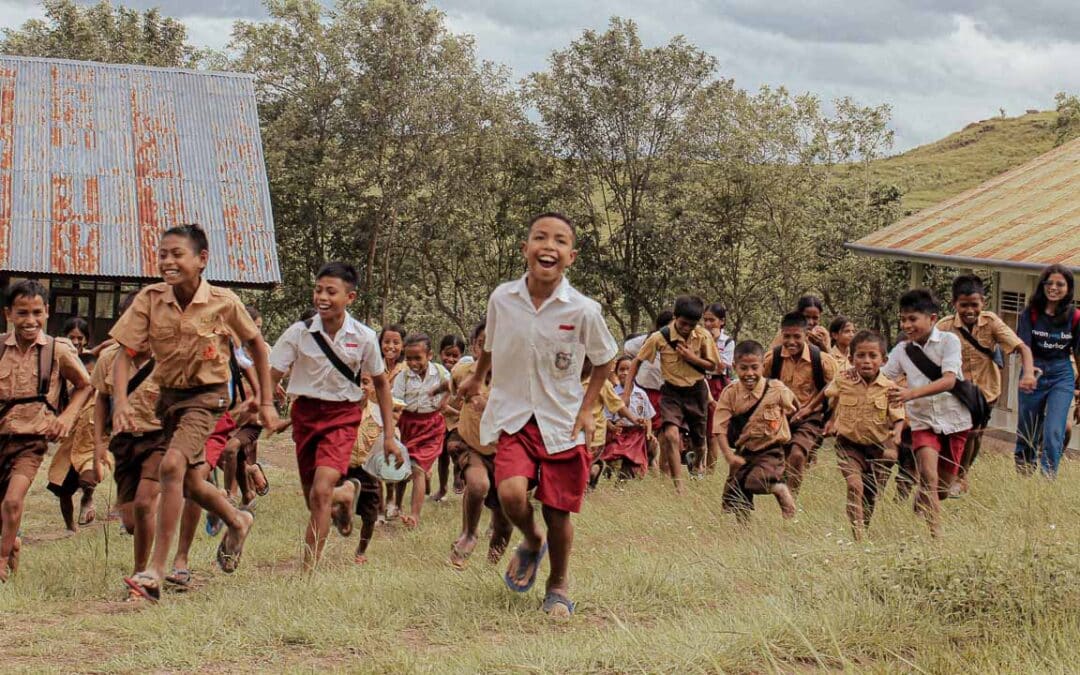
Une vaste mission humanitaire commence dans l'est de l'Indonésie
Une mission humanitaire de cinq mois commence à Sumba, apportant des soins médicaux, un accès à l’eau et une énergie solaire aux communautés isolées. Fair Future apporte 3 tonnes de fournitures, lance une étude sur le paludisme et construit des infrastructures essentielles pour améliorer les conditions de vie là où l’aide est la plus nécessaire.
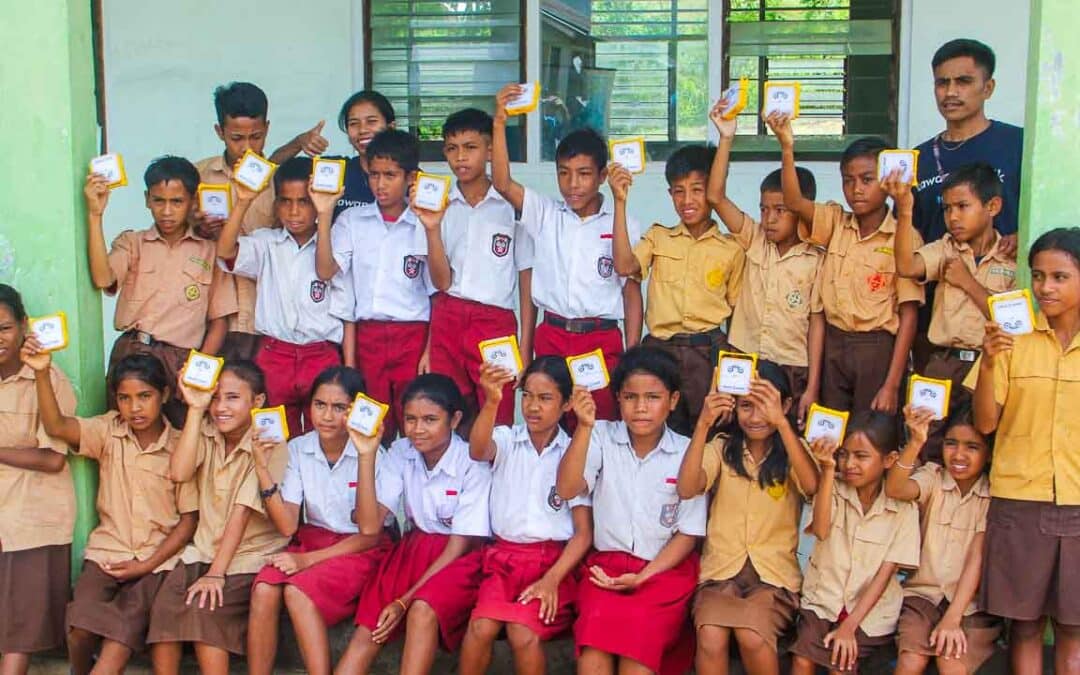
Aménagement de l’éclairage solaire dans 24 écoles isolées de l’est de Sumba
Dans l’Est de Sumbawa, près de 12 000 élèves doivent faire face au défi de l’apprentissage sans électricité. Grâce à Light Up the Future, Fair Future Foundation 2 224 lampes solaires sont distribuées à plus de 2 000 enfants dans 24 écoles reculées, apportant ainsi une lumière sûre et renouvelable pour améliorer l’éducation, la santé et la vie quotidienne.
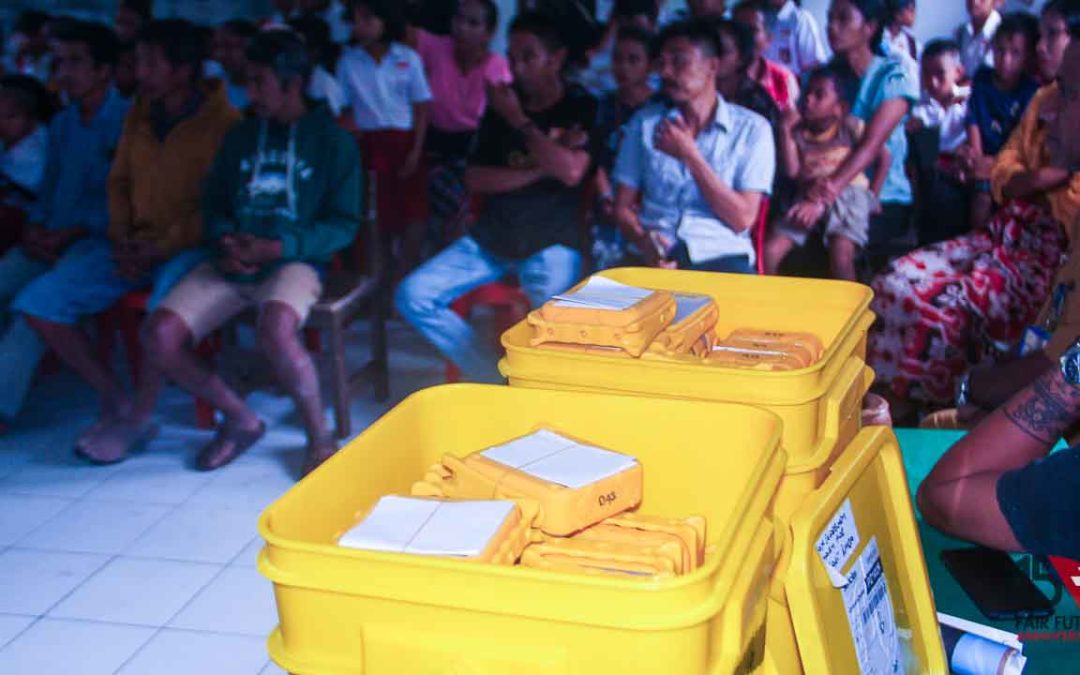
KBI et Fair Future sécurisent l’ SolarBuddy importation sans droits de douane
Une excellente nouvelle ! Nous avons officiellement obtenu l’autorisation fiscale pour importer 2 224 SolarBuddy lampes d’Australie. Cette étape historique fait de Fair Future la première ONG à pouvoir importer des produits humanitaires sans droits de douane en Indonésie. Ces lampes illumineront bientôt les villages de l’Est de Sumba. Un immense merci à Rotary, à SolarBuddy, et à nos équipes pour avoir rendu cela possible !
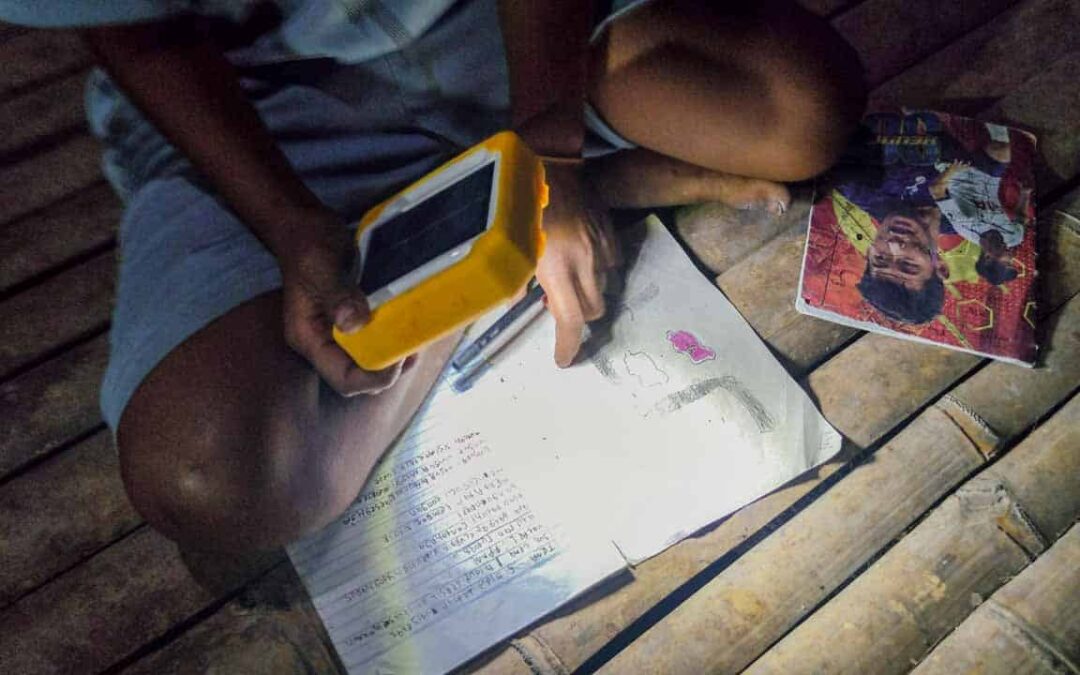
SolarBuddy Carte 2025 : L’éclairage des écoles
Consultez notre carte interactive de la distribution des SolarBuddy lampes en 2025 ! Les couleurs jaunes indiquent les écoles qui ont reçu 2 224 lampes, tandis que les couleurs grises indiquent plus de 100 écoles qui restent encore sans électricité, affectant ainsi plus de 10 000 enfants. Il reste encore un long chemin à parcourir, mais un pas de plus nous rapproche d’un avenir plus lumineux. Cliquez sur la carte pour la découvrir !
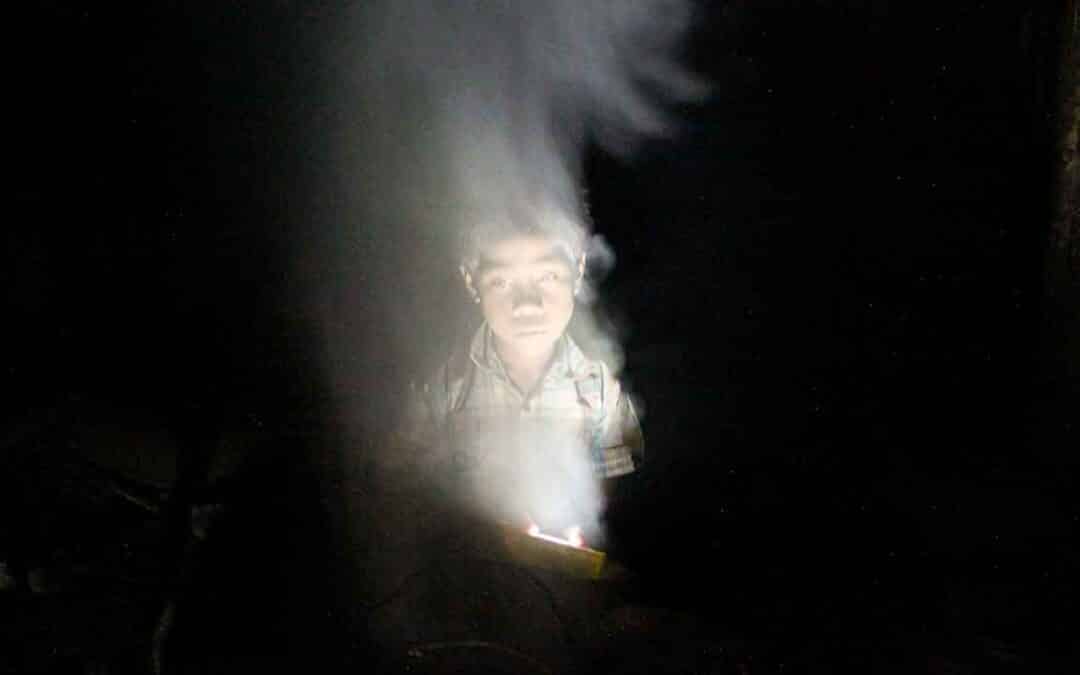
L’éclairage solaire transforme la vie dans les zones rurales de l’est de Sumba
Dans l’Est de Sumbawa, des familles innombrables vivent sans aucune source d’éclairage. L’absence d’électricité oblige les enfants à parcourir de longues distances pour aller à l’école au lever du jour, les personnes cuisinent dans des conditions dangereuses et l’étude nocturne devient un véritable défi.
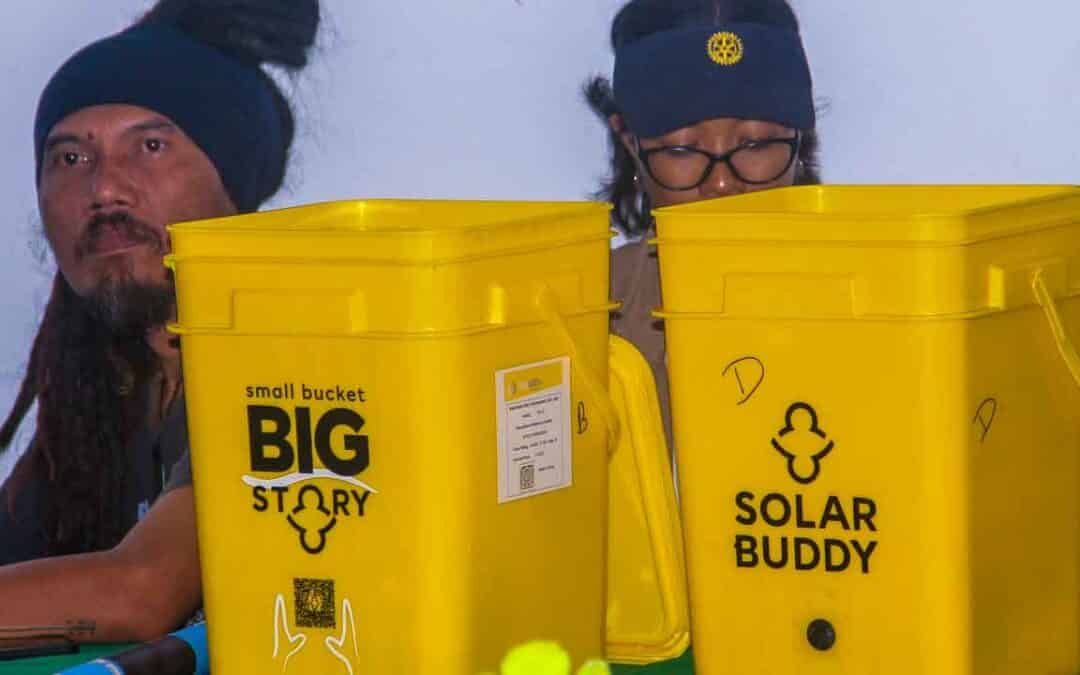
SolarBuddy Les lampes arriveront après une longue bataille d'importation
Nous sommes en passe de finaliser l’importation de 2 224 SolarBuddy lampes d’Australie vers l’Indonésie – une initiative sans précédent visant à apporter de la lumière aux enfants de l’Est de Sumbawa. Après trois mois, 15 réunions et des milliers de lettres, nous attendons désormais l’approbation définitive à Jakarta le 3 février. Cette étape marquera le début d’importations humanitaires exemptes d’impôts à l’avenir.
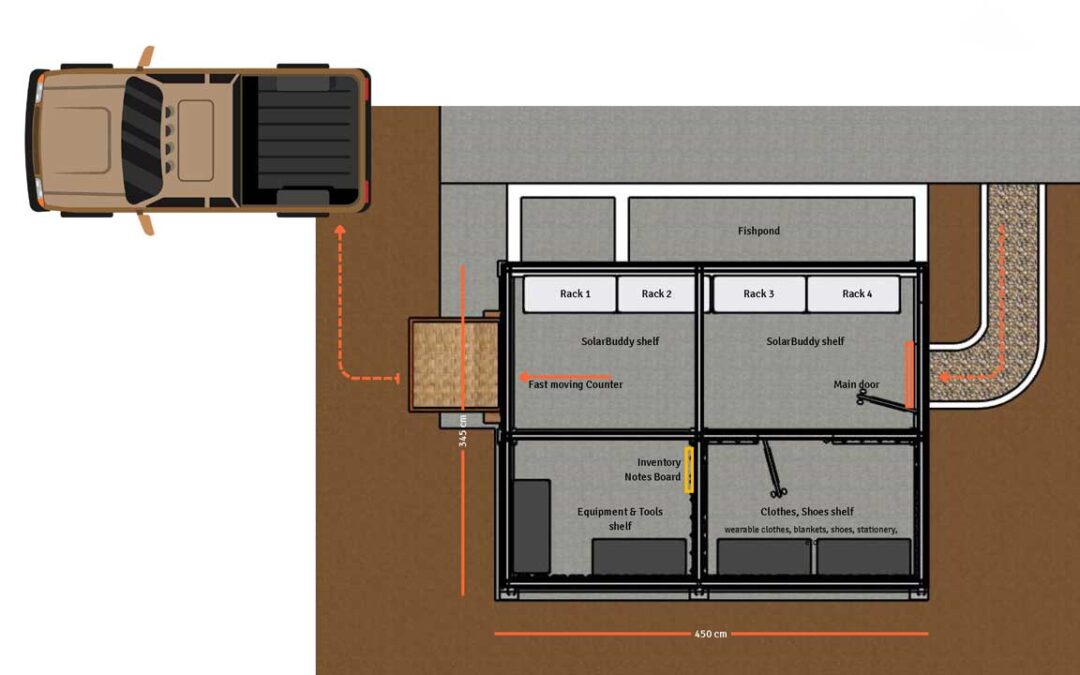
Une expansion du stockage pour renforcer les approvisionnements médicaux et les laboratoires
Nous agrandissons notre entrepôt Rumah Kambera! Initialement, il abritera des fournitures médicales et 2 200 SolarBuddy lampes de la part de Rotary et de SolarBuddy. En 2025, il accueillera également un petit projet de laboratoire. Cliquez ici pour consulter les plans et découvrir comment ce nouveau site renforcera notre mission. Merci !

2 024 SolarBuddy lampes expédiées d'Australie bientôt
Les SolarBuddy lampes 2024 unités quittent Canberra, en Australie ! 2000 lampes pour enfants et 24 autres plus grandes destinées aux écoles arriveront à Surabaya dans un mois. Nous préparons les documents douaniers et utiliserons notre camion et notre roulotte pour les récupérer. Cette vaste opération apportera de la lumière à près de 2500 personnes et transformera leur vie.

SolarBuddy Des lampes illuminent les villages reculés la nuit
Dans les villages ultra ruraux dépourvus d’électricité, les SolarBuddy lampes fournies par Fair Future et Rotary illuminent les cuisines et les chemins la nuit. Durant la journée, ces lampes rechargent lorsqu’elles sont accrochées aux arbres ou aux clôtures, prêtes à éclairer les maisons et les chemins le soir. Cette solution simple apporte sécurité et luminosité aux familles qui en ont le plus besoin.
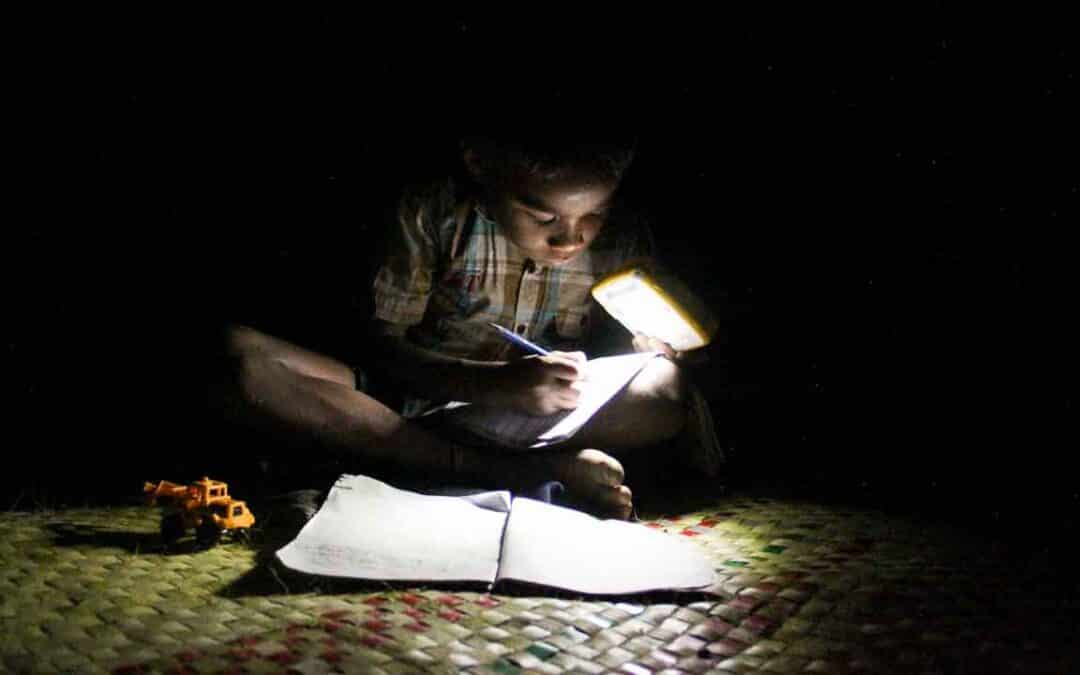
Empowering 2,000 Families with Solar Lights in East Sumba
In 2024, we’re working on distributing 2,000 SolarBuddy solar lamps to 2,000 children and families, and 2,000 homes across East Sumba. These villages and schools have no electricity. This project, in collaboration with SolarBuddy, Kawan Baik and Rotary International, will bring light to homes and schools.
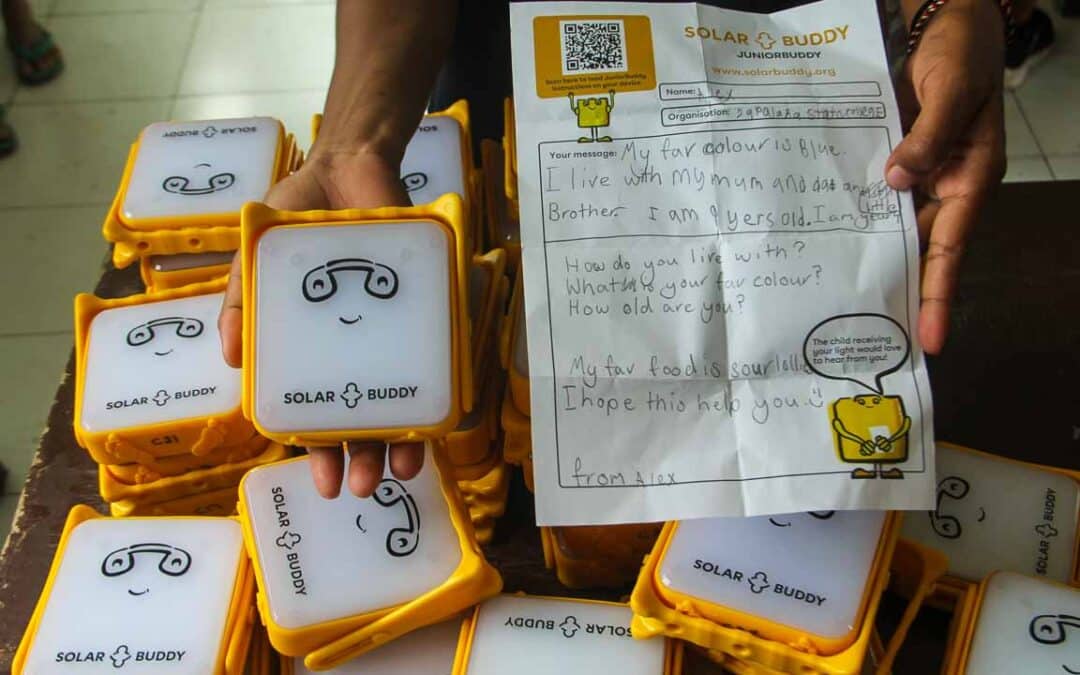
SolarBuddy Les lampes et les lettres relient deux mondes
SolarBuddy Les lampes assemblées par des enfants d’outre-mer arrivent avec des lettres personnelles adressées aux enfants des zones rurales d’Indonésie, reliant deux communautés grâce à un accès pratique à une lumière sûre.
Rapports de responsabilisation
Installed equipment creates a continuing responsibility
We document specifications, costs, locations, recipients, training, inspections and faults. Energy projects are judged by safe performance and daily usefulness over time, not by the moment equipment is handed over or switched on.